
 en
en  Español
 عربى
عربى
What is a refrigerant bottle opener?
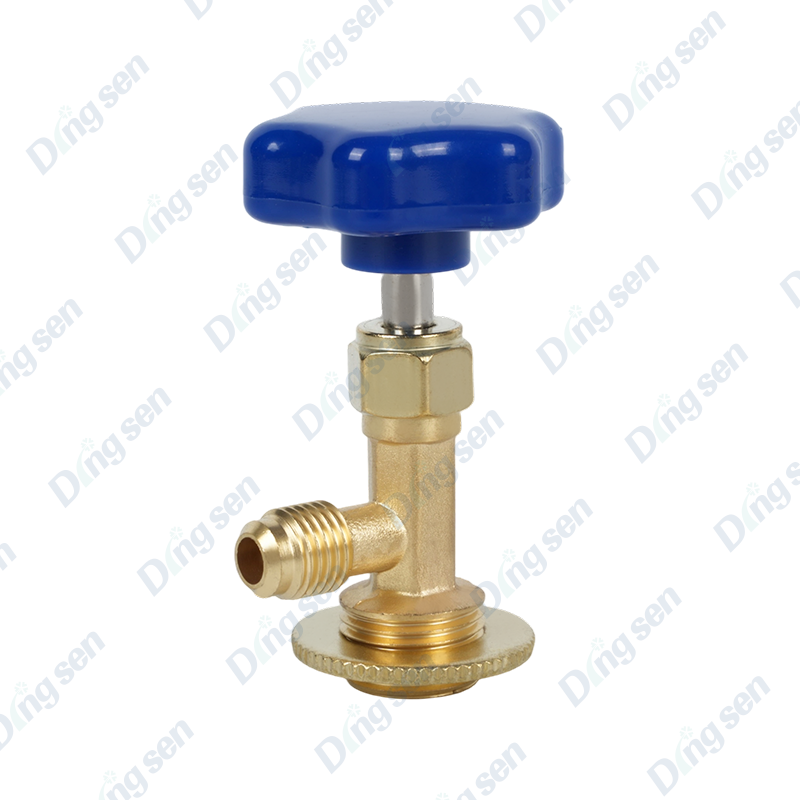
A Refrigerant Bottle Opener is a specialized hand tool used by HVAC and refrigeration technicians to puncture or open sealed refrigerant cans, small disposable cylinders, or bottle-type refrigerant containers in a controlled and leak-free manner. Unlike cutting or prying open a pressurized container by force, a refrigerant bottle opener uses a precision needle valve or piercing pin mechanism that creates a sealed puncture point, allowing refrigerant to flow out in a controlled direction without sudden pressure release, venting, or injury risk.
The tool is most commonly used when working with small refrigerant top-up cans for residential air conditioners, automotive AC systems, and small commercial refrigeration units. It is an essential item in any professional HVAC toolkit because refrigerant containers are pressurized vessels, and improper opening methods can result in uncontrolled gas release, frostbite from liquid refrigerant contact, equipment damage, or environmental violations under national refrigerant handling regulations.
Content
- 1 Why a Standard Tool Cannot Open a Refrigerant Bottle Safely
- 2 How a Refrigerant Bottle Opener Works: The Mechanism Explained
- 3 Types of Refrigerant Bottle Openers
- 4 Key Specifications to Evaluate Before Purchasing
- 5 Refrigerants Commonly Used With a Bottle Opener Tool
- 6 Safety Precautions Every Technician Must Follow
- 7 Maintenance and Care of Your Refrigerant Bottle Opener
- 8 Refrigerant Bottle Opener vs Manifold Gauge Set: Understanding the Relationship
- 9 Regulatory Context: Why Proper Tools Are Not Optional
- 10 Choosing the Right Refrigerant Bottle Opener for Your Work
- 11 Summary: What Makes a Refrigerant Bottle Opener an Essential Tool
Why a Standard Tool Cannot Open a Refrigerant Bottle Safely
Refrigerant cans and small cylinders are sealed at the factory under internal pressures that vary by refrigerant type. For reference:
| Refrigerant Type | Approximate Vapor Pressure at 25 Degrees C | Common Application |
| R-134a | 6.6 bar (95.7 psi) | Automotive AC, domestic refrigerators |
| R-410A | 16.4 bar (237.9 psi) | Residential and commercial split AC |
| R-22 | 9.1 bar (132 psi) | Older residential AC, legacy systems |
| R-32 | 12.4 bar (179.8 psi) | Modern inverter air conditioners |
| R-600a (Isobutane) | 3.5 bar (50.8 psi) | Domestic refrigerators, small freezers |
Source: ASHRAE Fundamentals Handbook, 2021 Edition, Chapter 29 (Refrigerants).
Attempting to open these containers with a screwdriver, knife, or improvised puncture tool creates an uncontrolled hole with no valve mechanism. The pressurized contents escape instantly, exposing the technician to cryogenic liquid spray (temperatures as low as -40 degrees Celsius for R-410A liquid), flammable vapor in the case of hydrocarbon refrigerants like R-600a, and an unrecoverable loss of the entire can contents. A refrigerant bottle opener solves all of these problems by providing a threaded needle valve that the technician advances slowly and deliberately.
How a Refrigerant Bottle Opener Works: The Mechanism Explained
Despite variations in design between models, all refrigerant bottle openers share the same fundamental operating principle. The tool clamps or threads securely onto the top valve port or rim of the refrigerant can. A central steel piercing pin or needle, driven by a threaded handle, is then advanced by rotating the handle clockwise. The pin punctures the can seal at the center, while the tool body, O-ring seals, and connection port contain the pressurized contents entirely within the sealed assembly.
Step-by-Step Operating Sequence
- Connect the refrigerant bottle opener to the can valve port by threading or clamping the tool body onto the container neck securely.
- Attach a refrigerant hose from the tool outlet port to the manifold gauge set or charging hose assembly.
- Slowly turn the handle clockwise to advance the piercing pin through the can seal. Stop advancing once resistance from the seal gives way, indicating the can has been punctured.
- Open the outlet valve on the tool to allow refrigerant to flow through the hose to the target system.
- When charging is complete, close the outlet valve first, then retract the piercing pin by turning the handle counterclockwise before disconnecting the hose.
This sequence ensures that at no point during connection, use, or disconnection is there an uncontrolled release of refrigerant vapor or liquid into the working environment.
The Role of the O-Ring Seal
The internal O-ring is the most critical sealing element in a refrigerant bottle opener. It sits around the base of the piercing needle and compresses against the can opening as the tool is tightened down. A degraded or incorrectly sized O-ring is the most common cause of refrigerant leaks during can opening operations. Quality tools use O-rings rated for compatibility with HFC, HCFC, and HFO refrigerant types. Technicians should inspect and replace O-rings at the first sign of cracking, flattening, or discoloration.
Types of Refrigerant Bottle Openers
The market offers several design variants, each suited to specific can types, refrigerant systems, or technician preferences. Understanding the differences helps in selecting the right tool for each application.
Standard Threaded Pin Opener
This is the most widely used type. The piercing pin is advanced by a threaded knob or T-handle. It is compatible with most standard refrigerant top-up cans and disposable cylinders used in residential HVAC work. Simple, robust, and easy to maintain, it suits general-purpose HVAC service work well.
Self-Sealing Can Tap Opener
Designed for use with self-sealing valve cans, this variant threads directly onto the can valve and opens the internal valve without physically piercing the can body. When the tool is disconnected, the can valve automatically re-seals, allowing partial cans to be stored and reused. This design is increasingly common with modern top-up refrigerant products designed for zero-loss disconnection.
Low-Side Charging Opener with Gauge
Some refrigerant bottle openers include an integrated pressure gauge on the tool body, allowing the technician to monitor can pressure directly during the charging process. This is particularly useful when working with blended refrigerants where vapor pressure indicates remaining content and mixture integrity.
Dual-Outlet Opener for Manifold Integration
Designed for professional workshop use, dual-outlet models allow the can to connect simultaneously to a manifold gauge set on one port while a second port connects to a refrigerant recovery or vacuum pump line. This configuration supports sequential operations without changing hose connections mid-procedure.
The professional-grade Refrigerant Bottle Opener available through cndszl.com is built for daily field service use, with a hardened steel piercing needle, refrigerant-rated O-ring seals, and a precision-threaded body that provides leak-free performance across R-22, R-134a, R-410A, and R-32 refrigerant types.
Key Specifications to Evaluate Before Purchasing
Not all refrigerant bottle openers are manufactured to the same standard. The following specifications directly affect safety, compatibility, and service life:
| Specification | What to Look For | Why It Matters |
| Working Pressure Rating | Minimum 30 bar (435 psi) | Must exceed maximum refrigerant vapor pressure with a safety margin |
| Needle Material | Hardened stainless steel | Resists corrosion from refrigerant oils and moisture |
| O-Ring Material | HNBR or EPDM, refrigerant-grade | Compatibility with HFC, HCFC, and HFO refrigerants |
| Body Material | Forged brass or chrome-vanadium steel | Pressure integrity and resistance to mechanical damage |
| Hose Connection Standard | 1/4 inch SAE flare (standard HVAC) | Direct compatibility with manifold gauge sets and charging hoses |
| Can Compatibility | Standard 1/2 inch ACME or proprietary thread listed | Ensures secure fit without adapter requirements |
Source: AHRI Standard 700-2016, Specifications for Fluorocarbon Refrigerants, Appendix C (Cylinder and Container Standards).
Refrigerants Commonly Used With a Bottle Opener Tool
Refrigerant bottle openers are primarily associated with the smaller-volume top-up and service cans used for the following refrigerant types. Understanding each refrigerant's characteristics is important for safe handling:
R-134a (HFC)
One of the most widely handled refrigerants in automotive AC service and domestic appliance repair. Non-flammable under ASHRAE Standard 34 classification (A1), moderate pressure, and well-understood handling procedures. Small cans of R-134a are extremely common in automotive supply stores globally, making the bottle opener an everyday tool for vehicle AC technicians.
R-410A (HFC Blend)
The dominant refrigerant in residential split air conditioning systems installed from approximately 2010 onward in many markets. R-410A operates at approximately 60 percent higher pressure than R-22, making a properly rated bottle opener tool essential. Its high pressure means any tool used must be rated for at least 30 bar working pressure (source: EPA 608 Technician Certification Study Guide, Section 4).
R-32 (HFC)
Increasingly replacing R-410A in newer inverter AC systems due to its lower Global Warming Potential (GWP of 675 vs 2088 for R-410A, source: IPCC Fifth Assessment Report, 2014). R-32 is classified as A2L (mildly flammable) under ASHRAE 34, which means no ignition sources should be present in the work area when opening R-32 cans, and the bottle opener must be used in a well-ventilated space.
R-22 (HCFC)
Though being phased out under the Montreal Protocol, R-22 remains in service in legacy systems worldwide. Replacement and top-up work on these systems still requires a refrigerant bottle opener for handling small service cylinders, and the tool must be compatible with the mineral and alkylbenzene oils that circulate in R-22 systems.
Safety Precautions Every Technician Must Follow
Working with pressurized refrigerant containers carries genuine physical risks. The following precautions are not optional recommendations but professional obligations under occupational safety standards including OSHA 29 CFR 1910.119 (Process Safety Management) and EPA Section 608 regulations in the United States, with equivalent requirements in most national jurisdictions.
- Always wear safety glasses or a face shield when opening any refrigerant container. Liquid refrigerant spray at cryogenic temperatures can cause immediate and permanent eye damage.
- Wear insulated gloves rated for cryogenic contact. Skin contact with liquid R-410A or R-134a can cause frostbite within seconds, as liquid temperatures at the point of expansion can reach -40 degrees Celsius or below.
- Never heat a refrigerant can to accelerate discharge. Heating a sealed can beyond 52 degrees Celsius (125 degrees Fahrenheit) risks rupture of the pressure relief device or catastrophic container failure (source: CGA S-1.1, Pressure Relief Device Standards).
- Work in a well-ventilated area. Although most HFC refrigerants are non-toxic, they are asphyxiants at high concentrations. R-32 and R-600a are additionally flammable and require strict no-ignition-source protocols.
- Inspect the tool O-ring before every use. A damaged O-ring can allow refrigerant to escape around the needle rather than through the outlet port, creating an uncontrolled release at the work face.
- Never leave an opened can unattended with the outlet valve open. Close the outlet valve whenever charging is paused, even briefly.
- Do not attempt to re-seal a can that has been pierced with a standard pin-type opener for long-term storage. Transfer remaining refrigerant to a certified recovery cylinder instead.
Maintenance and Care of Your Refrigerant Bottle Opener
A refrigerant bottle opener is a relatively simple tool, but its reliable performance depends on consistent maintenance. Neglected tools develop internal contamination from refrigerant oil residue and moisture ingress, which degrades O-rings and corrodes internal threads.
After Each Use
Retract the piercing needle fully by turning the handle counterclockwise until it stops. Cap the outlet port with the dust cap provided. Wipe down the exterior of the tool body with a clean dry cloth to remove refrigerant oil residue. Store in a dry pouch or case away from direct sunlight and temperature extremes.
Periodic Inspection Points
- Inspect the piercing needle tip for blunting or bending. A dull or deformed needle requires excessive force to pierce can seals and risks slipping, causing injury or tool damage.
- Check O-ring condition by removing and visually inspecting it under light. Replace if any cracking, flat spots, or surface tackiness is visible. Use only refrigerant-grade replacement O-rings of the correct cross-section diameter.
- Test thread engagement on the can connection by dry-fitting the tool to a spare can. The tool should thread smoothly with no resistance or cross-threading. Damaged threads should be addressed with a thread repair kit or by retiring the tool.
- Verify the outlet valve seat seals completely when closed by pressurizing with dry nitrogen at 10 bar and checking for leaks with electronic leak detector or soap solution. A leaking outlet valve cannot reliably contain refrigerant pressure between uses.
Refrigerant Bottle Opener vs Manifold Gauge Set: Understanding the Relationship
New technicians sometimes confuse the role of the bottle opener with the manifold gauge set. These are two separate and complementary tools used together in a refrigerant charging workflow.
| Tool | Primary Function | Connection Point |
| Refrigerant Bottle Opener | Safely pierce and access the refrigerant can, control flow out of the can | Attaches directly to the refrigerant can or small cylinder |
| Manifold Gauge Set | Monitor system high side and low side pressures, control refrigerant flow direction | Connects to AC system service ports via high and low side hoses |
| Charging Hose (Center/Yellow) | Transfer refrigerant from can to manifold to system | Links bottle opener outlet to manifold center port |
In a typical residential AC top-up procedure, the refrigerant bottle opener is connected to the can and linked via the yellow center hose to the manifold gauge set. The technician monitors suction pressure on the low side gauge to determine charge quantity while controlling refrigerant flow through both the bottle opener outlet valve and the manifold low-side valve. Neither tool alone is sufficient for a safe, accurate charging procedure.
Regulatory Context: Why Proper Tools Are Not Optional
In most jurisdictions, the handling of refrigerants is governed by environmental and occupational safety regulations that specifically require the use of appropriate tools and equipment. Key regulatory frameworks include:
- U.S. EPA Section 608 (Clean Air Act): Requires certified technicians to use equipment that minimizes refrigerant release during service operations. Venting refrigerants intentionally or through negligent tool use is subject to fines of up to $44,539 per day per violation as of 2023 (source: U.S. EPA Civil Penalty Policy, 2023 update).
- EU F-Gas Regulation (EU) 517/2014: Requires that all persons handling fluorinated greenhouse gases (which include R-410A, R-134a, and R-32) hold appropriate certification and use tools designed to prevent emissions. Non-compliant equipment use can invalidate certification and trigger regulatory penalties.
- China GB/T 15760 and associated HVAC service standards require certified HVAC technicians to use dedicated refrigerant handling tools for all maintenance and charging operations on refrigeration and AC systems above a defined capacity threshold.
Using a proper Refrigerant Bottle Opener is therefore not merely a best practice recommendation but a legal requirement in most operating markets for professional HVAC service work.
Choosing the Right Refrigerant Bottle Opener for Your Work
The best tool for a given technician depends on the types of systems they service most frequently, the refrigerants they handle, and how frequently they perform charging operations. Consider the following guidance:
For Residential AC and Light Commercial Technicians
A standard threaded pin-type opener rated for R-410A and R-32 pressures (minimum 30 bar working pressure) with a 1/4 inch SAE hose connection covers the vast majority of service calls. Look for a model with a replaceable needle and stocked O-ring replacement kits to avoid tool replacement when wear parts fail.
For Automotive AC Technicians
R-134a is the dominant refrigerant in vehicles manufactured before approximately 2017, with R-1234yf becoming standard in newer models. A bottle opener compatible with the R-134a low-pressure can format (1/2 inch ACME thread) is essential. Note that R-1234yf uses a proprietary connection standard under SAE J2888 specifically designed to prevent cross-contamination with R-134a, requiring a dedicated compatible opener.
For Workshop or Multi-Technician Operations
Higher-volume operations benefit from dual-outlet or manifold-integrated opener designs that reduce hose reconnection time between jobs. Durability of the tool body and availability of spare parts should be weighted more heavily than initial purchase price when selecting for high-frequency workshop use.
The professional refrigerant handling tools available at cndszl.com, including the Refrigerant Bottle Opener, are designed and tested for exactly these field service demands, offering reliable pressure containment, broad refrigerant compatibility, and field-replaceable sealing components for long service life in daily professional use.
Summary: What Makes a Refrigerant Bottle Opener an Essential Tool
A refrigerant bottle opener is not a convenience accessory but a fundamental safety and compliance tool for any technician working with pressurized refrigerant containers. It converts an inherently hazardous operation, opening a container pressurized to 7 to 17 bar, into a controlled, sealed, and directable flow event. Without it, refrigerant charging operations risk personal injury, environmental violations, complete loss of can contents, and regulatory penalties.
Key takeaways for any HVAC or refrigeration professional:
- Always match the tool pressure rating to the highest-pressure refrigerant in your service portfolio.
- Inspect O-rings before every use and maintain a supply of refrigerant-grade replacements.
- Follow the correct open-charge-close-disconnect sequence on every job without exception.
- Use the tool as part of a complete manifold gauge assembly for accurate, measurable charging results.
- Stay current with local refrigerant handling regulations to ensure your equipment meets legal certification requirements.
-
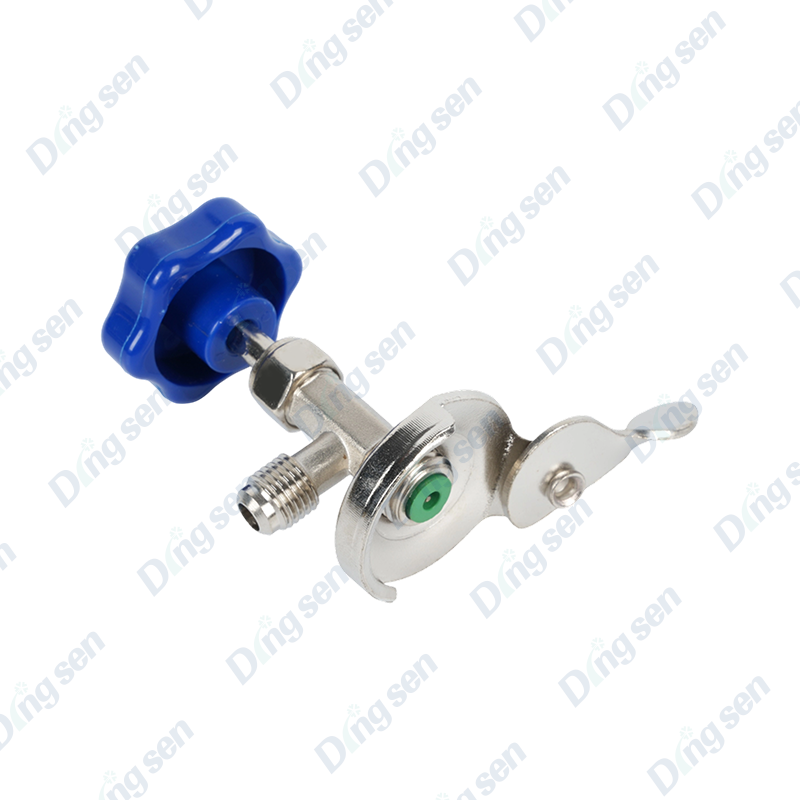
The dispensing valve refrigerant bottle opener is a metal valve-style bottle ope...
-
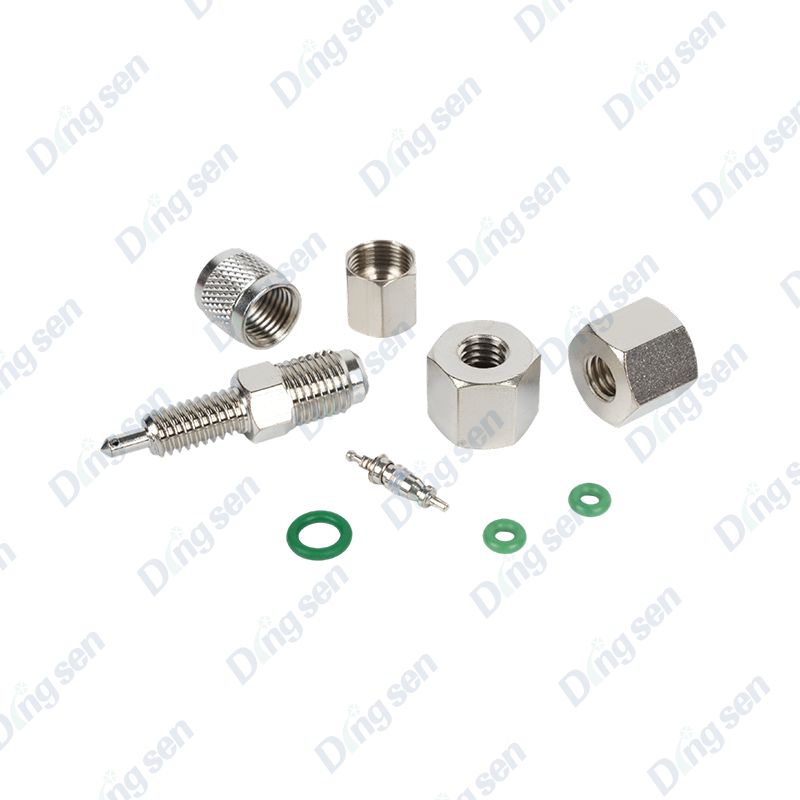
The nut parts refrigerant bottle opener is an efficient bottle opening and pipe ...
-

Metal knob refrigerant bottle opener is designed for repairing and maintaining r...
-
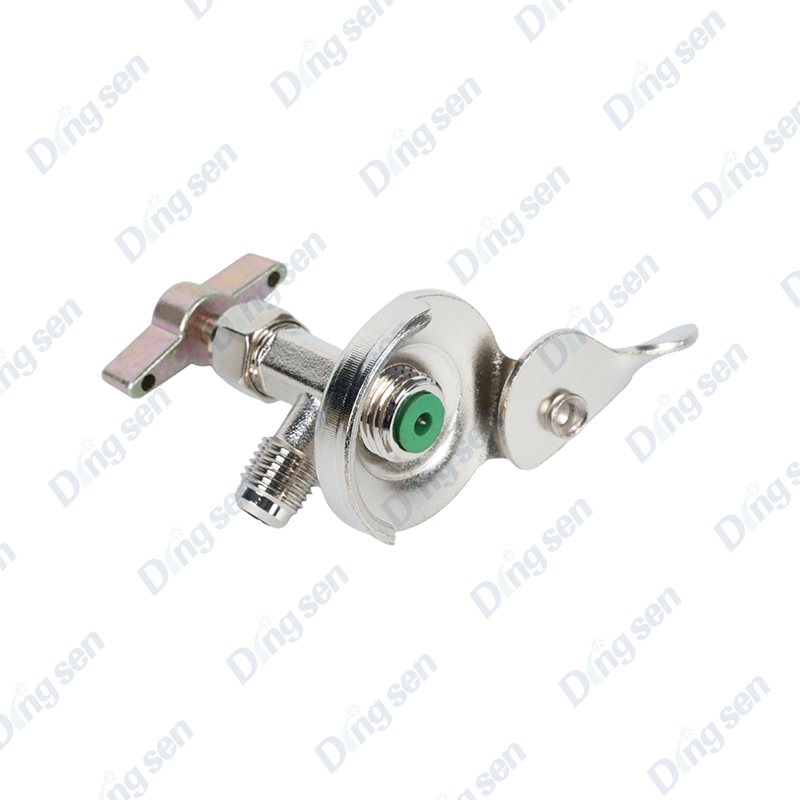
Universal faucet refrigerant bottle opener industrial valve is designed specific...
-
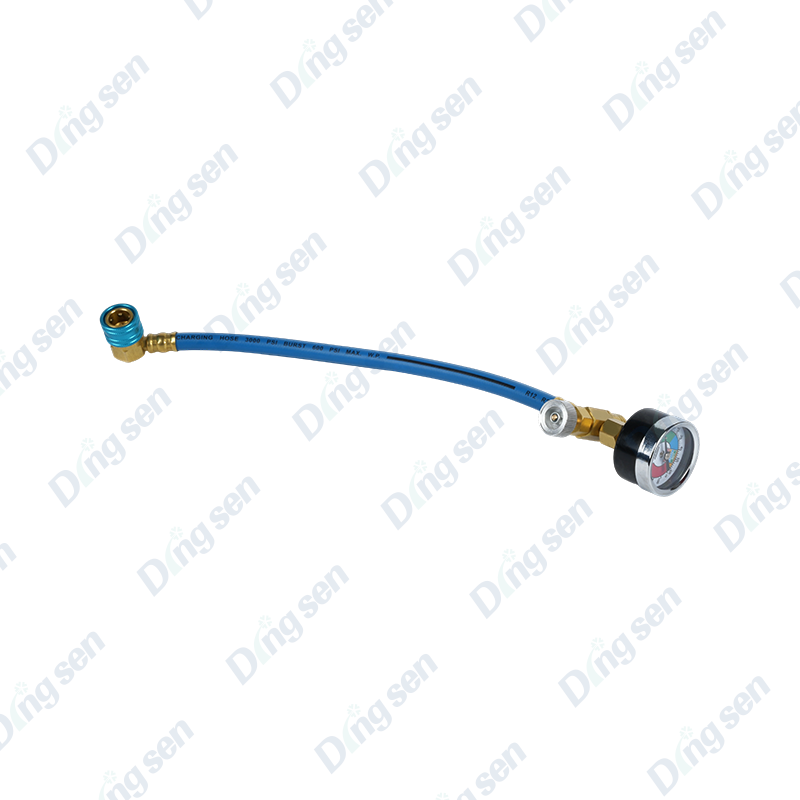
The air conditioning refrigerant filling tool is a professional repair accessory...
-
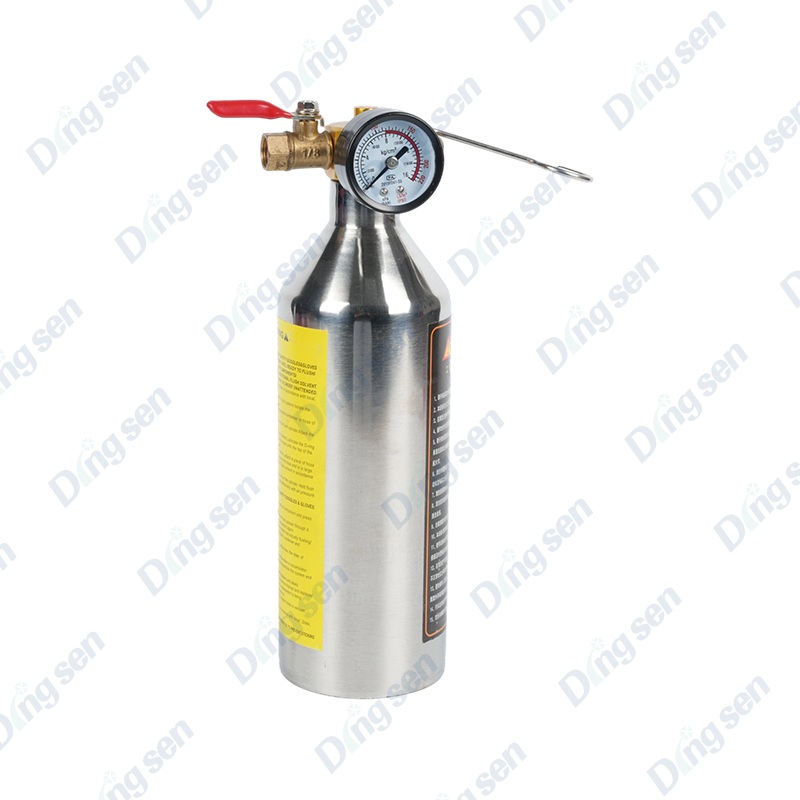
The stainless steel car air conditioning pipe cleaning bottle has a capacity of ...

Contact Us
-

No. 109 Jiefang Road, Diankou Town, Zhuji City, Shaoxing, Zhejiang Province
-

+86-13867581196
-

Copyright © shaoxing DingSen Refrigeration Technology Co Ltd. All Rights Reserved
OEM Refrigeration Parts Manufacturer Custom Automotive AC Parts Factory