
 en
en  Español
 عربى
عربى
How does a Refrigerant Bottle Opener work?
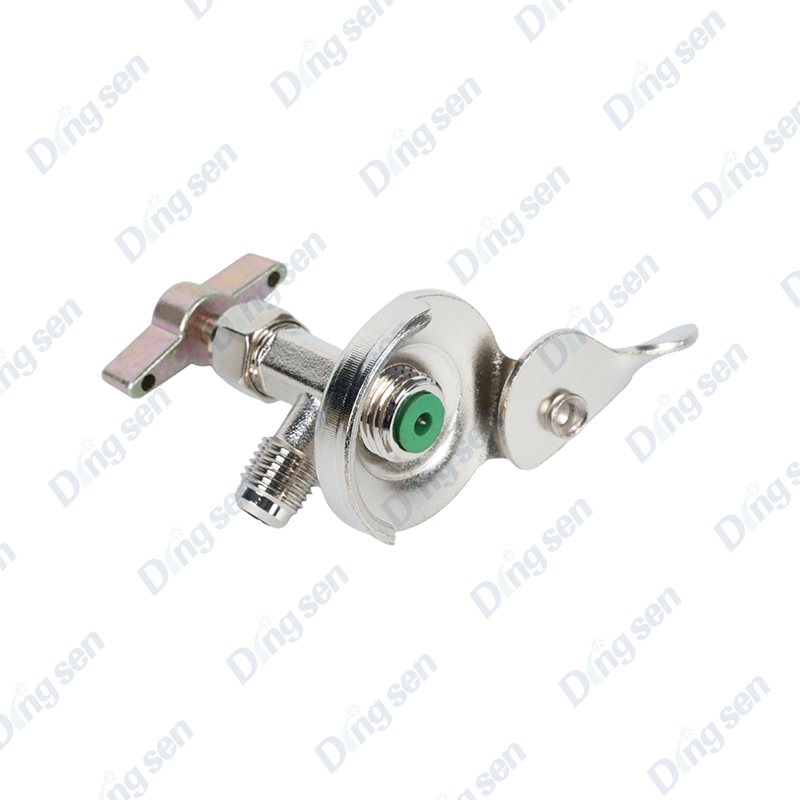
A Refrigerant Bottle Opener works by puncturing or piercing the sealed valve cap of a disposable refrigerant cylinder in a controlled, airtight manner so that the refrigerant inside can flow into the service equipment without leaking into the atmosphere. The tool clamps securely onto the bottle neck, an internally threaded needle or spike is advanced by turning a handle, and the needle pierces the bottle's soft copper or aluminum seal disk while a gasket in the tool body maintains a gas-tight connection between the bottle and the connected hose. The result is a safe, controlled release of refrigerant at the point of connection rather than an uncontrolled escape of pressurized gas. The sections below explain the mechanism in engineering detail, cover the different tool designs available, and provide practical guidance for safe and effective use.
Content
- 1 Why Refrigerant Bottles Need a Dedicated Opener
- 2 The Core Mechanical Principle: Controlled Needle Piercing
- 3 Step-by-Step: How a Refrigerant Bottle Opener Is Used in Practice
- 4 Types of Refrigerant Bottle Openers and Their Design Differences
- 5 Materials and Construction Quality: What Separates Professional Tools From Basic Versions
- 6 Safety Considerations When Using a Refrigerant Bottle Opener
- 7 Common Problems With Refrigerant Bottle Openers and How to Resolve Them
- 8 Maintenance and Care of a Refrigerant Bottle Opener
- 9 Selecting the Right Refrigerant Bottle Opener for Your Application
- 10 Regulatory Context: Refrigerant Handling and the Bottle Opener's Role in Compliance
Why Refrigerant Bottles Need a Dedicated Opener
Small disposable refrigerant cylinders — the type used for topping up residential air conditioning systems, refrigerators, and automotive HVAC systems — are factory-sealed at the neck with a soft metal disk or a valve that cannot be opened by hand. This sealed design serves several purposes: it prevents refrigerant loss during storage and shipping, it keeps moisture and contaminants out of the refrigerant, and it provides a tamper-evident closure that confirms the cylinder has not been previously used.
The internal pressure inside a sealed refrigerant cylinder varies significantly by refrigerant type and ambient temperature. At a typical ambient temperature of 25 deg C, common refrigerants exert the following saturation pressures:
| Refrigerant | Saturation Pressure at 25 deg C (bar g) | Common Application |
|---|---|---|
| R-134a | 6.6 | Automotive AC, small refrigerators |
| R-410A | 16.5 | Residential and commercial split-system AC |
| R-32 | 13.5 | Modern high-efficiency residential AC |
| R-22 | 9.3 | Legacy AC systems (being phased out) |
| R-600a (isobutane) | 3.5 | Domestic refrigerators (flammable) |
Attempting to pierce a pressurized cylinder with an improvised tool — a nail, a screwdriver, or a knife — risks a sudden uncontrolled release of refrigerant at these pressures, causing frostbite from liquid refrigerant contact, asphyxiation in confined spaces, and fire or explosion hazard with flammable refrigerants such as R-32, R-600a, and R-290. A purpose-designed refrigerant bottle opener eliminates these risks by containing the piercing event within a sealed, mechanically controlled assembly.
The Core Mechanical Principle: Controlled Needle Piercing
The operating principle of a refrigerant bottle opener is mechanically straightforward but requires precision in design and manufacture to function safely across the range of cylinder neck diameters and seal thicknesses encountered in the field.
The Clamping Body
The tool body contains two functional zones: a clamping collar that secures the tool to the bottle neck, and a piercing chamber that houses the needle and its drive mechanism. The clamping collar is typically threaded internally to engage standard bottle neck threads — most disposable refrigerant cylinders use a 1/2 in ACME thread or a 7/16 in UNF thread at the neck, and quality openers are available in configurations to suit both. Some designs use a knurled locking ring rather than a threaded collar for faster attachment when working with non-threaded necks.
A high-durometer nitrile (NBR) or EPDM gasket is seated in the base of the clamping body, between the tool body and the top face of the bottle neck. When the collar is tightened, this gasket compresses to form a gas-tight seal around the piercing point before the needle makes contact with the seal disk — ensuring that no refrigerant can escape around the outside of the connection even during the piercing event itself.
The Piercing Needle
The needle is the critical functional element. It is typically machined from hardened stainless steel or chrome-vanadium tool steel to maintain sharpness across thousands of cycles. The needle tip geometry is designed to pierce rather than punch the seal disk — a sharp, tapered point that displaces rather than removes metal, producing a small hole that the needle shaft fills as it advances, maintaining containment of the refrigerant throughout the piercing process.
Some needle designs incorporate a lateral port or slot near the tip rather than a central bore, so that the refrigerant enters through the side of the needle shaft rather than through the tip. This arrangement prevents the tip from becoming blocked by the displaced seal material and ensures consistent flow even when the seal disk is relatively thick aluminum rather than soft copper.
The Advancing Mechanism
The needle is advanced into the bottle seal by one of two mechanisms depending on the tool design:
- Screw-thread advance: The needle is mounted on a threaded rod that runs through the tool body. Turning a knurled cap or T-handle rotates the rod and advances the needle at a controlled rate — typically 1.0 to 1.5 mm per full revolution. This is the most common mechanism because it provides fine control over penetration depth and requires minimal force from the operator.
- Lever-cam advance: A lever arm rotates a cam that pushes the needle forward in a single stroke. Lever-cam openers are faster to operate but provide less tactile feedback during piercing and are more commonly used in high-volume service shop settings where speed is a priority.
The Outlet Connection
Once the needle has pierced the seal, refrigerant flows through the needle bore or lateral port and exits through a standard SAE refrigeration fitting on the side or top of the tool body — typically a 1/4 in SAE flare female connection that accepts a standard refrigerant manifold hose. This connection point may include an integrated valve — either a Schrader-type valve or a ball valve — that allows the operator to control the flow of refrigerant from the bottle independently of the needle position, preventing accidental discharge when the hose is connected or disconnected.
Step-by-Step: How a Refrigerant Bottle Opener Is Used in Practice
Understanding the working sequence helps technicians use the tool correctly and safely, and helps buyers evaluate which tool design best suits their workflow.
- Verify refrigerant type and cylinder compatibility: Confirm that the refrigerant in the cylinder matches the system being serviced, and that the opener's collar thread matches the cylinder neck. Using the wrong refrigerant is one of the most costly mistakes in HVAC service, potentially requiring complete system flush and component replacement.
- Retract the needle fully: Before attaching the opener to the bottle, ensure the needle is fully retracted into the tool body by turning the handle counter-clockwise to its stop. Attaching the tool with the needle partially advanced risks premature piercing during assembly.
- Attach the tool to the bottle: Thread or clamp the opener collar onto the bottle neck and tighten until the gasket is firmly compressed — hand-tight plus approximately a quarter turn is usually sufficient. Over-tightening can damage the gasket; under-tightening allows refrigerant to bypass the gasket during piercing.
- Connect the service hose: Attach the manifold gauge hose or transfer hose to the SAE outlet on the tool before piercing the bottle. With the hose connected and any integrated valve closed, the tool-to-hose connection is already made before refrigerant is released, preventing accidental discharge during connection.
- Pierce the seal: Turn the handle clockwise slowly and steadily. Resistance will increase as the needle contacts the seal disk, then release abruptly as the needle pierces through. Stop advancing the needle immediately once the seal is pierced — typically after 3 to 5 full turns of the handle from the point of initial contact. Over-advancing the needle risks puncturing through the bottom of the seal seat and contaminating the refrigerant stream with metal shavings.
- Open the service valve: Open the integrated ball valve or Schrader depressor on the tool outlet to allow refrigerant to flow into the connected hose and equipment. Monitor manifold pressures as the bottle is used.
- Close and remove when empty: When the bottle is empty, close the service valve, retract the needle fully, and remove the opener from the bottle. On disposable cylinders, do not attempt to refill the cylinder — this is illegal in most jurisdictions and highly dangerous due to the thin wall construction of disposable cylinders.
Types of Refrigerant Bottle Openers and Their Design Differences
Not all refrigerant bottle openers work identically. Several design variants exist, each suited to different cylinder types, refrigerants, and work environments.
Standard Screw-Type Can Tap Openers
The most widely used type for small disposable cylinders (typically 340 g to 1 kg capacity in automotive and residential HVAC service). The screw-thread advance mechanism and integrated 1/4 in SAE outlet make these directly compatible with standard manifold gauge sets. The tool body is usually brass or zinc alloy with a steel needle, and overall weight is typically 80 to 150 g. These are the tools that most HVAC technicians carry as standard kit items.
Locking Clip Openers for Non-Threaded Bottles
Some refrigerant cylinder formats — particularly those used for automotive top-up refrigerant — have a smooth cylindrical neck without external threads. These use a spring-loaded clip or a snap-ring collar on the opener to grip the bottle neck by its circumferential groove rather than by threading. The operating mechanism is otherwise identical to the screw-type opener.
High-Pressure Rated Openers for R-410A and R-32
R-410A and R-32 operate at significantly higher pressures than R-22 or R-134a. Standard can tap openers rated for R-22 service (typically to 14 bar) are not appropriate for R-410A or R-32 cylinders where saturation pressure at 40 deg C ambient can reach 22 to 25 bar. High-pressure rated openers use a heavier-walled brass body, a reinforced needle assembly, and a gasket compound rated for the full pressure range. The working pressure rating should be clearly marked on the tool and verified before use with high-pressure refrigerants.
Openers With Integrated Flow Control Valves
Premium refrigerant bottle openers incorporate a ball valve or needle valve between the piercing chamber and the SAE outlet, allowing the technician to control the flow rate of refrigerant independently of the needle position. This is particularly useful when charging systems that require a slow, controlled addition of refrigerant — for example, when adding refrigerant by weight to a system that is nearly at the correct charge level. Without an integrated valve, flow control must be managed entirely at the manifold, which is less convenient.
Multi-Refrigerant Universal Openers
Some openers are designed with interchangeable collar inserts to accommodate both 1/2 in ACME and 7/16 in UNF bottle neck threads in a single tool, reducing the number of tools a technician needs to carry when servicing systems with different refrigerant types. The Refrigerant Bottle Opener in the professional repair tool series is engineered with precision-machined brass components and a chrome-vanadium needle to deliver consistent, safe piercing performance across the refrigerant types commonly encountered in modern HVAC service work.
Materials and Construction Quality: What Separates Professional Tools From Basic Versions
The refrigerant bottle opener is a pressure-retaining tool operating in contact with refrigerants at elevated pressure. The materials and manufacturing quality of the tool directly determine its safety margin, service life, and resistance to refrigerant-induced degradation.
Body Material
Professional-grade openers use forged or machined brass (CuZn39Pb2 or equivalent) for the main body. Brass has excellent corrosion resistance to all common refrigerants and refrigerant oils, is dimensionally stable under the thermal cycling experienced during service, and can be machined to the tight tolerances needed for reliable gasket seating. Lower-quality openers use die-cast zinc alloy (Zamak) bodies, which have lower tensile strength and are more susceptible to stress cracking in contact with some refrigerant oils — particularly the polyolester (POE) oils used with HFC refrigerants such as R-410A.
Needle Material and Hardness
The needle must maintain a sharp point through repeated use without corroding in contact with refrigerant. Chrome-vanadium steel (CrV) heat-treated to 58-62 HRC is the standard material for quality openers — the same steel used in high-grade hand tools. Stainless steel (304 or 316 grade) is used in food refrigeration service applications where any contamination of the refrigerant with tool steel particles must be avoided.
Gasket Material and Refrigerant Compatibility
The bottle-to-tool sealing gasket must be compatible with the refrigerant and oil system in service. The table below summarizes gasket material compatibility with common refrigerants:
| Gasket Material | R-22 / R-134a | R-410A / R-32 | R-600a / R-290 (Flammable) | HFO Refrigerants (R-1234yf) |
|---|---|---|---|---|
| Nitrile (NBR) | Compatible | Compatible | Limited (swells) | Not recommended |
| EPDM | Compatible | Compatible | Compatible | Compatible |
| PTFE (Teflon) | Compatible | Compatible | Compatible | Compatible |
| Neoprene (CR) | Compatible | Limited | Limited | Not recommended |
For technicians working across multiple refrigerant types, an opener with an EPDM or PTFE gasket provides the broadest compatibility. Always verify compatibility with the specific refrigerant being used before connecting the tool, particularly when working with newer HFO or hydrocarbon refrigerants where older gasket materials may not be rated.
Thread Quality and Collar Fit
The collar thread must engage cleanly with the bottle neck thread without requiring excessive force to tighten. A poor-quality thread form can cross-thread on the bottle, damaging both the tool and the bottle neck and preventing the gasket from seating correctly. Quality openers use cut (machined) threads rather than rolled or die-formed threads in the collar, producing a more accurate thread profile that engages smoothly with the bottle neck.
Safety Considerations When Using a Refrigerant Bottle Opener
Refrigerants are handled under pressure and pose specific hazards that require appropriate precautions regardless of how simple or routine the bottle-opening operation appears.
Personal Protective Equipment
- Safety glasses or face shield: Liquid refrigerant at the point of release can reach temperatures as low as -40 deg C to -55 deg C during rapid depressurization. Eye contact with liquid refrigerant causes immediate severe frostbite injury. Safety glasses with side shields are the minimum; a full face shield is recommended when working in confined spaces or above head height.
- Insulated or cryogenic gloves: Nitrile or leather work gloves provide minimal protection against liquid refrigerant contact; insulated gloves rated for cryogenic handling are preferred when opening cylinders in conditions where accidental refrigerant contact is likely.
- Adequate ventilation: All refrigerants displace oxygen in enclosed spaces. The ASHRAE Standard 15-2022 (Safety Standard for Refrigeration Systems) establishes maximum allowable refrigerant concentrations (MARC) in occupied spaces for each refrigerant type. Work in ventilated areas or use local exhaust ventilation when opening refrigerant bottles in enclosed rooms, vehicle pits, or basement equipment rooms.
Flammable Refrigerant Precautions
Refrigerants classified as A2L (mildly flammable — R-32, R-1234yf) or A3 (highly flammable — R-290, R-600a) require additional precautions beyond those for non-flammable refrigerants (Source: ASHRAE Standard 34-2022, Designation and Safety Classification of Refrigerants). When using a refrigerant bottle opener with flammable refrigerants:
- Eliminate all ignition sources — pilot lights, electrical switch arcing, hot work — within a 1-meter radius of the work area
- Use only tools rated and marked as suitable for use with flammable refrigerants; standard tools may have internal components that produce sparks during operation
- Ensure the bottle is correctly oriented as specified on the label — most disposable flammable refrigerant cylinders specify upright use to deliver vapor rather than liquid
- Use a refrigerant leak detector calibrated for the specific refrigerant before and during the operation to identify any connection leakage before it reaches a flammable concentration
Never Modify or Defeat the Tool
The safety of a refrigerant bottle opener depends on all its components functioning as designed. Never remove the gasket to increase flow rate, never replace a worn gasket with an incompatible material, and never advance the needle beyond its mechanical stop in an attempt to increase flow. These modifications eliminate the containment function of the tool and convert a controlled operation into a hazardous one.
Disposal of Empty Cylinders
After use, the pierced disposable cylinder must be handled carefully — the needle hole is small but the tool has introduced the needle channel into the bottle, and residual pressure may remain. Always confirm the cylinder is empty by weighing it and comparing against the tare weight printed on the label before disposal. Dispose of empty refrigerant cylinders in accordance with local regulations — in many jurisdictions, pierced empty cylinders must be rendered incapable of refilling before disposal to prevent illegal refilling.
Common Problems With Refrigerant Bottle Openers and How to Resolve Them
Even with a quality tool, problems can arise that affect the performance of the piercing operation. The following are the most frequently encountered issues and their solutions.
Refrigerant Leaking Around the Collar After Piercing
This indicates the gasket is not sealing against the bottle neck face. Causes include: a worn or damaged gasket; a cracked or deformed bottle neck rim; debris (swarf, paint, or label adhesive) between the gasket and the bottle neck face. Solution: retract the needle immediately if possible; close the service valve; remove the opener; inspect and replace the gasket; clean the bottle neck face before reattaching. If the bottle neck is damaged, the cylinder should not be used and should be returned to the supplier.
Needle Will Not Penetrate the Seal
Some heavy-gauge cylinder seal disks — particularly on industrial-grade cylinders or cylinders manufactured to a higher specification than the tool was designed for — may resist penetration by a worn or dull needle. Solution: replace the needle assembly; confirm the tool is rated for the cylinder type being used. Do not force the handle with excessive torque — applying more than 10 to 15 N·m of torque to the handle of a standard screw-type opener risks stripping the thread or fracturing the body.
Refrigerant Flow Stops Before Cylinder Is Empty
Liquid refrigerant exiting the cylinder cools rapidly as it depressurizes, sometimes causing ice formation at the needle tip or the outlet port that restricts or stops flow. Solution: warm the cylinder gently by immersing the lower portion in warm water at no more than 40 deg C — never use hot water, steam, or open flame to warm a refrigerant cylinder. The pressure increase from gentle warming will usually clear the ice restriction and restore flow.
Tool Cannot Be Removed After Use
If the bottle neck thread and the opener collar thread gall (cold-weld under pressure) during use, the collar may be difficult to remove after the bottle is empty. Apply penetrating oil to the thread junction and allow time to penetrate before attempting to unscrew. Avoid using pipe wrenches or extended lever bars that could fracture the bottle neck — even an empty cylinder may contain residual pressure above atmospheric.
Maintenance and Care of a Refrigerant Bottle Opener
A refrigerant bottle opener is a precision pressure tool that repays correct maintenance with a long service life and consistent performance.
After Each Use
- Retract the needle fully and cap the SAE outlet with a dust cap to prevent contamination of the internal surfaces
- Wipe the exterior with a clean, dry cloth to remove refrigerant oil residue that attracts dust and abrasive particles
- Inspect the gasket visually for compression set, cracking, or surface damage; replace if any deterioration is visible
Periodic Maintenance
- Apply a small drop of refrigerant-compatible oil (POE or PAG depending on the refrigerants you work with) to the needle thread every 20 to 30 uses to maintain smooth advance and prevent galling
- Inspect the needle tip under magnification every 50 uses; a blunt or damaged tip should be replaced before it causes difficulty piercing the next cylinder
- Check the SAE outlet flare seat for damage or nicks that could cause the manifold hose connection to leak; a damaged flare seat requires the tool to be replaced
- Pressure-test the assembled tool annually by connecting it to a nitrogen source at 1.5 times its rated working pressure for 5 minutes and confirming no leak at any joint or fitting; any leak indicates a failed seal that must be rectified before the tool is returned to service
Storage
Store the opener in a dry environment, ideally in the manufacturer's case or a tool roll that protects the SAE outlet and the needle assembly from impact. Avoid storing in the same compartment as sharp metal tools that could score the brass body or damage the outlet fitting. Keep the tool away from prolonged exposure to direct sunlight, which degrades NBR and neoprene gaskets over time even without mechanical use.
Selecting the Right Refrigerant Bottle Opener for Your Application
With the operating principle and design variables understood, the following checklist helps technicians and procurement teams select the most appropriate tool for their specific service environment.
| Selection Criterion | What to Look For | Why It Matters |
|---|---|---|
| Working pressure rating | Minimum 25 bar for R-410A / R-32 service | Underrated tools may fail or leak at high-pressure refrigerant saturation pressures |
| Bottle neck thread compatibility | 1/2 in ACME and/or 7/16 in UNF; confirm against your cylinder stock | Incorrect thread fit prevents proper gasket seating |
| Outlet fitting size | 1/4 in SAE flare female (standard for most manifold sets) | Compatibility with existing hose and manifold equipment |
| Integrated service valve | Ball valve preferred over no valve or Schrader-only | Allows flow control without returning to the manifold; reduces accidental discharge |
| Body material | Forged or machined brass; avoid die-cast zinc alloy for professional use | Brass withstands POE oil and HFC refrigerant exposure without stress cracking |
| Gasket material | EPDM or PTFE for broad refrigerant compatibility | NBR and neoprene are not compatible with all modern refrigerants |
| Needle material | CrV steel or 316 stainless for food refrigeration | Maintains sharp tip through repeated use without contaminating refrigerant |
| Flammable refrigerant rating | Explicitly rated A2L or A3 if working with R-32, R-290, R-600a | Standard tools may not be safe for flammable refrigerant service |
For technicians requiring a reliable, professionally rated tool for daily HVAC service work, the Refrigerant Bottle Opener in the professional air conditioner repair tool series is built to these specifications — brass body construction, precision-ground needle, EPDM sealing gasket, and an integrated ball valve — making it a dependable choice for both residential and commercial refrigeration service applications.
Regulatory Context: Refrigerant Handling and the Bottle Opener's Role in Compliance
The correct use of a refrigerant bottle opener is not only a practical matter but also a regulatory one. Most jurisdictions with significant HVAC industries have regulations governing how refrigerants are handled, transferred, and recovered, and the choice of tools directly affects compliance.
In the United States, the EPA Section 608 regulations under the Clean Air Act prohibit the deliberate venting of most refrigerants into the atmosphere. A refrigerant bottle opener that leaks during the piercing operation — due to a worn gasket, incorrect collar engagement, or tool damage — releases refrigerant that may constitute a prohibited vent under these regulations (Source: U.S. EPA, Section 608 Fact Sheet, 2023). Using a well-maintained, properly rated opener that produces a leak-free connection is therefore a compliance requirement, not merely a best practice.
In the European Union, the F-Gas Regulation (EU 517/2014) similarly restricts the release of fluorinated refrigerants and requires certified technicians using certified equipment for refrigerant handling. Equipment certification requirements under this regulation apply to the tools and procedures used, including the bottle opening process.
Technicians in jurisdictions with these or equivalent regulations should retain maintenance records for their refrigerant handling tools — including refrigerant bottle openers — as evidence of compliance with equipment maintenance requirements during regulatory audits or inspection.
-
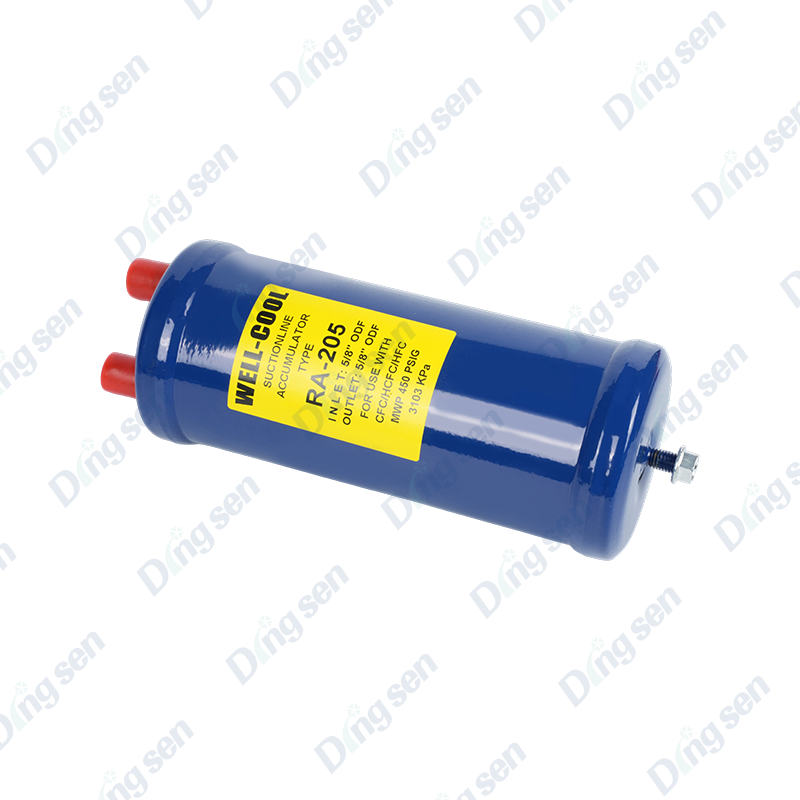
The refrigerant gas-liquid separator is a core separation component in refrigera...
-
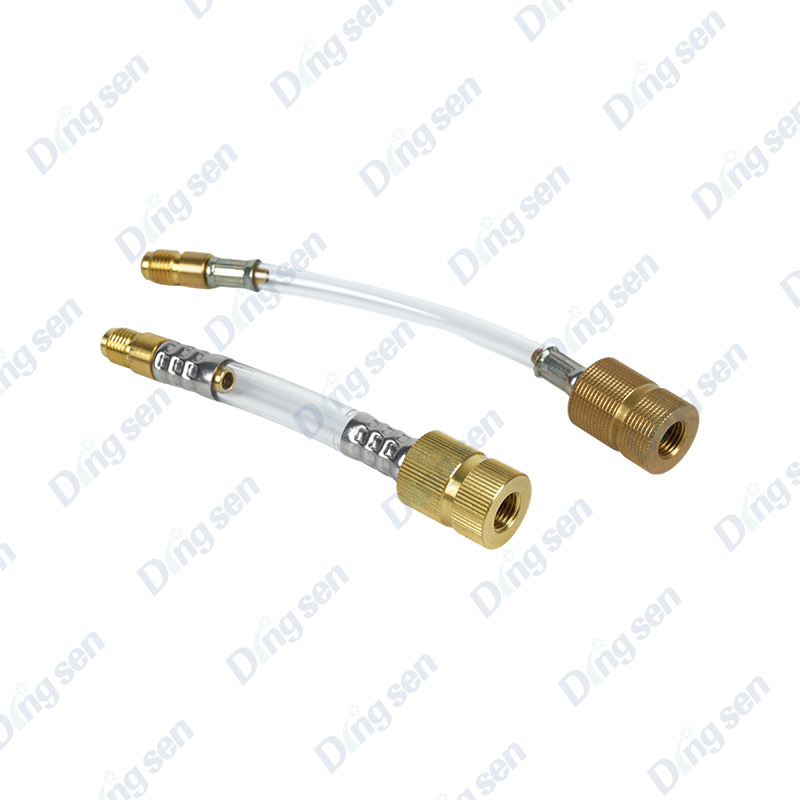
The Refrigerant rapid injection pump automotive air conditioning filling system ...
-
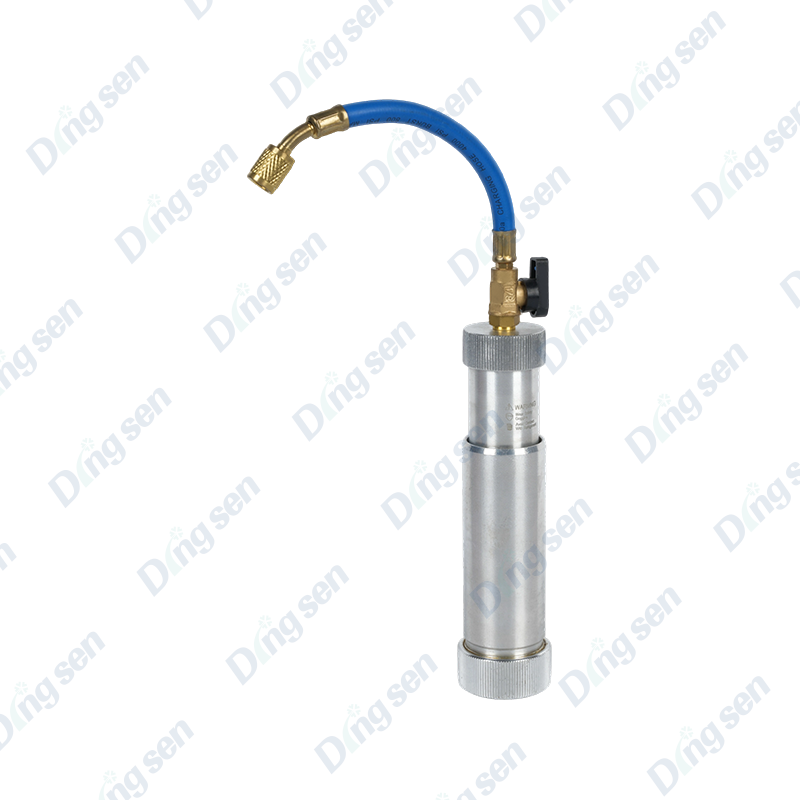
Refrigerant and refrigeration oil filler is a special device for replenishing me...
-
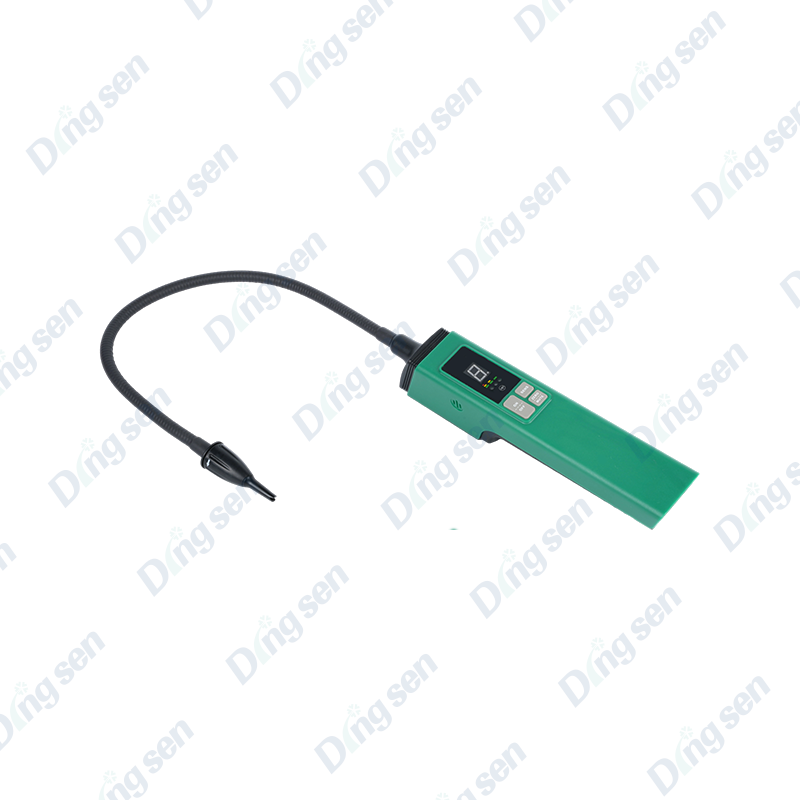
The refrigerant leak detector is a specialized device for detecting leaks in ref...
-
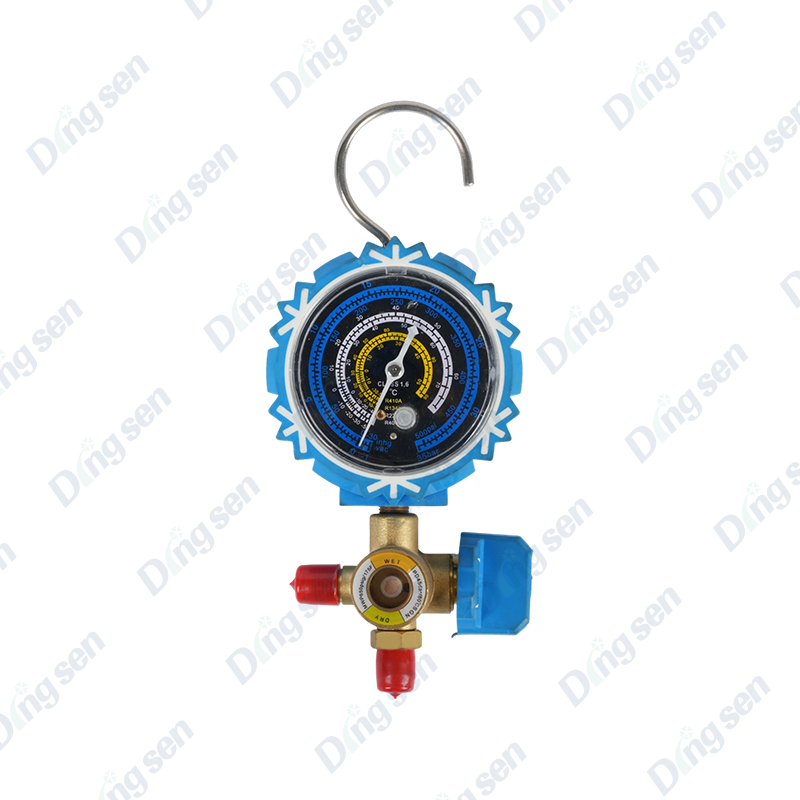
The refrigerant single gauge is a specialized instrument for refrigerant system ...
-
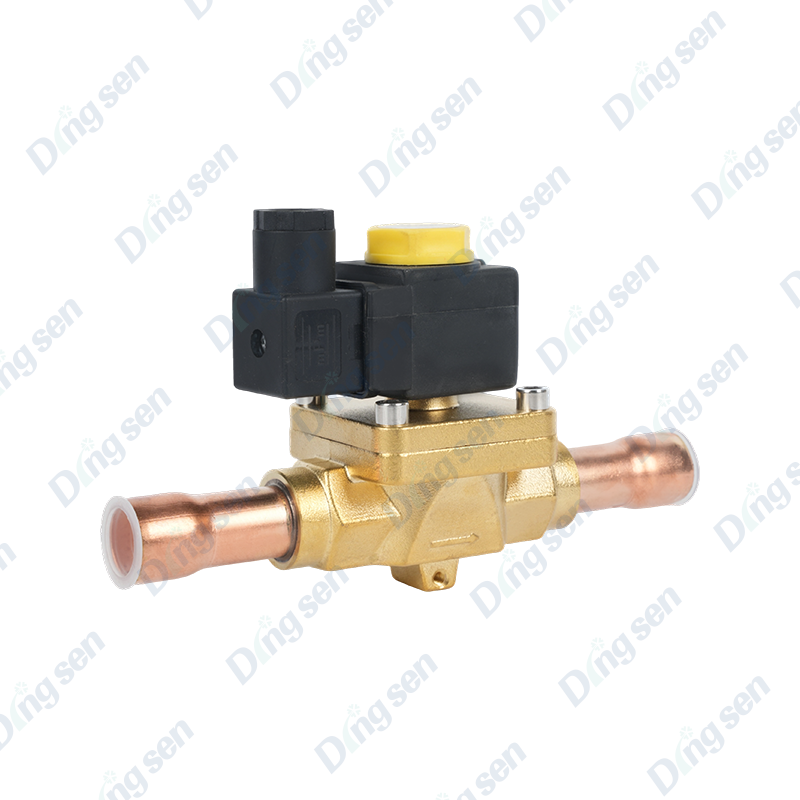
EVR solenoid valves are key components in refrigeration and air conditioning, co...

Contact Us
-

No. 109 Jiefang Road, Diankou Town, Zhuji City, Shaoxing, Zhejiang Province
-

+86-13867581196
-

Copyright © shaoxing DingSen Refrigeration Technology Co Ltd. All Rights Reserved
OEM Refrigeration Parts Manufacturer Custom Automotive AC Parts Factory