
 en
en  Español
 عربى
عربى
What Is the Difference Between Quick Connector for Car Air Conditioning and Traditional Fittings?
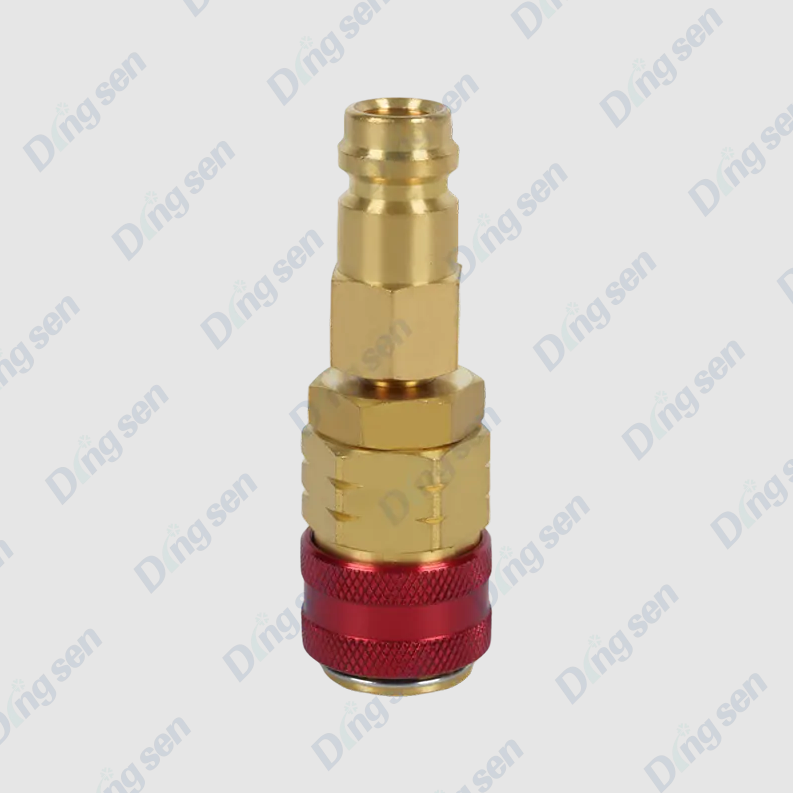
The main differences between Quick Connector for Car Air Conditioning and traditional fittings lie in installation convenience, sealing reliability, and maintenance efficiency. Traditional fittings usually require threaded or flange connections, which have long installation cycles and are prone to leakage. Quick connectors use integrated clip or push-in designs, allowing secure connections in a short time while ensuring refrigerant sealing, significantly improving assembly and maintenance efficiency of automotive A/C systems.
Content
Differences in Installation Method
Quick Connector for Car Air Conditioning: feature clip, push-in, or quick-plug designs; no additional threading or welding is required; installation can be completed with one hand; installation time can be reduced by more than 70%.
Traditional Fittings: rely on threads, flanges, or welding; installation requires specialized tools and skills; high time cost and significant risk of human error.
Quick connectors demonstrate high efficiency on production assembly lines, especially suitable for modern automotive mass production.
Refrigerant Sealing Requirements
Quick Connectors: built-in O-rings or sealing rings; excellent leak-proof performance; maintain stable sealing even under high-pressure conditions.
Traditional Fittings: threaded connections rely on tightening torque, flange connections require gaskets; prone to loosening over time or under vibration, causing leaks.
Experimental data shows that high-quality quick connectors can achieve leakage rates below 0.1%, significantly better than the average 0.5%–1% leakage rate of traditional threaded fittings.
Maintenance and Replacement Efficiency
Quick Connectors: support fast disassembly and reassembly; convenient for A/C system inspection; reusable, improving maintenance efficiency.
Traditional Fittings: removal requires specialized tools; thread wear or welding damage may require replacing the entire pipeline; maintenance costs are high.
Quick connectors provide obvious advantages in after-sales service and emergency repairs, saving significant labor and time.
System Compatibility and Reliability
Quick Connectors: support multiple pipe diameters and system specifications; designed to meet high-pressure A/C system requirements; reduce human installation errors and improve system reliability.
Traditional Fittings: limited specification compatibility; installation accuracy depends on worker experience; higher risk of leaks and system failures.
In modern automotive A/C systems, Quick Connector for Car Air Conditioning have become mainstream, especially for high-pressure R1234yf or R134a systems.
Usage Scenario Comparison
| Scenario | Quick Connector | Traditional Fitting |
| Automotive production line assembly | Efficient and fast | Cumbersome operation |
| Maintenance and servicing | Quick disassembly/reassembly | High tool dependency |
| High-pressure refrigerant systems | Safe and reliable | Prone to leakage |
| Reusability | Supports multiple uses | Easily worn |
Quick Connector for Car Air Conditioning, with advantages in convenient installation, reliable sealing, and high maintenance efficiency, are gradually replacing traditional threaded or flange fittings. In modern automotive production, repair, and high-pressure refrigerant systems, quick connectors not only enhance A/C system assembly efficiency and safety but also save time and cost for manufacturers and service personnel, representing an important development direction in automotive A/C pipeline connection technology.
-
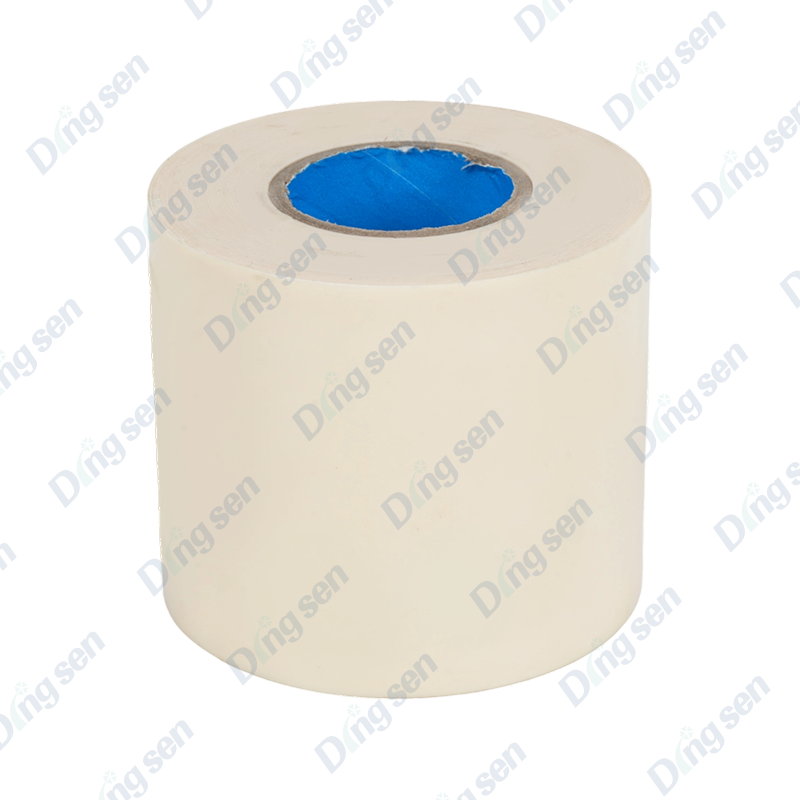
Air conditioning pipe bandage strip is used to secure and protect the pipes conn...
-
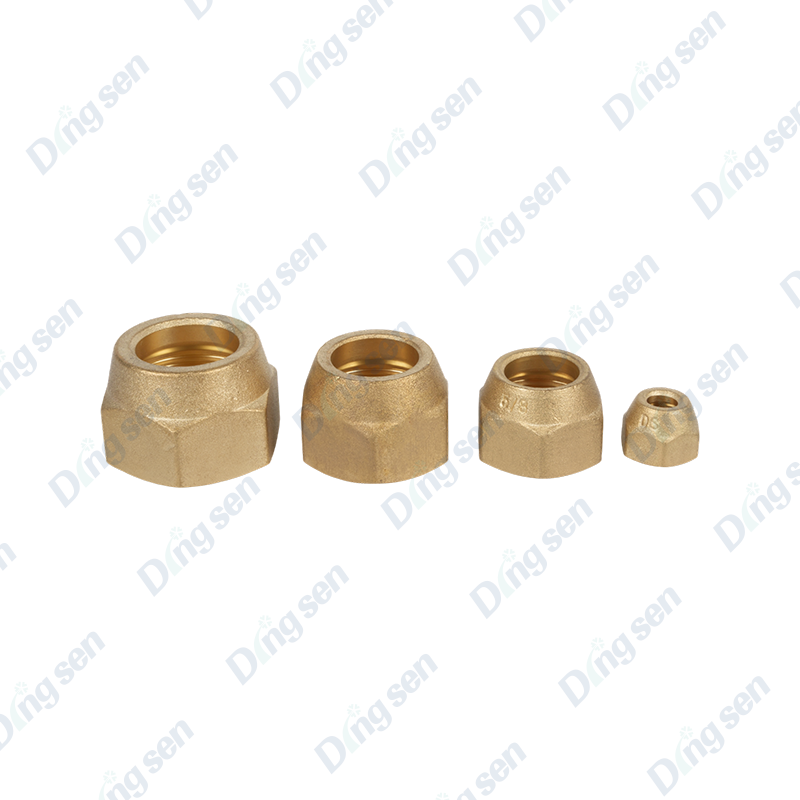
Air conditioning nuts are core fasteners for connecting copper pipes in air cond...
-
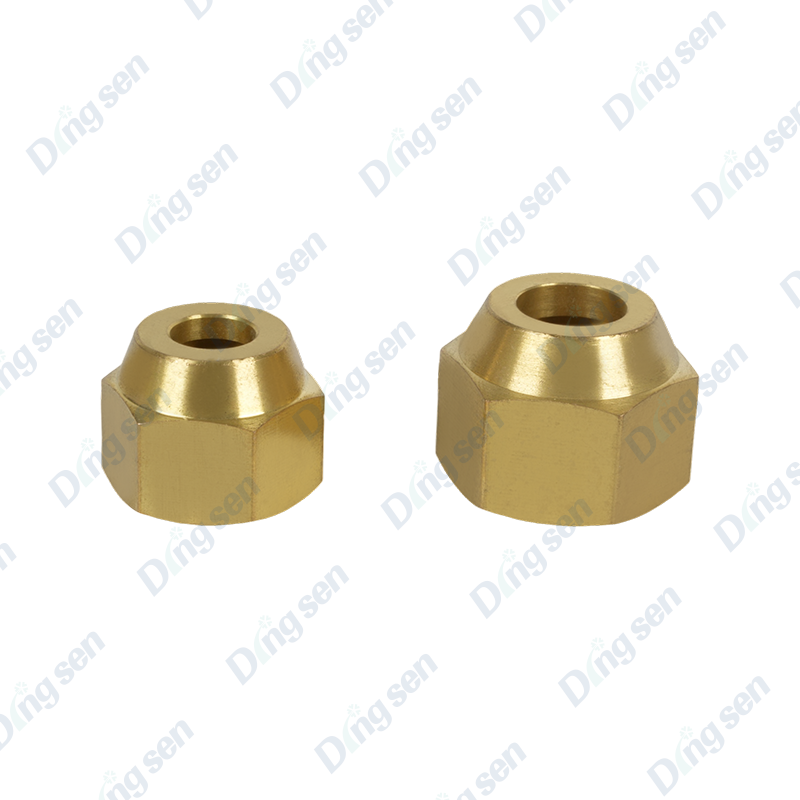
Air conditioning reducing nuts are sealed connectors for connecting copper pipes...
-
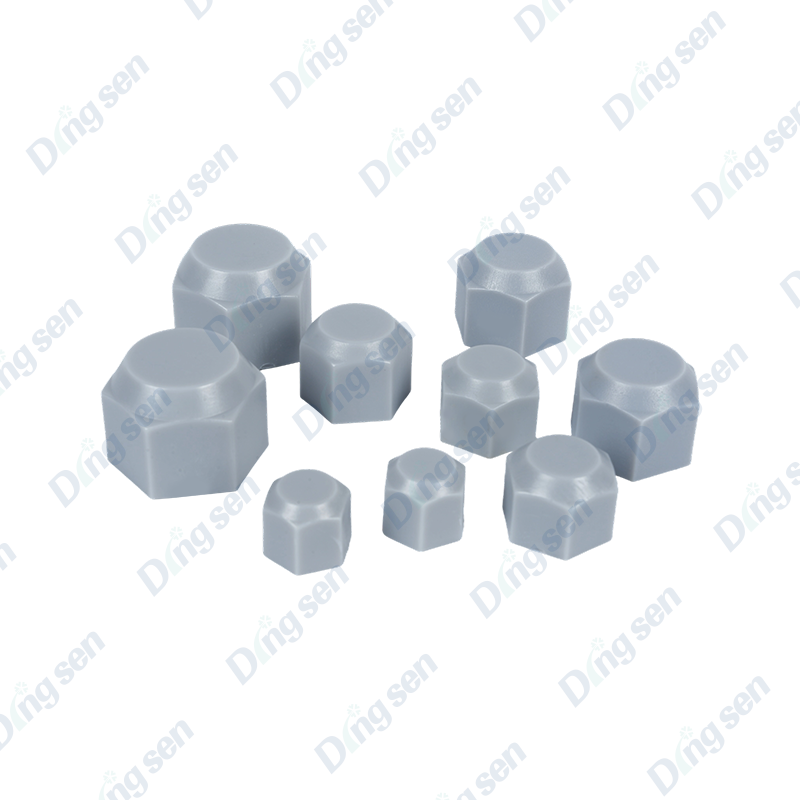
Air conditioning plastic nuts are lightweight seals for connecting copper pipes ...
-
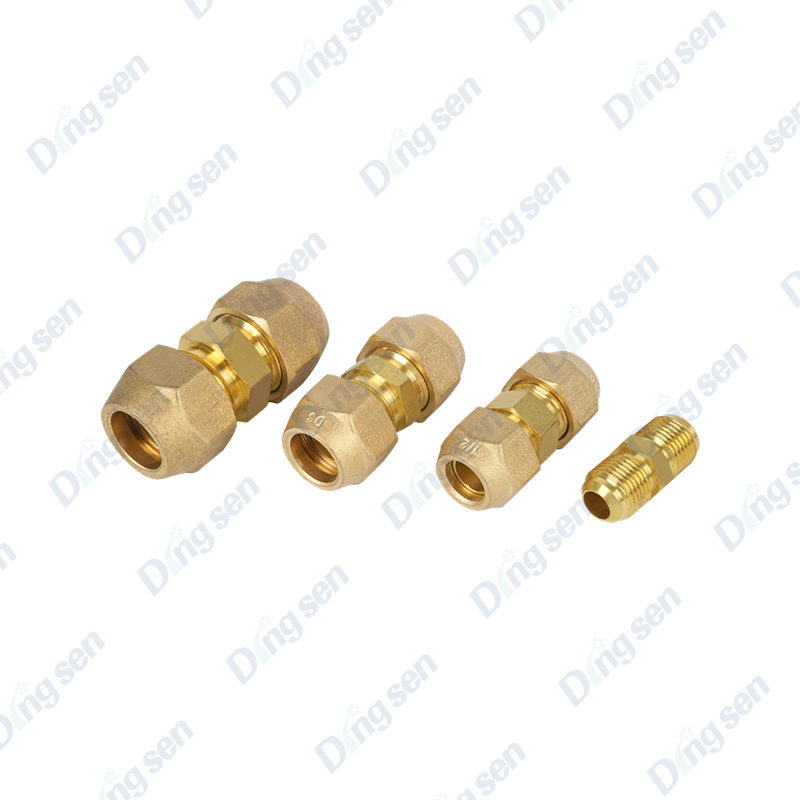
Air conditioning copper pipe duoble connector are core fittings for connecting t...
-
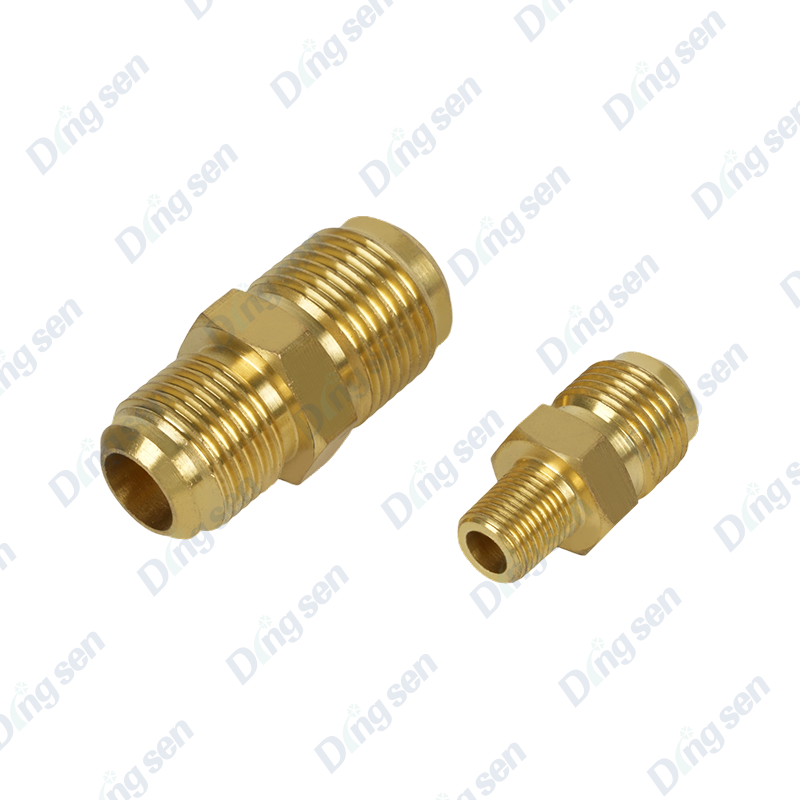
Air conditioning copper pipe reducing double joints are core fittings for connec...

Contact Us
-

No. 109 Jiefang Road, Diankou Town, Zhuji City, Shaoxing, Zhejiang Province
-

+86-13867581196
-

Copyright © shaoxing DingSen Refrigeration Technology Co Ltd. All Rights Reserved
OEM Refrigeration Parts Manufacturer Custom Automotive AC Parts Factory