
 en
en  Español
 عربى
عربى
Most solenoid valve callbacks start with a symptom rather than a theory. A walk in cooler runs all night and never reaches its set point. A heat pump reverses at the wrong moment. An ice machine floods the evaporator after shutdown. A technician then pulls the coil off, presses the plunger with a s...
READ MORERecommended Products
Brochure
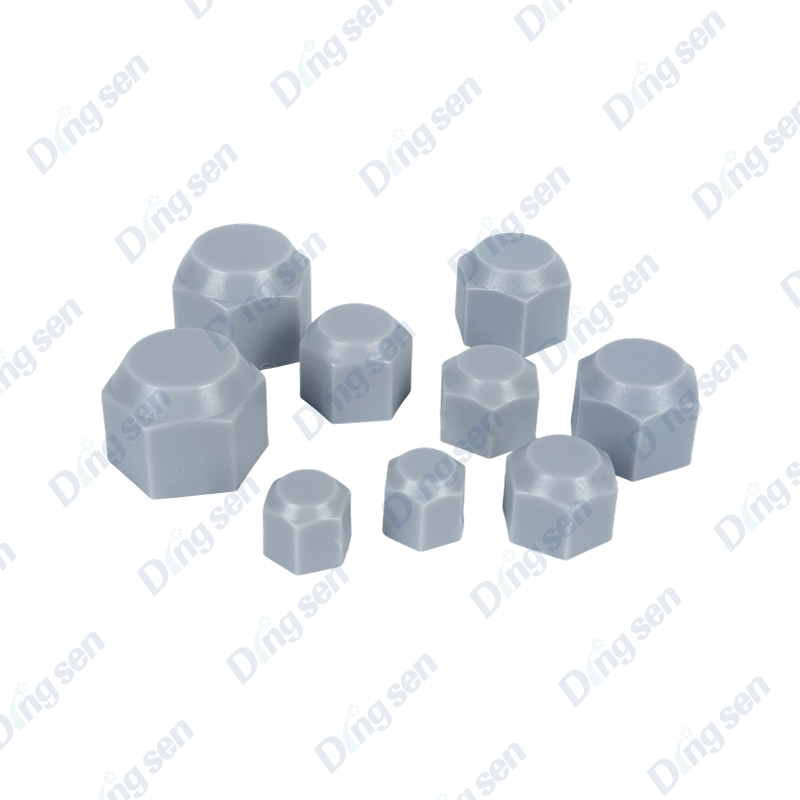
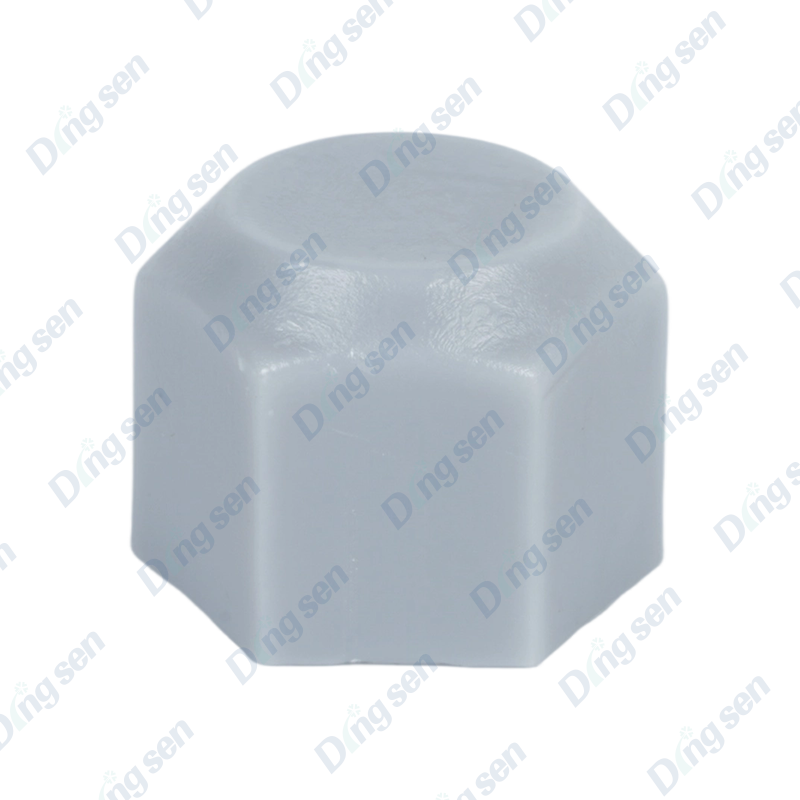
Air conditioning plastic nuts
Air conditioning plastic nuts are lightweight seals for connecting copper pipes in air conditioners. Made from high-strength engineering plastic, they are compatible with copper pipes of specific diameters. They utilize an internal sealing ring to seal the refrigerant, preventing metal corrosion and the risk of condensed water conduction.
They are suitable for use in indoor unit piping for residential air conditioners and in non-high-voltage connections for small refrigeration equipment.
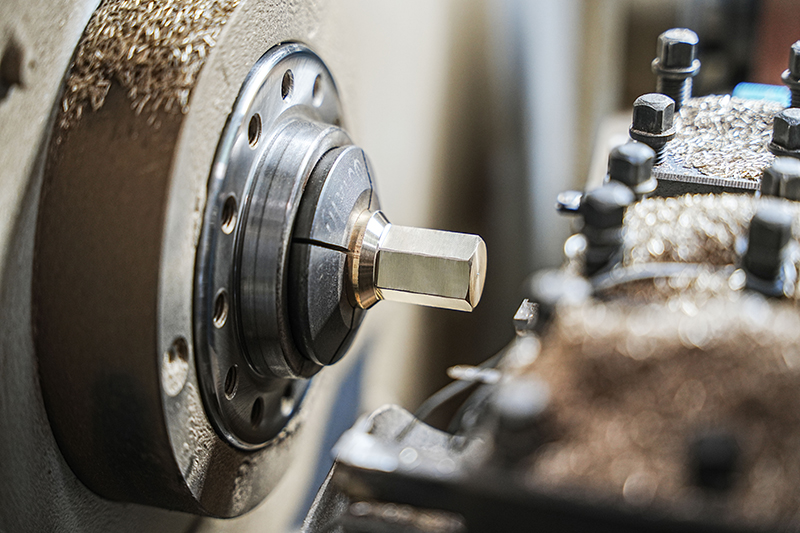
They are manufactured using weather-resistant plastic, injection-molded, and seal-tested, and are compatible with refrigerants R22/R410A.
Our service includes selection guidance. Advantages include lightweight, corrosion-resistant design, low cost, easy installation, and compatibility with non-high-voltage applications.
Air conditioning plastic nuts are lightweight, corrosion-resistant connectors for connecting copper pipes in air conditioners in non-high-voltage applications. Their core advantages are "corrosion resistance and safety + low-cost compatibility." They are precision-injected and feature an internal refrigerant-resistant nitrile rubber sealing ring (compatible with mainstream refrigerants such as R22 and R410A). Once tightened, they fit snugly into the copper pipe flare. The plastic material not only eliminates the risk of condensed water conduction from metal sodium connectors but also resists rust in humid environments, extending their service life. Weighing only one-third the weight of brass ferrites of the same specification, they reduce the load on piping. Their smooth, burr-free surface prevents scratches on hands or copper pipes during installation. They cover common pipe diameters for home air conditioners, such as 6mm and 9.52mm, and some models feature anti-misinstallation clips to prevent reverse installation. Costing less than metal ferrites, they are suitable for bulk purchases. Applications include non-high-pressure connections between indoor units and connecting pipes for wall-mounted or cabinet air conditioners, pipe sealing for small dehumidifiers and mobile air conditioners, and replacement of indoor pipe connectors during air conditioner after-sales repairs. They are particularly suitable for humid indoor environments or where safety is a concern, meeting sealing requirements while balancing safety and cost advantages.
-
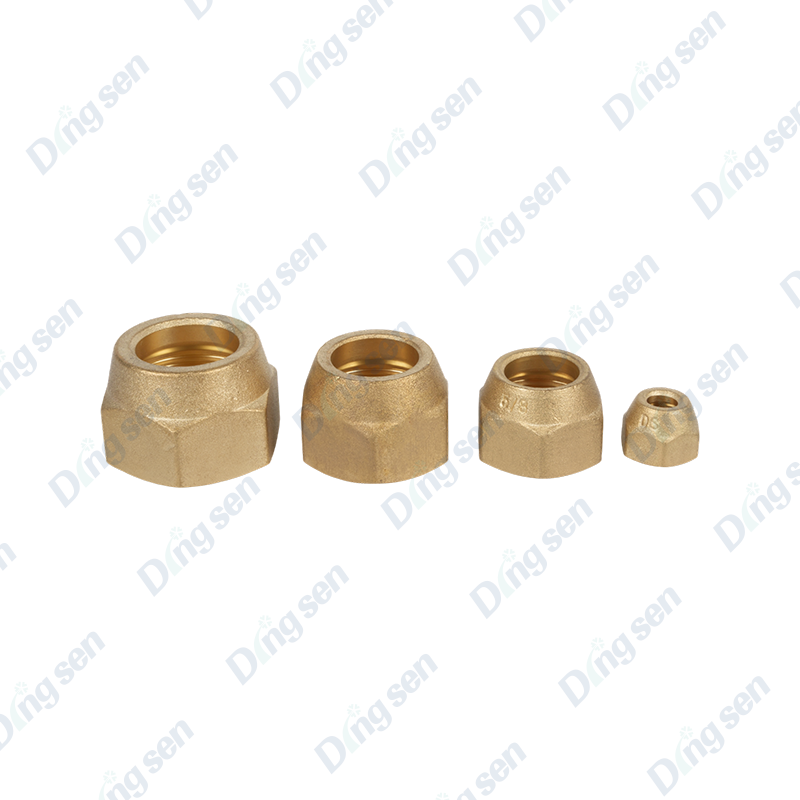
Air conditioning nuts are core fasteners for connecting copper pipes in air cond...
-
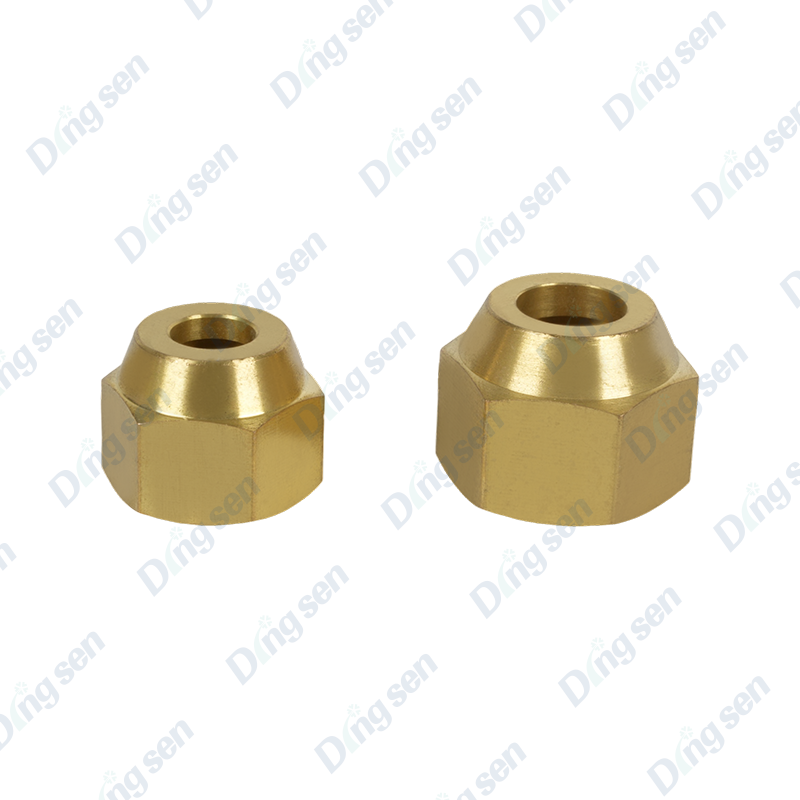
Air conditioning reducing nuts are sealed connectors for connecting copper pipes...
-
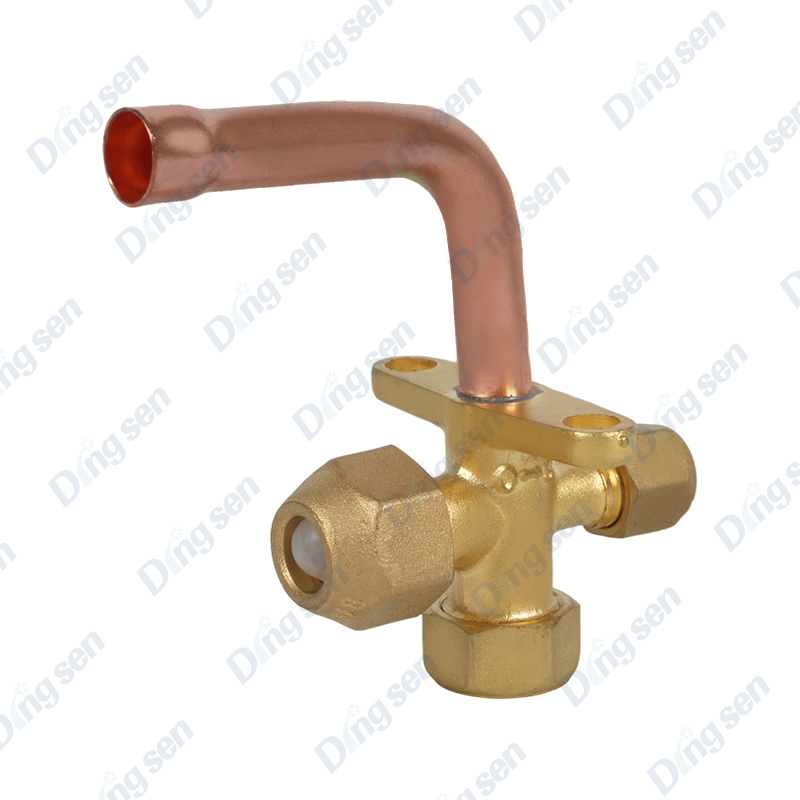
The air conditioning three-way valve is a key component for switching and contro...
-
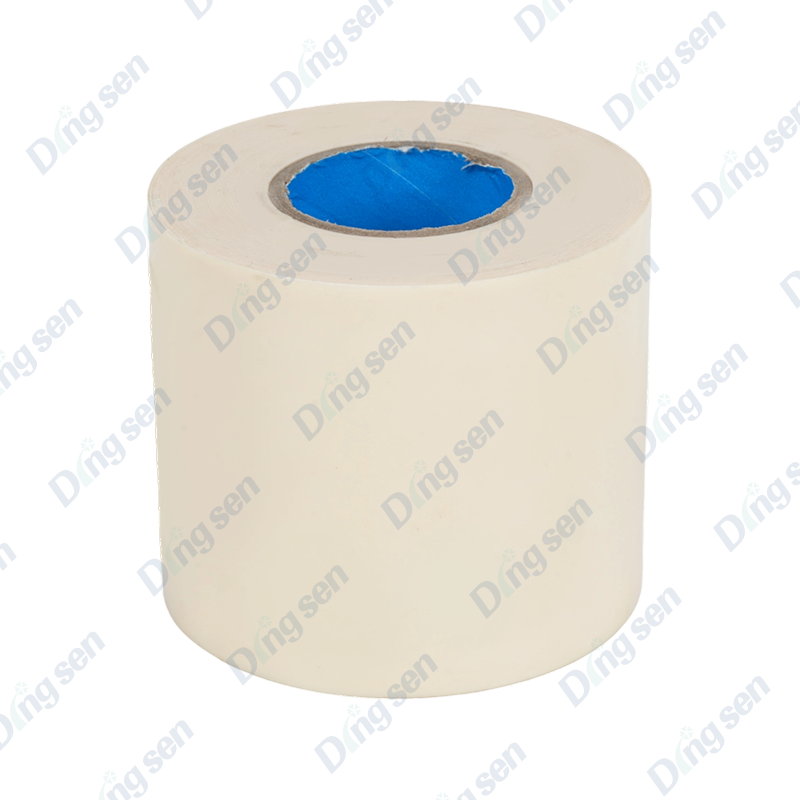
Air conditioning pipe bandage strip is used to secure and protect the pipes conn...
-
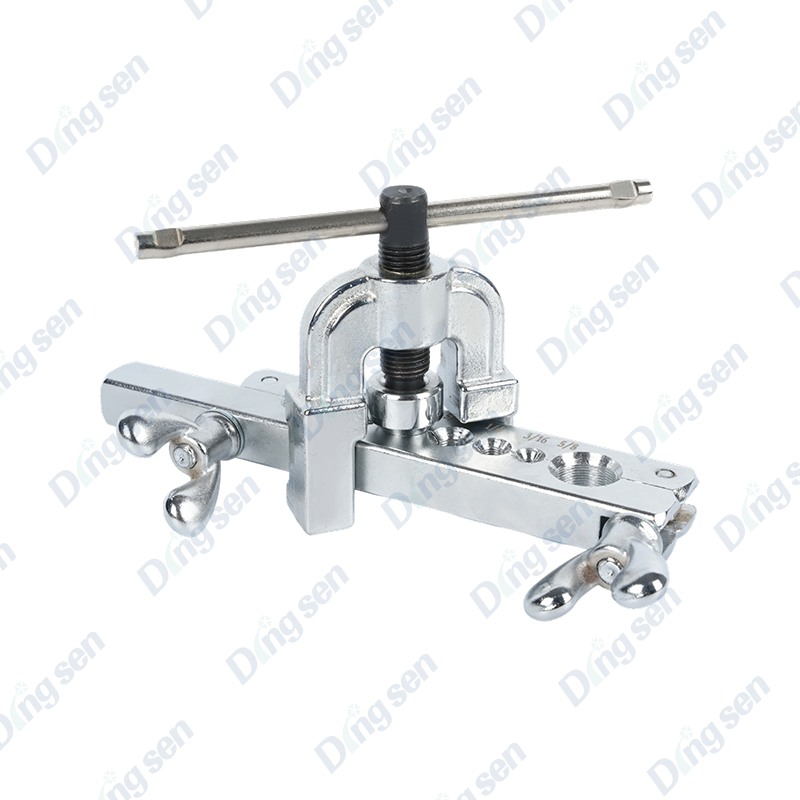
The air conditioning copper tube reamer is a specialized tool for connecting cop...
-
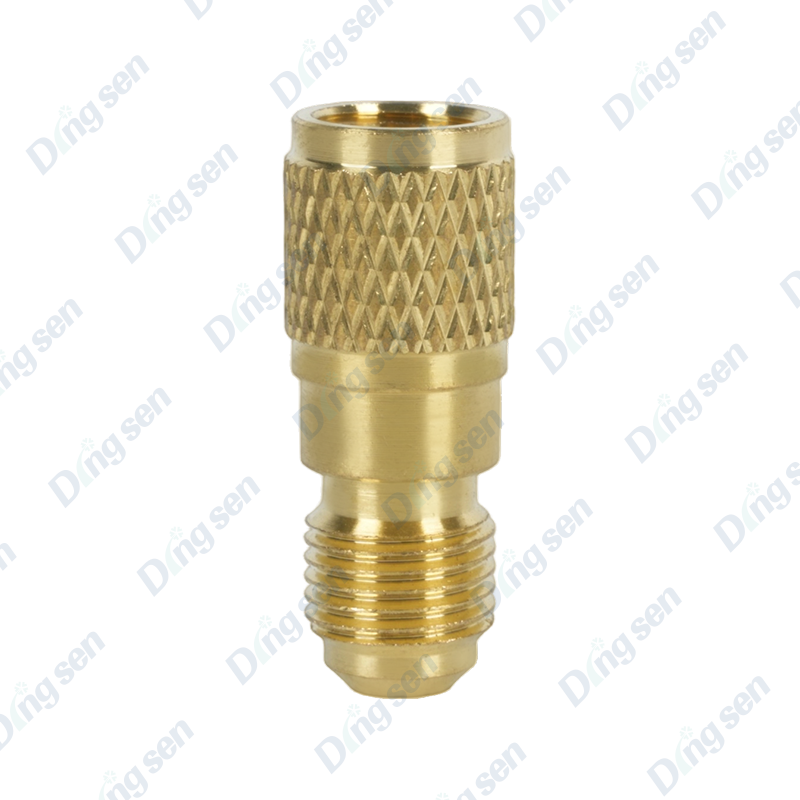
The air conditioning refrigerant charging adapter is an adapter fitting for air ...
About DingSen
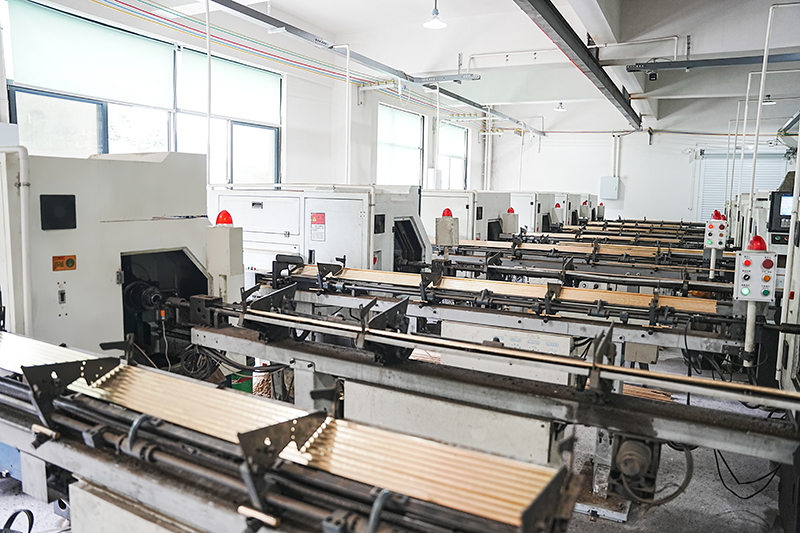
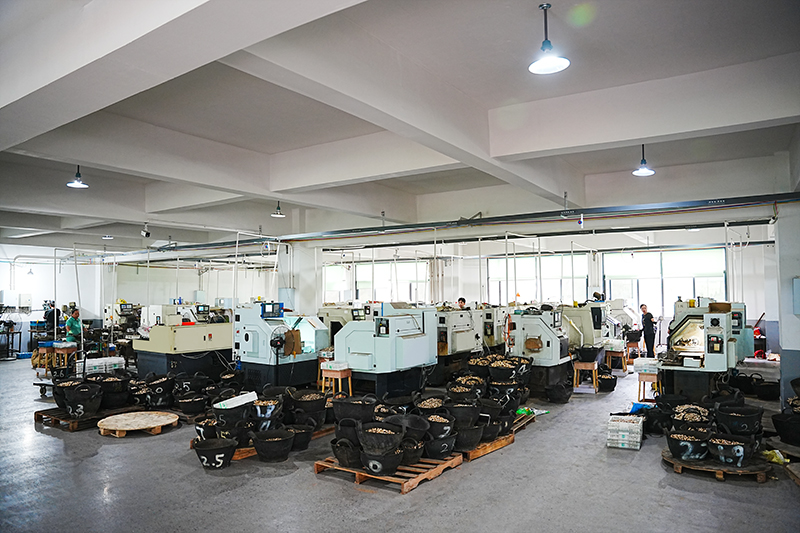
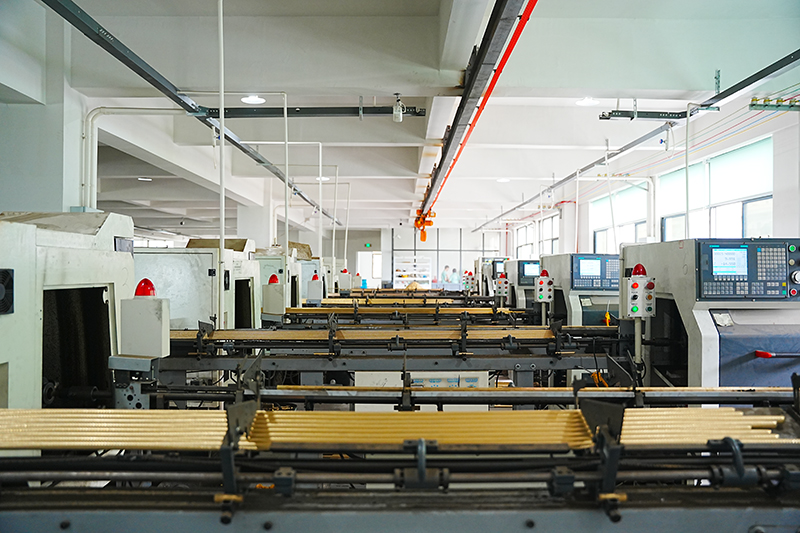
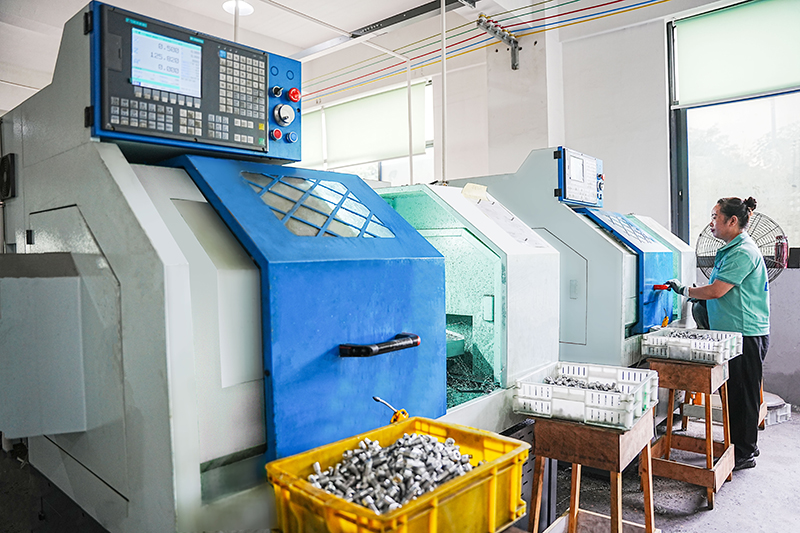
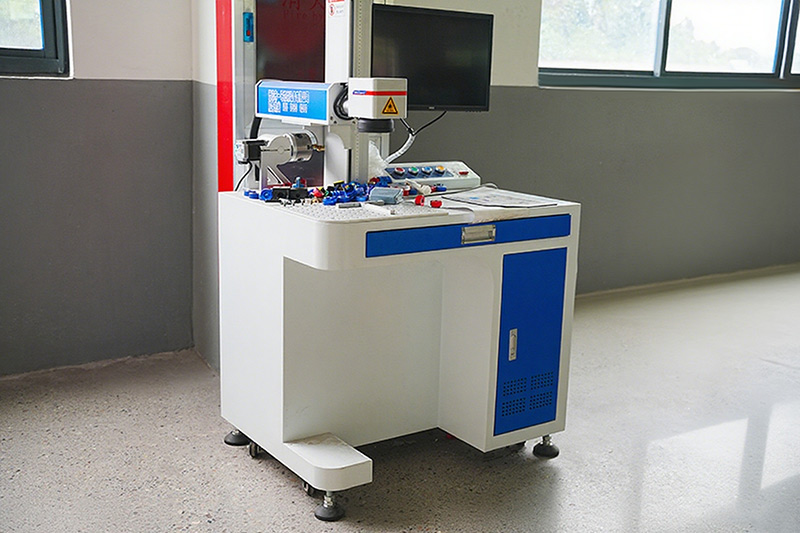
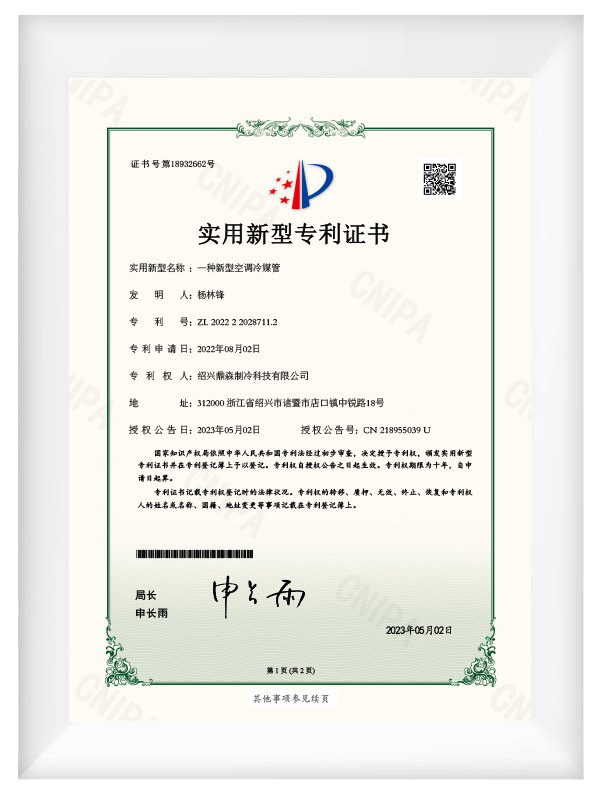
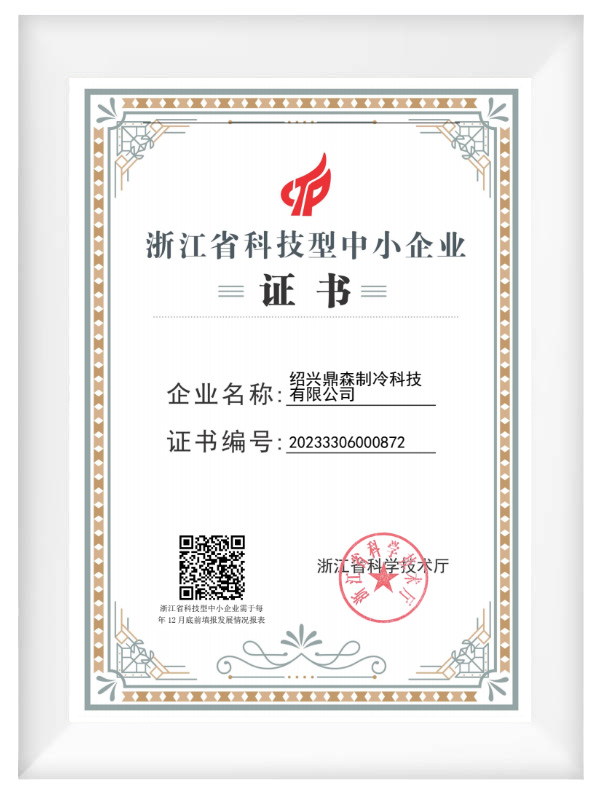
Shaoxing DingSen Refrigeration Technology Co., Ltd. founded in 2008, is a China Air conditioning plastic nuts Manufacturers and Air conditioning plastic nuts Factory, mainly producing refrigeration accessories and auto air-conditioning accessories. Having been established for more than 10 years, the company has since taken "Honesty and Innovation" as its goal, and "Superb Manufacture, Good Virtue, Serious Attitude, and High Quality" as its business philosophy. Guided by high-tech development, it adheres to a sustainable path of growth focused on quality and benefit.
Through continuous innovation and practice, the company has built a solid quality foundation and a guaranteed reputation in the manufacturing industry. Meanwhile, with efficient and high-quality service and a belief in mutual benefit, the company actively cooperates with businesses from all fields, constantly explores the market, and strives to create a better tomorrow.
- Dingsen: Refrigeration & auto AC parts since 2008.
- Decades of precision manufacturing.
- Durable evaporators, condensers, connectors.

shaoxing DingSen Refrigeration Technology Co Ltd.
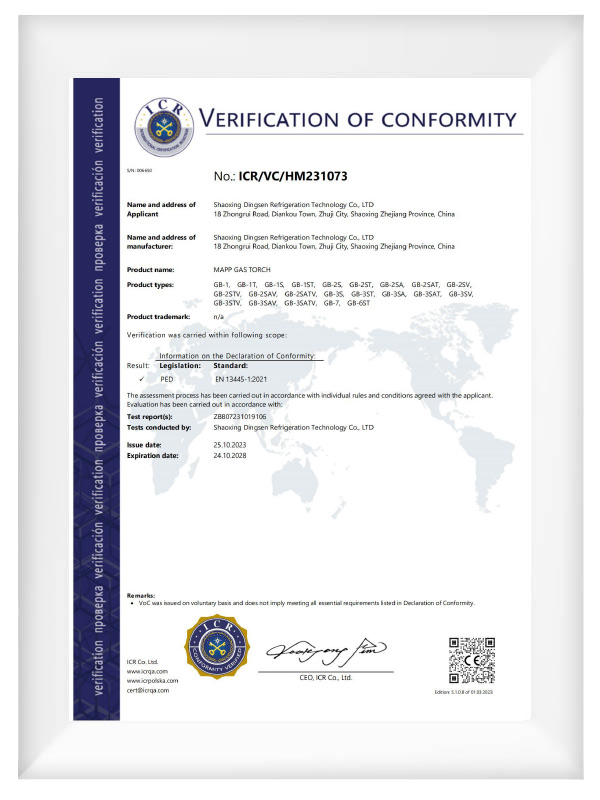
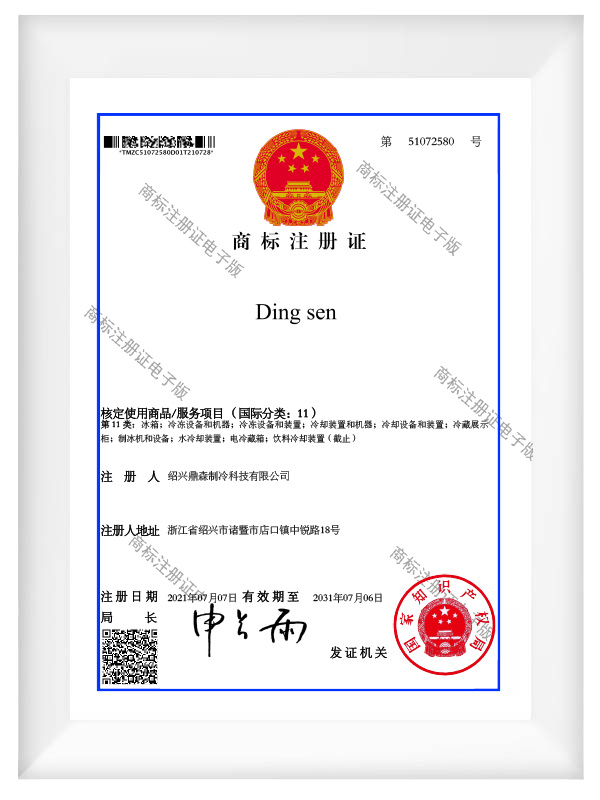
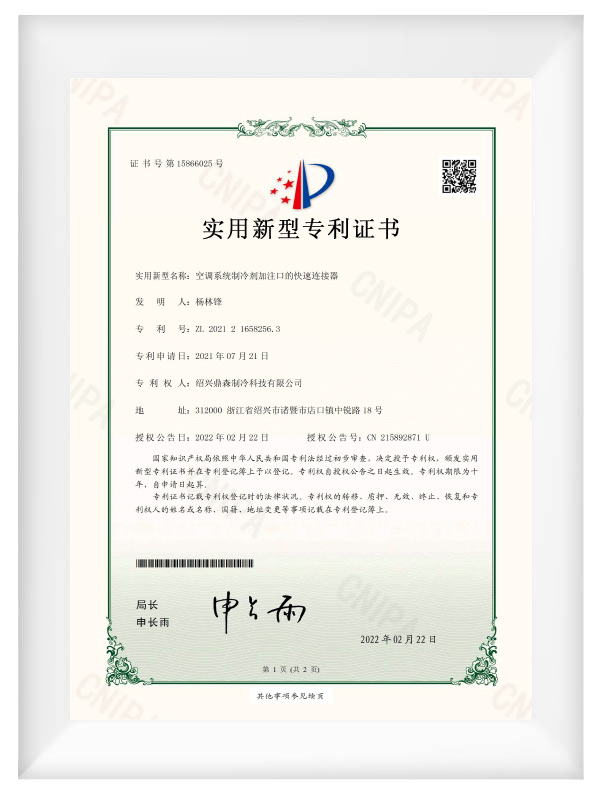
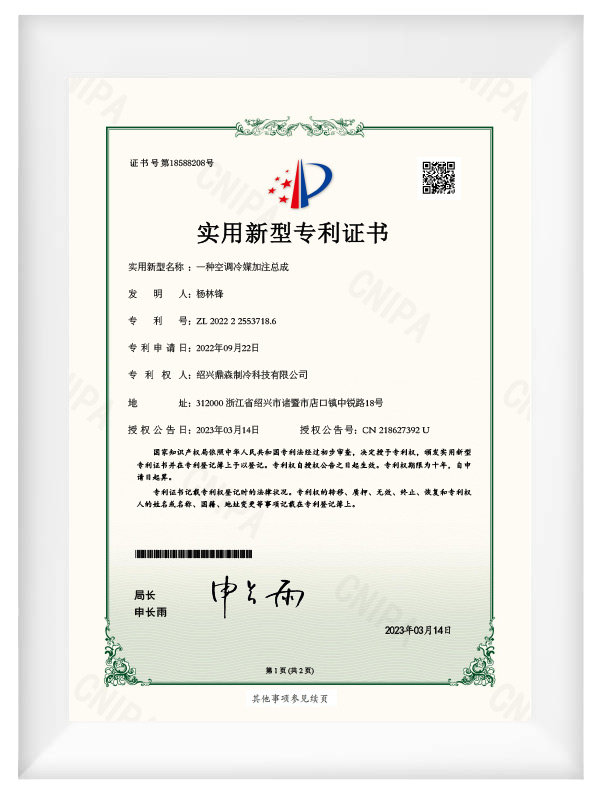
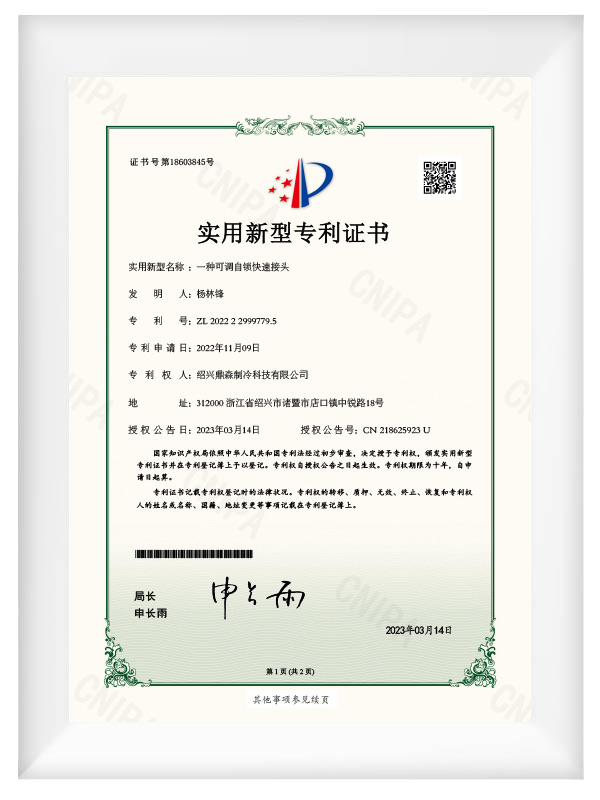
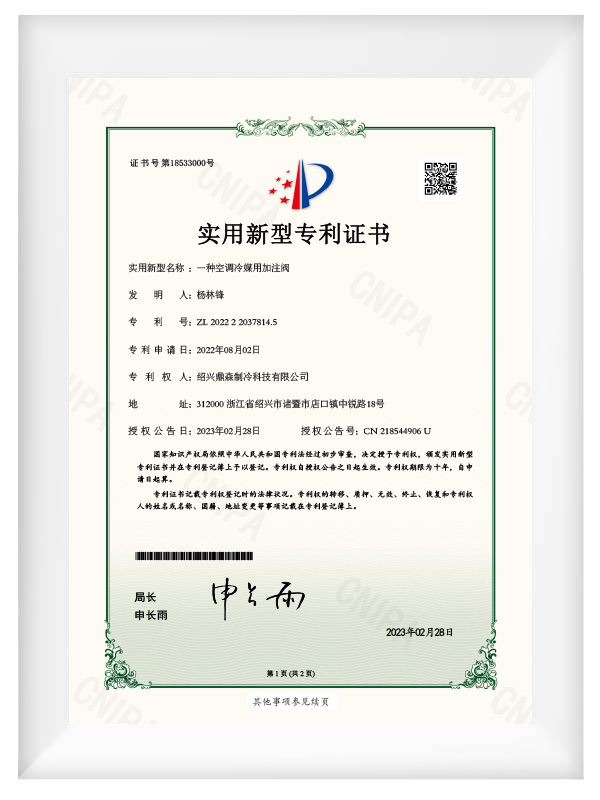
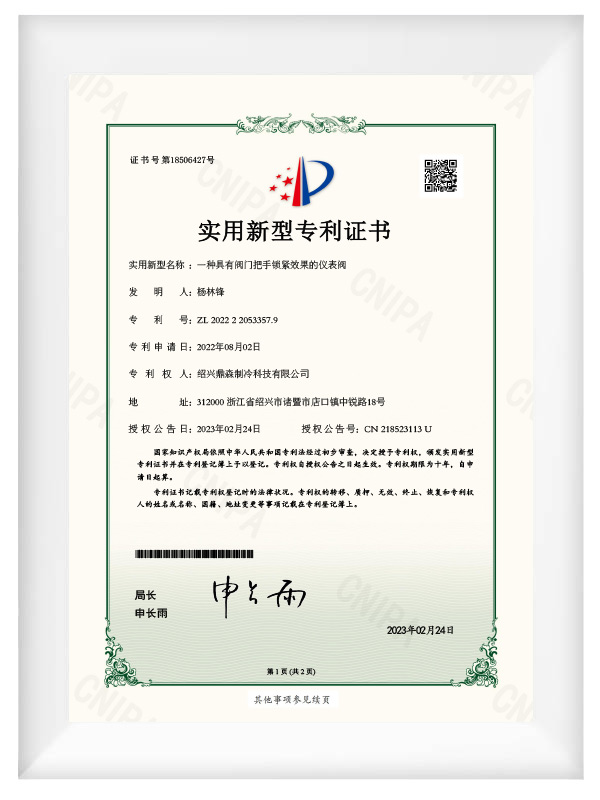
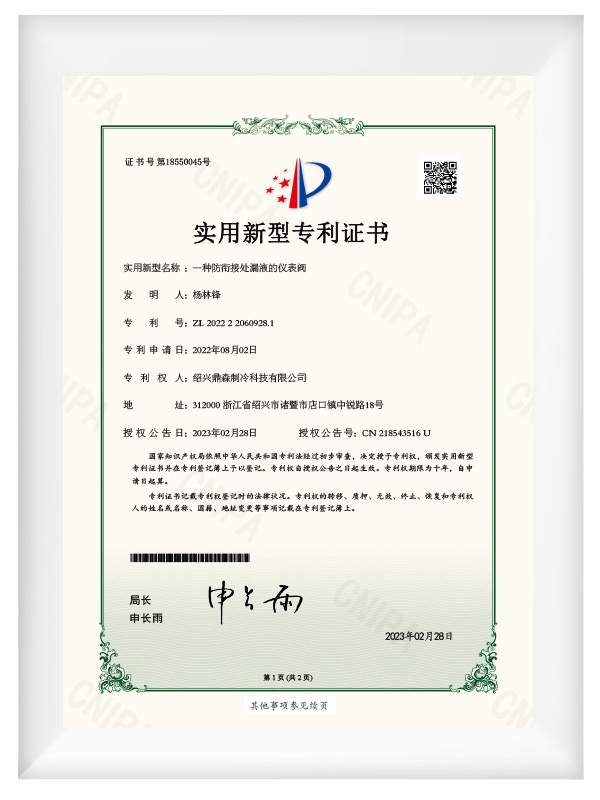
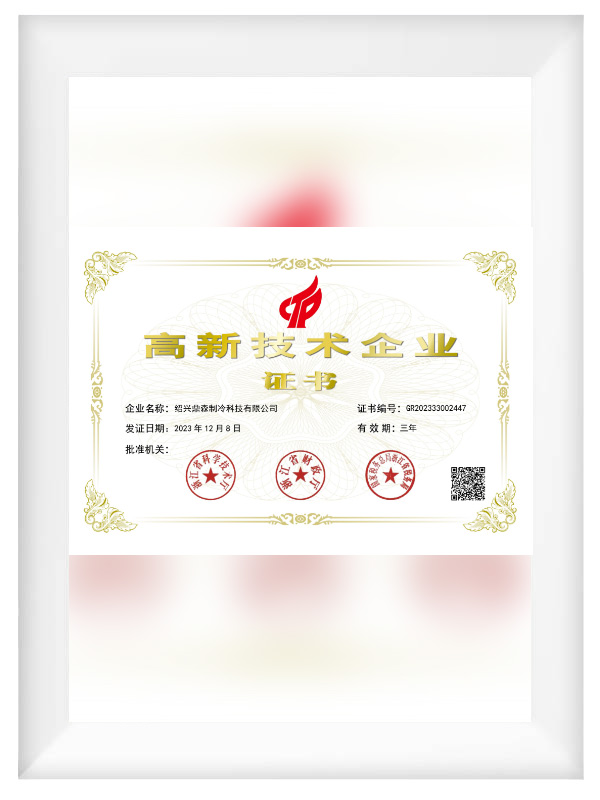
Certificate Of Honor
latest News
-
-
Hangzhou, China – October 22–24, 2026 Shaoxing DingSen Refrigeration Technology Co., Ltd., a China OEM refrigeration parts manufacturer and automotive AC parts factory, is pleased to announce its participation in the 2026 International Air Conditioning, Heating, Ventilation, Refrigeration and Cold...
READ MORE -
If a cold room drifts 2 K above its setpoint, then 3 K below it, and repeats that cycle every few minutes, the controller gets blamed before the sensor, the valve, or the door traffic does. Most of the time the hardware is fine and the loop settings are not. The short answer to how a PID controller...
READ MORE
CONTACT US
KEEP IN TOUCH
We are very glad that you come to DingSen to purchase or customize, and we
are confident to provide you with high-quality products and services.

Contact Us
-

No. 109 Jiefang Road, Diankou Town, Zhuji City, Shaoxing, Zhejiang Province
-

+86-13867581196
-

Copyright © shaoxing DingSen Refrigeration Technology Co Ltd. All Rights Reserved Air conditioning plastic nuts Manufacturers Air conditioning plastic nuts Factory
