
 en
en  Español
 عربى
عربى
How do you choose the right refrigerant bottle opener?
Choosing the right refrigerant bottle opener comes down to matching the tool's valve compatibility, material durability, and grip design to the specific cylinder types you regularly handle, rather than selecting based on price alone. Since refrigerant cylinders are pressurized containers with precision-machined valves, using an ill-fitting or poorly constructed opener increases the risk of thread damage, uncontrolled pressure release, and premature tool wear that ultimately costs more in replacement cylinders and repeat purchases than investing in the right tool from the start. Field maintenance data commonly referenced in HVAC service operations shows that technicians using properly fitted, purpose-built openers experience significantly fewer valve-related service issues compared to those relying on generic hand tools not designed for cylinder valve dimensions.
Content
- 1 Checking Valve Compatibility With Your Cylinder Types
- 2 Evaluating Material Quality and Build Durability
- 3 Considering Corrosion Resistance for Your Working Environment
- 4 Assessing Grip Design and Ergonomic Comfort
- 5 Comparing Fixed Versus Adjustable Opener Designs
- 6 Reviewing Safety Features Built Into the Tool
- 7 Weighing Cost Against Long-Term Value
- 8 Who Should Prioritize Which Selection Factors
Checking Valve Compatibility With Your Cylinder Types
Before evaluating any other feature, confirming that the opener fits the specific valve configurations you regularly work with is the first and most important selection criterion, since an ill-fitting tool undermines every other quality consideration.
Key Compatibility Factors
- Standard disposable refrigerant cylinders typically use common threaded valve connections
- Refillable cylinders may use slightly different valve profiles depending on the manufacturer
- Larger bulk commercial cylinders often require heavier-duty valve assemblies with different grip requirements
A properly sized Refrigerant Bottle Opener should accommodate the full range of cylinder types encountered in your typical service work, rather than fitting only one narrow valve configuration and requiring a second tool for other jobs.
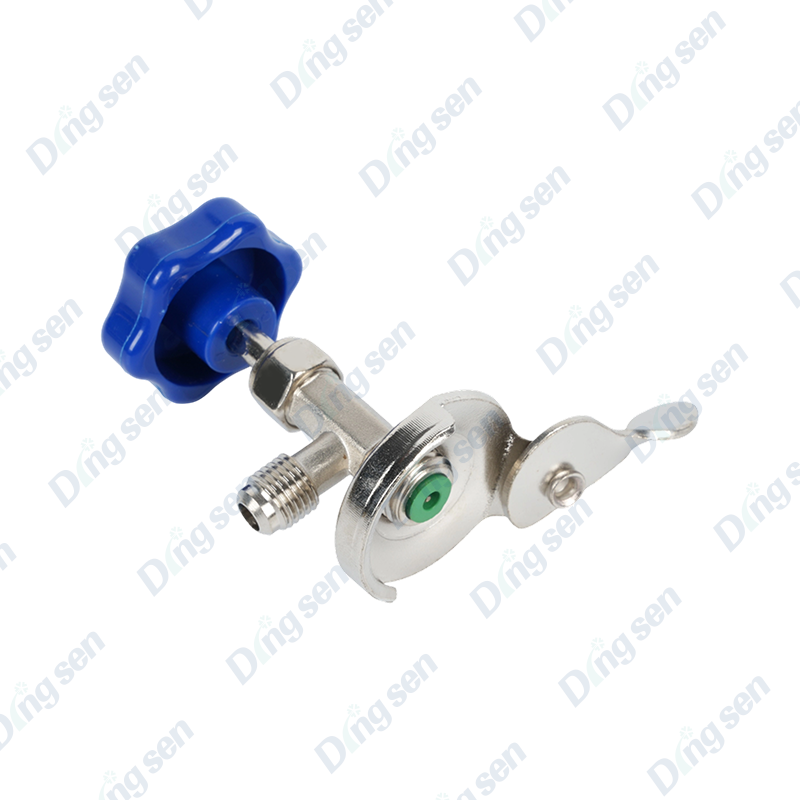
Evaluating Material Quality and Build Durability
Since these tools are used repeatedly in demanding field conditions, material quality directly affects how long the opener maintains its grip precision before wearing down and becoming less effective or reliable.
Material Comparison
| Material Type | Durability Characteristics |
| Standard carbon steel | Adequate strength, more prone to corrosion without coating |
| Hardened alloy steel | Higher wear resistance, holds grip precision longer |
Technicians using the tool daily across multiple service calls should prioritize hardened alloy construction, since lower-grade materials tend to lose grip accuracy more quickly under repeated use on cylinder valves.
Considering Corrosion Resistance for Your Working Environment
Where and how often the tool will be used significantly affects which corrosion resistance features matter most during selection, particularly for technicians working in humid or outdoor conditions.
Environmental Considerations
- Technicians working primarily indoors in climate-controlled settings have lower corrosion risk exposure
- Field technicians working outdoors or in humid climates benefit significantly from corrosion-resistant coatings
- Tools stored in service vehicles exposed to temperature and humidity swings need more robust protective finishes
Choosing a tool with an appropriate protective coating for your specific working conditions helps prevent the gradual performance degradation that moisture exposure can cause over months or years of regular use.
Assessing Grip Design and Ergonomic Comfort
Since this tool is used repeatedly throughout a technician's workday, handle design and grip comfort directly affect both efficiency and physical strain during extended use across multiple service calls.
Ergonomic Features to Look For
- A textured or rubberized handle surface that maintains grip even with wet or oily hands
- Handle length proportioned to provide adequate leverage without requiring excessive force
- A comfortable grip profile that reduces hand fatigue during repeated daily use
Technicians managing several service jobs per day particularly benefit from prioritizing ergonomic grip design, since reduced hand fatigue directly supports maintaining consistent technique and control throughout a full workday.
Comparing Fixed Versus Adjustable Opener Designs
Some refrigerant bottle openers are designed for a single valve size, while others offer adjustable jaw or grip mechanisms capable of accommodating multiple cylinder diameters within one tool.
Fixed Size Tool Advantages
Fixed-size openers designed for one specific valve type often provide a more secure, precise fit for that particular cylinder configuration, reducing the risk of slippage compared to adjustable alternatives working at the edge of their range.
Adjustable Tool Advantages
For technicians regularly working across varied cylinder types and valve sizes, an adjustable opener offers practical versatility, reducing the need to carry multiple single-purpose tools for different job requirements.
Reviewing Safety Features Built Into the Tool
Beyond basic functionality, certain design features specifically support safer cylinder handling, which is worth prioritizing given the pressurized nature of refrigerant cylinders.
Safety-Focused Design Elements
Look for tools designed to grip and rotate the valve gradually, supporting controlled pressure release rather than sudden opening, along with a design that minimizes the risk of the tool slipping off the valve mid-use, which could otherwise cause hand injury or an uncontrolled release.
Weighing Cost Against Long-Term Value
While budget is always a practical consideration, evaluating total value rather than just upfront price helps ensure the selected tool performs reliably across its expected service life.
| Consideration | Long-Term Impact |
| Lower-cost, lower-grade tool | Faster wear, potential for valve damage over time |
| Higher-quality, properly fitted tool | Longer service life, reduced risk of cylinder damage |
For technicians using a Refrigerant Bottle Opener daily, investing in a higher-quality tool often proves more cost-effective over time than repeatedly replacing a lower-grade option that wears out or causes cylinder valve damage requiring costly replacement.
Who Should Prioritize Which Selection Factors
Full-time HVAC technicians handling multiple cylinder types daily should prioritize valve compatibility range and hardened material construction above all else, since these factors most directly affect daily reliability. Field technicians working primarily outdoors should place additional emphasis on corrosion resistance, while those managing physically demanding, high-volume service schedules should prioritize ergonomic grip design to reduce cumulative hand fatigue across repeated daily use.
-
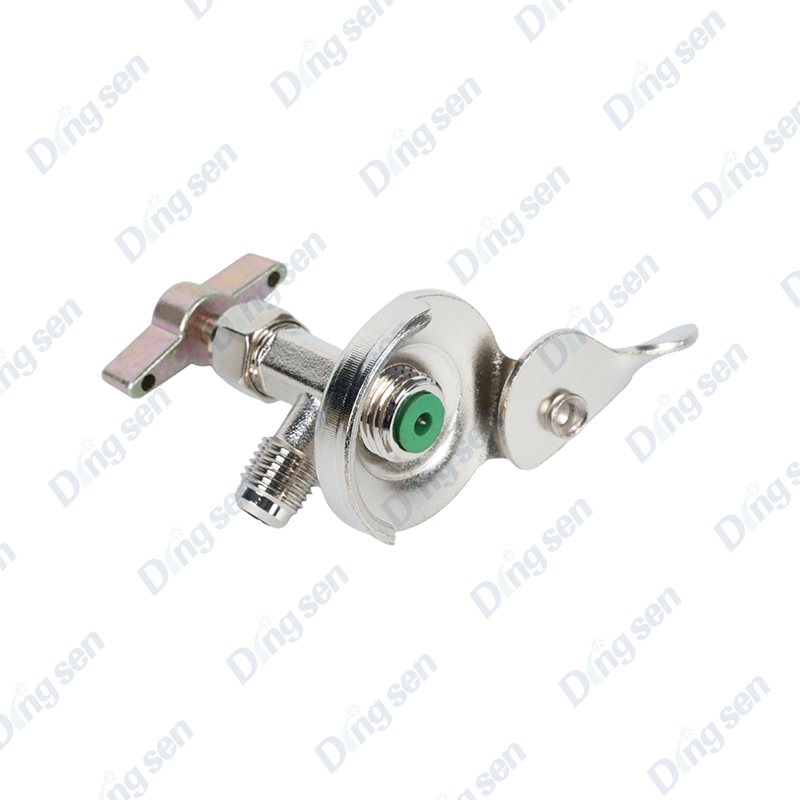
Universal faucet refrigerant bottle opener industrial valve is designed specific...
-

The dispensing valve refrigerant bottle opener is a metal valve-style bottle ope...
-
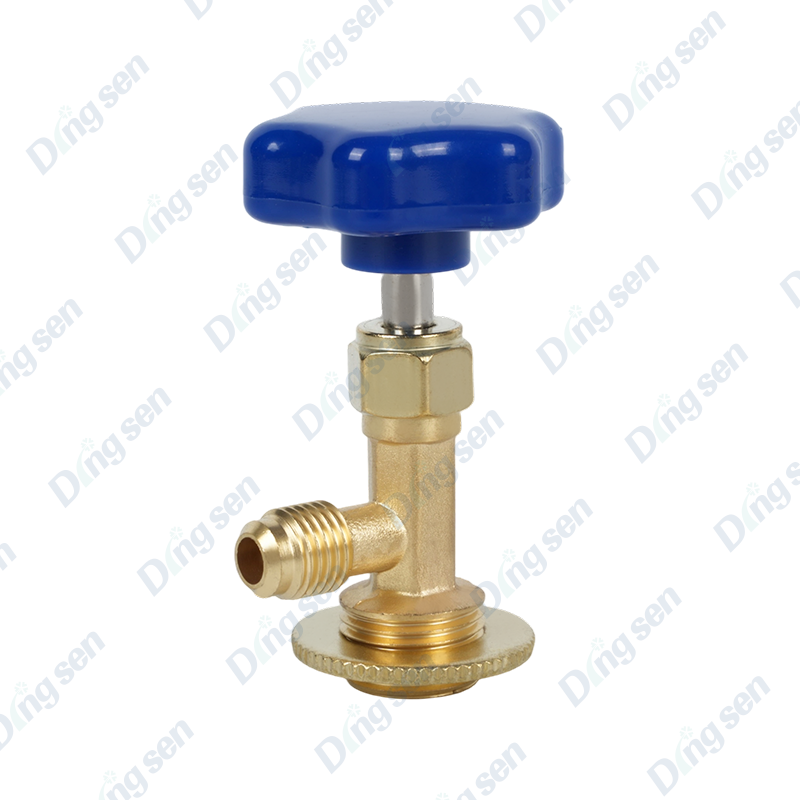
Metal knob refrigerant bottle opener is designed for repairing and maintaining r...
-
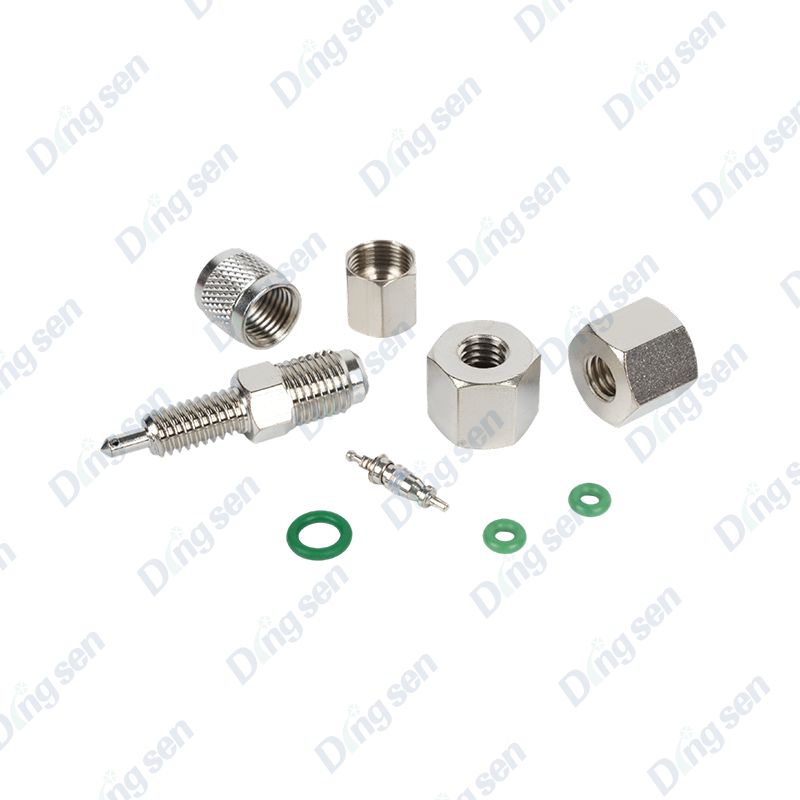
The nut parts refrigerant bottle opener is an efficient bottle opening and pipe ...
-
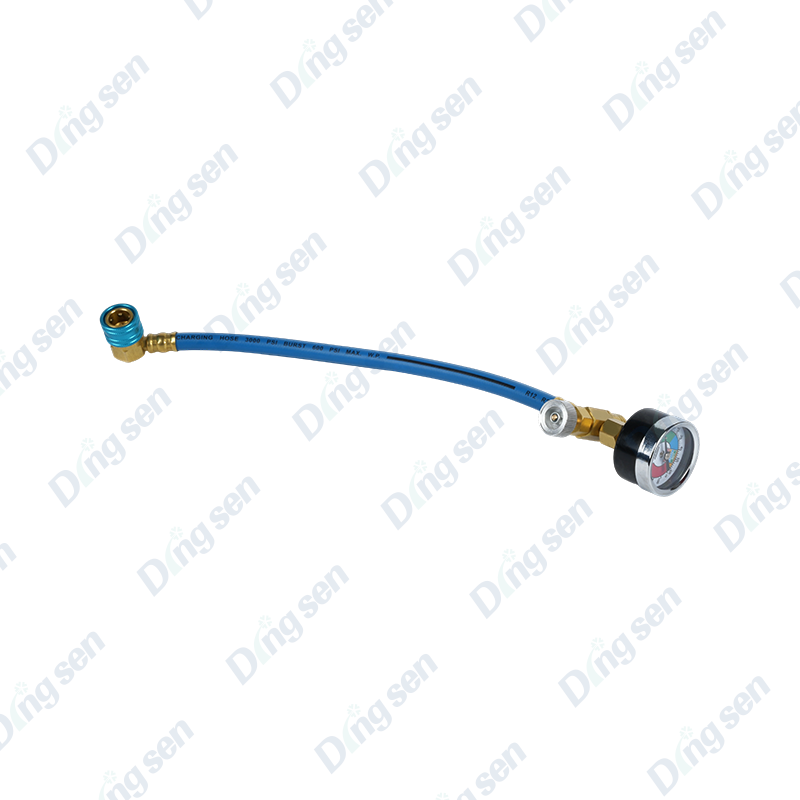
The air conditioning refrigerant filling tool is a professional repair accessory...
-
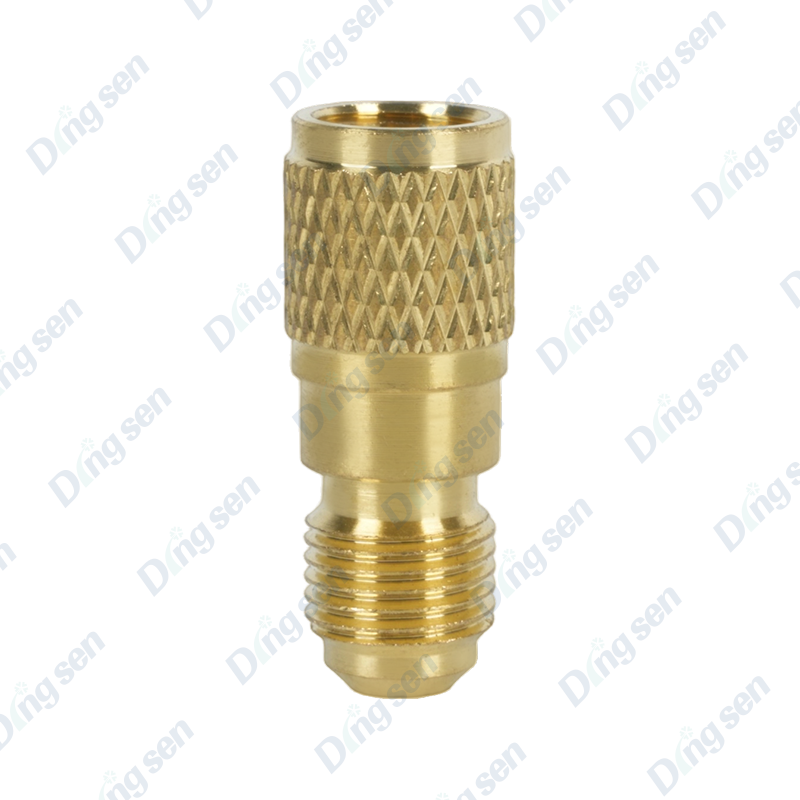
The air conditioning refrigerant charging adapter is an adapter fitting for air ...

Contact Us
-

No. 109 Jiefang Road, Diankou Town, Zhuji City, Shaoxing, Zhejiang Province
-

+86-13867581196
-

Copyright © shaoxing DingSen Refrigeration Technology Co Ltd. All Rights Reserved
OEM Refrigeration Parts Manufacturer Custom Automotive AC Parts Factory