
 en
en  Español
 عربى
عربى
Why use a refrigerant bottle opener?
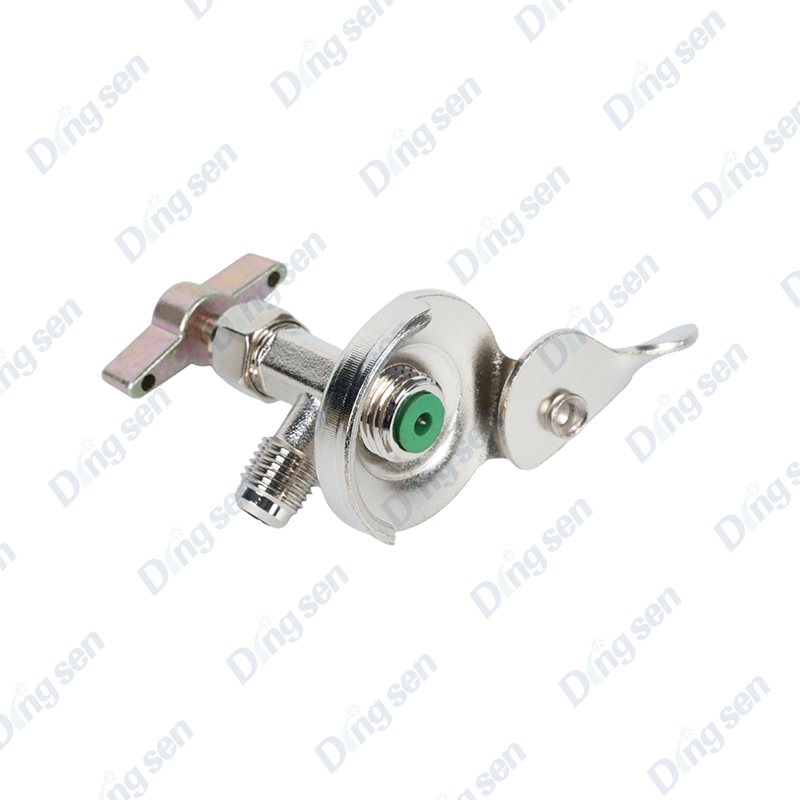
A refrigerant bottle opener is used to safely and precisely open sealed refrigerant cylinders without damaging the valve threads, risking sudden gas release, or contaminating the refrigerant with debris. Refrigerant cylinders are pressurized containers, and using improvised tools such as pliers or wrenches not designed for this purpose can strip valve threads or cause an uncontrolled pressure release that puts technicians at risk. HVAC safety guidelines commonly referenced by refrigeration technicians recommend purpose-built opening tools specifically because improper cylinder handling is a recognized cause of workplace injury in refrigerant handling environments, making a dedicated opener a practical safety investment rather than an optional convenience item.
Content
- 1 Preventing Valve and Thread Damage
- 2 Reducing the Risk of Sudden Pressure Release
- 3 Protecting Refrigerant Purity and Preventing Contamination
- 4 Improving Efficiency During Routine HVAC Service
- 5 Compatibility With Different Cylinder Types
- 6 Durability and Material Considerations
- 7 Safety Practices When Using a Refrigerant Bottle Opener
- 8 Who Should Invest in a Dedicated Refrigerant Bottle Opener
Preventing Valve and Thread Damage
Refrigerant cylinder valves are precision-machined components designed to seal tightly under pressure, and using the wrong tool to open them can easily damage the threading or valve seat, leading to slow leaks that waste refrigerant and compromise safety.
Common Damage Risks From Improper Tools
- Stripped valve threads from using generic pliers or adjustable wrenches with excessive force
- Cracked valve seats caused by uneven pressure applied during forced opening
- Cross-threading when reattaching valve caps after improper initial opening
Using a properly sized refrigerant bottle opener distributes force evenly across the valve fitting, significantly reducing the risk of thread damage compared to tools not specifically designed for cylinder valve dimensions.
Reducing the Risk of Sudden Pressure Release
Refrigerant cylinders are stored under significant internal pressure, and opening one incorrectly can cause a sudden release of gas that poses both a safety hazard and an environmental concern.
Why Controlled Opening Matters
| Opening Method | Risk Level |
| Purpose-built refrigerant bottle opener | Low, controlled release |
| Generic pliers or wrench | Higher, uneven force application |
A dedicated opener is designed to grip and rotate the valve in a controlled, gradual motion, which helps technicians release pressure slowly rather than risking a sudden burst that could cause frostbite injury or forceful gas expulsion.
Protecting Refrigerant Purity and Preventing Contamination
Beyond safety, a refrigerant bottle opener also helps maintain the purity of the refrigerant itself, since damaged valves or improperly sealed openings can allow moisture, dirt, or air to enter the cylinder over time.
How Contamination Affects System Performance
Even small amounts of moisture or air introduced through a damaged valve can affect refrigerant performance once charged into an HVAC system, potentially leading to reduced cooling efficiency or accelerated component wear over time.
Maintaining a Clean Seal
Properly designed openers minimize the risk of debris entering the valve opening during use, helping technicians maintain refrigerant quality from the cylinder all the way through to system charging.
Improving Efficiency During Routine HVAC Service
For technicians handling multiple refrigerant cylinders throughout a workday, using the correct tool also improves overall efficiency, since properly designed openers reduce the time and effort needed compared to improvised alternatives.
Time Savings in Daily Use
- Quick, secure grip reduces fumbling or repeated attempts to engage the valve properly
- Ergonomic handle design reduces hand fatigue during repeated use across multiple service calls
- Consistent fit across standard cylinder valve sizes reduces the need for multiple tool types
For technicians managing several service jobs per day, these small efficiency gains add up, reducing overall time spent on cylinder handling tasks that are secondary to the actual repair work being performed.
Compatibility With Different Cylinder Types
Refrigerant cylinders come in various sizes and valve configurations, and understanding compatibility helps technicians select the right opener for their specific equipment needs.
Common Cylinder Valve Configurations
- Standard disposable refrigerant cylinders with common threaded valve connections
- Refillable cylinders that may use slightly different valve profiles depending on manufacturer
- Larger bulk cylinders used in commercial refrigeration servicing with heavier-duty valve assemblies
Checking valve compatibility before purchasing a refrigerant bottle opener helps ensure the tool fits securely across the range of cylinder types a technician regularly encounters in daily service work.
Durability and Material Considerations
Since refrigerant bottle openers are used repeatedly in demanding field conditions, material quality directly affects how long the tool remains effective before showing signs of wear.
Material Choices for Long-Term Use
Openers manufactured from hardened steel or similar durable alloys tend to hold their grip precision longer than lower-grade metal alternatives, which can wear down and lose grip accuracy after repeated use on cylinder valves.
Corrosion Resistance for Field Use
Technicians working in humid or outdoor environments should look for openers with corrosion-resistant coatings, since exposure to moisture over time can otherwise degrade tool performance and shorten its usable lifespan.
Safety Practices When Using a Refrigerant Bottle Opener
Even with the correct tool, following proper handling procedures remains essential for safe refrigerant cylinder use in any HVAC service environment.
Recommended Safety Steps
Technicians should always wear appropriate eye and hand protection when opening refrigerant cylinders, ensure the cylinder is positioned upright and stable during the opening process, and open valves slowly to allow controlled pressure equalization rather than a rapid release.
Who Should Invest in a Dedicated Refrigerant Bottle Opener
HVAC technicians, refrigeration service professionals, and maintenance teams that regularly handle refrigerant cylinders as part of their daily work benefit most from investing in a purpose-built refrigerant bottle opener. Even occasional users working with refrigerant cylinders during seasonal maintenance tasks reduce their risk of valve damage and safety incidents significantly by using the correct tool rather than relying on generic hand tools not designed for pressurized cylinder handling.
-
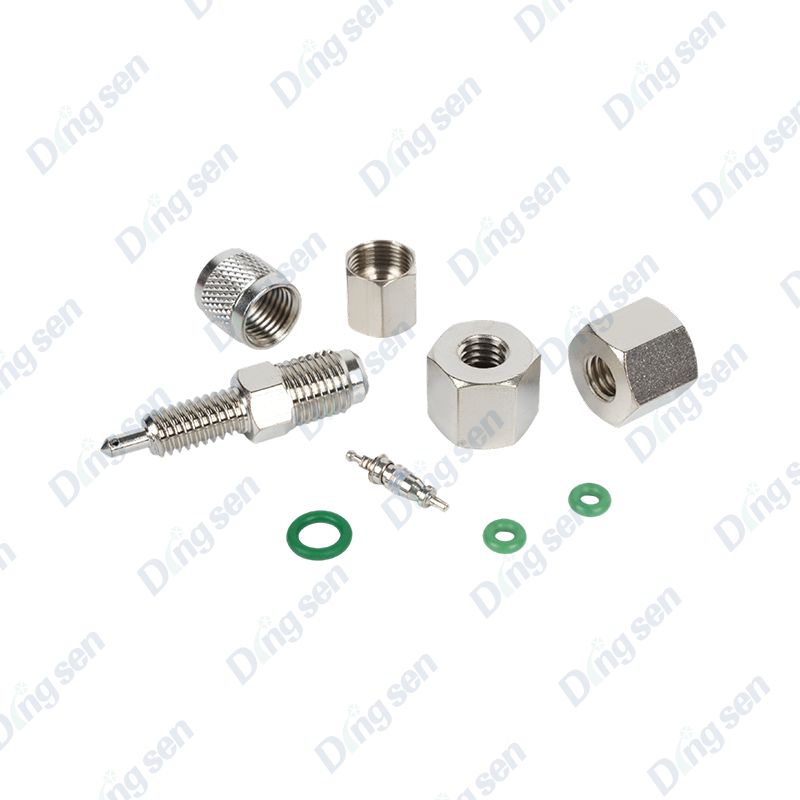
The nut parts refrigerant bottle opener is an efficient bottle opening and pipe ...
-
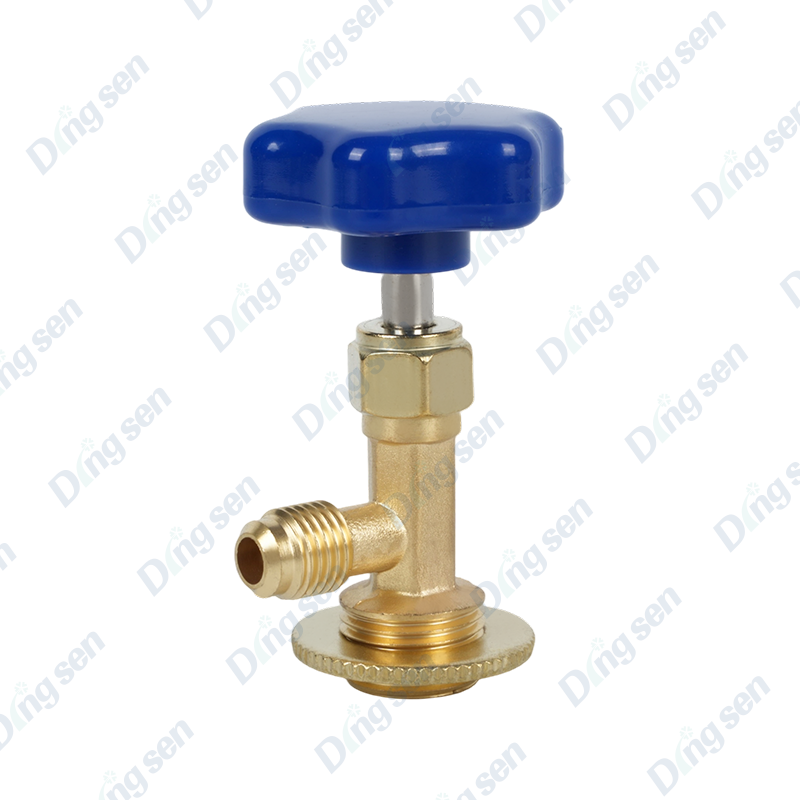
Metal knob refrigerant bottle opener is designed for repairing and maintaining r...
-
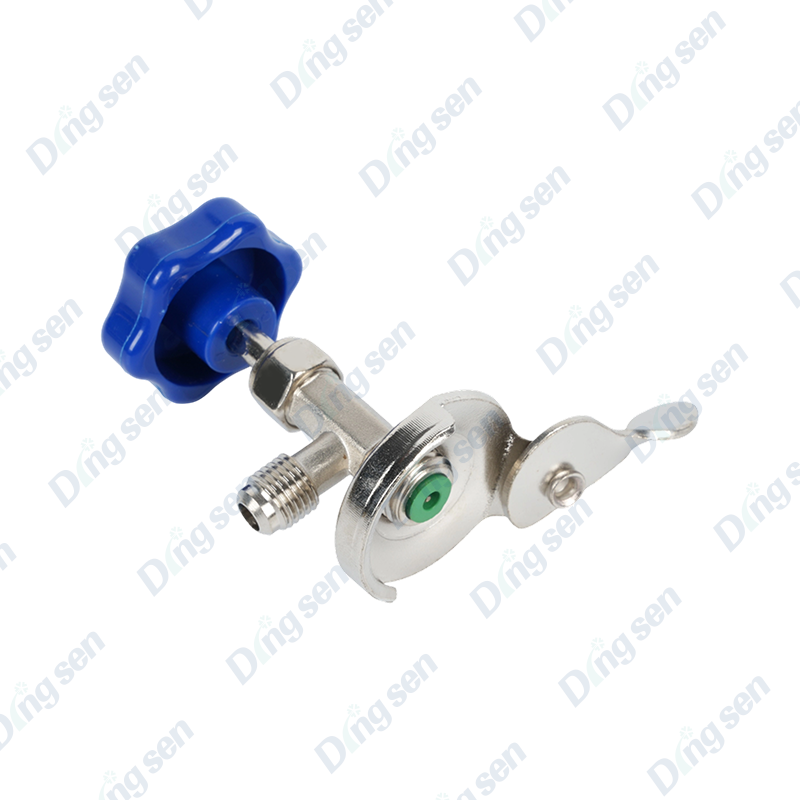
The dispensing valve refrigerant bottle opener is a metal valve-style bottle ope...
-

Universal faucet refrigerant bottle opener industrial valve is designed specific...
-
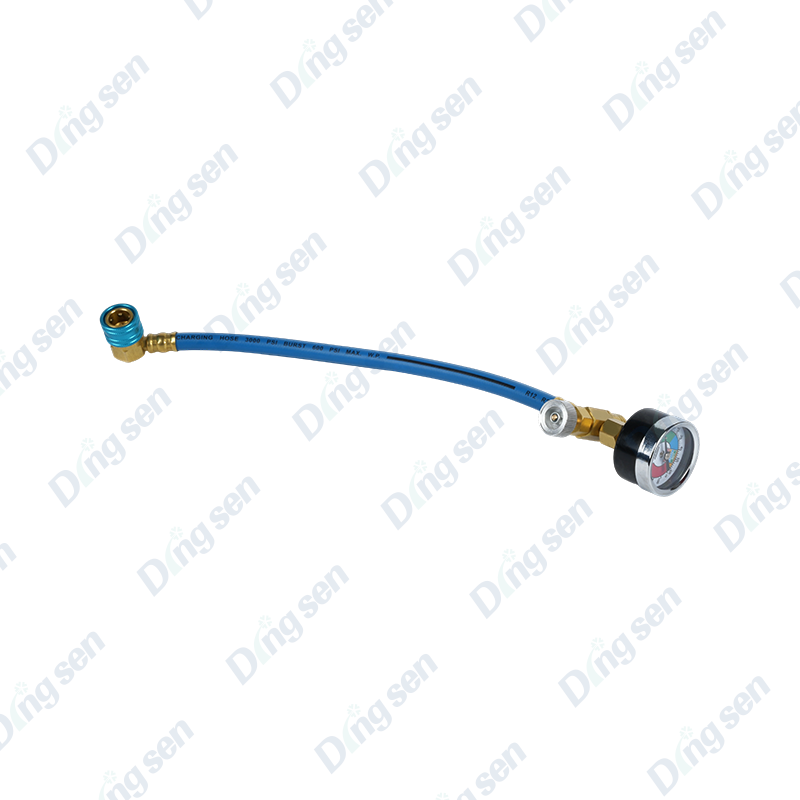
The air conditioning refrigerant filling tool is a professional repair accessory...
-
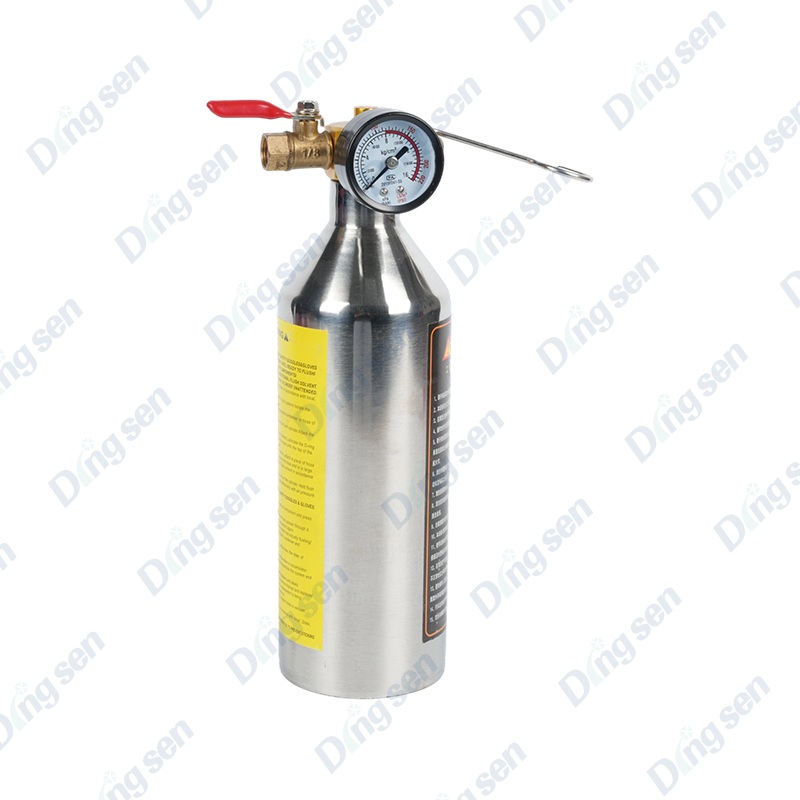
The stainless steel car air conditioning pipe cleaning bottle has a capacity of ...

Contact Us
-

No. 109 Jiefang Road, Diankou Town, Zhuji City, Shaoxing, Zhejiang Province
-

+86-13867581196
-

Copyright © shaoxing DingSen Refrigeration Technology Co Ltd. All Rights Reserved
OEM Refrigeration Parts Manufacturer Custom Automotive AC Parts Factory