
 en
en  Español
 عربى
عربى
Wet Rag Heat Blocking Putty: What It Is, How It Works, and How to Use It Safely
During brazing or soldering, heat travels far beyond the joint. A wet rag heat blocking putty is a simple but effective barrier that absorbs heat and prevents damage to nearby copper pipes, aluminum components, valves, and painted surfaces. It is not a high-tech product, but it solves a real problem that every HVAC technician and refrigeration repair professional faces: how to keep unwanted heat away from parts that cannot tolerate it.
This article explains what wet rag heat blocking putty is, why it works, how to use it correctly, and how it compares with other heat protection methods. We also share practical guidelines so you can avoid common mistakes and protect expensive components during every brazing job.
Content
- 1 What Is Wet Rag Heat Blocking Putty?
- 2 Why Use Heat Blocking Putty Instead of Just a Wet Rag?
- 3 Where Wet Rag Heat Blocking Putty Is Used
- 4 How to Use Wet Rag Heat Blocking Putty: Step by Step
- 5 Heat Blocking Putty vs. Other Heat Protection Methods
- 6 Performance Data: How Much Heat Does the Putty Block?
- 7 What to Look for When Buying Heat Blocking Putty
- 8 Common Mistakes and How to Avoid Them
- 9 Is Wet Rag Heat Blocking Putty Necessary for Every Brazing Job?
- 10 Final Recommendations
What Is Wet Rag Heat Blocking Putty?
Wet rag heat blocking putty is a soft, clay-like compound that is applied around copper pipes, valves, or other sensitive parts before brazing. The putty is designed to be used with a wet rag or wet cloth wrapped around it. As the torch heats the joint, the water in the rag absorbs a large amount of heat through evaporation, while the putty holds the rag in place and creates a physical barrier that blocks radiant heat from reaching the protected area.
The material is not a fireproof ceramic blanket and it is not an insulating foam. It is a practical, low-cost heat shield that relies on the principle of latent heat: turning water into steam absorbs about 2,257 kJ per kilogram at atmospheric pressure. That energy is taken from the surrounding metal, which keeps the protected zone below the temperature where solder melts, paint burns, or aluminum weakens.
Most commercial versions are made from a blend of natural clay, inorganic fillers, and binders. The putty stays pliable so it can be pressed around irregular shapes such as expansion valves, sight glasses, or solenoid valve coils. When it dries out, the user simply re-wets it or replaces it. Because it contains no petroleum solvents or harsh chemicals, it is safe to handle and leaves no oily residue that could contaminate a refrigeration system.
Why Use Heat Blocking Putty Instead of Just a Wet Rag?
Many technicians have used a dripping wet rag wrapped around a copper tube. That works for a short time, but it has three weaknesses:
- The rag dries quickly under intense torch heat, especially if the joint takes more than a minute to complete.
- The rag does not stay in place on vertical pipes or around awkward valve bodies.
- A loose rag can slip and block your view of the joint or even touch the flame.
Wet rag heat blocking putty solves those problems. The putty sticks to the surface, holds the wet rag securely, and keeps a layer of water in contact with the metal. It also adds a thin clay barrier that reflects and absorbs heat before it reaches the rag. The result is longer protection and a more controlled work area.
For example, when brazing a filter drier close to an expansion valve bulb, a wet rag alone may keep the valve cool for 30 to 40 seconds. With putty holding a saturated cloth, that protection can extend beyond two minutes, enough time to complete the joint without overheating the valve.
Figure 1: In a standard 1/2-inch copper brazed joint test, heat blocking putty with a saturated rag more than triples the protection window compared with a rag alone.
The chart above reflects typical field experience with a 1/2-inch copper tube and a propane torch. The exact time varies with torch size, joint mass, ambient airflow, and how often the rag is remoistened. The key point is that putty extends the safe working time and reduces the risk of heat damage to nearby components.
Where Wet Rag Heat Blocking Putty Is Used
The putty is most valuable in situations where a component is close to the brazing point and cannot be removed. Common applications include:
- Protecting expansion valve bulbs or thermostatic expansion valve bodies during line brazing.
- Shielding solenoid valve coils and electrical connections from torch heat.
- Covering sight glasses and filter driers that are near the joint.
- Wrapping copper pipes that pass through a wall or bulkhead, so heat does not travel along the tube and ignite nearby materials.
- Protecting aluminum evaporator or condenser connections when brazing adjacent copper lines.
- Blocking heat from the shaft seal area of a compressor during service valve replacement.
In automotive air conditioning work, the risk is even higher. Underhood components include plastic connectors, pressure switches, and aluminum lines. A small mistake with a torch can ruin a wire harness or create a leak in an aluminum fitting. Wet rag heat blocking putty gives the technician a protective zone that is easy to see and easy to control.
How to Use Wet Rag Heat Blocking Putty: Step by Step
Step 1: Prepare the Surface
Make sure the pipe or valve is clean and free of oil, grease, or loose dirt. The putty adheres best to dry metal. If the surface is wet, wipe it with a cloth first.
Step 2: Shape and Apply the Putty
Take a piece of putty about the size of your palm. Knead it for a few seconds until it becomes soft, then press it around the part you want to protect. Build a layer about 10 to 15 mm thick. For a valve body, wrap the putty completely around it. For a pipe, create a collar that fully encircles the tube.
Step 3: Cover with a Wet Rag
Soak a clean cotton rag in water, wring it out so it is wet but not dripping, and place it over the putty. Tuck the edges of the rag under the putty or press the putty over the rag to hold it in place. The rag should completely cover the putty surface that faces the torch.
Step 4: Re-Wet as Needed
During brazing, check the rag frequently. If it begins to dry, stop and add water with a small spray bottle or a brush. Do not let the putty dry out completely, because dry clay becomes a heat insulator and may start to smoke.
Step 5: Remove and Clean Up
After the joint cools below 100°C, remove the putty and rag. The putty can be reused if it is still moist and free of metal filings. Wipe the protected area with a clean cloth. No residue should remain if the pipe surface was clean.
Practical Tips for Better Results
- Use a spray bottle to keep the rag wet without disturbing the joint.
- For long brazing jobs, prepare two pre-wet rags and alternate them.
- Do not use synthetic fabrics or microfiber towels, as they can melt and stick to hot surfaces.
- Apply extra putty on the side where the torch flame is directed.
- If you are working near a sight glass, cover the whole glass area, not just the fitting.
Heat Blocking Putty vs. Other Heat Protection Methods
Several heat protection products exist on the market. The table below compares the most common options so you can choose the right one for your job.
| Method | Protection Mechanism | Reusable | Best For | Limitations |
|---|---|---|---|---|
| Wet rag heat blocking putty | Water evaporation + clay barrier | Yes, if kept moist | Valves, sight glasses, nearby pipes | Needs re-wetting; leaves some mess |
| Wet rag only | Water evaporation | Yes | Temporary shielding | Dries fast; does not stay in place |
| Heat-resistant spray | Chemical coating that chars | No | Large flat surfaces | Cannot protect thick cross-sections |
| Ceramic fiber blanket | Thermal insulation | Yes | Wrapping large components | Expensive; fibers can irritate skin |
| Heat sink paste | Conductive cooling | No | Electronics and small parts | Not designed for high torch heat |
Wet rag heat blocking putty stands out because it combines the cooling effect of water with the positioning stability of a clay barrier. It is also one of the least expensive options, especially when you consider that a single block of putty can be reused many times. Ceramic blankets are more suitable for large commercial jobs, but they do not cool as effectively as evaporating water when the heat input is intense.
Performance Data: How Much Heat Does the Putty Block?
To understand the real capability of wet rag heat blocking putty, consider the thermal limits of common components. A sight glass fails at around 120°C because the O-ring seal melts. A solenoid coil can withstand about 80°C to 100°C continuously, but even a few seconds above 150°C can deform the plastic bobbin. Aluminum evaporators begin to lose strength above 300°C, and the brazing temperature for copper-phosphorus alloy is around 700°C to 800°C at the joint.
The temperature gradient along a copper tube during brazing is steep but not zero. At a distance of 50 mm from the joint, the tube surface can still reach 400°C without protection. With a wet rag, the temperature drops to about 100°C. Adding putty with the rag typically keeps the metal below 90°C for a longer time.
Figure 2: The protected zone stays near 100°C because water evaporation absorbs heat. Without protection, the metal temperature rises quickly above 400°C.
This data explains why the putty is so useful: it holds the metal temperature in a safe range for as long as the rag remains wet. The actual performance depends on how aggressively you heat the joint. If you use a large oxyacetylene torch instead of a small air-fuel torch, the wet rag will dry out faster and you will need to re-wet more often.
What to Look for When Buying Heat Blocking Putty
Not all wet rag heat blocking putty products are the same. Manufacturers use different formulations, and the practical quality varies. Here are the key factors to check before purchasing:
- Water retention. A good putty should stay wet for a reasonable time. If it crumbles or sheds water within a few minutes, it will not provide lasting protection.
- Adhesion. The putty must stick to vertical surfaces and complex valve shapes without sliding off. Test it on a vertical copper pipe if possible.
- Non-toxicity. Look for a product that is free of asbestos and crystalline silica. The putty may contact your skin and tools, so safety matters.
- Clean removal. After brazing, the putty should peel off cleanly without leaving hard crusts or oil stains.
- Reusability. Some putties can be re-wet and used several times. Others lose their binding quality after one heat cycle. Reusable products are more economical for technicians who work daily.
At Dingsen, we manufacture refrigeration and air conditioning components designed for professional use. Our product range includes oxygen-free welding torches and copper pipe connectors that pair well with proper heat protection practices. Using the right tools and the right protective material keeps every joint clean and reliable.
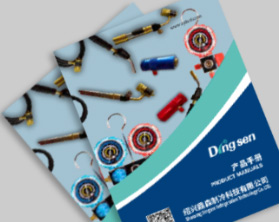 Oxygen-Free Welding Torch SeriesDesigned specificall...View Product →
Common Mistakes and How to Avoid Them
Even experienced technicians can misuse heat blocking putty. Here are the most frequent errors and the simple fixes:
Mistake 1: Applying Putty Over Wet or Oily Surfaces
If the pipe is oily, the putty will not bond. The rag may slip, and a gap can allow heat to pass through. Always degrease the area before applying the putty.
Mistake 2: Using Too Little Putty
A thin layer of putty holds very little water. Use at least a 10 mm thick layer around the protected part. For larger valve bodies, build up a thicker layer.
Mistake 3: Forgetting to Re-Wet
When the rag hisses loudly, the water is boiling away. That is a warning sign. Spray more water before the rag turns brown. A dry rag conducts heat faster than a wet one.
Mistake 4: Protecting Only the Front Side
Heat travels around a cylindrical pipe. If you only protect the side facing the torch, the back side can still overheat. Wrap the putty completely around the pipe.
Mistake 5: Leaving Putty in Place After Cooling
Some technicians forget the putty and then try to power on the system. The putty is not harmful, but it can trap moisture against the pipe and promote corrosion if left for weeks. Remove it after each job.
Is Wet Rag Heat Blocking Putty Necessary for Every Brazing Job?
No. If you are brazing a fresh copper pipe in an open area with no nearby valves, the putty is unnecessary. But the moment you work near a thermal expansion valve, a sight glass, a solenoid coil, an aluminum fitting, or a painted surface, the putty becomes a low-cost insurance policy against expensive damage.
Consider the cost of a damaged expansion valve versus the time it takes to apply the putty. A typical thermal expansion valve costs anywhere from twenty to over one hundred dollars. A block of heat blocking putty costs only a few dollars and lasts through many jobs. The economic argument is clear.
Final Recommendations
Wet rag heat blocking putty is a practical, proven product that every HVAC and refrigeration technician should have in their kit. It is not a replacement for careful work, but it is a reliable way to protect sensitive components during brazing.
To get the best results, buy a product with good water retention, apply it generously, and keep the rag wet throughout the job. If you regularly braze copper lines near valves or aluminum parts, this simple tool will save you time, money, and frustration.
At Dingsen, we supply a broad range of refrigeration and automotive air conditioning components that are built to withstand the demands of professional service work. For technicians who want complete control over the brazing process, our MAPP gas welding gun offers a stable flame and easy handling. And when you need to finish a connection cleanly, our GB2AS welding gun is a dependable choice. Pair the right equipment with proper heat protection, and every joint will hold.
If you have questions about choosing the right brazing tools or protecting components during installation, our team at Shaoxing DingSen Refrigeration Technology provides support and product guidance. Visit our contact page to discuss your requirements, or read more about MAPP gas welding gun performance and applications in our industry news section.
-
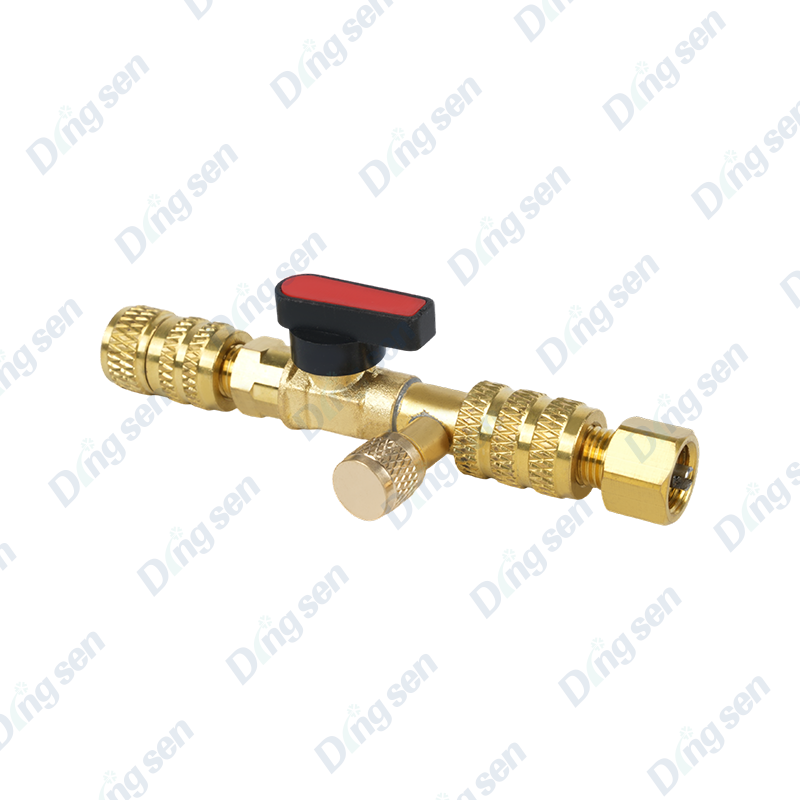
Valve core installation and removal tools are specialized tools for installing a...
-
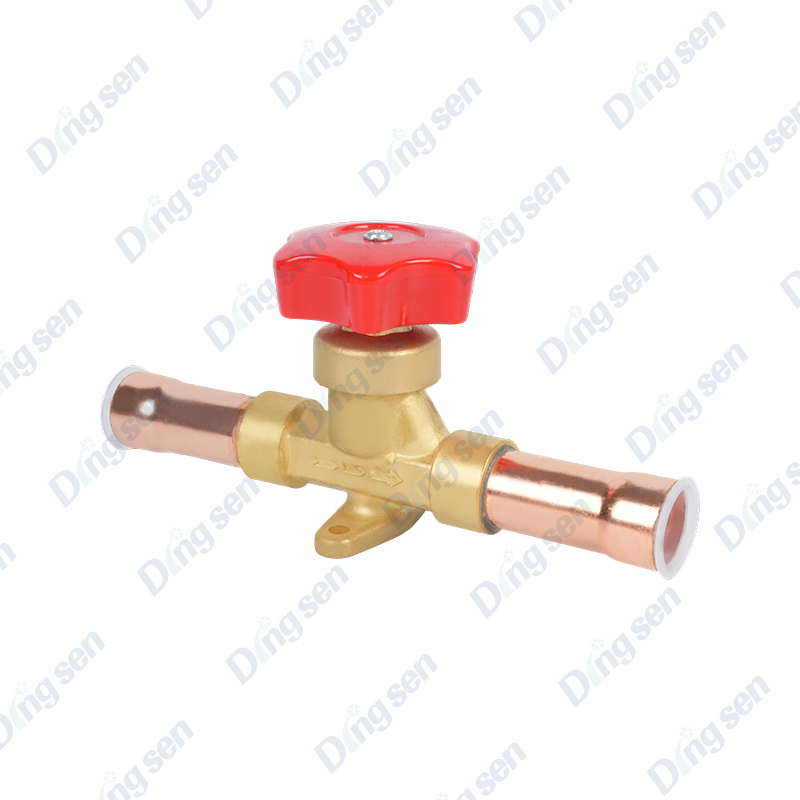
Diaphragm-type hand valves are manual flow control components for refrigeration ...
-
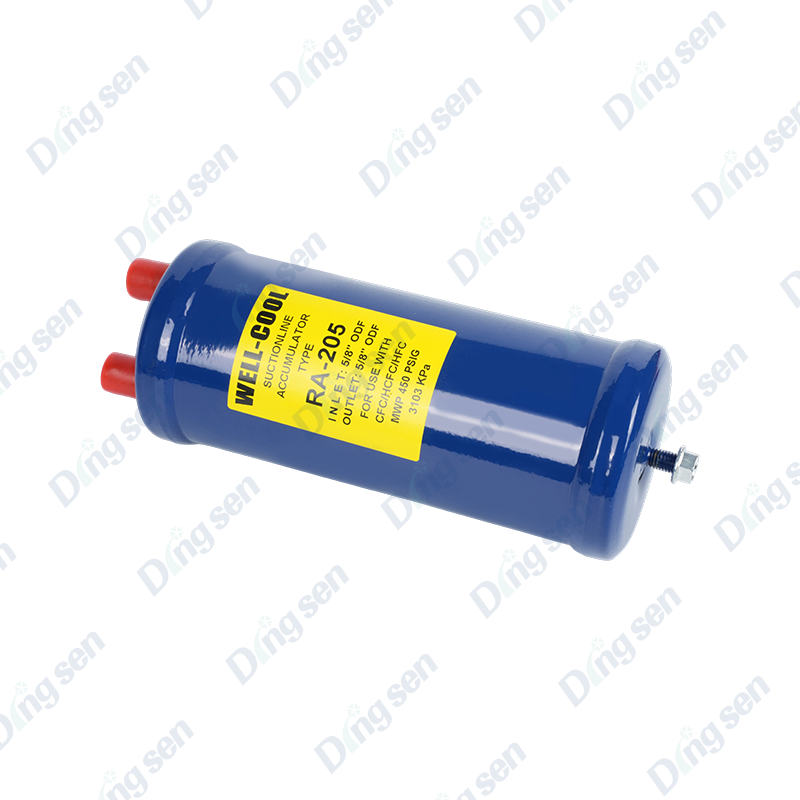
The refrigerant gas-liquid separator is a core separation component in refrigera...
-
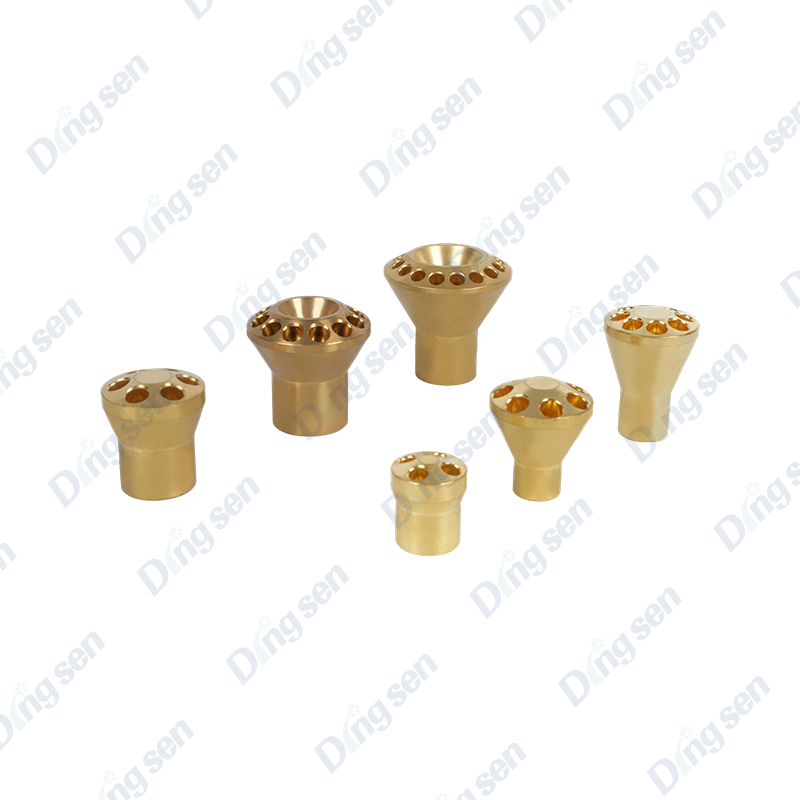
The brass refrigerant distribution liquid separator is a core component of refri...
-
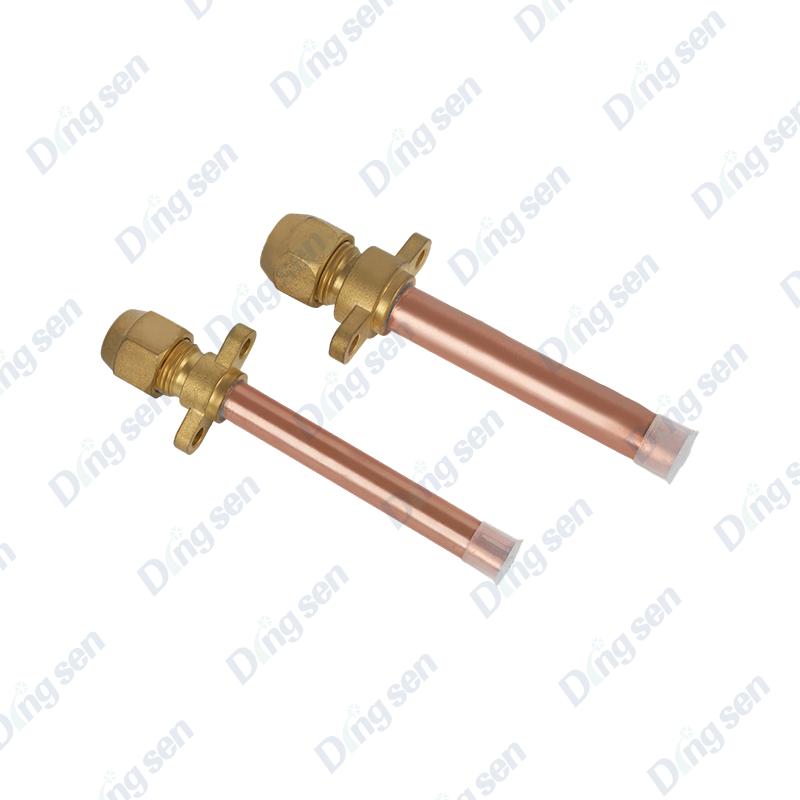
The hammerair conditioning copper pipe connector is a pipe connector designed sp...
-
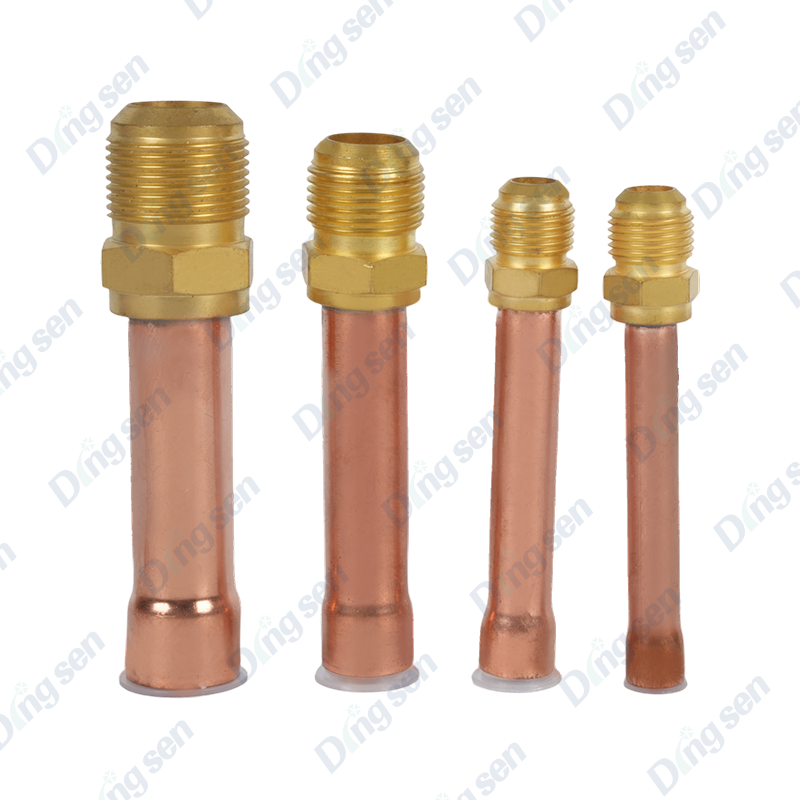
The long air conditioning copper pipe connector is a metal connector designed sp...

Contact Us
-

No. 109 Jiefang Road, Diankou Town, Zhuji City, Shaoxing, Zhejiang Province
-

+86-13867581196
-

Copyright © shaoxing DingSen Refrigeration Technology Co Ltd. All Rights Reserved
OEM Refrigeration Parts Manufacturer Custom Automotive AC Parts Factory