
 en
en  Español
 عربى
عربى
How to use an refrigerant bottle opener?
A refrigerant bottle opener — also called a refrigerant can tap valve — is used to puncture and control the flow of refrigerant from a small disposable can into an HVAC or refrigeration system. To use it correctly: thread the valve onto the can, connect the hose to the system's low-pressure port, then slowly turn the piercing pin to puncture the can and release refrigerant. Always wear safety gloves and goggles, and only charge systems on the low-pressure (suction) side.
Content
- 1 What Is a Refrigerant Bottle Opener and What Does It Do
- 2 Tools and Safety Equipment You Need Before Starting
- 3 Step-by-Step: How to Use a Refrigerant Bottle Opener
- 3.1 Step 1 — Inspect the Can and Opener
- 3.2 Step 2 — Thread the Opener onto the Can
- 3.3 Step 3 — Connect the Charging Hose
- 3.4 Step 4 — Purge Air from the Hose (Optional but Recommended)
- 3.5 Step 5 — Pierce the Can
- 3.6 Step 6 — Open the Flow Valve and Charge the System
- 3.7 Step 7 — Close the Valve and Disconnect
- 4 Vapor vs. Liquid Charging: When Can Orientation Matters
- 5 Common Mistakes and How to Avoid Them
- 6 How to Safely Store and Dispose of Refrigerant Cans
- 7 Maintenance Tips to Keep Your Bottle Opener Working Reliably
What Is a Refrigerant Bottle Opener and What Does It Do
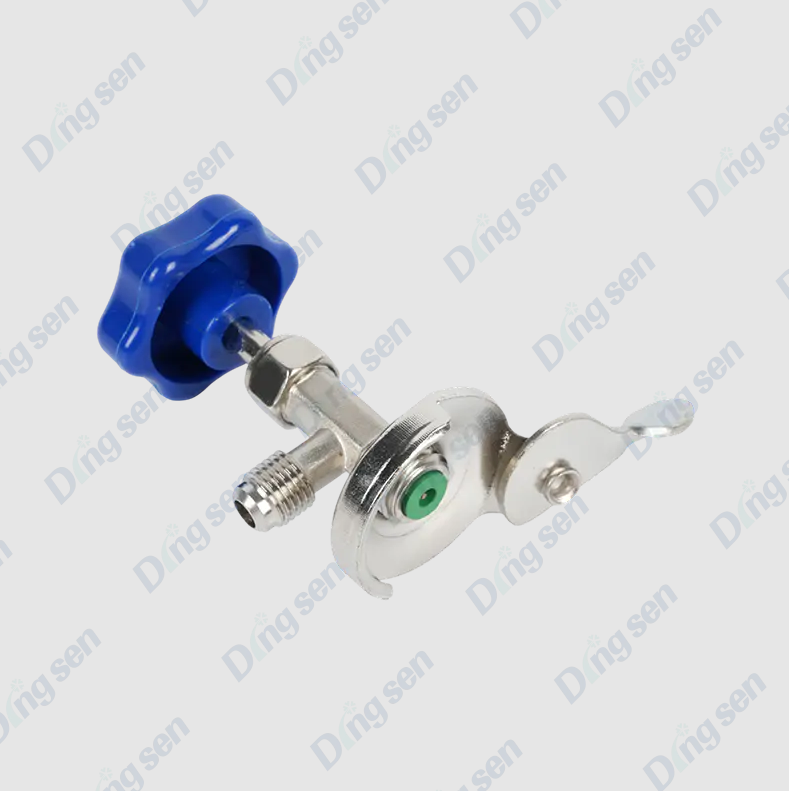
A refrigerant bottle opener is a compact valve device designed to attach to the top of a disposable refrigerant can. It serves two key functions: puncturing the sealed can and regulating refrigerant flow through an attached hose into a system. Without this tool, there is no safe or controlled way to access refrigerant inside a pressurized disposable cylinder.
These openers are commonly used with small cans containing refrigerants such as R-410A, R-32, or similar types used in window units, mini-splits, and automotive A/C systems. Most bottle openers feature:
- A threaded collar that screws onto the can's valve
- A center piercing pin controlled by a handle or knob
- A 1/4-inch flare port for connecting a charging hose
- An on/off valve to start and stop refrigerant flow
Tools and Safety Equipment You Need Before Starting
Before using a refrigerant bottle opener, gather the following items. Skipping safety gear is the most common cause of injury when handling refrigerants, which can reach temperatures as low as -40°F (-40°C) upon rapid expansion.
- Refrigerant bottle opener / tap valve — matched to your can's thread size
- Refrigerant charging hose (usually color-coded blue for low pressure)
- Manifold gauge set (optional but recommended for accurate pressure readings)
- Insulated safety gloves rated for refrigerant contact
- Safety goggles or a face shield
- The refrigerant can (check it is not expired or damaged)
Work in a well-ventilated area. Refrigerant vapors are heavier than air and can displace oxygen in enclosed spaces, creating a suffocation hazard.
Step-by-Step: How to Use a Refrigerant Bottle Opener
Step 1 — Inspect the Can and Opener
Check the refrigerant can for rust, dents, or damage. Do not use a compromised can. Ensure the piercing pin on the bottle opener is fully retracted — the handle should be in the "open" or "up" position — before attaching it to the can. Attaching a valve with the pin already engaged can immediately puncture the can in an uncontrolled way.
Step 2 — Thread the Opener onto the Can
Align the opener's threaded collar with the can's top valve thread. Turn clockwise by hand until snug. Do not overtighten — excessive force can damage the can's sealing surface or crack the opener body. A firm hand-tight seal is sufficient for most standard openers.
Step 3 — Connect the Charging Hose
Attach one end of the charging hose to the 1/4-inch port on the bottle opener and the other end to the low-pressure (suction) service port on the HVAC system. This port is typically the larger of the two service ports and is often marked "L" or colored blue. Never connect to the high-pressure side — doing so can cause the can to rupture or explode.
Step 4 — Purge Air from the Hose (Optional but Recommended)
To avoid introducing air into the system, slightly loosen the hose connection at the service port for 1–2 seconds to let a small amount of refrigerant push air out, then retighten. This is called "bleeding" the hose and prevents moisture and non-condensables from contaminating the refrigerant charge.
Step 5 — Pierce the Can
Hold the can upright (for vapor charging) or inverted (for liquid charging, depending on the refrigerant and system requirements). Slowly turn the opener's handle or knob clockwise to drive the piercing pin into the can's top seal. You will feel a slight resistance, then the pin breaks through. Stop turning once the can is pierced — you do not need to drive the pin further.
Step 6 — Open the Flow Valve and Charge the System
Open the valve on the bottle opener to allow refrigerant to flow. Monitor the system's low-side pressure using your gauge. Charge in short intervals — typically 30 to 60 seconds at a time — then pause and let the pressure stabilize before adding more. Overcharging is one of the most damaging mistakes in HVAC maintenance and can harm the compressor.
Step 7 — Close the Valve and Disconnect
When the system reaches the correct pressure or the can is empty, close the valve on the opener. Disconnect the hose from the service port — expect a brief hiss as residual pressure releases. Keep the opener attached to the can until the can is fully empty or you are ready to dispose of it properly. Never discard pressurized cans.
Vapor vs. Liquid Charging: When Can Orientation Matters
The orientation of the refrigerant can during charging determines whether you add refrigerant as a vapor or liquid. This distinction is important depending on the refrigerant type.
| Can Orientation | What Enters System | Typical Use Case |
|---|---|---|
| Upright (valve up) | Vapor | Most blended refrigerants, standard top-up |
| Inverted (valve down) | Liquid | Zeotropic blends requiring liquid charging to maintain ratio |
Zeotropic refrigerant blends (which contain multiple refrigerants of different molecular weights) must always be charged as liquid. If charged as vapor, the lighter component enters first, altering the blend ratio and reducing system efficiency. Always check the refrigerant label for charging instructions.
Common Mistakes and How to Avoid Them
- Connecting to the high-pressure port: This can force refrigerant backward into the can, causing it to rupture. Always identify and use the low-pressure service port.
- Piercing the can before connecting the hose: Once pierced, refrigerant will escape. Always connect the hose first, then pierce.
- Overcharging the system: Adding too much refrigerant raises discharge pressure, reduces efficiency, and risks compressor damage. Stop charging when the system reaches manufacturer-specified pressures.
- Reusing a single-use can tap on a new can: Some bottle openers are designed for single-use. Inspect threads and the piercing pin before reuse; a worn or damaged pin may not seal properly.
- Not wearing PPE: Liquid refrigerant contact with skin causes frostbite within seconds. Always wear gloves and goggles.
How to Safely Store and Dispose of Refrigerant Cans
If a can is not fully empty after use, leave the bottle opener attached with the valve closed. Store the can upright in a cool, dry location away from heat sources. Never store refrigerant cans above 125°F (52°C) — high temperatures increase internal pressure and risk explosion.
Once fully empty (zero pressure confirmed on your gauge), the can may be disposed of according to local regulations. In many regions, empty refrigerant containers are classified as non-hazardous scrap metal and can be recycled. Partially full cans must be handled by a licensed refrigerant recovery technician — do not attempt to release remaining refrigerant into the atmosphere, as venting is illegal under environmental regulations in most countries.
Maintenance Tips to Keep Your Bottle Opener Working Reliably
A well-maintained bottle opener lasts for many charge sessions. After each use:
- Retract the piercing pin fully before removing the opener from the can.
- Cap the 1/4-inch port with a dust cap to prevent moisture and debris from entering.
- Inspect the threads and O-ring for wear or damage. Replace the O-ring if it appears cracked or flattened — a compromised O-ring causes refrigerant leaks at the hose connection.
- Store the opener in a dry location; moisture causes corrosion on the piercing pin, which can cause it to stick or fail to seal.
Periodically apply a small amount of refrigeration-grade oil to the valve stem to keep it turning smoothly. Avoid petroleum-based lubricants, which can degrade rubber seals inside the valve.
-
Universal faucet refrigerant bottle opener industrial valve is designed specific...
-
The dispensing valve refrigerant bottle opener is a metal valve-style bottle ope...
-
Metal knob refrigerant bottle opener is designed for repairing and maintaining r...
-
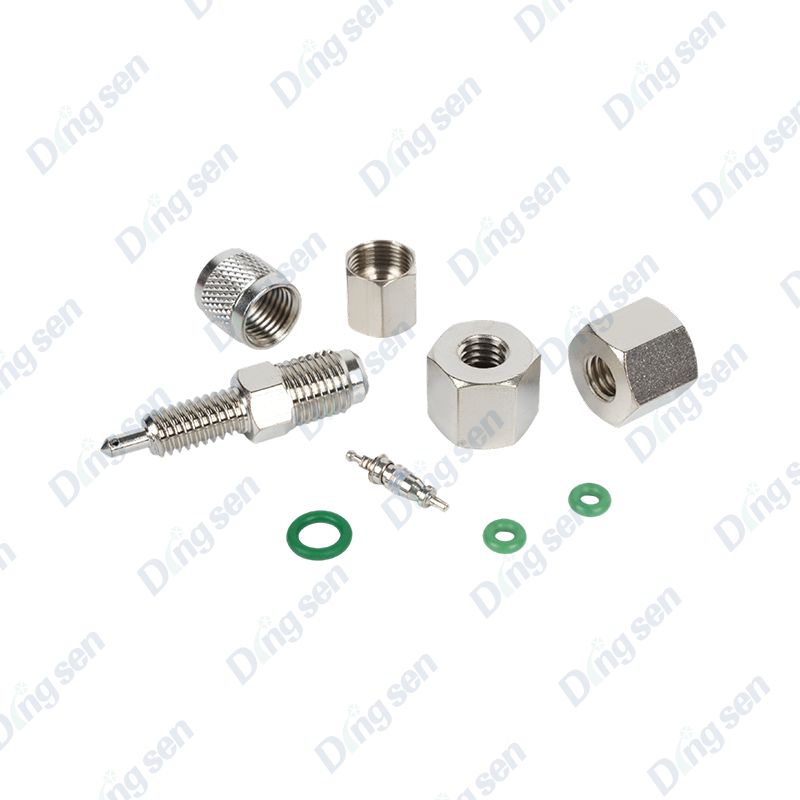
The nut parts refrigerant bottle opener is an efficient bottle opening and pipe ...
-

The brass refrigerant distribution liquid separator is a core component of refri...
-
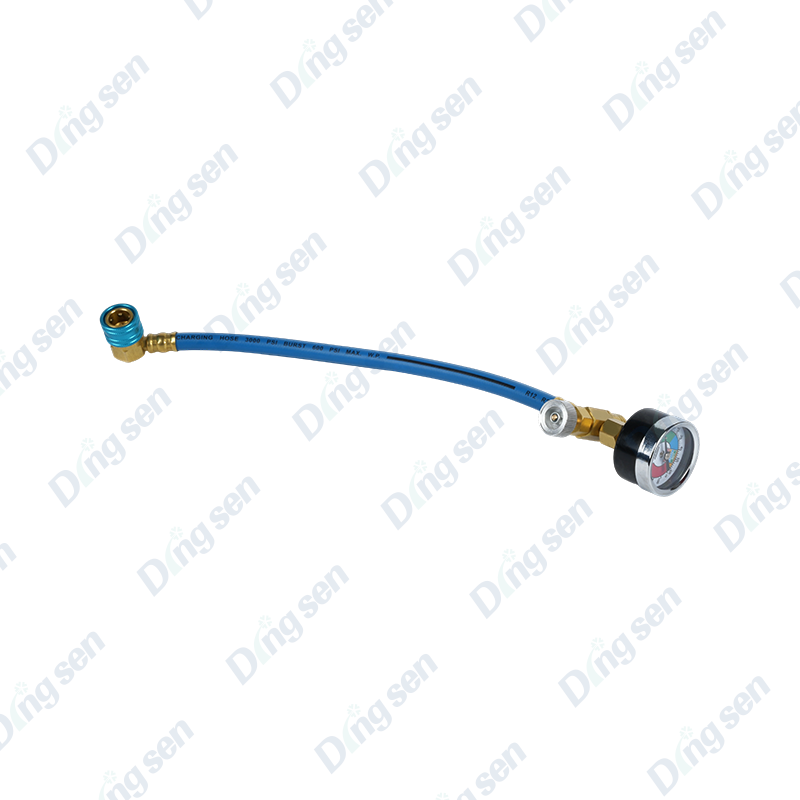
The air conditioning refrigerant filling tool is a professional repair accessory...

Contact Us
-

No. 109 Jiefang Road, Diankou Town, Zhuji City, Shaoxing, Zhejiang Province
-

+86-13867581196
-

Copyright © shaoxing DingSen Refrigeration Technology Co Ltd. All Rights Reserved
OEM Refrigeration Parts Manufacturer Custom Automotive AC Parts Factory