
 en
en  Español
 عربى
عربى
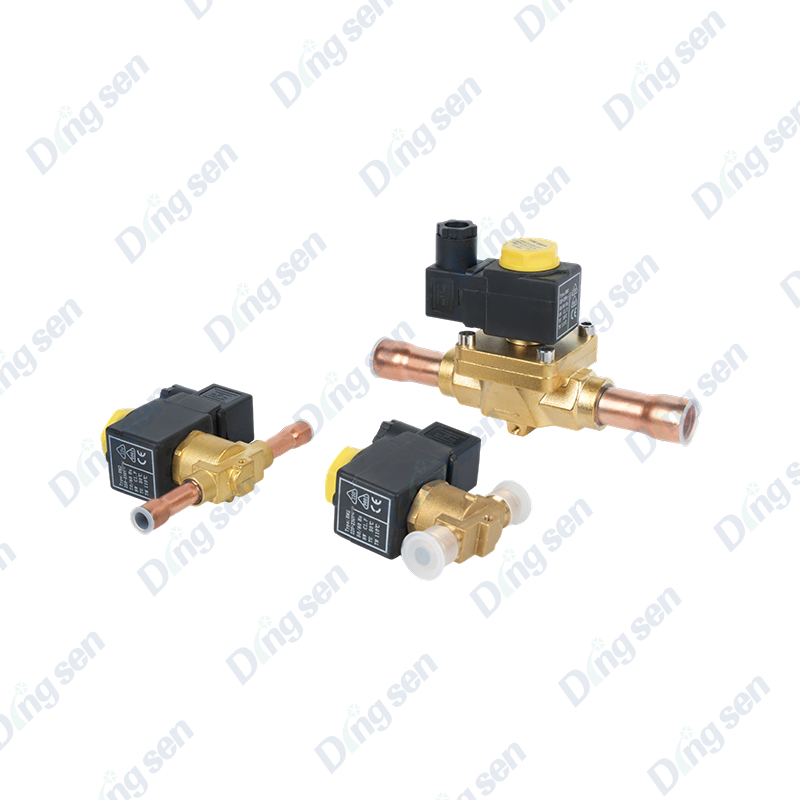
What is the function of an EVR solenoid valve?
An EVR solenoid valve functions as an electrically controlled on/off valve that regulates refrigerant flow within refrigeration and air conditioning systems. By converting an electrical signal into precise mechanical movement through electromagnetic induction, it opens or closes the refrigerant circuit on command — enabling the system to start, stop, or redirect refrigerant flow without manual intervention. This control function is fundamental to system efficiency, safety, and automated operation in applications ranging from commercial air conditioners and heat pumps to food cold storage and ice machines.
Content
- 1 How an EVR Solenoid Valve Works: Electromagnetic Induction Principle
- 2 Core Functions of an EVR Solenoid Valve in Refrigeration Systems
- 3 Direct-Acting vs Pilot-Operated EVR Valves: Functional Differences
- 4 Applications Where EVR Solenoid Valves Perform Critical Functions
- 5 Refrigerant Compatibility and Material Requirements
- 6 Signs of EVR Solenoid Valve Malfunction and Their Functional Impact
- 7 Maintenance Practices That Preserve EVR Valve Function
How an EVR Solenoid Valve Works: Electromagnetic Induction Principle
The operating principle of an EVR solenoid valve is based on electromagnetism. The valve consists of a coil of wire wound around a ferromagnetic core, a movable plunger (armature), and a valve seat that controls the refrigerant flow path.
- De-energized (closed) state: When no electrical current passes through the coil, there is no magnetic field. A return spring holds the plunger pressed firmly against the valve seat, sealing the refrigerant flow path and preventing any refrigerant from passing through
- Energized (open) state: When the control signal energizes the coil with electrical current — typically 24V AC, 110V AC, or 220V AC depending on the system design — the coil generates a magnetic field that pulls the plunger upward away from the valve seat, opening the flow passage and allowing refrigerant to pass through
- De-energized again (closed): When the electrical signal is removed, the magnetic field collapses instantly. The spring returns the plunger to the closed position, sealing refrigerant flow within milliseconds
This rapid, repeatable electromagnetic switching allows the system controller to manage refrigerant flow with precision timing — a capability that manual valves or purely mechanical controls cannot replicate at the speed and reliability required by modern refrigeration systems.
Core Functions of an EVR Solenoid Valve in Refrigeration Systems
The EVR solenoid valve performs several distinct functional roles within a refrigeration or air conditioning circuit, each critical to system performance, energy efficiency, and protection.
Refrigerant Flow Control and Isolation
The primary function is to open or close the refrigerant circuit on demand. This allows the system controller to start and stop refrigerant flow to specific components — such as the evaporator, condenser, or individual circuit branches — without affecting the rest of the system. In multi-evaporator systems, individual EVR valves on each evaporator branch allow independent temperature control for each zone from a single compressor circuit.
Pump-Down Function: Protecting the Compressor
One of the most important protective functions of the EVR solenoid valve is enabling the pump-down cycle. When the system is about to shut down, the solenoid valve in the liquid line is closed while the compressor continues running briefly. This draws refrigerant out of the evaporator and into the high-pressure side of the system, preventing liquid refrigerant from migrating to the compressor during the off-cycle.
Liquid refrigerant entering the compressor causes liquid slugging — a condition where incompressible liquid damages compressor valves, pistons, and connecting rods. A properly functioning EVR valve in pump-down configuration eliminates this risk and significantly extends compressor service life.
Preventing Refrigerant Migration During Off-Cycles
When a refrigeration system is idle, temperature differences across the circuit create pressure gradients that cause refrigerant vapor to migrate toward cooler components — typically the compressor or accumulator. Over time, this migrated refrigerant dissolves into compressor lubricating oil, diluting it and reducing its viscosity. At startup, this oil-refrigerant mixture floods back through the compressor, washing away the lubrication film from bearings and cylinders.
An EVR solenoid valve in the liquid or suction line remains closed during the off-cycle, physically blocking the refrigerant migration path and maintaining the integrity of the refrigerant charge on the correct side of the circuit until the next startup.
Capacity Control in Multi-Stage Systems
In larger commercial refrigeration and air conditioning systems with multiple evaporator circuits or parallel compressors, EVR solenoid valves provide capacity modulation. By opening or closing individual circuit branches in response to load demand, the system can match its active refrigerant circuit capacity to the actual cooling requirement — operating efficiently under partial load conditions rather than cycling the entire system on and off.
Defrost Cycle Control
In cold storage and freezer applications, EVR solenoid valves manage refrigerant flow during defrost cycles. During hot gas defrost, the valve redirects high-pressure hot refrigerant gas from the compressor discharge directly to the evaporator coil, melting accumulated frost efficiently. The EVR valve's precise timing control — opening at the start of defrost and closing when the cycle completes — prevents over-defrosting and refrigerant flooding of the system after defrost.
Direct-Acting vs Pilot-Operated EVR Valves: Functional Differences
EVR solenoid valves are available in two operating configurations — direct-acting and pilot-operated — each suited to different pressure ranges and flow capacities.
| Feature | Direct-Acting EVR Valve | Pilot-Operated EVR Valve |
|---|---|---|
| Opening mechanism | Solenoid directly lifts valve seat | Solenoid opens pilot port; line pressure opens main seat |
| Pressure differential requirement | Operates at zero differential pressure | Requires minimum differential (typically 0.1–0.5 bar) |
| Typical flow capacity | Small to medium (low Kv values) | Medium to large (high Kv values) |
| Coil power consumption | Higher (must overcome full line pressure) | Lower (only opens pilot port) |
| Typical application | Small systems, bypass lines, pilot circuits | Commercial and industrial refrigeration main lines |
| Operation at zero pressure | Yes | No — requires line pressure to function |
Applications Where EVR Solenoid Valves Perform Critical Functions
The EVR solenoid valve's combination of precise electrical control, fast response, and reliable sealing makes it indispensable across a wide range of refrigeration and HVAC applications.
- Commercial air conditioners: Controls refrigerant flow between indoor and outdoor units, enabling zone control and pump-down protection during compressor shutdown
- Heat pump systems: Manages refrigerant direction switching between heating and cooling modes, working in conjunction with reversing valves to maintain system integrity during mode transitions
- Food cold storage and walk-in coolers: Provides precise evaporator circuit control for multi-temperature zone management, and manages timed defrost cycles to maintain optimal storage temperatures
- Ice machines: Controls the precise timing of refrigerant flow during ice formation and harvest cycles — the EVR valve's fast response time of typically less than 1 second is critical for accurate cycle timing that determines ice quality and production rate
- Supermarket display cases: In multi-circuit supermarket refrigeration systems, individual EVR valves on each display case circuit allow centralized control of dozens of cases from a single compressor rack
- Industrial process cooling: Controls refrigerant flow in precision temperature control applications where maintaining consistent process temperatures within tight tolerances requires responsive, controllable refrigerant circuit management
Refrigerant Compatibility and Material Requirements
For an EVR solenoid valve to perform its control functions reliably over its full service life, its internal materials must be fully compatible with the refrigerant and lubricant used in the system.
Quality EVR valves are designed for compatibility with a wide range of common refrigerants, including HFC refrigerants (R134a, R404A, R407C, R410A), HFO refrigerants (R32, R452B, R454B), and natural refrigerants (R744/CO₂, R717/ammonia, R290/propane). The internal sealing materials — typically PTFE, FKM (Viton), or EPDM depending on the refrigerant — must resist chemical attack from the refrigerant and lubricant combination at operating pressures that can reach 40 bar or higher in CO₂ systems.
The valve body is manufactured from corrosion-resistant materials — typically brass, stainless steel, or ductile iron — using precision machining to ensure consistent seat geometry. A valve seat that is not perfectly flat and smooth will allow refrigerant to leak past the closed plunger, undermining the valve's isolation function and allowing the refrigerant migration problems it is designed to prevent.
Signs of EVR Solenoid Valve Malfunction and Their Functional Impact
When an EVR solenoid valve fails to perform its control function correctly, the consequences are immediately apparent in system behavior. Recognizing these symptoms helps diagnose the specific failure mode.
- Valve stuck open: Refrigerant flows continuously regardless of the electrical signal. The system cannot complete a pump-down cycle, and the compressor may flood with liquid refrigerant at startup. Symptom: compressor liquid slugging, abnormally high suction pressure at shutdown
- Valve stuck closed: No refrigerant passes even when the valve is energized. The evaporator loses refrigerant supply and the system cannot produce adequate cooling. Symptom: suction pressure drops rapidly below normal, evaporator temperature rises, system may trip on low-pressure cutout
- Coil failure: The solenoid coil burns out or develops an open circuit, preventing valve actuation. The valve remains in its spring-default position (closed for normally closed valves). Symptom: valve does not open when energized; coil measured resistance reads open circuit or very high
- Seat leakage: Wear or contamination prevents the plunger from sealing fully against the valve seat. Small amounts of refrigerant bypass the closed valve. Symptom: gradual loss of pump-down effectiveness; low-side pressure rises during off-cycles faster than expected
Maintenance Practices That Preserve EVR Valve Function
EVR solenoid valves are designed for long-term reliable operation with minimal maintenance, but several practices preserve their functional integrity and extend service life.
- Keep the refrigerant circuit clean and dry: Moisture and particulate contamination are the primary causes of seat wear and plunger sticking. Install a filter-drier upstream of the EVR valve and replace it at the manufacturer's recommended interval — typically whenever the system is opened for service
- Verify correct coil voltage: Operating the coil at voltages more than 10% above or below its rated value causes overheating (high voltage) or insufficient opening force (low voltage). Check supply voltage at the coil terminals during commissioning and after any electrical system work
- Check coil temperature during operation: A normally operating coil is warm to the touch but not uncomfortably hot. An excessively hot coil indicates voltage irregularity or coil insulation breakdown — replace before failure occurs
- Test valve actuation periodically: During routine maintenance visits, verify that the valve opens audibly (a distinct click or thump) when energized and closes smoothly when de-energized. Absence of these sounds may indicate a seized plunger or failed coil
- Replace coils and internal kits separately from the valve body: In most EVR valve designs, the coil and the internal valve components (plunger, spring, seat) are separately replaceable without removing the valve body from the pipework — reducing maintenance cost and system downtime significantly
-
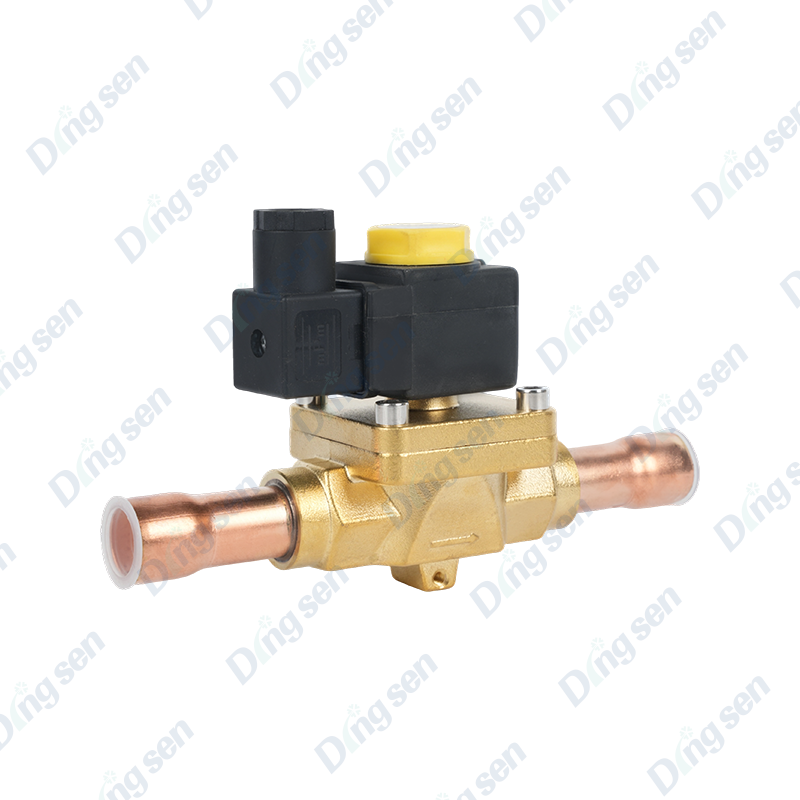
EVR solenoid valves are key components in refrigeration and air conditioning, co...
-
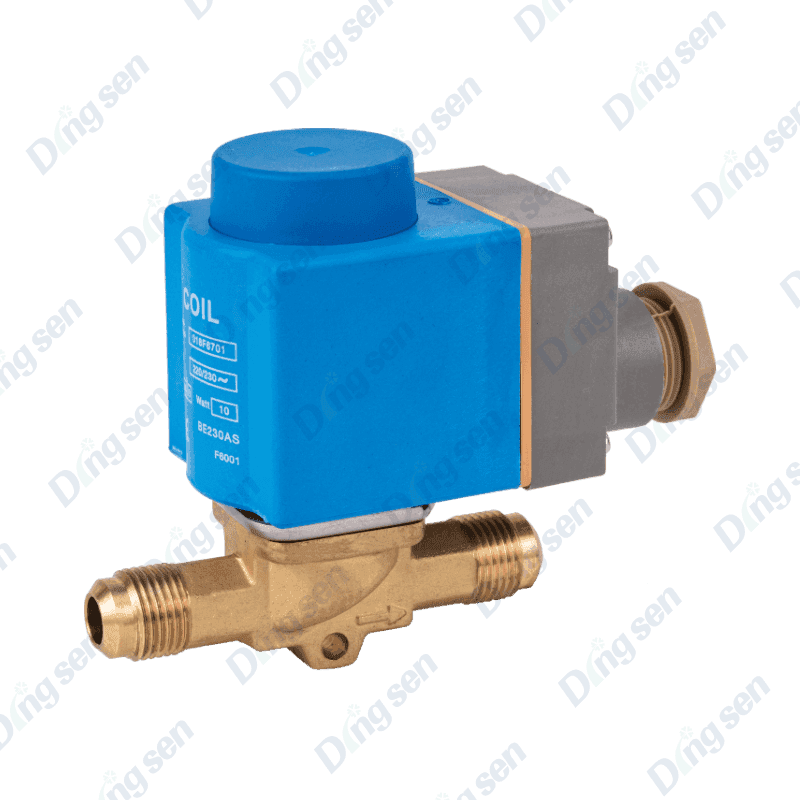
The EVR type solenoid valve features a split upper and lower structure, with a b...
-
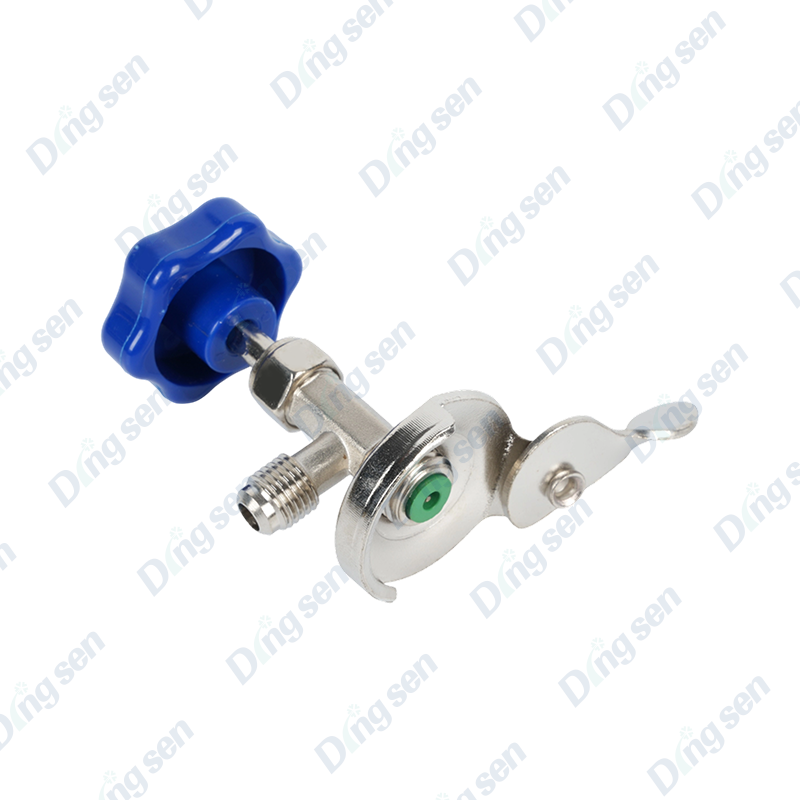
The dispensing valve refrigerant bottle opener is a metal valve-style bottle ope...
-
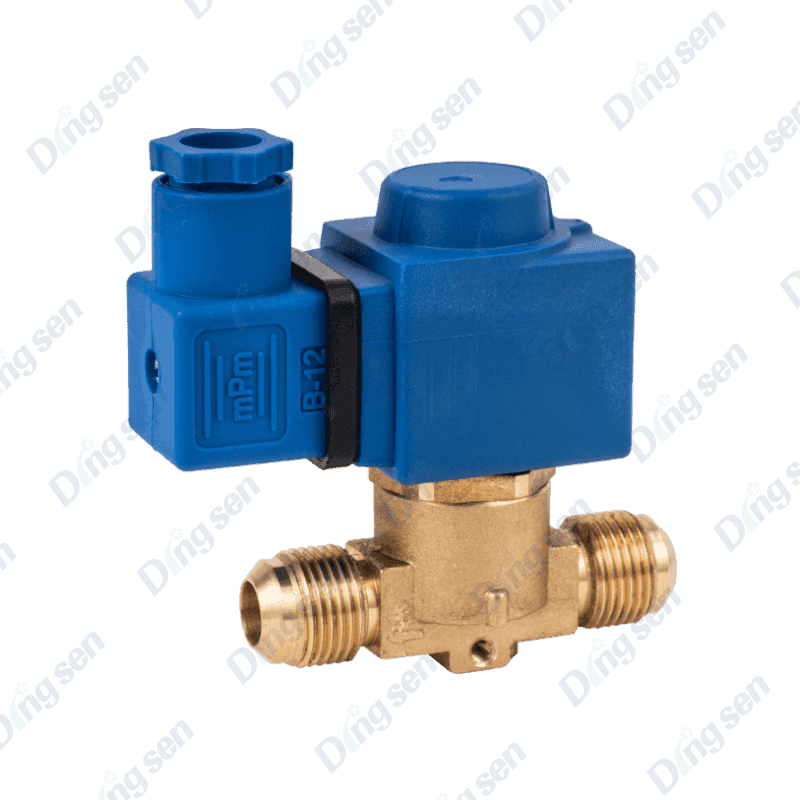
The 10 series solenoid valve is constructed of corrosion-resistant brass with a ...
-
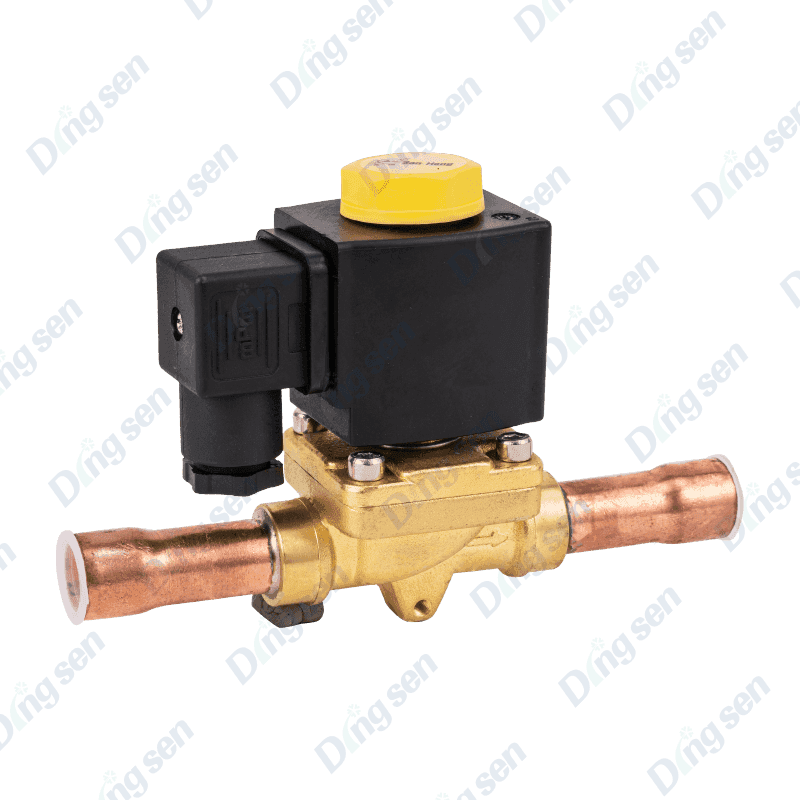
The DSF refrigeration solenoid valve is an automated actuator designed specifica...
-
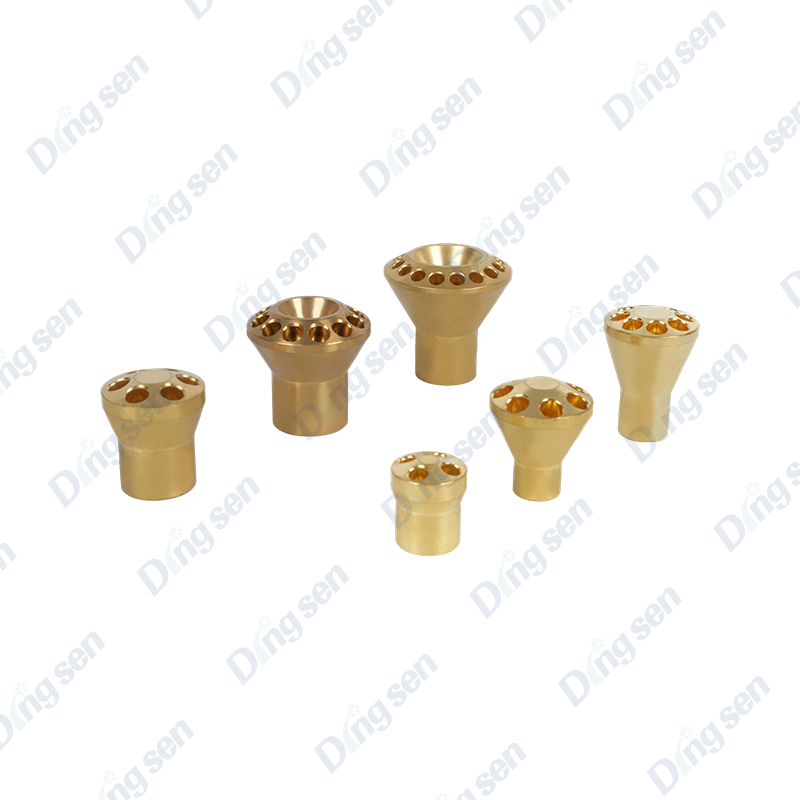
The brass refrigerant distribution liquid separator is a core component of refri...

Contact Us
-

No. 109 Jiefang Road, Diankou Town, Zhuji City, Shaoxing, Zhejiang Province
-

+86-13867581196
-

Copyright © shaoxing DingSen Refrigeration Technology Co Ltd. All Rights Reserved
OEM Refrigeration Parts Manufacturer Custom Automotive AC Parts Factory