
 en
en  Español
 عربى
عربى
What is the function of the quick connector for car air conditioning?
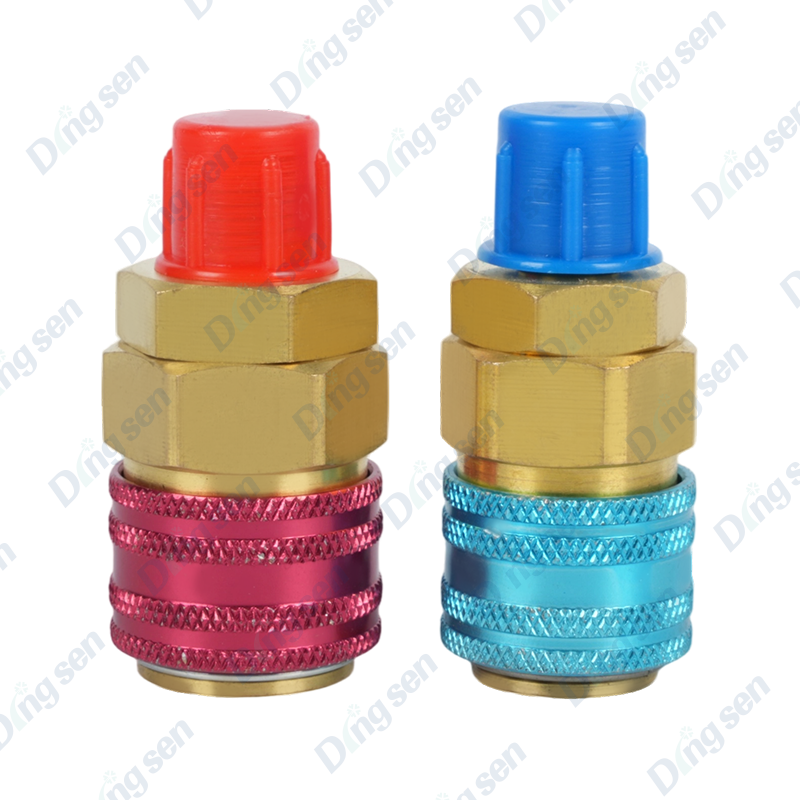
The quick connector for car air conditioning performs one essential function: it creates a leak-free, tool-free, single-action connection between the refrigerant manifold gauge set or recovery machine and the vehicle's high-pressure (HP) and low-pressure (LP) service ports, allowing the technician to charge, recover, evacuate, or test the AC system without refrigerant loss during the connect and disconnect steps. Beyond this primary sealing and coupling function, quality connectors also serve as a check valve that prevents refrigerant flow until the connection is fully seated, protect the service port Schrader valves from contamination during connection, and allow safe disconnection under residual pressure without spraying refrigerant. Understanding the full scope of functions these connectors perform explains why they are the most critical interface tool in automotive AC service.
Content
- 1 Why the Quick Connector Is Critical in Automotive AC Service
- 2 The Six Core Functions of an AC Quick Connector
- 2.1 Function One: Leak-Free Mechanical Coupling
- 2.2 Function Two: Schrader Valve Depression
- 2.3 Function Three: Check Valve During Disconnection
- 2.4 Function Four: High-Side and Low-Side Differentiation
- 2.5 Function Five: Contamination Protection for Service Ports
- 2.6 Function Six: Pressure and Temperature Rating Assurance
- 3 How Quick Connectors Differ from Traditional Screw-On Service Couplings
- 4 Refrigerant Types and Connector Compatibility
- 5 Service Procedures Where Quick Connectors Are Used
- 6 How to Identify a Quality Quick Connector
- 7 Correct Usage Procedure to Ensure Full Connector Function
- 8 Maintenance of Quick Connectors for Long-Term Performance
- 9 Quick Connector Function Summary
Why the Quick Connector Is Critical in Automotive AC Service
Modern automotive air conditioning systems operate as sealed refrigerant loops under significant pressure — low-side pressures typically range from 25 to 45 PSI (172 to 310 kPa) and high-side pressures from 150 to 350 PSI (1,034 to 2,413 kPa) during normal operation with refrigerants including R-134a and the newer R-1234yf. (Source: SAE International, Automotive Air Conditioning Service Manual, SAE J639, 2019)
Any connection to this pressurized closed system — for charging, recovery, leak testing, or pressure measurement — requires a coupling that can be made and broken without releasing refrigerant to the atmosphere. This is not merely a convenience requirement: it is an environmental and legal obligation. The European MAC Directive (EU 2006/40/EC) and the US EPA Section 609 of the Clean Air Act both prohibit the intentional venting of automotive refrigerants, with fines for non-compliance ranging from USD 37,500 to USD 44,539 per violation per day in the United States and equivalent penalties in EU member states. (Source: US EPA, Section 608/609 of the Clean Air Act, Refrigerant Management Regulations, 2023)
The quick connector for car air conditioning is the mechanical solution that makes compliant, zero-emission service connections practical at the speed professional technicians need in a commercial workshop environment.
The Six Core Functions of an AC Quick Connector
Function One: Leak-Free Mechanical Coupling
The primary function is to create a positive, leak-free mechanical connection between the service hose and the vehicle's Schrader valve service port. The connector body contains an internal threading or push-lock mechanism that engages with the standardized service port fitting — typically the SAE J639 standard fitting used on most vehicles — and draws the mating faces together with sufficient clamping force to compress the internal O-ring seal without requiring a separate wrench.
The O-ring seal in a quality quick connector maintains leak-free performance at the full high-side service pressure of 350 PSI (2,413 kPa) and at the vacuum pressures achieved during evacuation — typically 500 microns (0.0007 PSI or 0.5 millitorr) or lower — a pressure range of over 5,000:1 that the connector must seal reliably across. Connectors that fail to seal at vacuum pressure allow atmospheric air and moisture to enter the system during evacuation, contaminating the refrigerant circuit and causing acid formation in the compressor oil that progressively damages compressor bearings. (Source: ASHRAE Handbook, Refrigeration Systems and Applications, 2018)
Function Two: Schrader Valve Depression
Automotive AC service ports use Schrader valves — spring-loaded check valves similar in principle to tire valve stems — that remain closed when no service equipment is connected, sealing the system. The quick connector includes an internal pin or depressor that presses the Schrader valve core inward as the connector is fully seated, opening the valve and allowing refrigerant flow between the vehicle system and the service hose.
This depressor function is mechanically linked to the sealing function in properly designed connectors: the depressor pin only contacts the Schrader valve core when the O-ring seal is fully seated and leak-tight. A connector where the pin can depress the Schrader valve before the seal is made allows refrigerant to escape during the connection process — the failure mode that characterizes low-quality connectors and the reason that connector design quality directly affects refrigerant emission rates during service.
Function Three: Check Valve During Disconnection
When the technician releases the quick connector to disconnect from the service port, the internal Schrader valve spring closes the port before the connector O-ring seal is broken. In a correctly designed connector, the disconnection sequence is:
- The connector release mechanism withdraws the internal depressor pin
- The Schrader valve spring closes the service port, stopping refrigerant flow
- The connector O-ring seal is then released, with the sealed Schrader valve preventing system refrigerant from escaping through the now-open connector
This sequenced disconnection is the mechanism that makes "zero-loss disconnection" possible. In practice, even correctly designed connectors release a small puff of refrigerant from the volume trapped in the connector body between the closed Schrader valve and the connector body itself — typically 0.5 to 2 grams of refrigerant per disconnection depending on connector body volume and system pressure. Quality connectors minimize this body volume to reduce per-connection refrigerant loss over a full service session. (Source: SAE International, J2788 Standard for Recovery/Recycling Equipment for R-134a, 2006)
Function Four: High-Side and Low-Side Differentiation
Automotive AC service ports are intentionally sized differently for the high-pressure and low-pressure sides of the system, making it physically impossible to connect a high-side service hose to the low-pressure port or vice versa. This design, specified in SAE J639, prevents the catastrophic system damage that would result from introducing high-pressure gas into the low-side compressor inlet or from attempting to introduce refrigerant at the high-pressure discharge port during a low-side charge procedure.
Quick connectors are correspondingly manufactured in two sizes — large connector for high-side service (HP, typically 16 mm body diameter) and small connector for low-side service (LP, typically 13 mm body diameter) — with matching color coding (red for HP, blue for LP) that provides a secondary visual differentiation that speeds correct connection in the workshop environment and reduces connection error risk. (Source: SAE J639, Safety and Containment of Refrigerant for Mechanical Vapor Compression Systems Used for Mobile Air Conditioning, 2019)
Function Five: Contamination Protection for Service Ports
Automotive service ports are exposed to the underhood environment — oil, grease, road grime, and moisture — during normal vehicle operation. Contamination on or around the service port can be drawn into the refrigerant circuit during service if not removed before connection. Quality quick connectors feature a recessed O-ring contact face that excludes external contamination from the connection interface, and include a protective cap when not connected to the service hose.
When connecting to a contaminated or moisture-bearing service port, some connectors include an integrated wipe or purge capability where the first stage of connection clears the port face before the O-ring makes sealing contact. This function prevents the introduction of moisture — a critical contamination source in AC systems, where water reacts with refrigerant and compressor oil to form hydrofluoric acid that causes rapid compressor bearing failure — from service port contamination rather than from the system itself.
Function Six: Pressure and Temperature Rating Assurance
A quick connector that is appropriately rated for the refrigerant type in use provides the technician with assurance that the connector materials — body alloy, internal O-ring, and pin materials — are chemically compatible with the refrigerant and compressor oil combination being serviced. This is a function that has become increasingly important with the introduction of R-1234yf refrigerant, which has different chemical compatibility requirements from R-134a:
- R-1234yf-compatible connectors use O-rings made from EPDM or specialized fluoropolymer compounds that resist the slightly different chemical exposure of R-1234yf compared to the NBR or CR O-rings adequate for R-134a service
- R-1234yf has a different (lower) port geometry from R-134a in most current vehicle implementations, requiring R-1234yf-specific connectors that prevent cross-connection with R-134a service equipment — a function that protects both the vehicle system and the service equipment from refrigerant cross-contamination
- Pressure rating must accommodate the slightly higher operating pressures characteristic of R-1234yf systems compared to equivalent R-134a systems at the same ambient temperature, requiring minimum burst pressure ratings of 4,400 PSI (30,340 kPa) per SAE J2842 for connectors used in R-1234yf service
(Source: SAE International, J2842, Connections for High-Voltage Cables and Contacts of Electric Vehicles — The Connector for HFO-1234yf, 2015)
How Quick Connectors Differ from Traditional Screw-On Service Couplings
Before the widespread adoption of quick connectors, automotive AC service couplings required a threaded connection that had to be made and released by hand-tightening and loosening a knurled coupling nut. The comparison between traditional threaded couplings and modern quick connectors illustrates why the quick connector design has become the industry standard:
| Feature | Traditional Threaded Coupling | Quick Connector |
|---|---|---|
| Connection time | 15 to 30 seconds per port (thread engagement) | 2 to 5 seconds per port (push-and-click) |
| Refrigerant loss per connection | Higher (thread engagement allows partial seal) | Minimized (positive seal before Schrader depression) |
| One-hand operation | No (requires two hands for thread alignment) | Yes (single push action) |
| Risk of cross-threading | Present (especially in restricted access areas) | None (no threading involved) |
| Connection confirmation | Tactile (thread torque) and visual | Audible click and pull-test confirmation |
| Port protection during disconnection | Relies entirely on Schrader valve function | Sequenced retraction ensures valve closes first |
| Technician ergonomics | Requires wrist rotation in often restricted space | Straight push — functional in very restricted access |
The efficiency advantage of quick connectors compounds across a full day of AC service work: a workshop performing 8 to 10 AC service jobs per day makes 16 to 20 connect-and-disconnect cycles. Saving 20 to 25 seconds per cycle across 20 cycles saves approximately 7 to 8 minutes per day — small on any individual connection but significant as cumulative productivity over a year of AC service work. More importantly, the reduction in refrigerant loss per connection reduces consumable cost and environmental impact at every service interval.
Refrigerant Types and Connector Compatibility
The automotive refrigerant landscape has changed significantly since 2013 with the mandatory phase-in of R-1234yf in new vehicles across the EU and, subsequently, other markets. Quick connectors must be correctly matched to the refrigerant type being serviced:
| Refrigerant | Connector Port Size | O-Ring Material | Pressure Rating Required | Typical Vehicle Application |
|---|---|---|---|---|
| R-134a | LP: 13 mm; HP: 16 mm (SAE J639) | NBR or CR | 3,000 PSI (20,684 kPa) minimum burst | Vehicles manufactured before 2017 in most markets |
| R-1234yf | LP: 11 mm; HP: 14 mm (SAE J2842) | EPDM or fluoroelastomer | 4,400 PSI (30,340 kPa) minimum burst | New vehicles from 2013 (EU); most new vehicles from 2021 globally |
| R-12 (legacy) | Flare fittings (older standard) | CR or PTFE | 2,500 PSI (17,237 kPa) minimum burst | Pre-1994 vehicles only (phased out by Montreal Protocol) |
Using an R-134a quick connector on an R-1234yf system is not merely a compatibility concern — in most cases it is physically prevented by the different port sizes specified in SAE J2842 for exactly this reason. However, the O-ring material matters independently: a connector with NBR O-rings used on an R-1234yf system may show accelerated O-ring degradation that produces the slow leak characteristic of partial seal failure, releasing refrigerant gradually rather than maintaining the leak-free connection the connector is designed to provide. Always confirm the refrigerant type before selecting service connectors for a specific vehicle or fleet service application.
Service Procedures Where Quick Connectors Are Used
The quick connector for car air conditioning is used in every major automotive AC service procedure. Understanding where and how it functions in each procedure clarifies why connector quality affects the outcome of each service task:
AC Refrigerant Recovery
Before any AC repair that opens the refrigerant circuit, the system refrigerant must be recovered — captured from the vehicle's system and stored in an external recovery cylinder — by a certified recovery machine. Quick connectors make the connection between the recovery machine service hoses and the vehicle's LP and HP service ports.
During recovery, the system pressure progressively decreases from operating pressure to below atmospheric as the recovery machine draws the refrigerant out. The connector must maintain its seal across this entire pressure range — from 350 PSI (2,413 kPa) at the high side to below atmospheric at the end of recovery. A connector that leaks at low pressure allows air into the system that must be purged before the next charge, adding time and cost to the service procedure. Quality recovery sessions achieve system pressures below 0 PSI (atmospheric) on both sides before the technician disconnects the service hoses, confirming complete refrigerant recovery.
System Evacuation
After recovery and repair, the open system must be evacuated using a vacuum pump to remove all atmospheric air and moisture before refrigerant is reintroduced. The target vacuum is typically 500 microns of mercury (500 mTorr, or 0.0007 PSI) or lower, held for a minimum of 30 minutes to confirm no system leak is present and to allow moisture to boil off and be evacuated from the circuit. (Source: ASHRAE Handbook — HVAC Systems and Equipment, Chapter on Refrigerant System Evacuation, 2020)
This is the most demanding sealing condition for the quick connector — the absolute pressure inside the system is near zero while the surrounding atmospheric pressure (14.7 PSI, 101 kPa) acts to force air into any leak path. A connector with a marginal seal that holds at positive pressure may still leak under vacuum, allowing air and moisture re-entry that contaminates the freshly evacuated system. Connectors should be specifically rated for deep vacuum service, not just positive pressure service.
Refrigerant Charging
After successful evacuation, the system is charged with the vehicle manufacturer's specified refrigerant quantity, introduced through the low-pressure service port. The quick connector controls the flow of refrigerant from the supply cylinder or recovery/recycling unit into the system, with the connected manifold gauge set monitoring LP and HP pressures to confirm correct charge level.
Overcharging — introducing more refrigerant than the manufacturer's specification — causes high-side pressure to rise above normal operating range, reducing cooling efficiency and potentially causing liquid refrigerant to reach the compressor inlet, causing compressor valve damage. The connector's function during charging is to maintain the controlled flow path the technician manages through the manifold gauge valves, without introducing air or allowing refrigerant to escape through the connection interface.
Pressure Testing and Leak Detection
Pressure testing a repaired AC system — introducing dry nitrogen at working pressure to confirm all repaired joints are leak-free before refrigerant is introduced — requires the same connector connection to the service ports used for refrigerant service. The connector here functions as the temporary coupling between the nitrogen supply and the vehicle system, holding the test pressure (typically 150 to 300 PSI depending on the system specification) while the technician inspects repaired joints for leaks using a leak detector, soapy water, or UV dye method.
How to Identify a Quality Quick Connector
Not all quick connectors on the market deliver the functional performance described above. Quality varies substantially between products, and the failure modes of inferior connectors directly affect service quality, refrigerant emissions, and technician safety. These are the indicators that distinguish a quality connector from a marginal one:
- Audible and tactile engagement confirmation: A quality connector produces a clear, positive click when the connection is fully made and the Schrader valve is engaged. If the connection can be made without a definitive engagement indication, the O-ring may not be fully seated, creating a leak risk
- Pull-test resistance after connection: After connection, a slight pull on the hose should produce clear resistance — the connector should not disengage under the hose weight or moderate pull force without deliberate release. This resistance confirms the locking mechanism is engaged and the connection is mechanically secure
- SAE certification marking: Quality connectors carry SAE J639 or SAE J2842 compliance markings, confirming they have been tested and meet the dimensional, pressure, and material standards for the specified refrigerant. Connectors without SAE compliance markings have not been independently verified to meet these standards
- Forged or machined brass body: The connector body should be machined or forged brass rather than zinc die-casting. Brass provides superior pressure cycle fatigue life, better resistance to refrigerant oil exposure, and thread integrity for the internal Schrader valve depressor mechanism. Zinc die-cast bodies are more brittle and more susceptible to stress cracking at the O-ring groove from repeated pressurization cycles
- Replaceable O-rings: O-rings are the most wear-sensitive component of the connector, degrading with thermal and chemical cycling over time. Connectors with accessible, replaceable O-rings allow the sealing element to be serviced without replacing the entire connector, reducing long-term maintenance cost and ensuring the connector always presents a fresh sealing surface
- Correct release mechanism design: The release sleeve or button should require deliberate two-step or deliberate-force actuation to disconnect, preventing accidental disconnection under hose tension or incidental contact during the service procedure
Correct Usage Procedure to Ensure Full Connector Function
A quality quick connector only performs all six of its functions correctly when used according to the correct procedure. These steps ensure full function and minimize refrigerant loss per service connection:
- Inspect and clean the service port before connecting. Wipe the service port exterior with a clean, lint-free cloth to remove oil, grime, and moisture from the port face. Any contamination on the port face can be drawn past the O-ring seal during connection, contaminating the system or degrading the connector seal
- Confirm the connector O-ring is present, undamaged, and lightly lubricated. A dry or cracked O-ring will not seal correctly. Apply a single drop of refrigerant oil to the O-ring before connection to ensure it seats uniformly against the port face without rolling out of its groove
- Align the connector straight with the service port axis before pushing. Off-axis connection can cause the O-ring to roll or extrude from its groove rather than compressing uniformly, creating a partial seal that leaks under pressure. The connector should approach the port in a straight line with the hose supported near the connection point
- Push firmly until the audible click confirms full engagement. A partial engagement — where the connector appears connected but has not fully seated — can allow the Schrader valve to be depressed before the O-ring is fully seated, releasing refrigerant during the connection step. Confirm full engagement by the audible click and by a gentle pull-test
- To disconnect, close the manifold gauge valve before releasing the connector. Closing the service hose valve before disconnecting traps pressure in the hose rather than in the connector body, minimizing the small volume of refrigerant released when the connector is disengaged from the Schrader valve
- Replace the service port cap immediately after disconnection. The service port cap provides a second seal against atmospheric air and moisture after the Schrader valve — reinstalling it immediately after disconnecting the service hose prevents long-term moisture ingress that gradually degrades system performance between service intervals
Maintenance of Quick Connectors for Long-Term Performance
Quick connectors are precision components whose function degrades with wear, contamination, and O-ring aging. Maintaining them correctly is as important as selecting a quality product:
- Inspect O-rings at every use: Before each connection, visually inspect the internal O-ring for cracks, flat spots, extrusion damage from previous over-compression, or swelling from refrigerant oil saturation. Replace any O-ring showing visible deterioration before using the connector
- Replace O-rings at least annually in commercial workshop use: Even O-rings without visible damage degrade chemically over time from refrigerant and oil exposure. Professional workshops should schedule O-ring replacement in all service connectors annually as a preventive maintenance task, regardless of apparent condition
- Clean the connector body after each use: Wipe the connector body — particularly the connection face and O-ring groove — with a clean cloth after each disconnection. Refrigerant oil drawn past the O-ring during service accumulates in the connector body and can degrade O-ring material if left in contact between uses
- Store with protective caps: When not in use, install the protective end cap on the connector body to prevent contamination of the O-ring face and the internal Schrader depressor pin. Unprotected connectors stored in workshop environments accumulate grit and oil contamination that can compromise the next connection
- Test the release mechanism function at regular intervals: Actuate the release sleeve or button without a connected service port at regular intervals to confirm the mechanism is moving freely and will release under load. A mechanism that has corroded or debris-bound in the engaged position could trap the connector on the service port, requiring forceful removal that risks service port damage
The DSZL Quick Connector for Car Air Conditioning is manufactured with forged brass bodies, SAE-compliant port dimensions for both R-134a and R-1234yf service, replaceable EPDM O-rings rated for the full refrigerant exposure range, and a positive-engagement locking mechanism that provides the audible and tactile confirmation of full connection that zero-loss service procedures require. It is designed for the demands of professional automotive AC service — daily connect-and-disconnect cycles across the pressure range from deep vacuum through high-side service pressure — with a construction specification that supports the maintenance procedures above across a multi-year workshop service life.
Quick Connector Function Summary
| Function | What It Does | Why It Matters |
|---|---|---|
| Leak-free coupling | Seals service hose to vehicle port with O-ring compression | Prevents refrigerant release during service — legal and environmental requirement |
| Schrader valve depression | Opens the port's check valve to allow refrigerant flow | Enables the port to function as an access point to the sealed system |
| Sequenced disconnection | Closes Schrader valve before breaking O-ring seal | Minimizes refrigerant release at disconnection to the trapped body volume only |
| Port size differentiation | Different connector sizes for HP and LP ports | Physically prevents wrong-side connection that would damage the system |
| Contamination exclusion | Shields port face from external contamination during connection | Prevents moisture and grime from entering the refrigerant circuit |
| Refrigerant compatibility assurance | Material and dimensional specification matched to refrigerant type | Ensures O-ring and body material survive the chemical environment of the specified refrigerant |
The conclusion: the quick connector for car air conditioning is not a simple coupling — it is a multi-function precision device that enables every AC service procedure to be performed in compliance with environmental regulations, to a standard that protects the vehicle system from contamination, and at a speed that makes professional AC service commercially viable. Choosing a quality connector, using it correctly, and maintaining it properly are the three decisions that determine whether its full range of functions are realized in every service connection made.
-
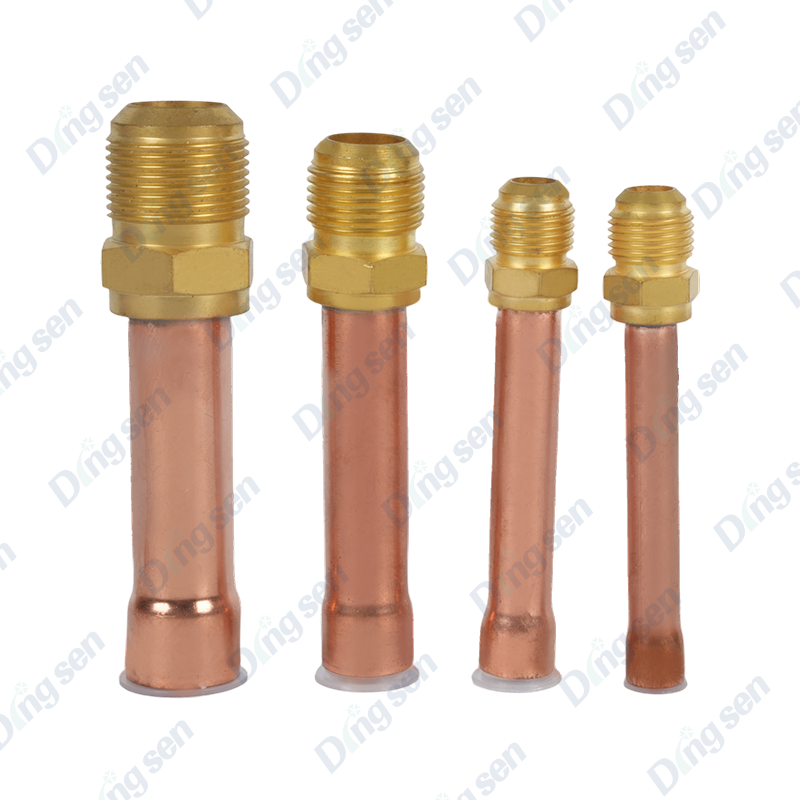
The long air conditioning copper pipe connector is a metal connector designed sp...
-
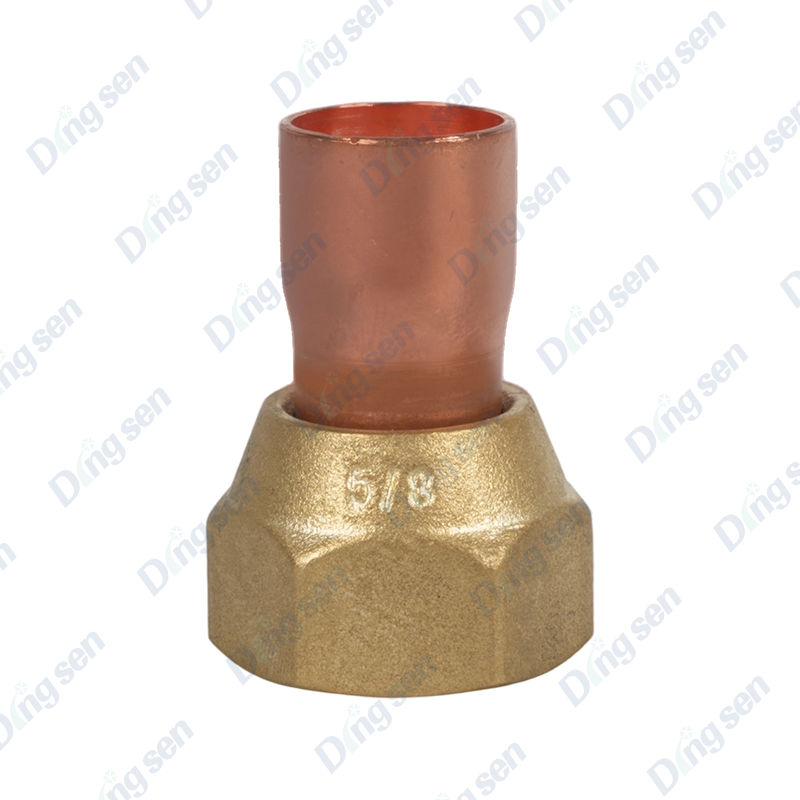
The cup shaped air conditioning copper pipe connector is a high-performance acce...
-
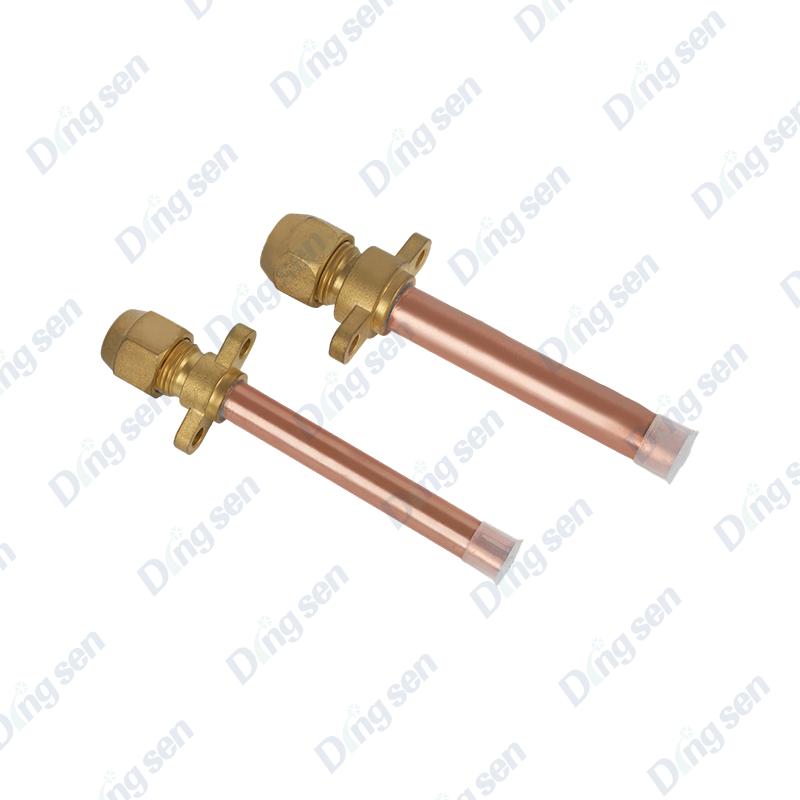
The hammerair conditioning copper pipe connector is a pipe connector designed sp...
-
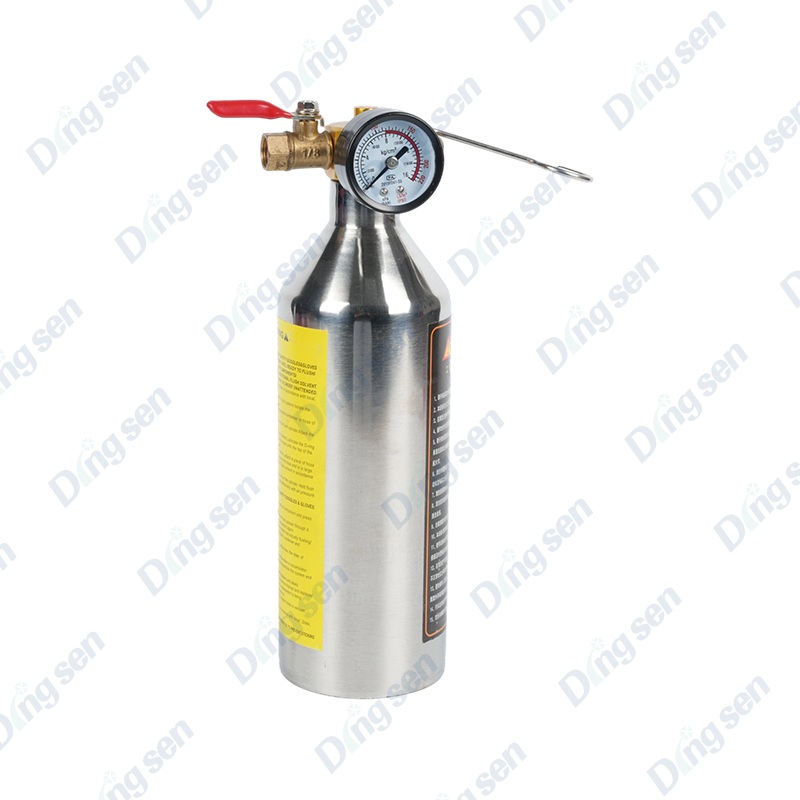
The stainless steel car air conditioning pipe cleaning bottle has a capacity of ...
-
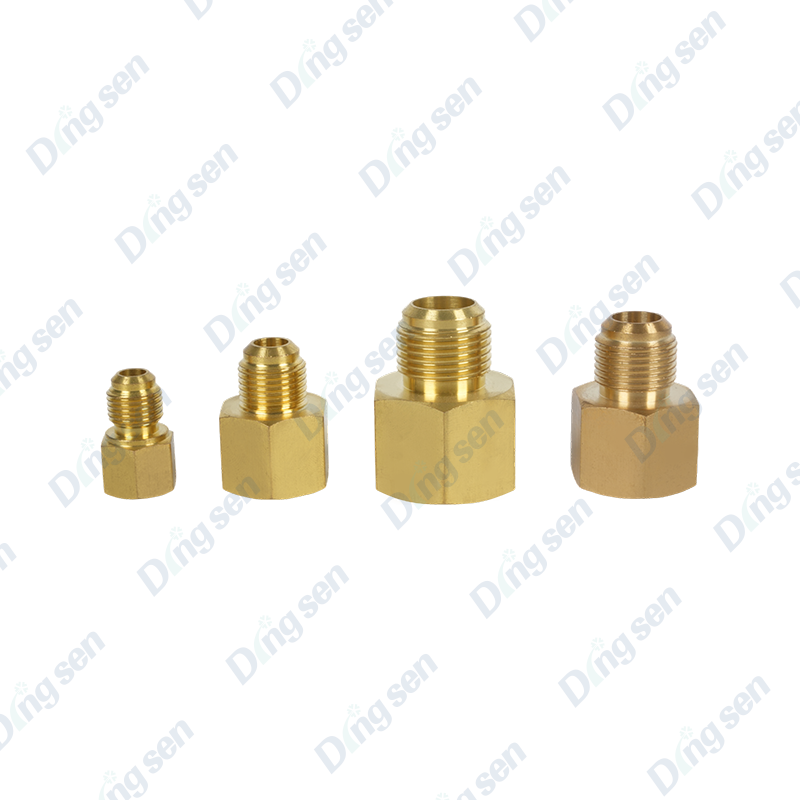
Air conditioning copper pipe female-male connector are core fittings for connect...
-
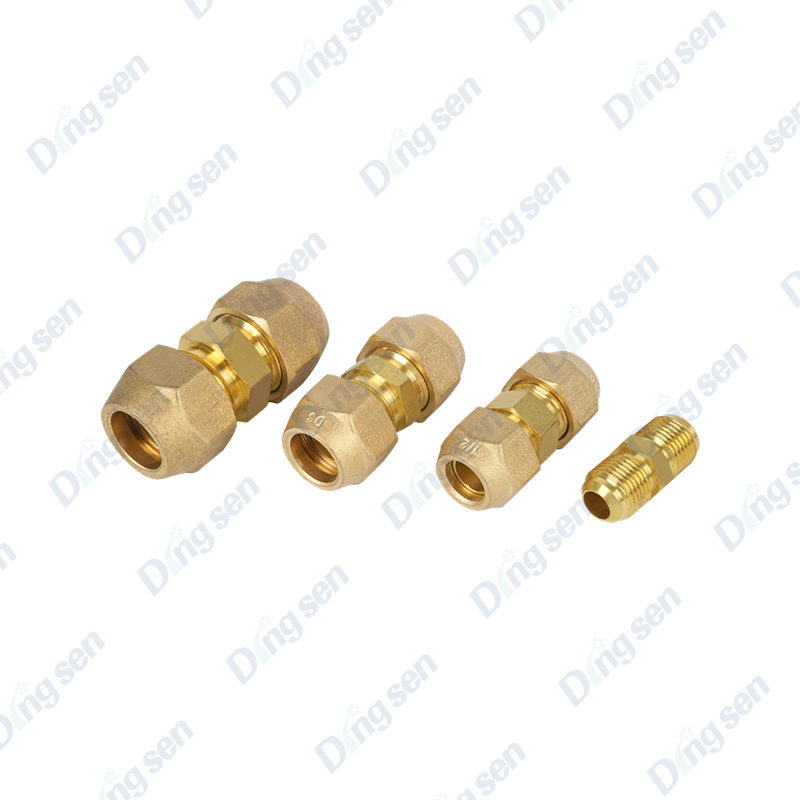
Air conditioning copper pipe duoble connector are core fittings for connecting t...

Contact Us
-

No. 109 Jiefang Road, Diankou Town, Zhuji City, Shaoxing, Zhejiang Province
-

+86-13867581196
-

Copyright © shaoxing DingSen Refrigeration Technology Co Ltd. All Rights Reserved
OEM Refrigeration Parts Manufacturer Custom Automotive AC Parts Factory