
 en
en  Español
 عربى
عربى
What are Air Conditioner Repair Tools?
Air conditioner repair tools are specialized instruments used to diagnose, service, and repair the mechanical, electrical, and refrigerant components of an air conditioning system, ranging from pressure gauges that measure refrigerant levels to multimeters that test electrical circuits and vacuum pumps that prepare a system for recharging. These tools fall into several distinct categories based on the type of task they perform, and understanding what each category covers helps technicians and DIYers select the right equipment for a given repair job. A complete Air Conditioner Repair Tool series typically bundles tools from each of these categories together, since a full AC repair often requires moving between refrigerant diagnostics, electrical testing, and mechanical adjustment within a single service visit. The sections below break down each major category and explain what it is used for.
Content
- 1 Refrigerant System Tools
- 2 Leak Detection Equipment
- 3 Electrical Testing Instruments
- 4 Line Set and Tubing Tools
- 5 Airflow and Temperature Measurement Tools
- 6 General Mechanical and Assembly Tools
- 7 Safety and Protective Equipment
- 8 How These Tool Categories Work Together
- 9 Choosing Tools That Cover Every Category
Refrigerant System Tools
Refrigerant system tools are used to measure, evacuate, and recharge the sealed refrigerant circuit that allows an air conditioner to absorb and release heat. This category includes manifold gauge sets, vacuum pumps, refrigerant scales, and recovery machines, all of which work together during the process of diagnosing and correcting refrigerant charge issues.
Common Refrigerant Tools and Their Function
| Tool | Primary Function |
| Manifold Gauge Set | Measures high and low side refrigerant pressure |
| Vacuum Pump | Removes air and moisture before recharging |
| Refrigerant Scale | Measures exact refrigerant weight added to the system |
| Recovery Machine | Safely removes refrigerant from a system before repair |
Leak Detection Equipment
Since refrigerant does not deplete through normal operation, low pressure readings almost always indicate a leak somewhere in the system, which is why leak detection tools are considered essential rather than optional in any repair kit. This category includes electronic leak detectors, which sense refrigerant vapor in the surrounding air, and UV dye kits, which add fluorescent dye to the system so leak points glow visibly under UV light.
Why Leak Detection Precedes Recharging
Recharging a system without first locating and repairing the source of a leak results in the new refrigerant escaping through the same opening within a short period, often within weeks. Locating the leak first, using either electronic detection or dye tracing, ensures the repair addresses the actual cause rather than just temporarily restoring cooling performance.
Electrical Testing Instruments
A significant portion of air conditioner failures stem from electrical issues rather than refrigerant problems, including failed capacitors, worn contactors, and faulty compressor windings, all of which require electrical testing tools to diagnose accurately. A digital multimeter is the primary tool in this category, capable of measuring voltage, current, resistance, and capacitance across various AC components.
What Electrical Tools Help Diagnose
- Whether a run or start capacitor is holding its rated microfarad value
- Continuity across contactors, relays, and thermostat wiring
- Voltage supply reaching the compressor and fan motor
- Whether compressor windings show signs of a short or open circuit
Line Set and Tubing Tools
Refrigerant lines require precise fittings to maintain a sealed connection under system pressure, and this is where tubing tools such as flaring tools, swaging tools, and tubing cutters come into play. Flaring tools create the cone-shaped end needed for flare fittings, while swaging tools expand tubing to allow same-diameter pipes to be joined without a separate coupling.
Common Line Set Tools
- Tubing cutters for making clean, square cuts on copper refrigerant lines
- Flaring tools for creating sealed flare connections
- Swaging tools for joining tubing without additional couplings
- Tube benders for shaping lines around obstacles without kinking
Airflow and Temperature Measurement Tools
Beyond refrigerant and electrical diagnostics, proper airflow across the evaporator and condenser coils is critical to overall system performance, and specialized measurement tools help identify airflow restrictions or temperature differentials that point to underlying problems. Digital thermometers measure supply and return air temperature to calculate the temperature split across the evaporator coil, while anemometers measure air velocity moving through ductwork or across the coil surface.
What These Measurements Reveal
A properly functioning air conditioner typically produces a temperature split of 15 to 20 degrees Fahrenheit between the return air and supply air, a range commonly referenced in HVAC service training materials. A split significantly outside this range often points to airflow restriction, refrigerant charge issues, or a dirty coil that needs cleaning.
General Mechanical and Assembly Tools
Every AC repair also requires standard mechanical tools to access panels, remove and reinstall fasteners, and handle general assembly work throughout the service process. This category includes adjustable wrenches, nut drivers, insulated screwdrivers, and pliers, which together cover most of the physical access needs during a typical repair.
Frequently Used Mechanical Tools
- Adjustable wrenches for line fittings and mounting hardware
- Nut drivers for removing access panels quickly
- Insulated screwdrivers for safe work near live electrical components
- Pliers and wire strippers for handling electrical connections
Safety and Protective Equipment
Because AC repair involves both pressurized refrigerant and live electrical circuits, protective equipment is considered a core part of any repair toolkit rather than a separate accessory category. Safety glasses guard against refrigerant splash during connection and disconnection, while insulated gloves protect against both cold burns from liquid refrigerant and electrical shock during wiring work.
Standard Safety Items
- Safety glasses rated for chemical splash protection
- Insulated gloves suited for both cold and electrical exposure
- A properly rated fire extinguisher for work near electrical panels
How These Tool Categories Work Together
A single AC repair job often requires moving between several of these tool categories in sequence, starting with electrical testing to rule out simple component failures, moving to refrigerant diagnostics if pressures appear abnormal, and finishing with line set or mechanical tools if physical repairs are needed. Understanding how these categories connect helps technicians and DIYers approach a repair systematically rather than guessing at the cause of a malfunction.
Choosing Tools That Cover Every Category
Since a thorough AC repair rarely stays within a single tool category, having access to refrigerant, electrical, and mechanical tools together in one coordinated set saves time and reduces the chance of an incomplete diagnosis. A professional Air Conditioner Repair Tool series is designed to bring these categories together into one practical kit, giving technicians and DIYers the range of equipment needed to move confidently from initial diagnosis through to a completed repair.
-
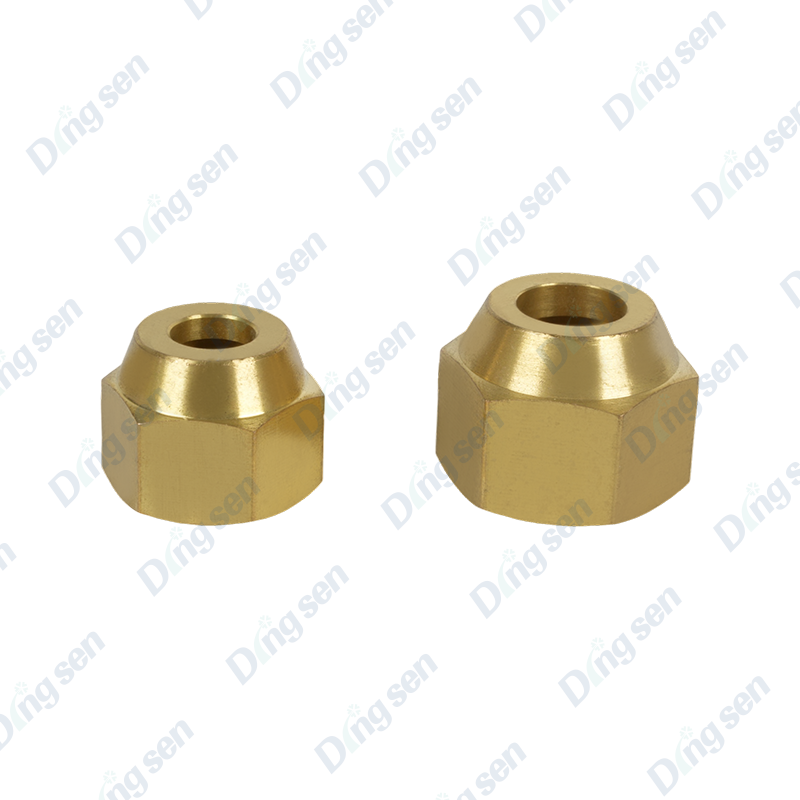
Air conditioning reducing nuts are sealed connectors for connecting copper pipes...
-
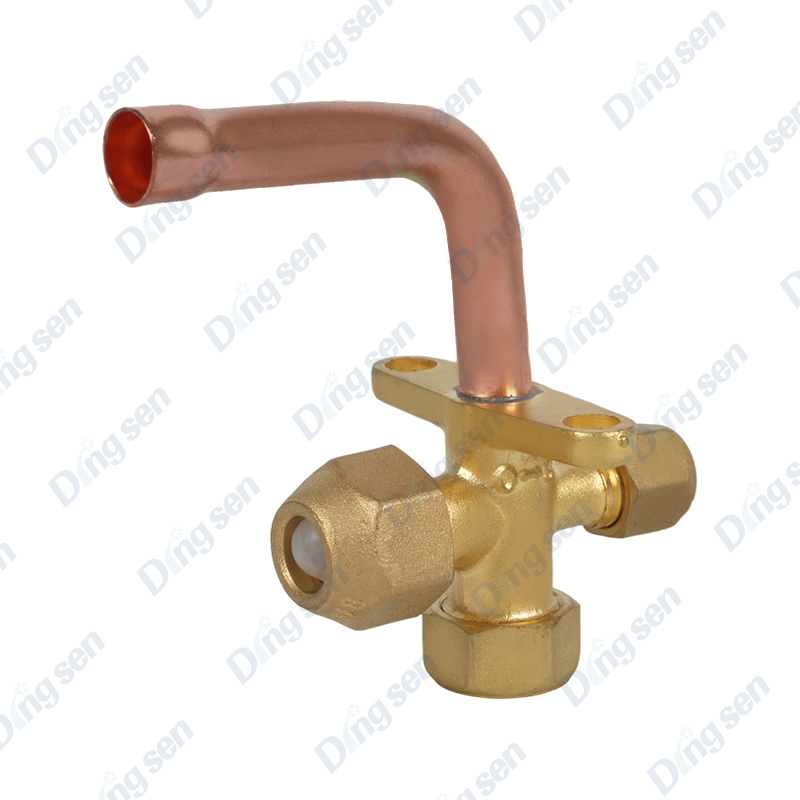
The air conditioning three-way valve is a key component for switching and contro...
-
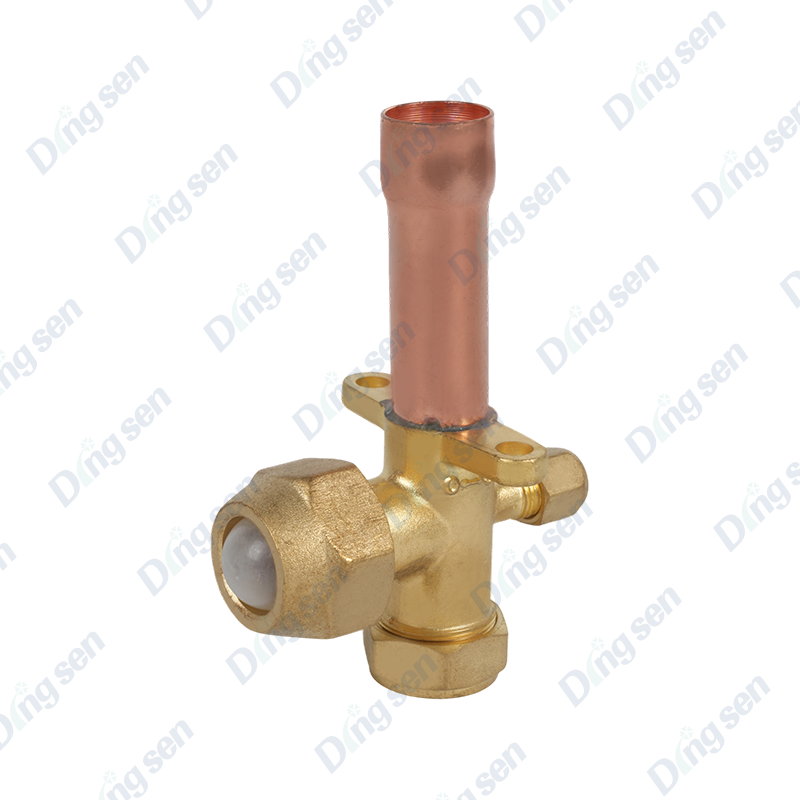
The air conditioning three-way valve is a key component for switching and contro...
-
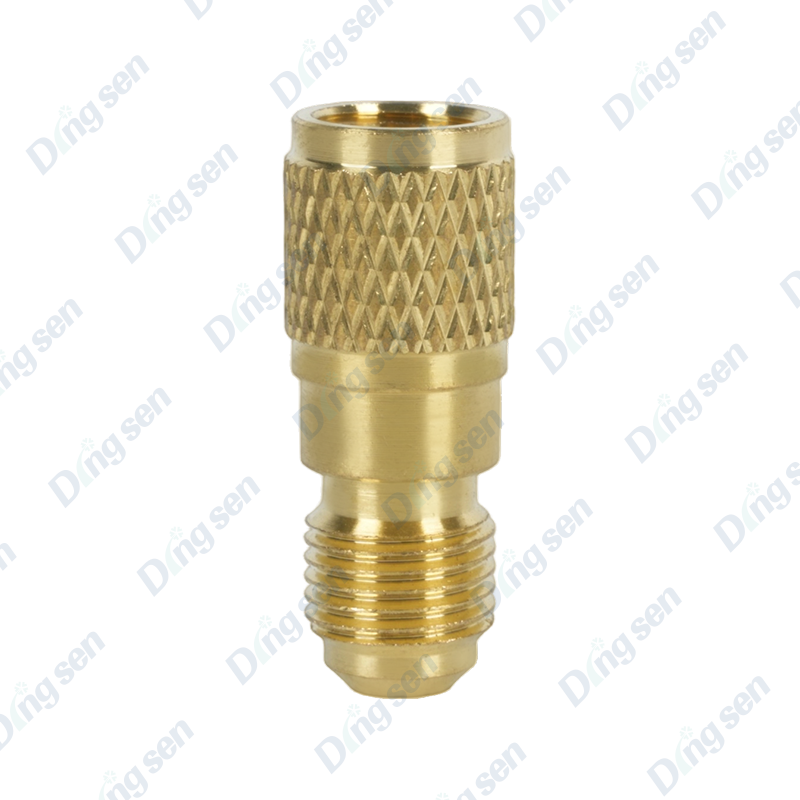
The air conditioning refrigerant charging adapter is an adapter fitting for air ...
-
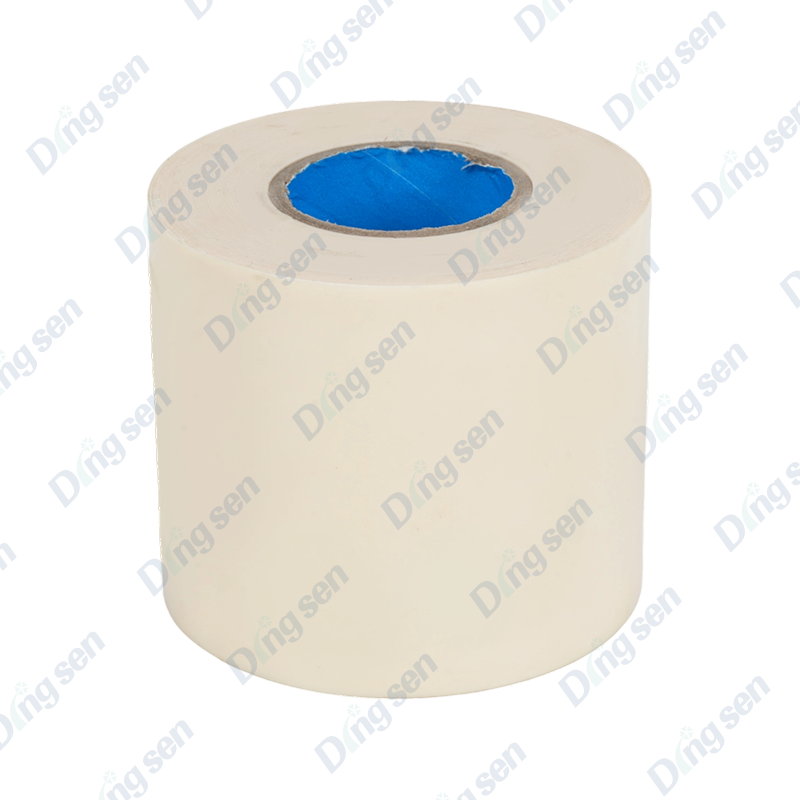
Air conditioning pipe bandage strip is used to secure and protect the pipes conn...
-
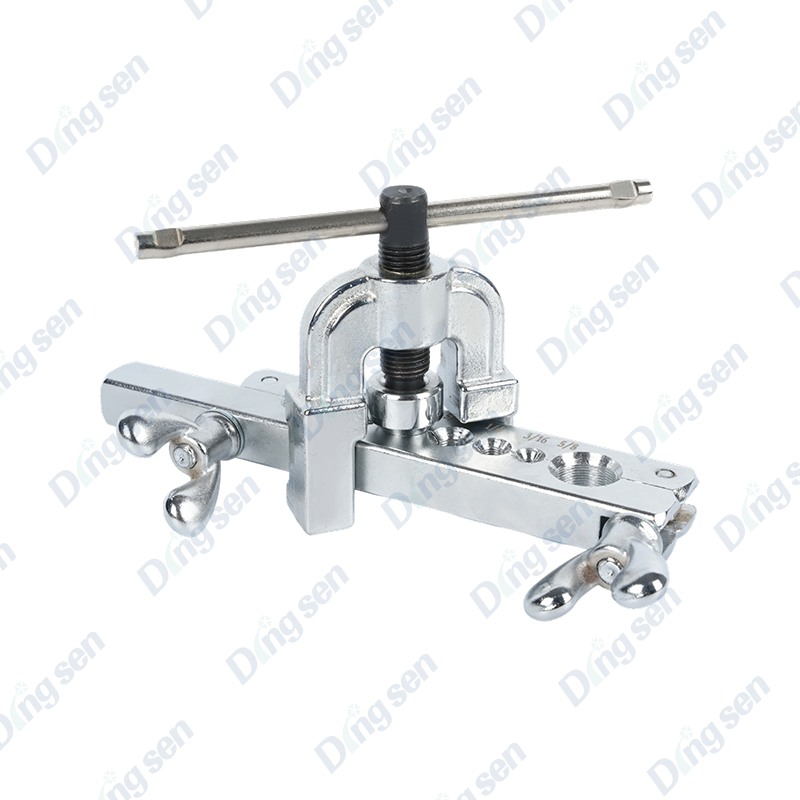
The air conditioning copper tube reamer is a specialized tool for connecting cop...

Contact Us
-

No. 109 Jiefang Road, Diankou Town, Zhuji City, Shaoxing, Zhejiang Province
-

+86-13867581196
-

Copyright © shaoxing DingSen Refrigeration Technology Co Ltd. All Rights Reserved
OEM Refrigeration Parts Manufacturer Custom Automotive AC Parts Factory