
 en
en  Español
 عربى
عربى
Most solenoid valve callbacks start with a symptom rather than a theory. A walk in cooler runs all night and never reaches its set point. A heat pump reverses at the wrong moment. An ice machine floods the evaporator after shutdown. A technician then pulls the coil off, presses the plunger with a s...
READ MOREHome / Products / Refrigeration and Air Conditioning System Accessories / Refrigerant gas-liquid separator
Recommended Products
Brochure
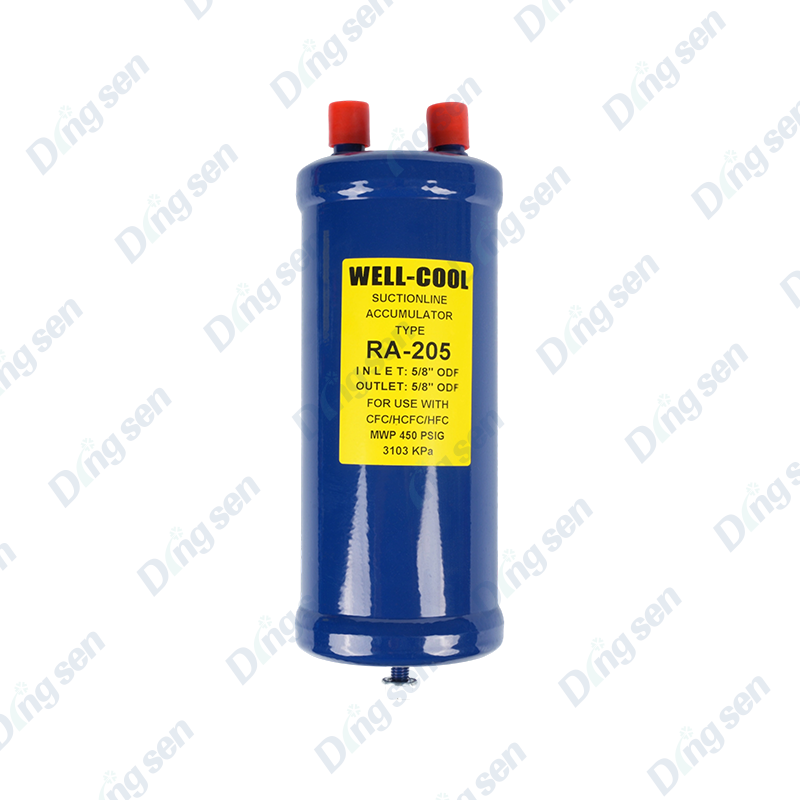
Refrigerant gas-liquid separator
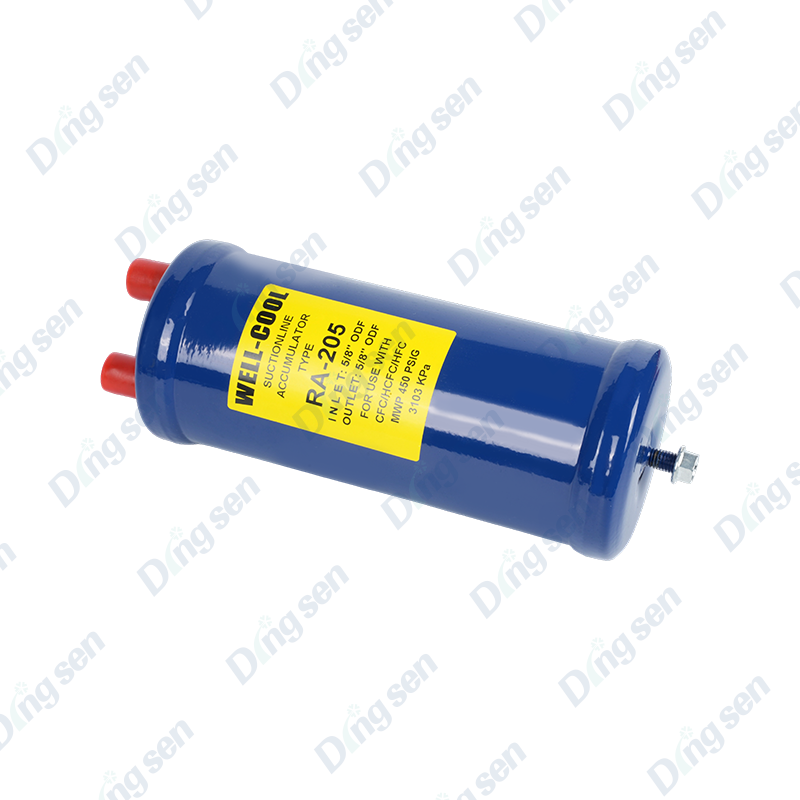
The refrigerant gas-liquid separator is a core separation component in refrigeration systems. It efficiently separates the gas and liquid phases in the refrigerant, preventing liquid refrigerant from entering the compressor and causing liquid hammer, thereby ensuring safe and efficient operation of the unit.
It is suitable for return air lines in refrigeration equipment, air conditioning systems, and various refrigeration units, meeting separation requirements in various scenarios.
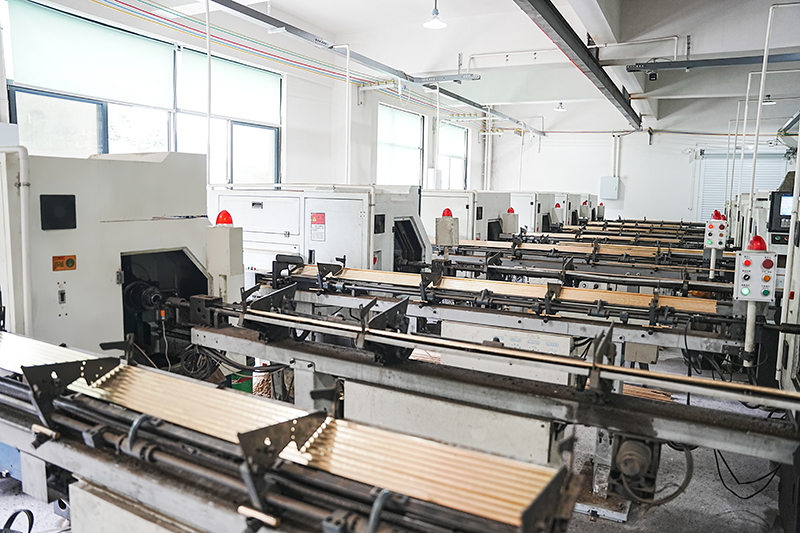
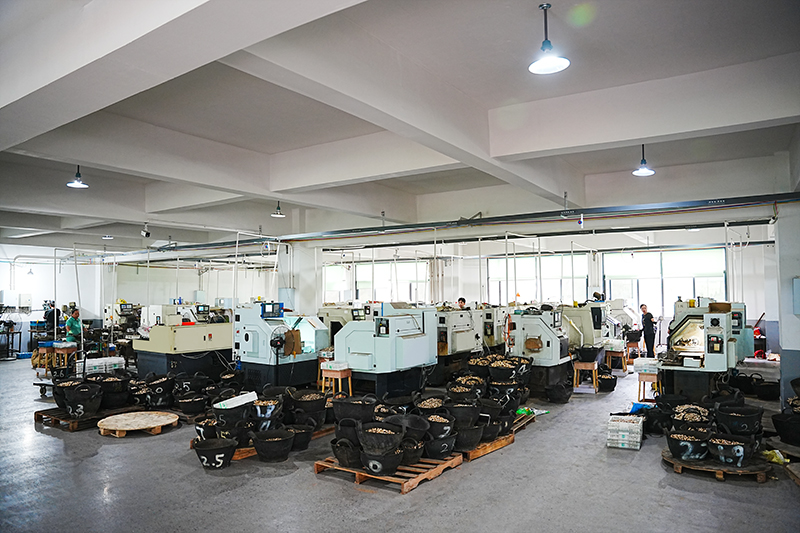
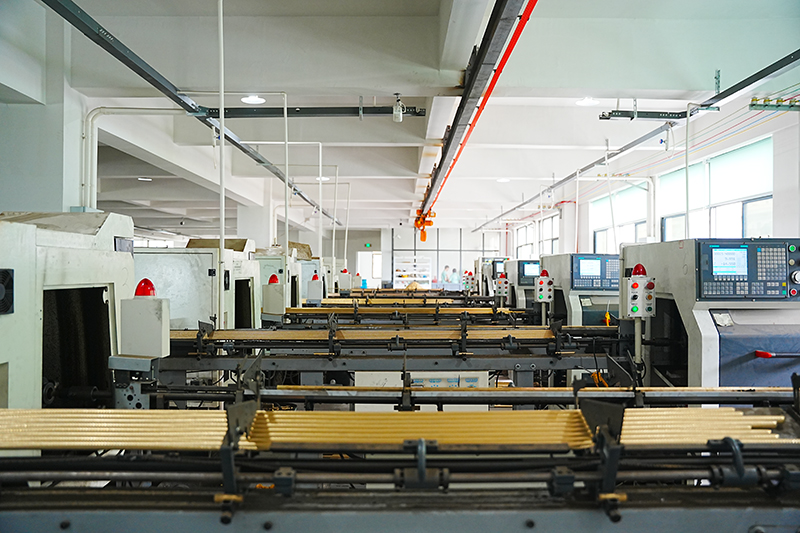
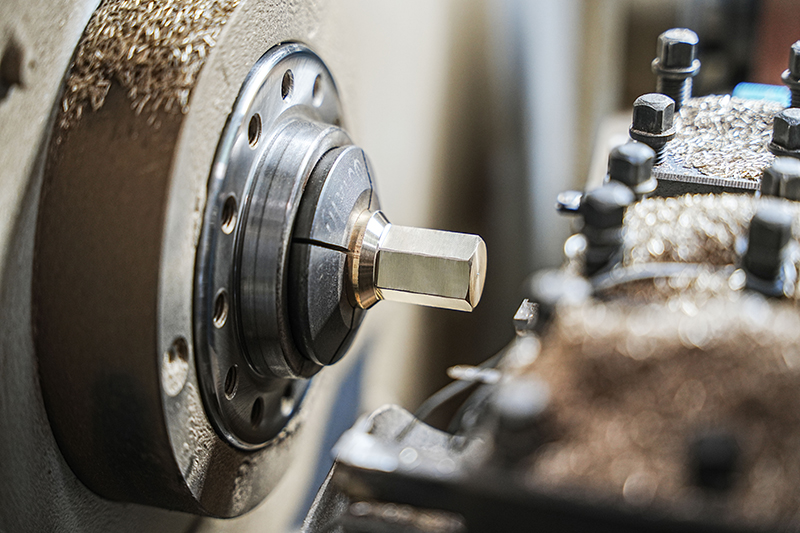
It utilizes a heat-resistant and pressure-resistant housing, undergoes precision molding, and undergoes air-tightness testing to ensure stable separation performance.
Our service includes pre-sales selection and after-sales maintenance guidance. Advantages include excellent separation efficiency, a wide range of compatibility, strong durability, and easy installation.
As a key gas-liquid separation device in the refrigeration system, the refrigerant gas-liquid separator has significant core advantages: it adopts a high-efficiency separation structure design, and through the dual effects of inertial separation and centrifugal separation, it can accurately separate the gas and liquid phases in the refrigerant return line, with a separation efficiency of over 98%. It can effectively prevent liquid refrigerant from entering the compressor and causing liquid hammer failure, avoiding problems such as cylinder damage and motor burning caused by liquid hammer in the compressor. At the same time, it reduces the oil shortage and wear of the compressor caused by the discharge of lubricating oil with the liquid refrigerant, significantly improving the operating safety and stability of the unit and extending the service life of the compressor. The shell is made of high-quality, heat-resistant and pressure-resistant alloy material, and is processed through precision casting and integral molding technology. It can withstand a wide temperature range of -50℃~150℃ and high-pressure environment, and the built-in anti-liquid hammer buffer structure can further enhance the stability of system operation. Core selling points directly address industry pain points: stable separation efficiency, eliminating the need for frequent maintenance and adjustments; compatibility with mainstream refrigerants such as R22, R410A, and R32, and compatible with units of varying cooling capacities, eliminating the need for customization based on refrigerant type or unit specifications, reducing procurement and inventory costs; and flexible installation options, supporting horizontal or vertical installation to accommodate diverse piping layouts. Suitable for a wide range of applications, the product can be installed in residential central air conditioners, commercial refrigerated display cabinets, supermarket cold chain systems, industrial cold storage, and the return air lines of large chillers. It provides reliable gas-liquid separation for various refrigeration systems, ensuring continuous and efficient operation of units, reducing the frequency of repairs, and lowering long-term maintenance costs.
-
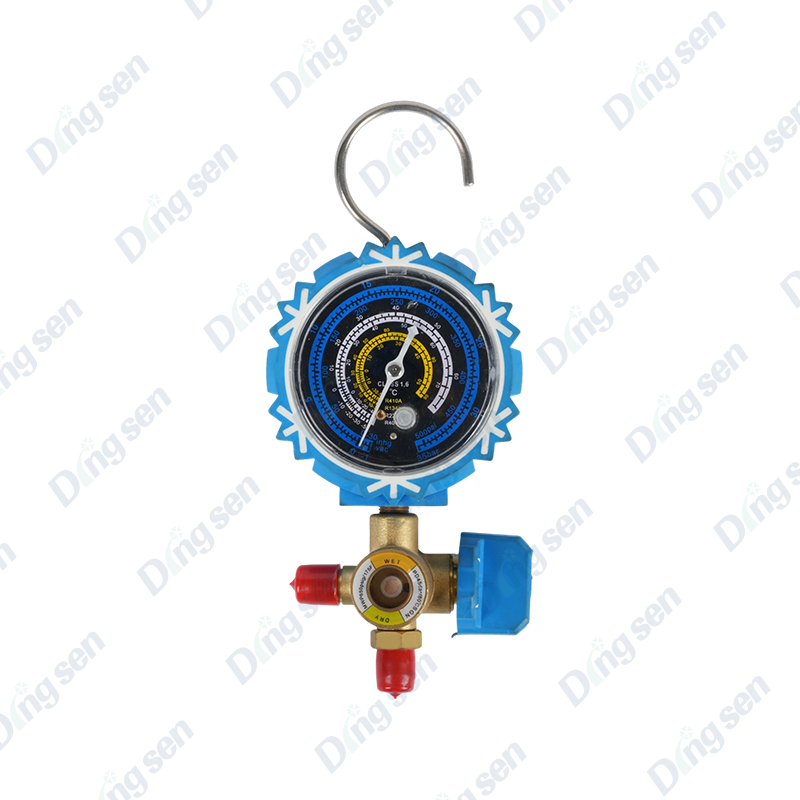
The refrigerant single gauge is a specialized instrument for refrigerant system ...
-
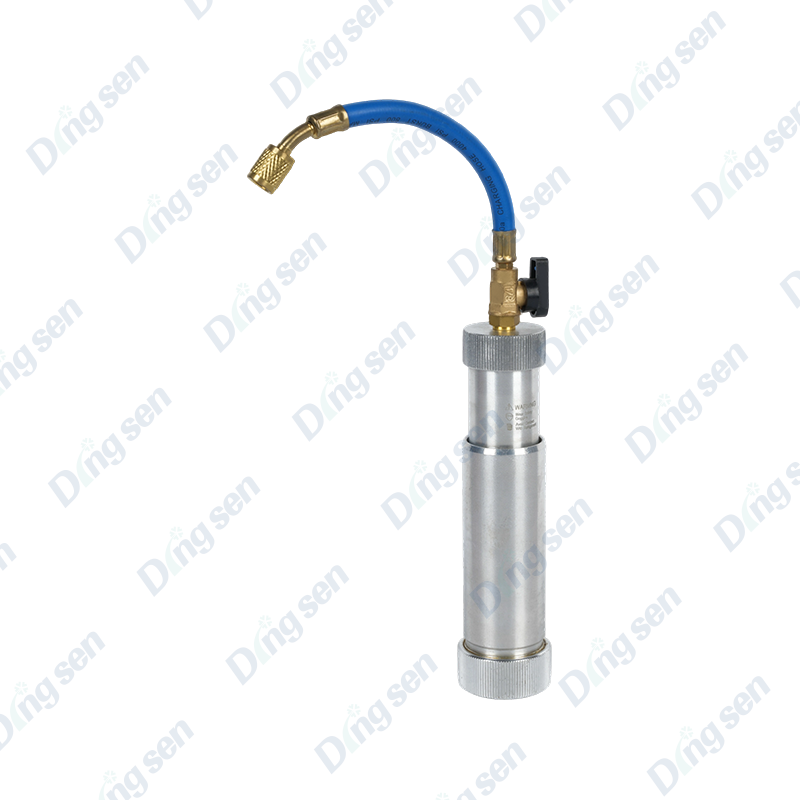
Refrigerant and refrigeration oil filler is a special device for replenishing me...
-
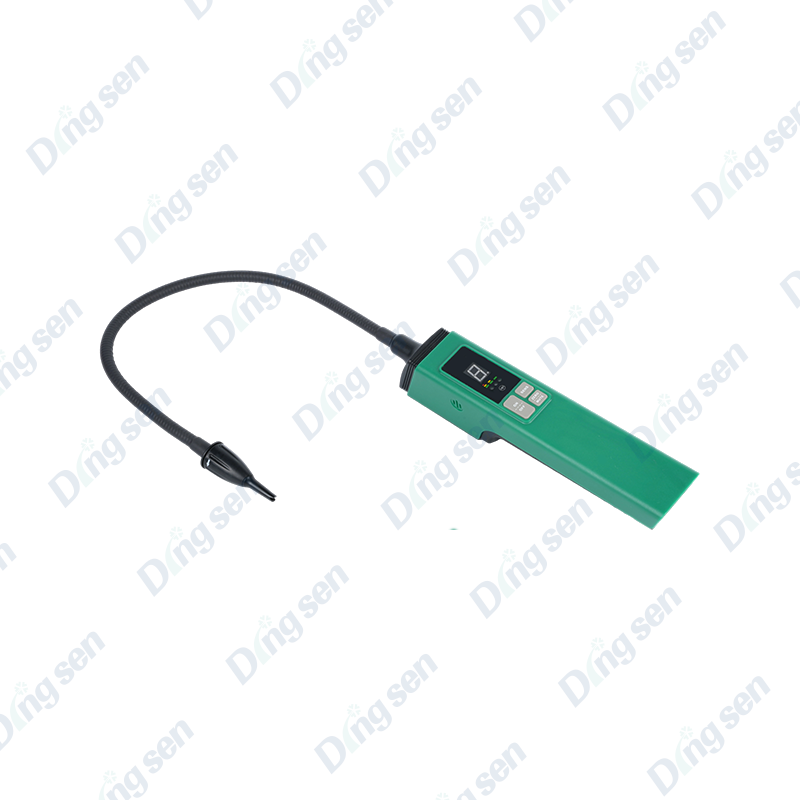
The refrigerant leak detector is a specialized device for detecting leaks in ref...
-
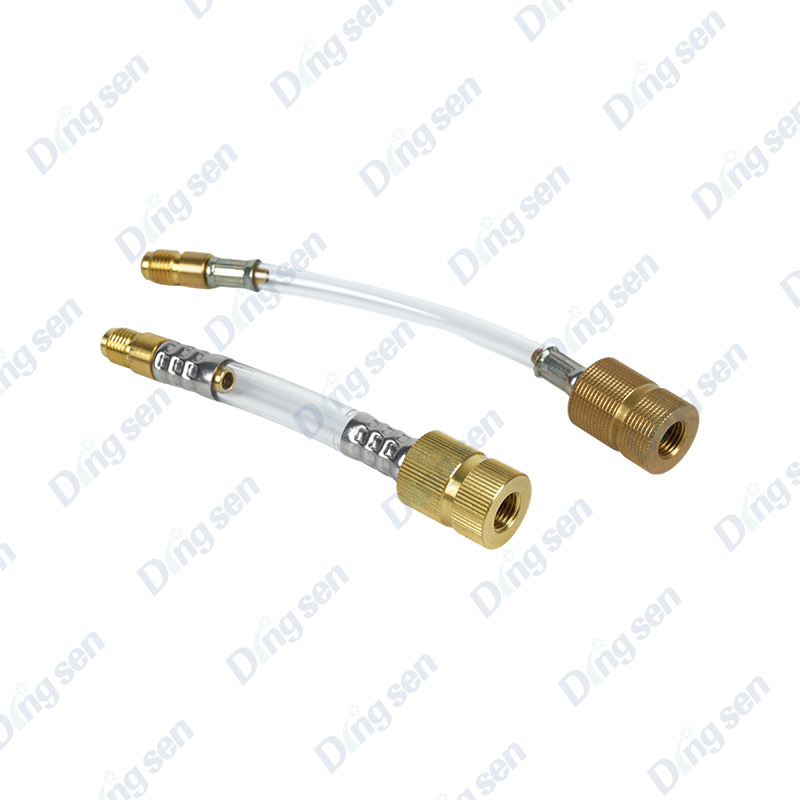
The Refrigerant rapid injection pump automotive air conditioning filling system ...
-
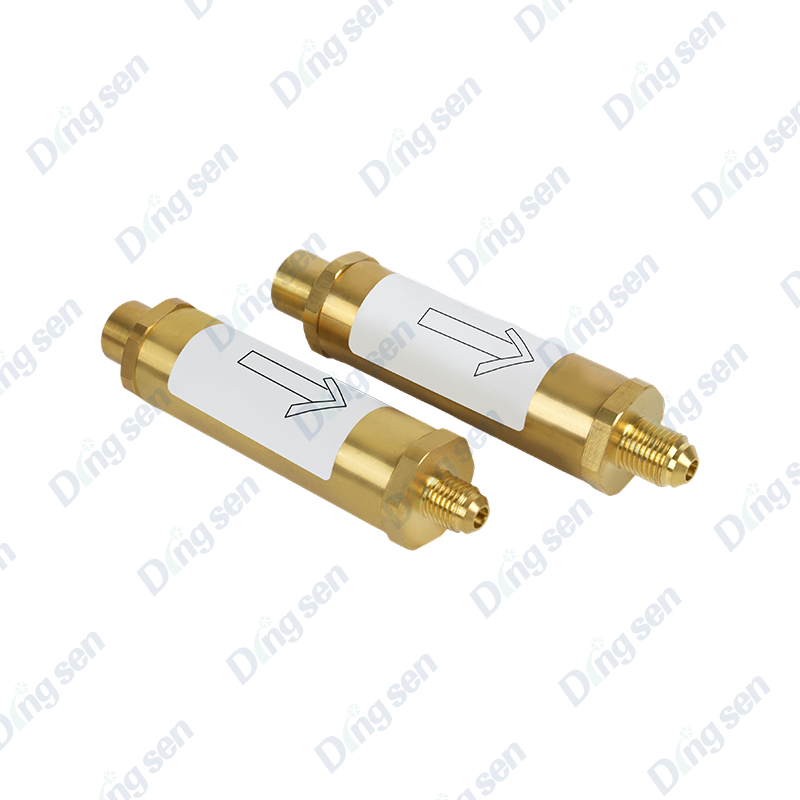
Refrigerant vaporizer are key components in refrigeration systems, rapidly atomi...
-
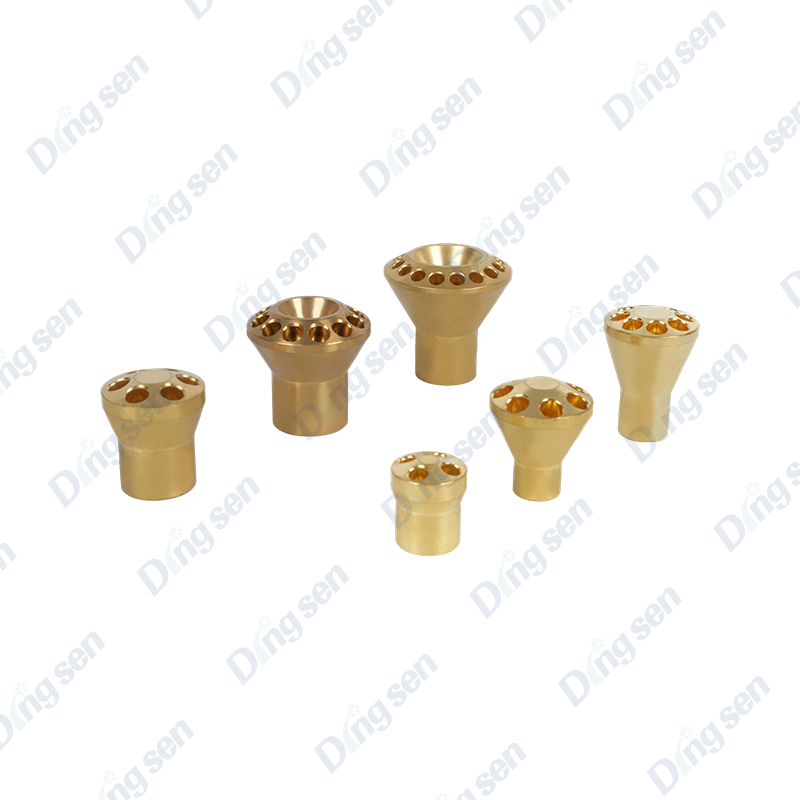
The brass refrigerant distribution liquid separator is a core component of refri...
About DingSen
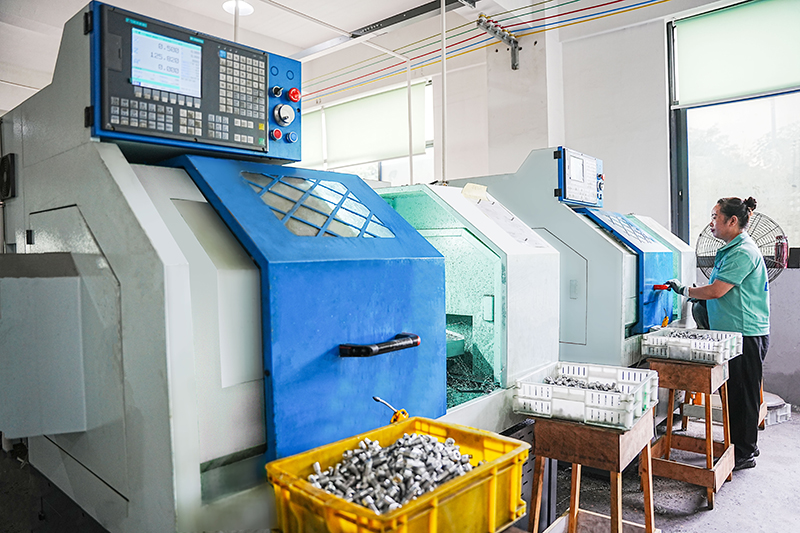
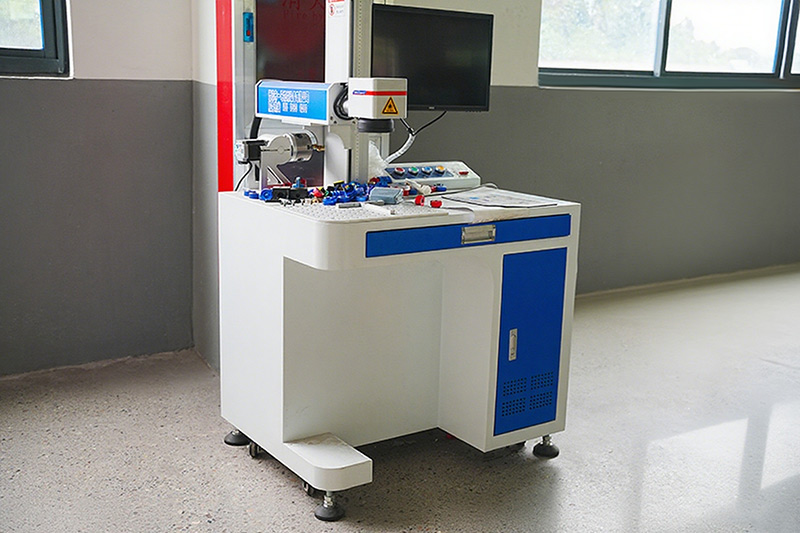
Shaoxing DingSen Refrigeration Technology Co., Ltd. founded in 2008, is a China Refrigerant gas-liquid separator Manufacturers and Refrigerant gas-liquid separator Factory, mainly producing refrigeration accessories and auto air-conditioning accessories. Having been established for more than 10 years, the company has since taken "Honesty and Innovation" as its goal, and "Superb Manufacture, Good Virtue, Serious Attitude, and High Quality" as its business philosophy. Guided by high-tech development, it adheres to a sustainable path of growth focused on quality and benefit.
Through continuous innovation and practice, the company has built a solid quality foundation and a guaranteed reputation in the manufacturing industry. Meanwhile, with efficient and high-quality service and a belief in mutual benefit, the company actively cooperates with businesses from all fields, constantly explores the market, and strives to create a better tomorrow.
- Dingsen: Refrigeration & auto AC parts since 2008.
- Decades of precision manufacturing.
- Durable evaporators, condensers, connectors.
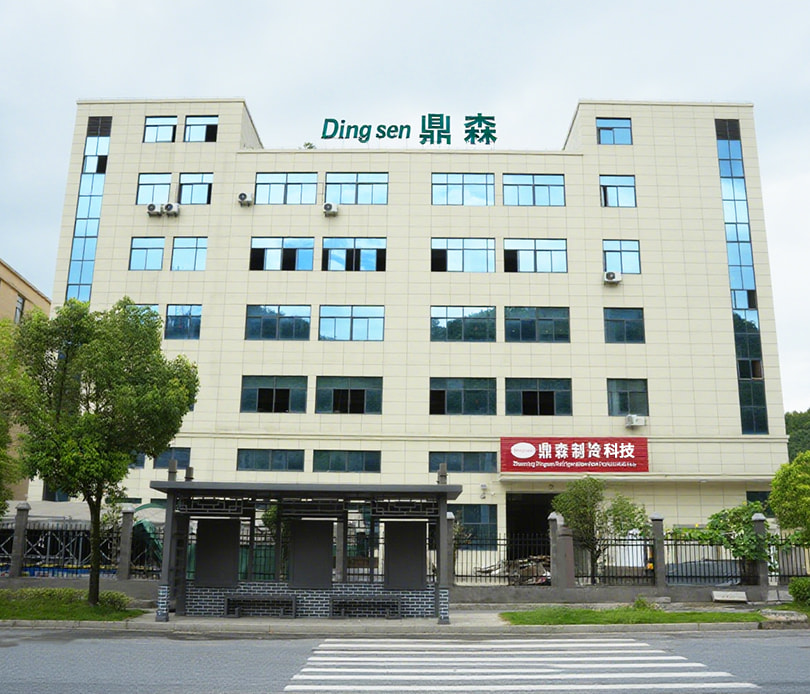
shaoxing DingSen Refrigeration Technology Co Ltd.
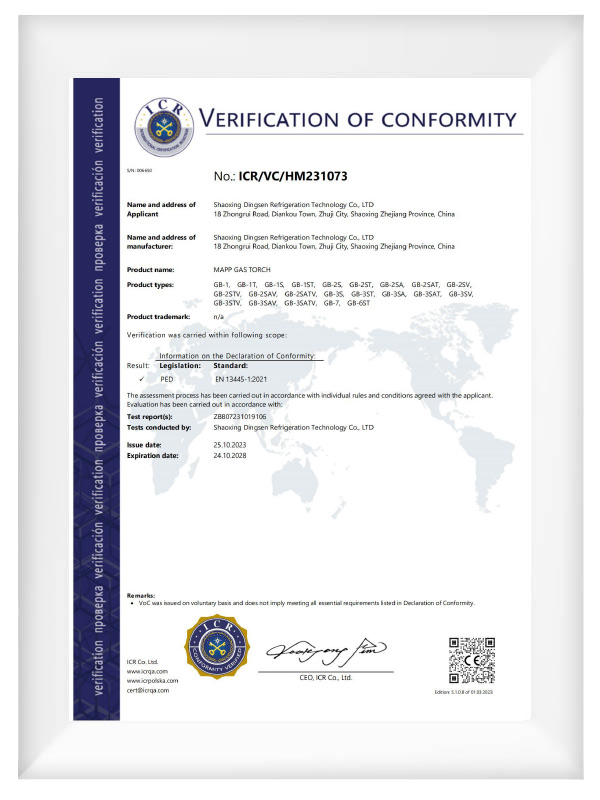
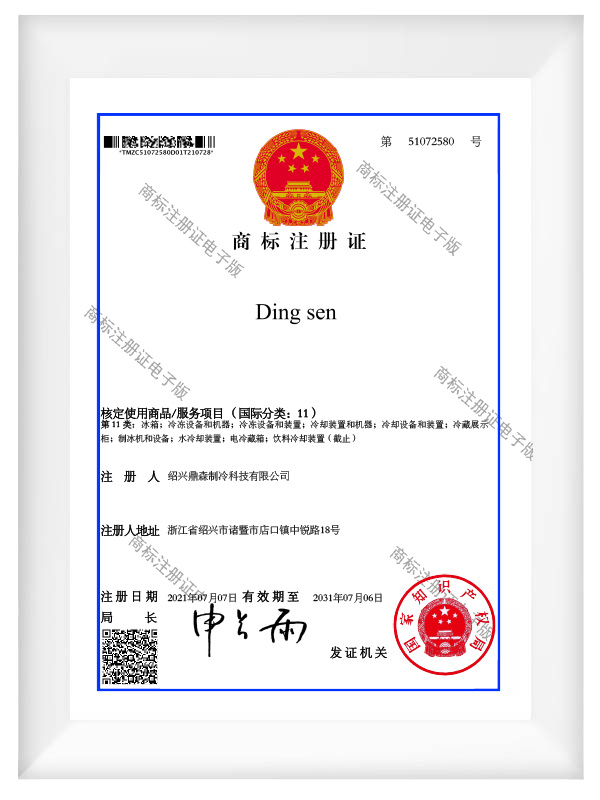
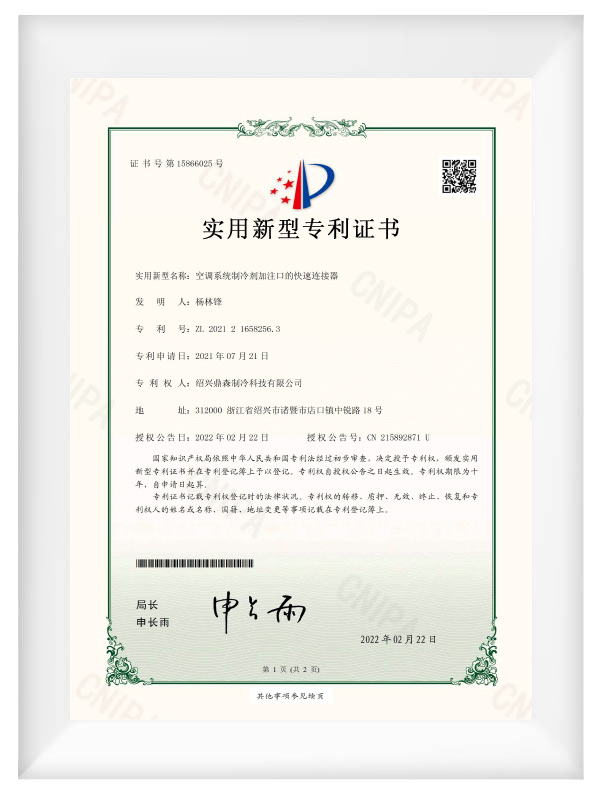
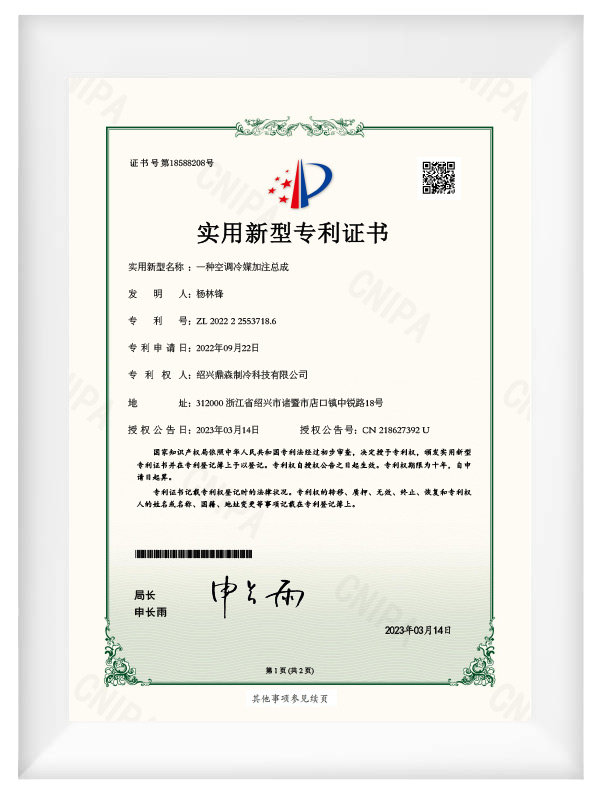
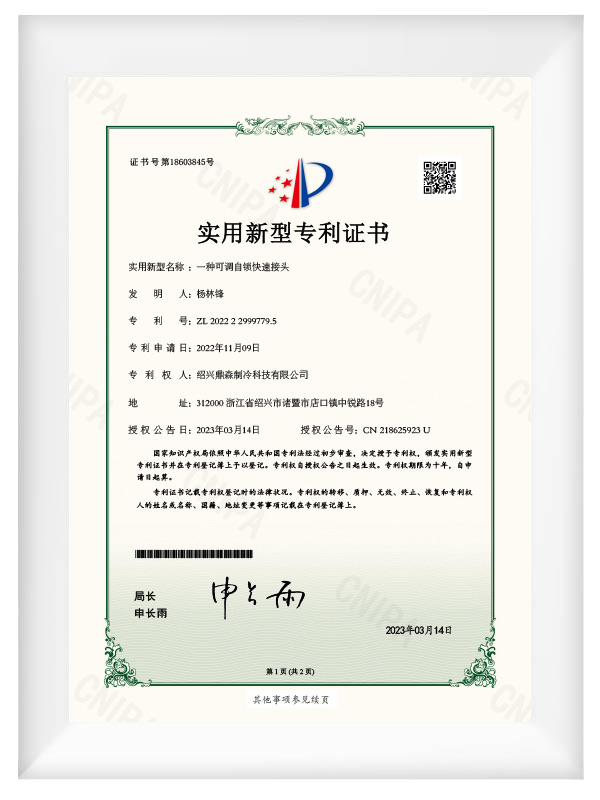
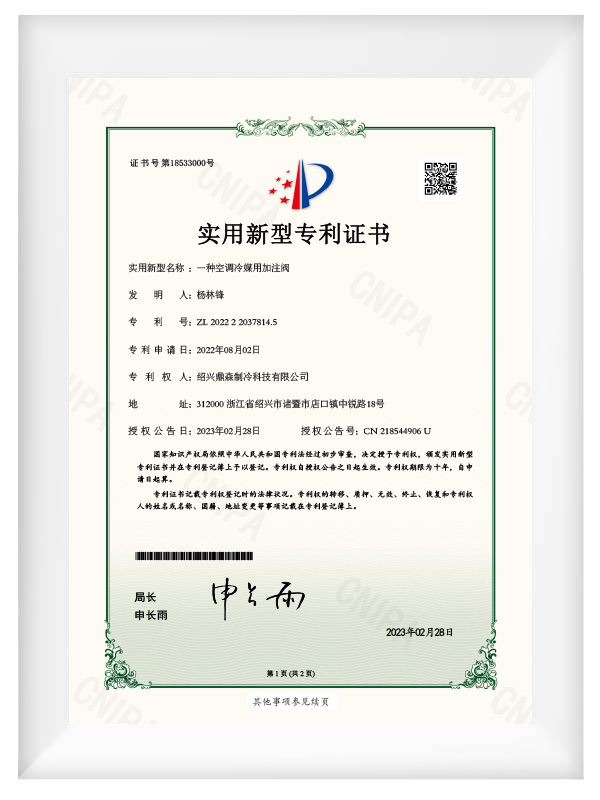
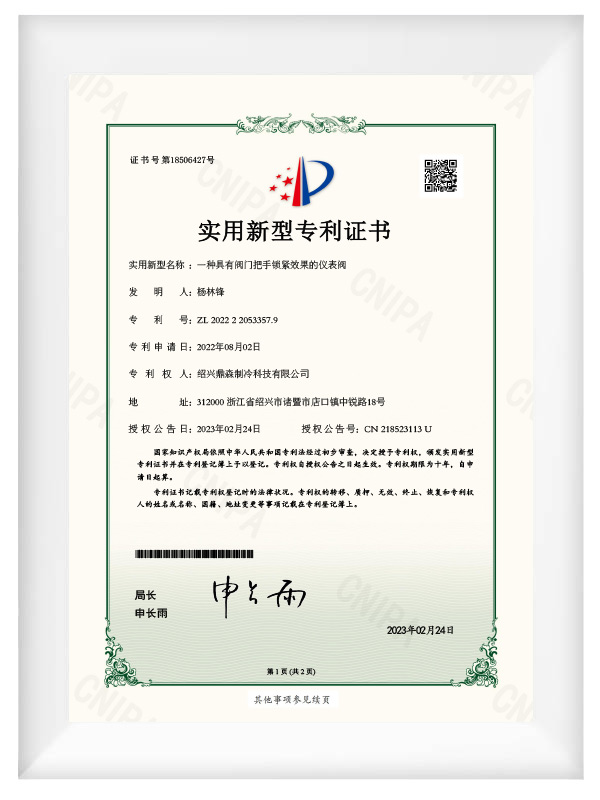
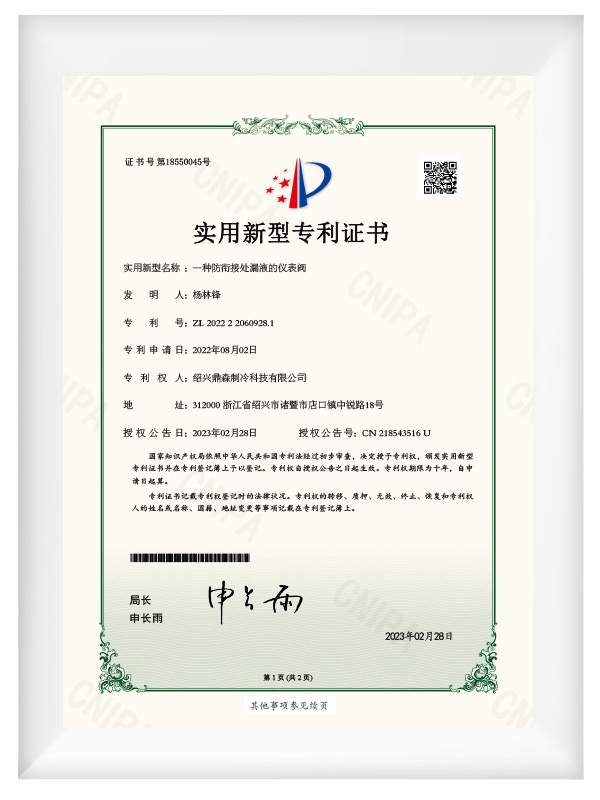
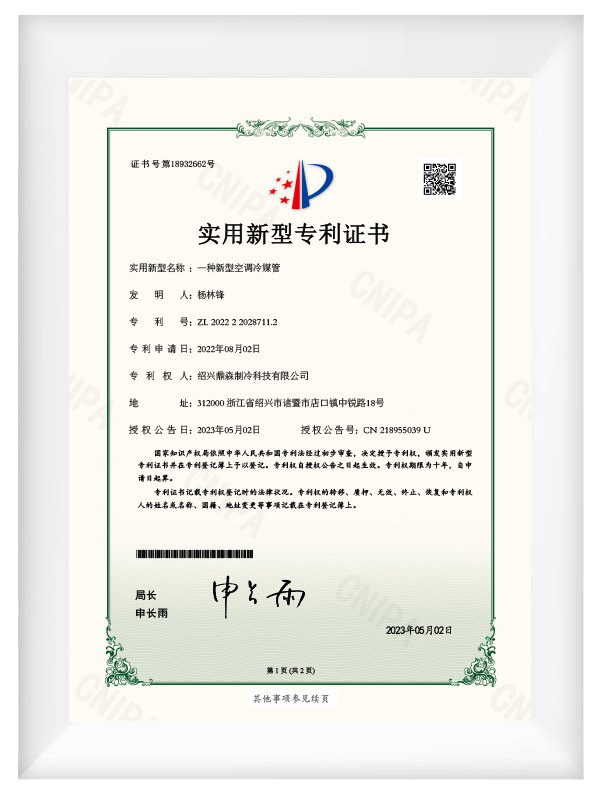
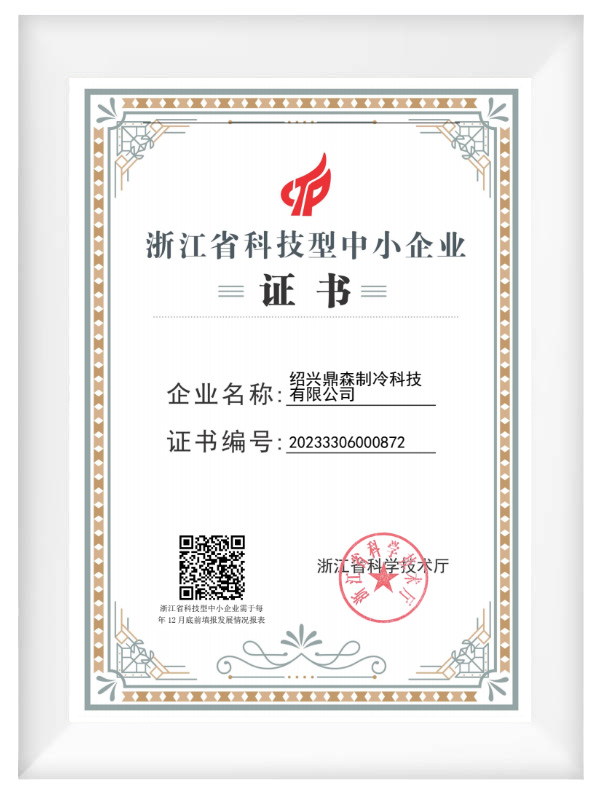
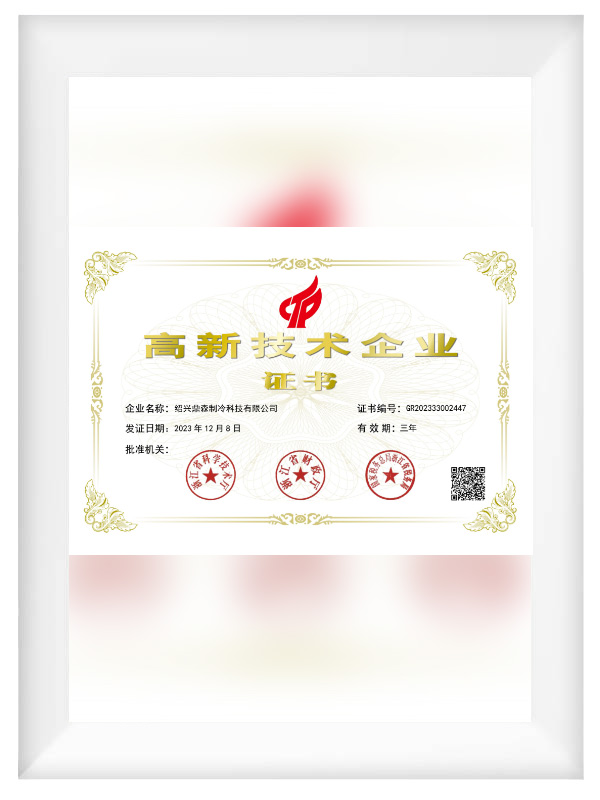
Certificate Of Honor
latest News
-
-
Hangzhou, China – October 22–24, 2026 Shaoxing DingSen Refrigeration Technology Co., Ltd., a China OEM refrigeration parts manufacturer and automotive AC parts factory, is pleased to announce its participation in the 2026 International Air Conditioning, Heating, Ventilation, Refrigeration and Cold...
READ MORE -
If a cold room drifts 2 K above its setpoint, then 3 K below it, and repeats that cycle every few minutes, the controller gets blamed before the sensor, the valve, or the door traffic does. Most of the time the hardware is fine and the loop settings are not. The short answer to how a PID controller...
READ MORE
CONTACT US
KEEP IN TOUCH
We are very glad that you come to DingSen to purchase or customize, and we
are confident to provide you with high-quality products and services.

Contact Us
-

No. 109 Jiefang Road, Diankou Town, Zhuji City, Shaoxing, Zhejiang Province
-

+86-13867581196
-

Copyright © shaoxing DingSen Refrigeration Technology Co Ltd. All Rights Reserved Refrigerant gas-liquid separator Manufacturers Refrigerant gas-liquid separator Factory
