
 en
en  Español
 عربى
عربى
Two bedrooms sit on the same floor, share one thermostat, and one of them runs four to six degrees warmer all summer. The condenser is clean, the filter is new, and the hallway stays perfectly cool. Nothing is broken. The air simply is not distributed the way the house needs it, and no thermostat s...
READ MOREHome / Products / Professional Air Conditioner Repair Tool Series / Air Conditioning Three Way Valve / Air conditioner flow control three-way valve
Recommended Products
Brochure
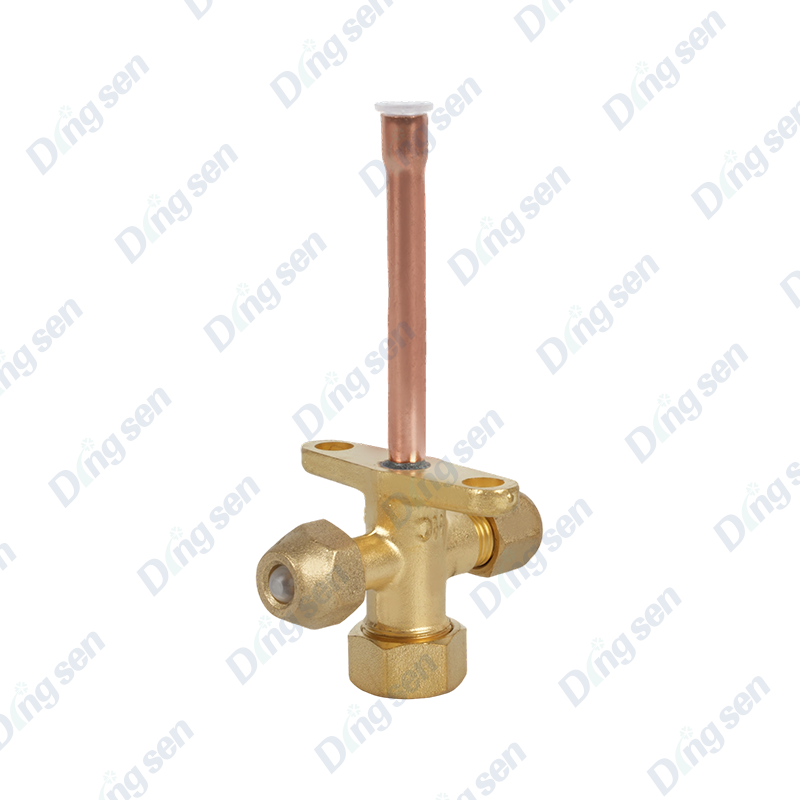
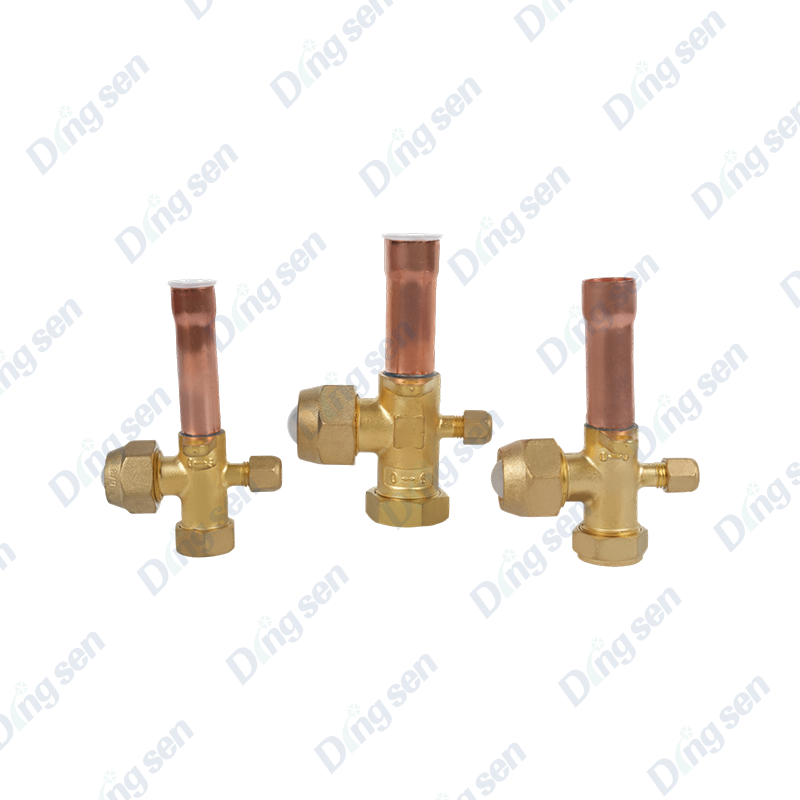
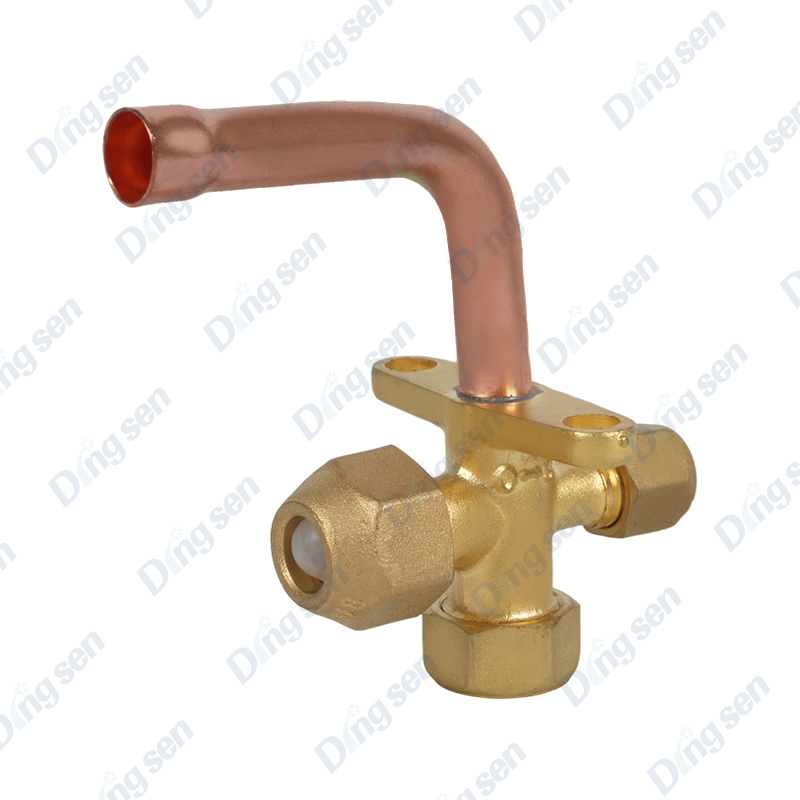
Air conditioner flow control three-way valve
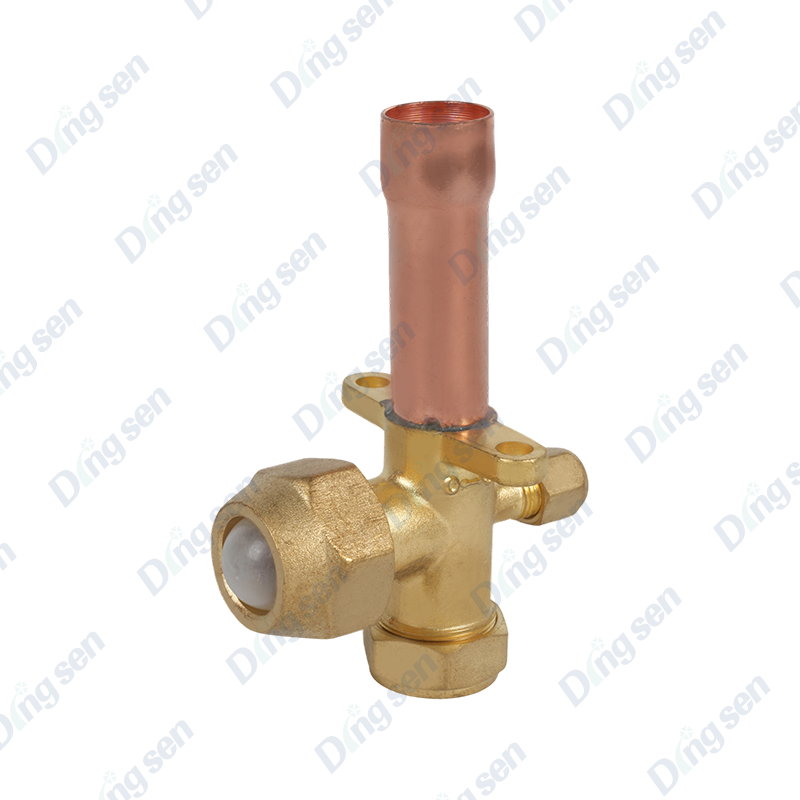
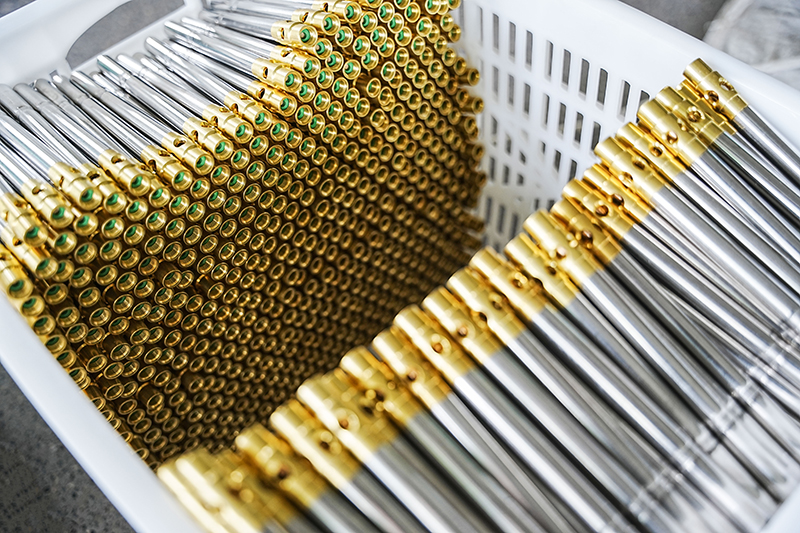
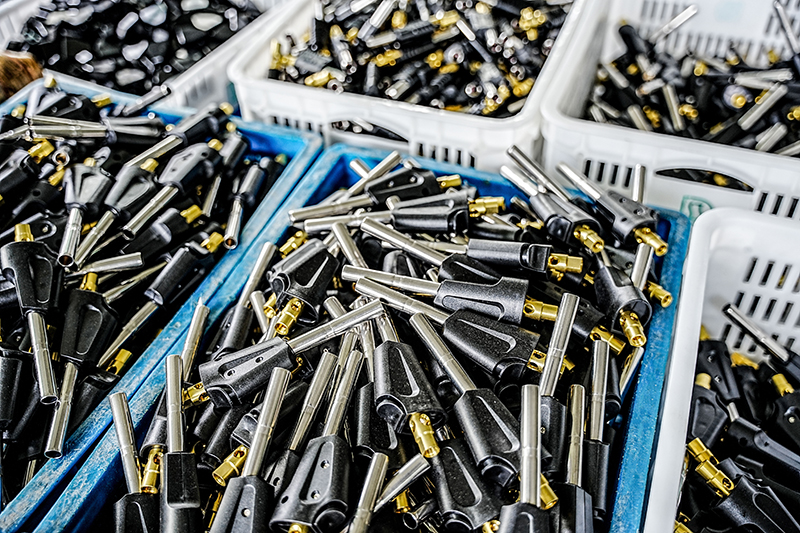
The air conditioning three-way valve is a key component for switching and controlling the refrigerant flow in air-conditioning systems. Its core advantage lies in "precise flow control + mode adaptation." It adopts a high-purity, refrigerant-resistant brass or stainless steel one-piece cast valve body and a built-in precision ceramic valve core or copper alloy valve core. By rotating the valve core, the refrigerant flow direction can be switched in two directions and the flow rate can be adjusted in a stepped manner. It adapts to the refrigerant flow requirements when switching between cooling and heating modes of the air conditioner. At the same time, the valve core and valve seat are mirror-polished and combined with refrigerant-resistant fluororubber sealing rings to form a double sealing structure. It can withstand a wide temperature range of -40℃~120℃ for a long time, ensuring stable operation. Core selling points directly address the needs of air conditioning systems: For complex systems like multi-split units and central air conditioners, some models integrate an electronic control module, supporting remote and precise flow control and adapting to intelligent air conditioning control. The valve body features a streamlined flow path design to reduce refrigerant transport energy consumption. The interface specifications cover mainstream air conditioning pipes from DN6 to DN20, supporting welding and threaded connection methods, without the need for additional adapters. Some models include a maintenance port for convenient system pressure testing and refrigerant replenishment without valve body disassembly. Application scenarios cover a wide range of air conditioning systems, including residential wall-mounted/cabinet air conditioners, commercial central air conditioners, multi-split units, ducted units, and heat pump air conditioners. Whether establishing refrigerant circuits during new unit installation, controlling mode switching in existing equipment, or disconnecting and repairing pipes during troubleshooting, the valve can effectively perform its functions. It is particularly suitable for residential and commercial scenarios that require frequent switching between cooling and heating modes, helping to improve the efficiency and stability of air conditioning systems.
-
The air conditioning three-way valve is a key component for switching and contro...
-
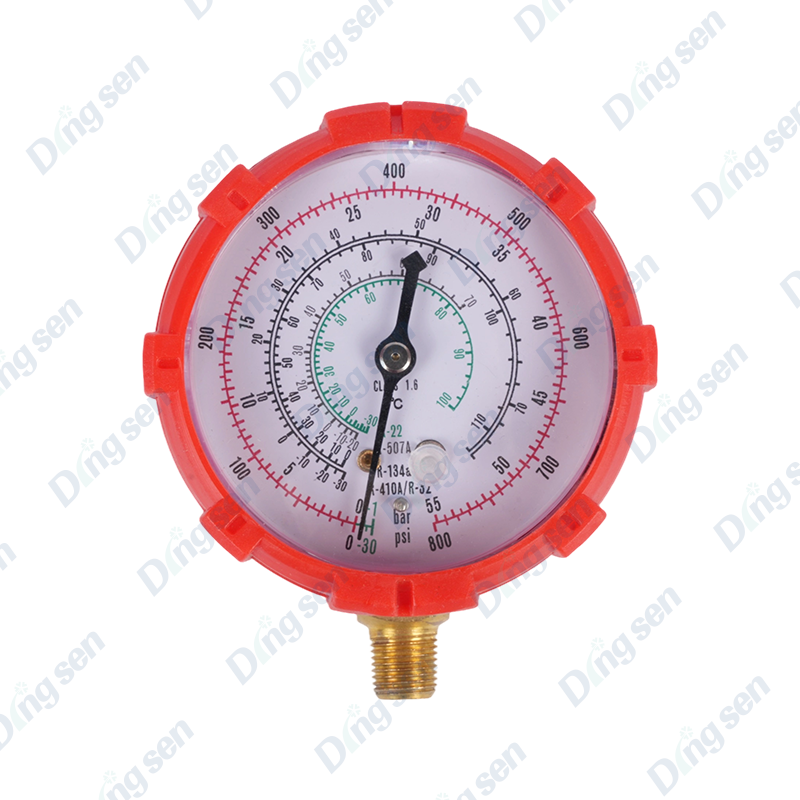
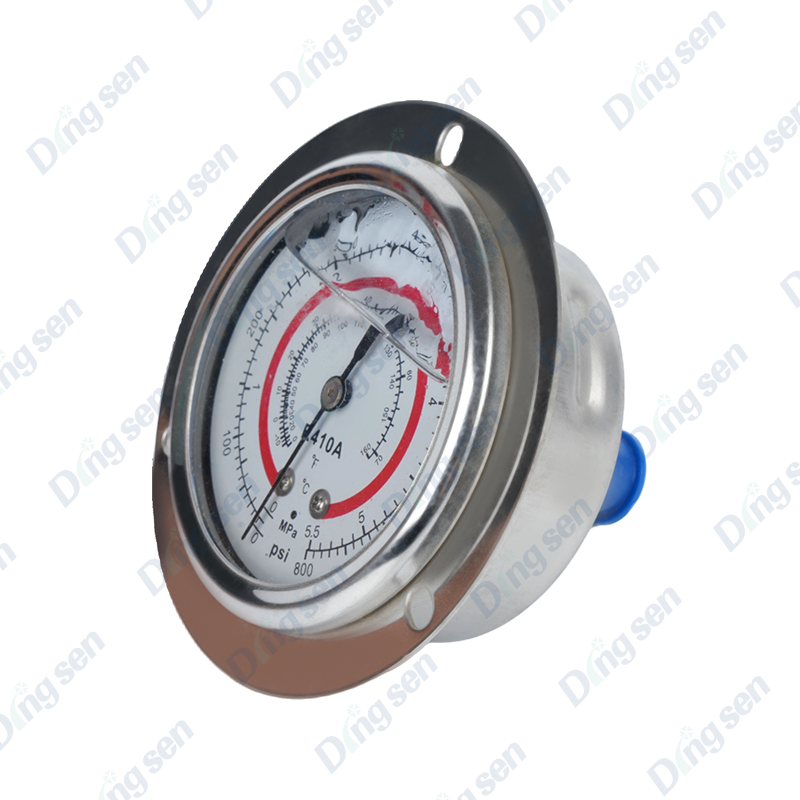
The Air Conditioner Fluorine Filling Pressure Gauge is a dedicated instrument fo...
-
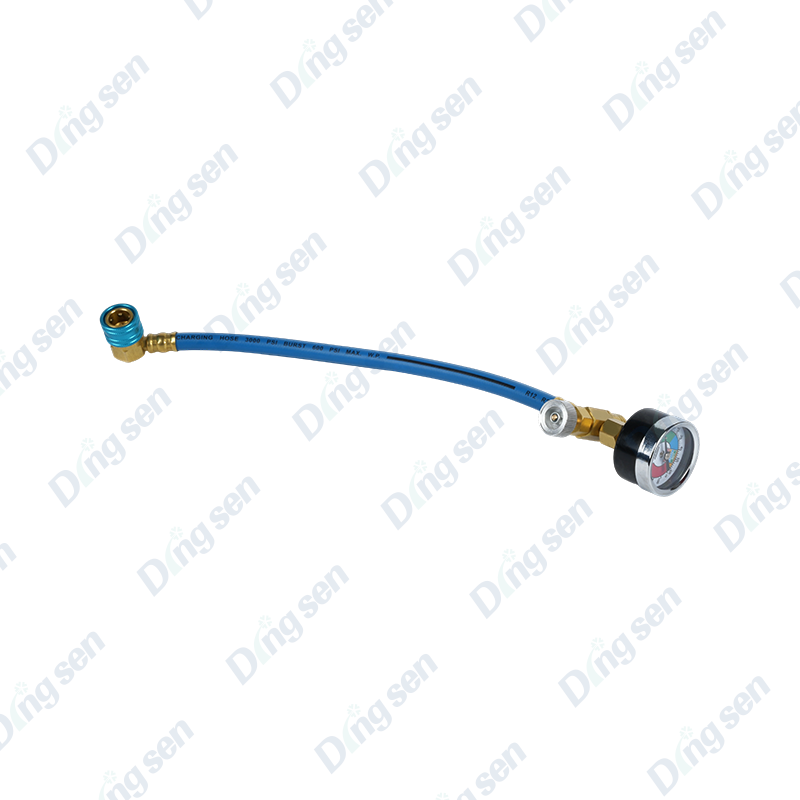
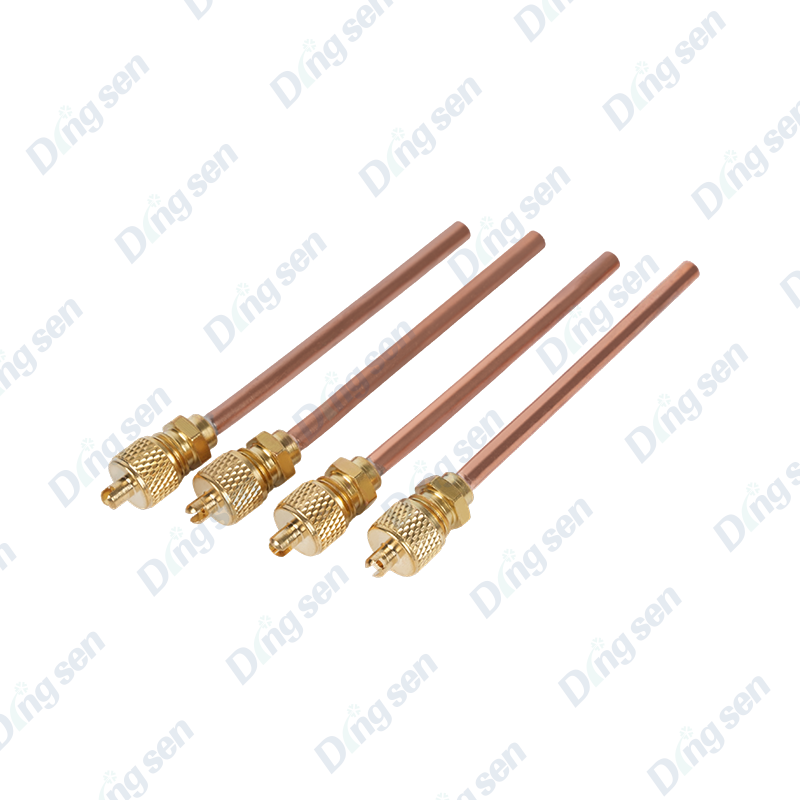
The air conditioning refrigerant filling tool is a professional repair accessory...
-
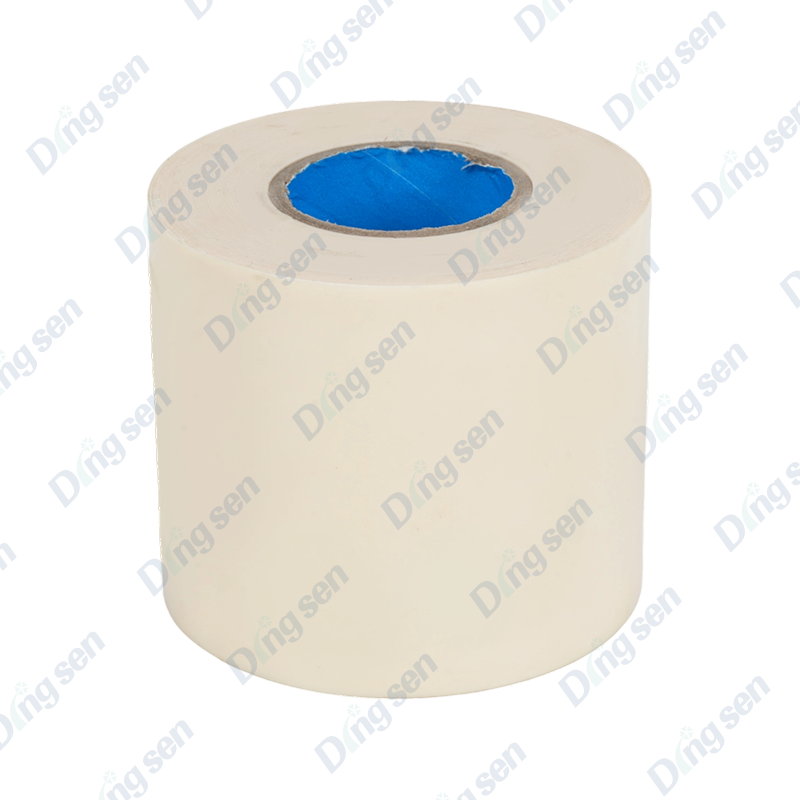
Air conditioning pipe bandage strip is used to secure and protect the pipes conn...
-
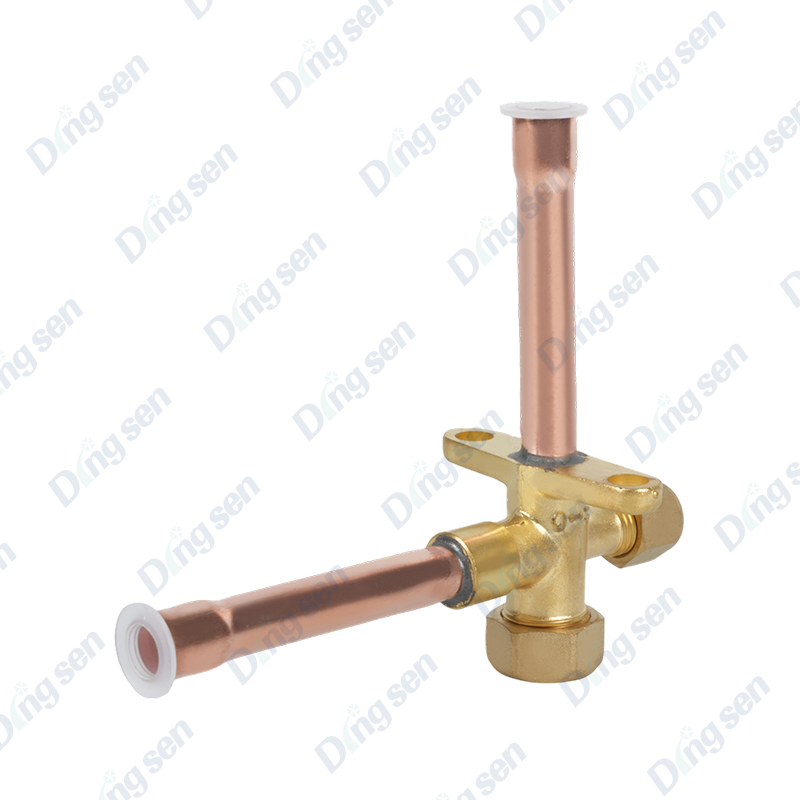
The air conditioning three-way valve is a key component for switching and contro...
-
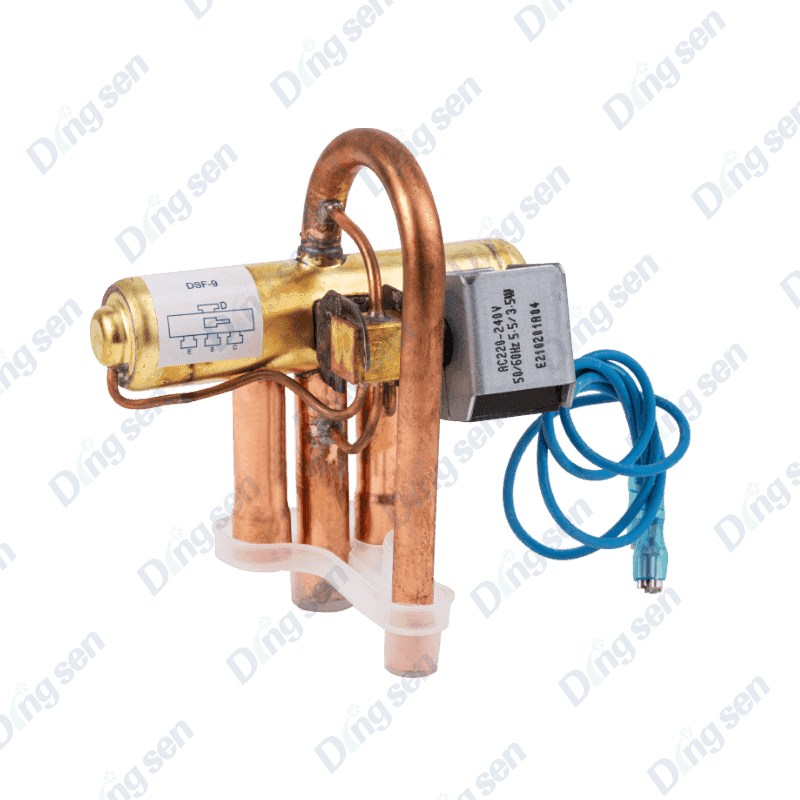
A four-way reversing valve is a key component for switching the flow of fluids (...
About DingSen
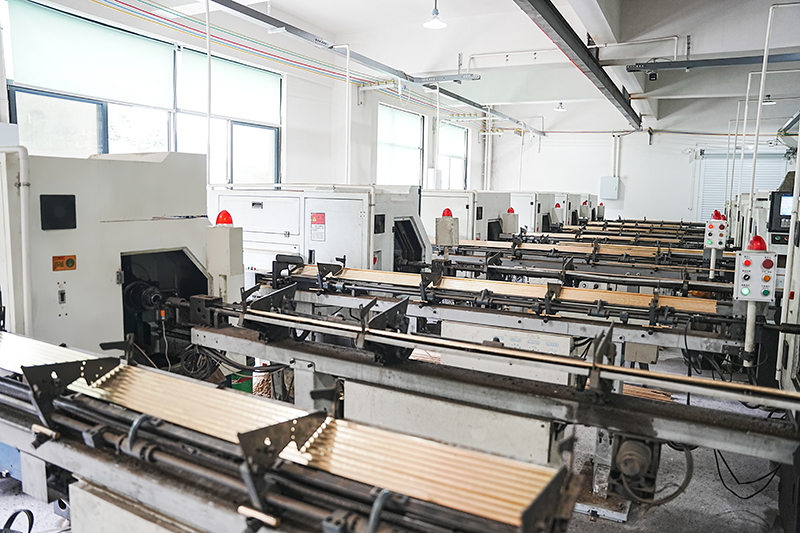
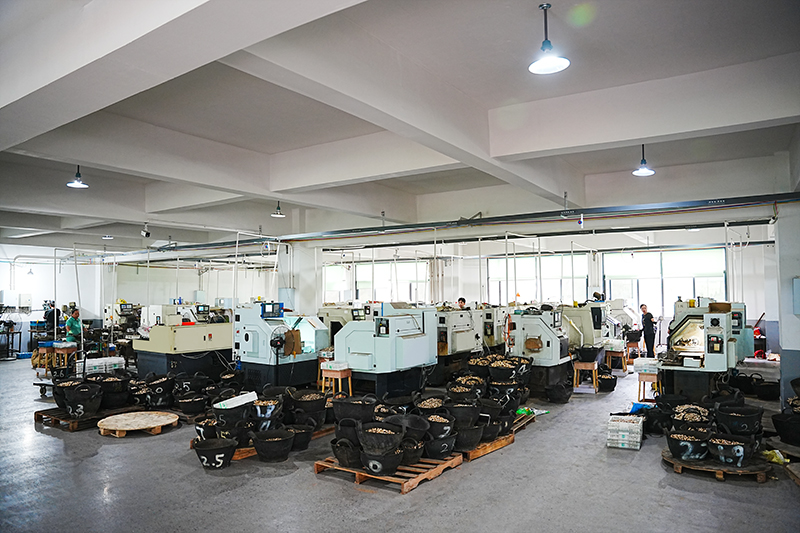
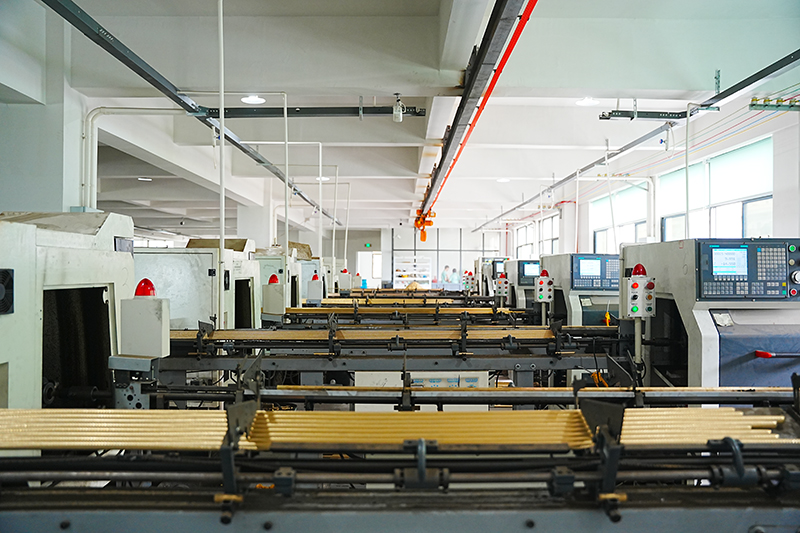
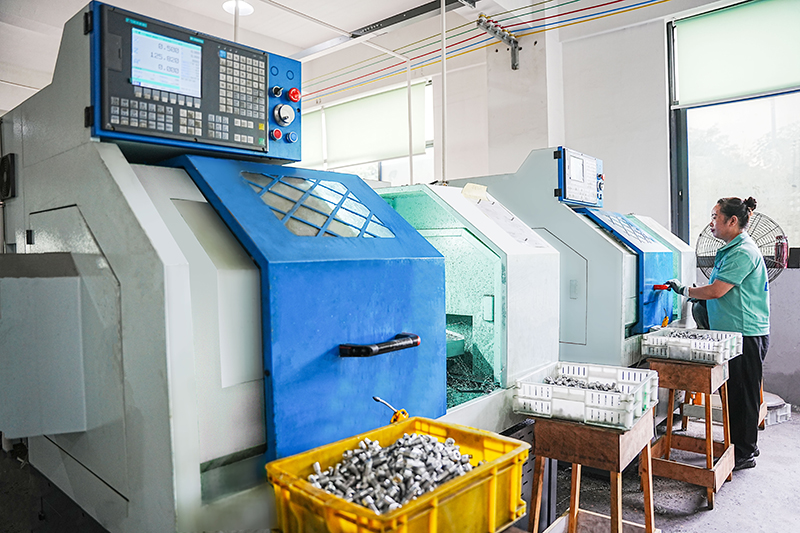
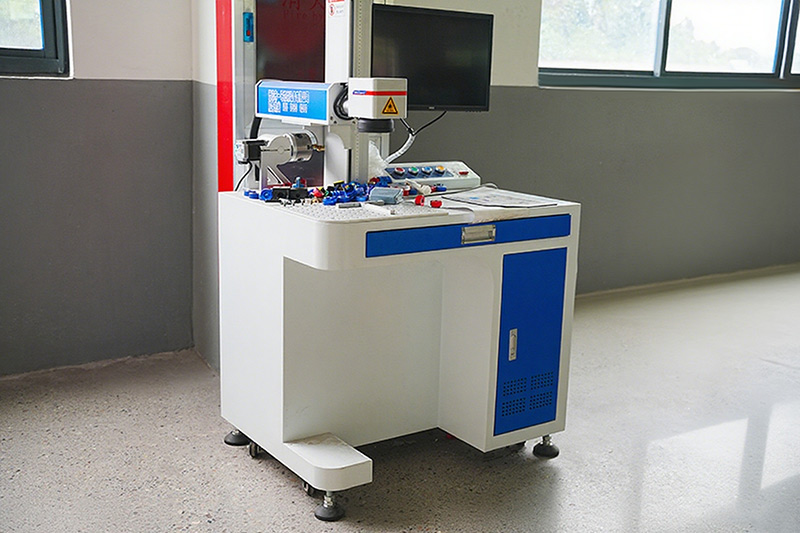
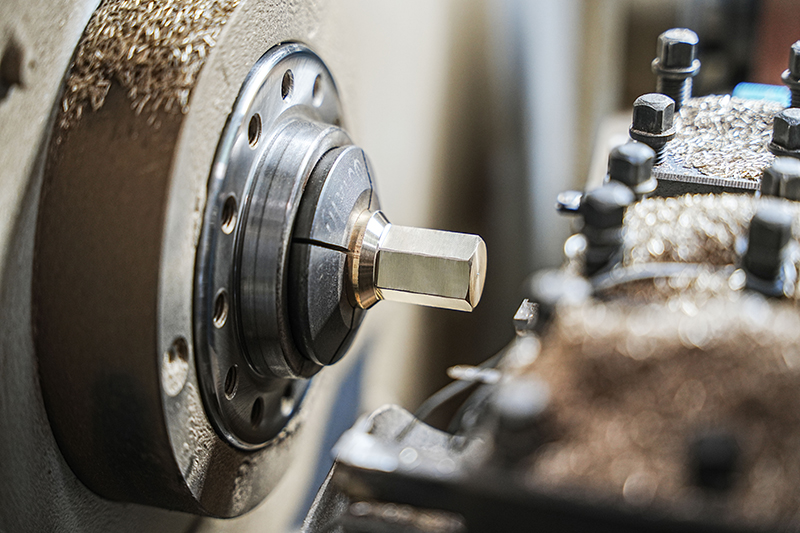
Shaoxing DingSen Refrigeration Technology Co., Ltd. founded in 2008, is a China Air conditioner flow control three-way valve Manufacturers and Air conditioner flow control three-way valve Factory, mainly producing refrigeration accessories and auto air-conditioning accessories. Having been established for more than 10 years, the company has since taken "Honesty and Innovation" as its goal, and "Superb Manufacture, Good Virtue, Serious Attitude, and High Quality" as its business philosophy. Guided by high-tech development, it adheres to a sustainable path of growth focused on quality and benefit.
Through continuous innovation and practice, the company has built a solid quality foundation and a guaranteed reputation in the manufacturing industry. Meanwhile, with efficient and high-quality service and a belief in mutual benefit, the company actively cooperates with businesses from all fields, constantly explores the market, and strives to create a better tomorrow.
- Dingsen: Refrigeration & auto AC parts since 2008.
- Decades of precision manufacturing.
- Durable evaporators, condensers, connectors.

shaoxing DingSen Refrigeration Technology Co Ltd.
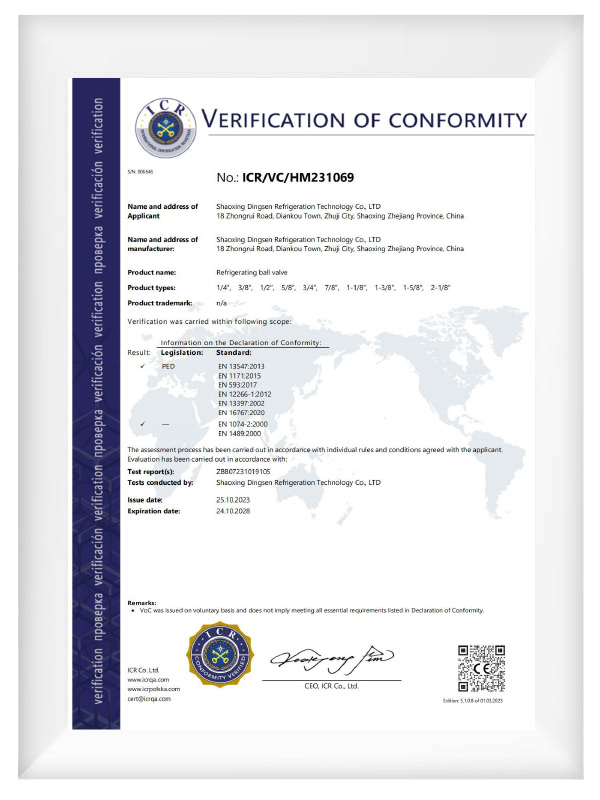
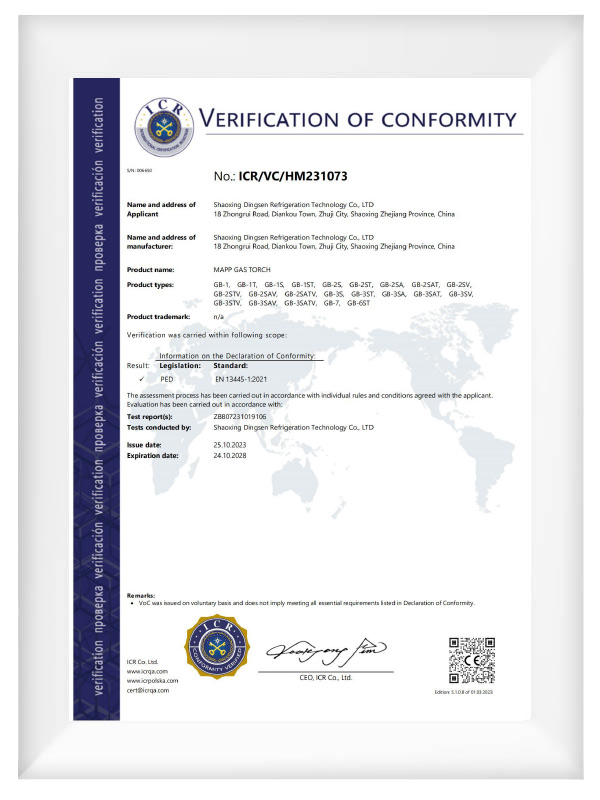
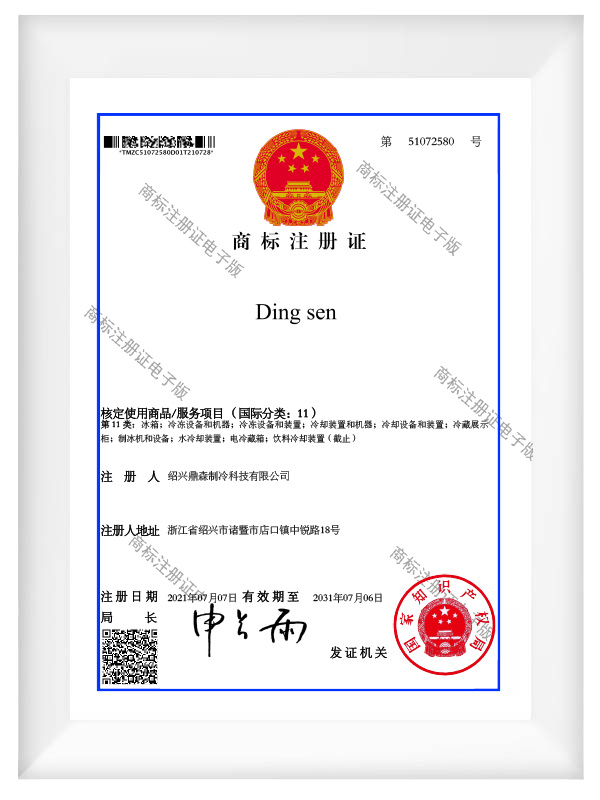
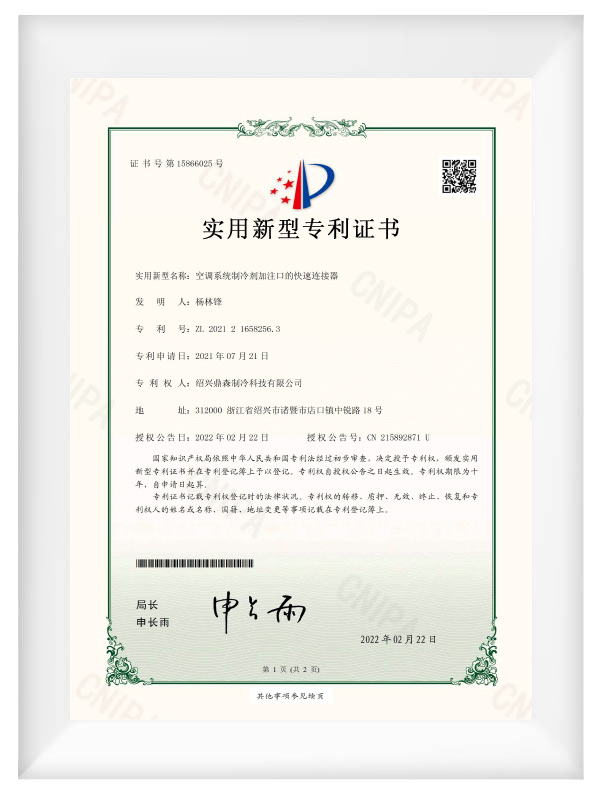
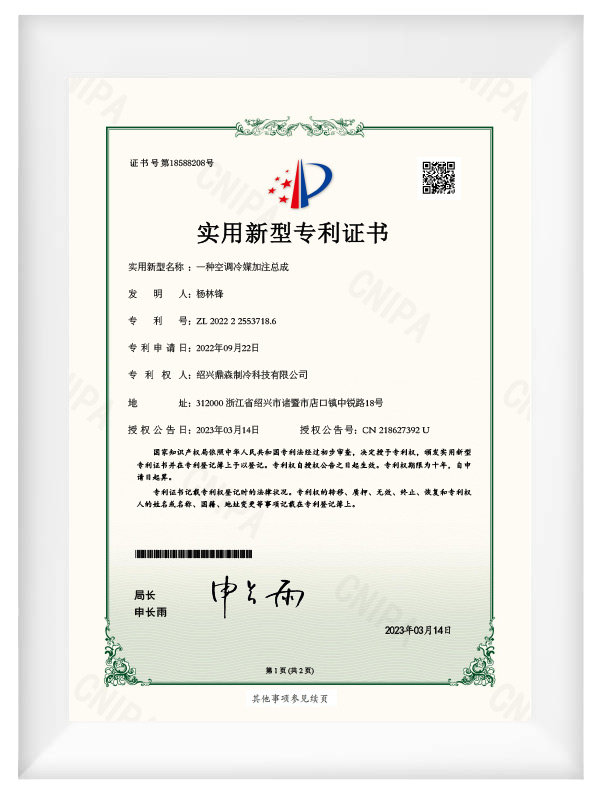
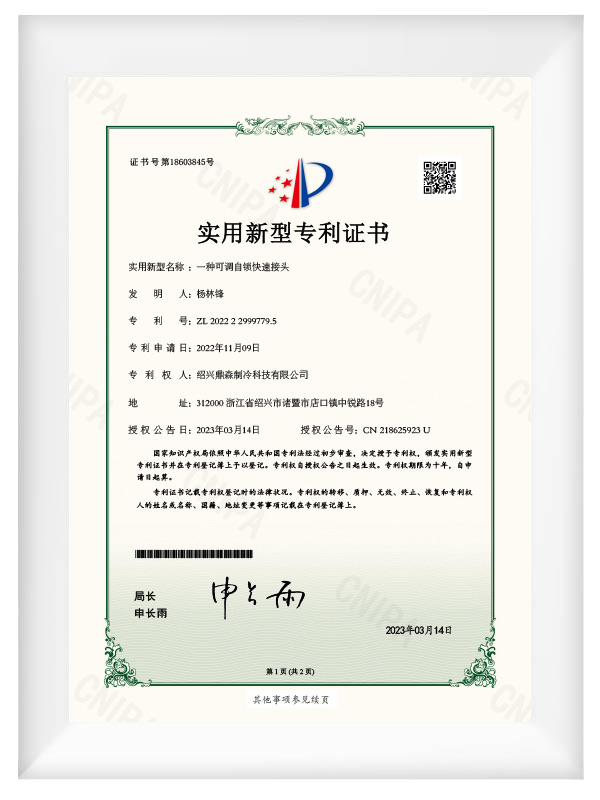
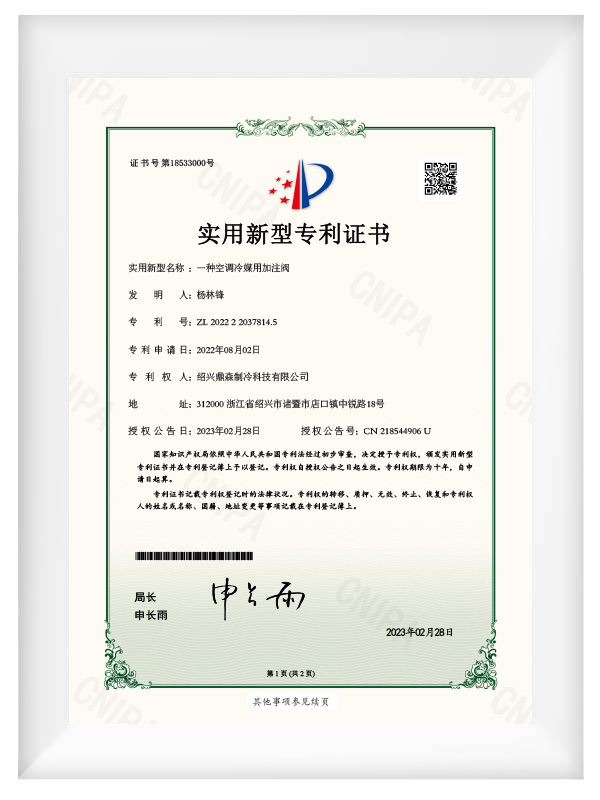
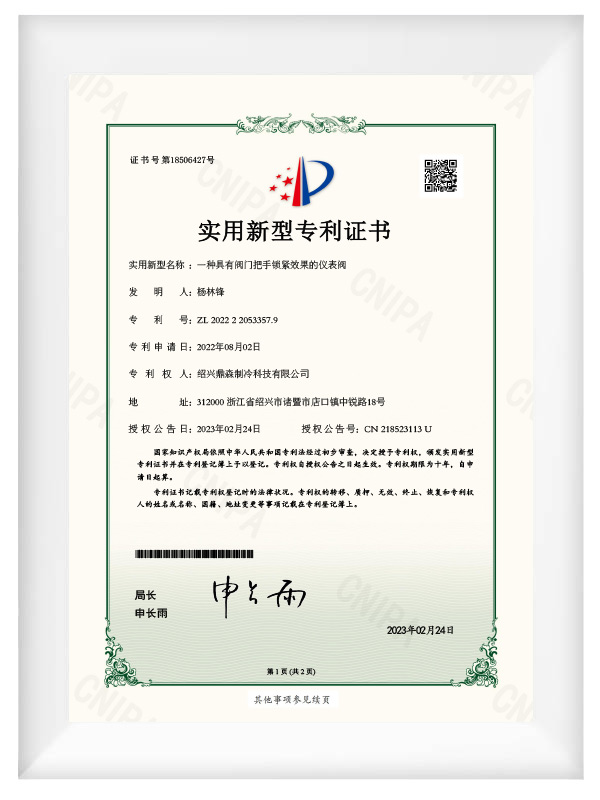
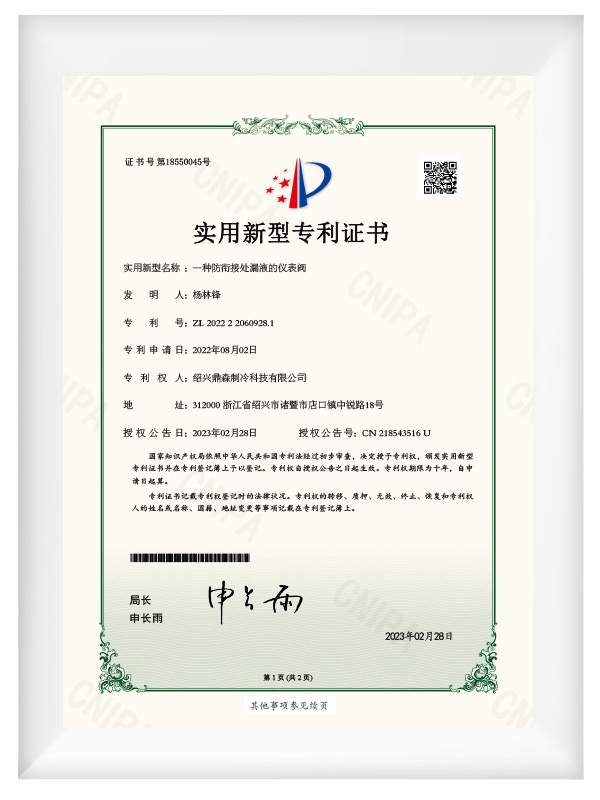
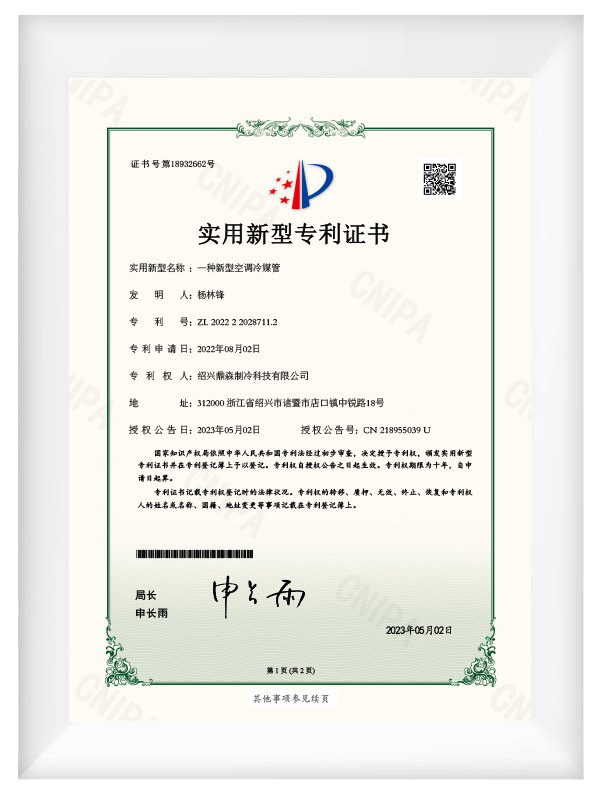
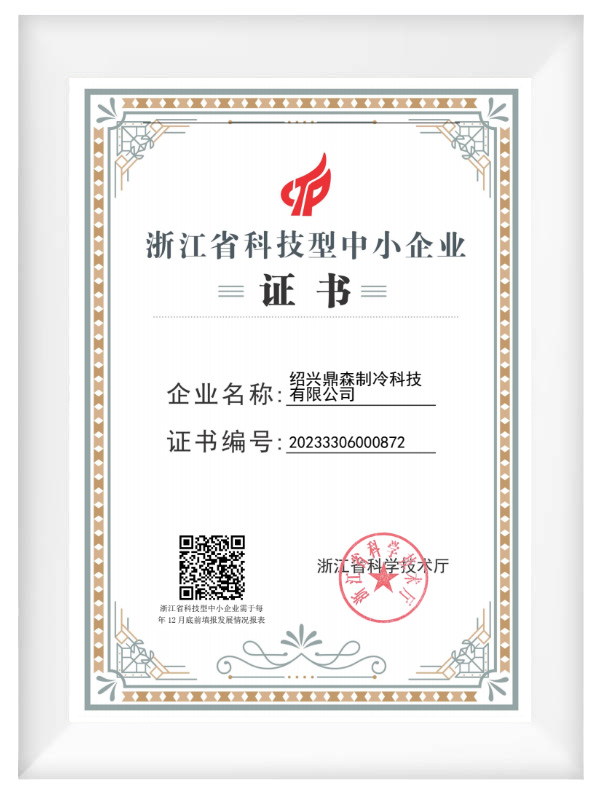
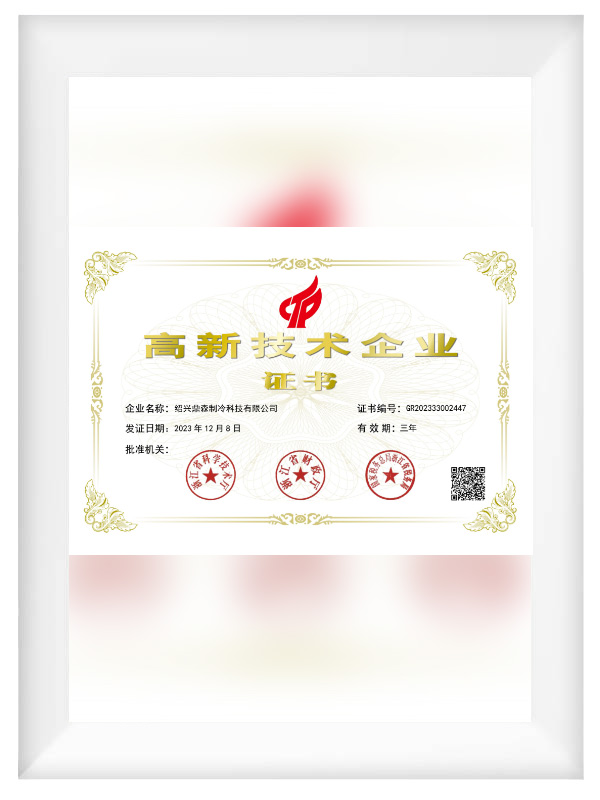
Certificate Of Honor
latest News
-
-
A plant operator calls because a zone is blowing cold air on a morning when the boiler has been running for two hours. The coil is clean, the pump is running, and the three way valve feeding that coil has not moved since it was installed. That one component decides whether the coil sees hot water, ...
READ MORE -
Most solenoid valve callbacks start with a symptom rather than a theory. A walk in cooler runs all night and never reaches its set point. A heat pump reverses at the wrong moment. An ice machine floods the evaporator after shutdown. A technician then pulls the coil off, presses the plunger with a s...
READ MORE
CONTACT US
KEEP IN TOUCH
We are very glad that you come to DingSen to purchase or customize, and we
are confident to provide you with high-quality products and services.

Contact Us
-

No. 109 Jiefang Road, Diankou Town, Zhuji City, Shaoxing, Zhejiang Province
-

+86-13867581196
-

Copyright © shaoxing DingSen Refrigeration Technology Co Ltd. All Rights Reserved Air conditioner flow control three-way valve Manufacturers Air conditioner flow control three-way valve Factory
