
 en
en  Español
 عربى
عربى
What are the essential Air Conditioner Repair Tools needed to repair an air conditioner yourself?
The essential tools needed to repair an air conditioner yourself include a manifold gauge set, a vacuum pump, a refrigerant leak detector, a digital multimeter, an adjustable wrench set, and a set of flaring and swaging tools, all of which together allow a DIYer to diagnose refrigerant issues, test electrical components, and safely service the sealed refrigerant system. Attempting AC repair without these tools often leads to incomplete diagnosis or a system that appears fixed but fails again shortly after, since refrigerant charge and pressure issues cannot be accurately assessed by sight or sound alone. A complete Air Conditioner Repair Tool set brings these components together in one kit, which is often more practical and cost effective than sourcing each tool separately. The sections below explain what each tool does and when it is needed during a typical repair.
Content
- 1 Manifold Gauge Set for Refrigerant Diagnosis
- 2 Vacuum Pump for System Evacuation
- 3 Refrigerant Leak Detector
- 4 Digital Multimeter for Electrical Diagnosis
- 5 Flaring and Swaging Tools for Line Repairs
- 6 Basic Hand Tools for Access and Assembly
- 7 Refrigerant Scale for Accurate Charging
- 8 Personal Protective Equipment for Safe Repairs
- 9 Building a Complete Toolkit
Manifold Gauge Set for Refrigerant Diagnosis
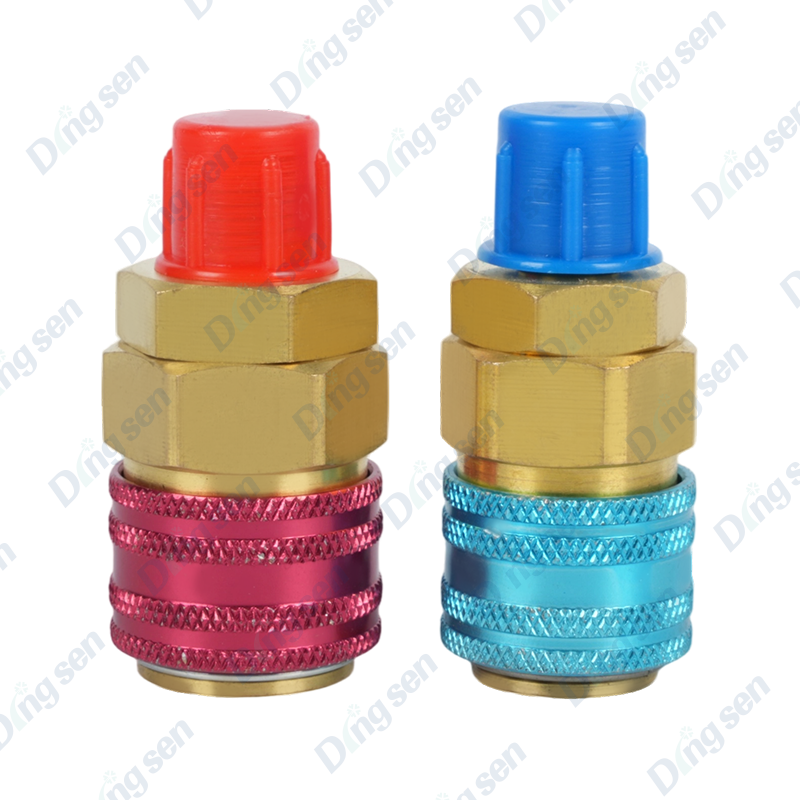
A manifold gauge set is the core diagnostic tool for any refrigerant-based repair, since it measures both high side and low side pressure within the system to determine whether refrigerant charge, restrictions, or compressor issues are causing poor cooling performance. Reading these pressures against manufacturer specified targets for the specific refrigerant type, such as R410A or R32, tells a technician whether the system is undercharged, overcharged, or experiencing a mechanical fault.
What the Gauges Reveal
- Low pressure readings on both sides often indicate low refrigerant charge or a leak
- High pressure on both sides can point to overcharging or airflow restriction
- Unusual pressure differences between high and low sides can indicate compressor wear
Vacuum Pump for System Evacuation
Before adding refrigerant to a system that has been opened for repair, all air and moisture must be removed from the refrigerant lines using a vacuum pump, since leftover moisture can freeze inside the expansion valve or react with refrigerant to form corrosive acids. Industry guidance commonly recommends pulling a vacuum to below 500 microns before charging a system, a standard widely referenced in HVAC service training materials, to ensure moisture has been fully evacuated.
Why Skipping This Step Causes Problems
Moisture left in a refrigerant system does not simply evaporate on its own once the system is running, and over time it can cause internal corrosion, ice formation at the expansion device, and reduced system efficiency. This is one of the most common reasons a DIY repair fails within weeks of being completed, even when the initial refrigerant charge appeared correct.
Refrigerant Leak Detector
Since refrigerant does not get consumed during normal operation, low refrigerant levels almost always indicate a leak somewhere in the system, and finding that leak before recharging is essential to avoid repeating the same repair shortly after. Electronic leak detectors sense refrigerant vapor in the air near a suspected leak point, while UV dye methods involve adding a fluorescent dye to the system that becomes visible under UV light at the leak location.
Common Leak Detection Methods
| Method | How It Works | Best For |
| Electronic Leak Detector | Senses refrigerant vapor in the air | Quick spot checks on accessible joints |
| UV Dye Detection | Fluorescent dye glows under UV light at leak point | Locating slow or intermittent leaks |
| Soap Bubble Solution | Bubbles form at the point of escaping gas | Visible fittings and connection points |
Digital Multimeter for Electrical Diagnosis
Not all air conditioner problems stem from refrigerant issues, and a digital multimeter is essential for testing electrical components such as capacitors, contactors, and compressor windings. A failed run capacitor, for example, is one of the most common causes of a compressor or fan motor that hums but does not start, and a multimeter can quickly confirm whether the capacitor is holding its rated microfarad value.
Common Electrical Tests Performed
- Testing capacitor capacitance against its rated value
- Checking continuity on contactors and relays
- Measuring voltage at the compressor and fan motor terminals
- Testing for short circuits or open windings in the compressor
Flaring and Swaging Tools for Line Repairs
When repairing or replacing sections of refrigerant line, flaring tools create the precise cone-shaped end needed for flare fittings to seal properly, while swaging tools expand tubing ends to allow two same-diameter pipes to be joined without a separate coupling. Poorly formed flares are a common source of small leaks that are difficult to diagnose later, making a quality flaring tool an important investment for anyone doing line set work.
Why Flare Quality Matters
A flare that is uneven, cracked, or undersized will not seal properly under system pressure, even if it appears connected correctly. This is why professional technicians typically inspect the flare visually and check for consistent thickness before completing a connection, a step that DIYers should follow as well to avoid callback repairs.
Basic Hand Tools for Access and Assembly
Beyond specialized HVAC equipment, a standard set of hand tools is needed to access panels, remove fasteners, and reassemble the unit after service. An adjustable wrench set, a set of insulated screwdrivers, nut drivers, and needle nose pliers cover most of the mechanical access needs during a typical repair.
Common Hand Tools Needed
- Adjustable wrenches in multiple sizes for line fittings and mounting hardware
- Insulated screwdrivers for safely working near electrical components
- Nut drivers for removing access panels and mounting screws
- Needle nose pliers for handling small wiring connections
Refrigerant Scale for Accurate Charging
Adding refrigerant by feel or guesswork is one of the most common mistakes in DIY AC repair, since overcharging and undercharging both cause performance problems and can damage the compressor over time. A refrigerant scale measures the exact weight of refrigerant added to the system, allowing it to be charged to the specific amount listed on the unit's nameplate rather than relying on pressure readings alone.
Personal Protective Equipment for Safe Repairs
Working with refrigerant and electrical components carries real safety risks, and proper protective equipment should be treated as a required part of the toolkit rather than an optional add-on. Safety glasses protect against refrigerant splashing during connection and disconnection, while insulated gloves reduce the risk of frostbite from liquid refrigerant contact and electrical shock during wiring work.
Recommended Safety Equipment
- Safety glasses to protect against refrigerant exposure
- Insulated gloves rated for both cold exposure and electrical work
- A properly rated fire extinguisher nearby when working near electrical panels
Building a Complete Toolkit
Sourcing each of these tools individually from different suppliers can be time consuming and often results in mismatched quality between components, particularly for gauge accuracy and vacuum pump performance, both of which directly affect repair outcomes. A complete Air Conditioner Repair Tool kit brings the manifold gauges, vacuum pump, leak detection equipment, and hand tools together in one coordinated set, giving DIYers and technicians alike a reliable starting point for tackling most common air conditioner repairs without hunting down individual pieces from multiple sources.
-
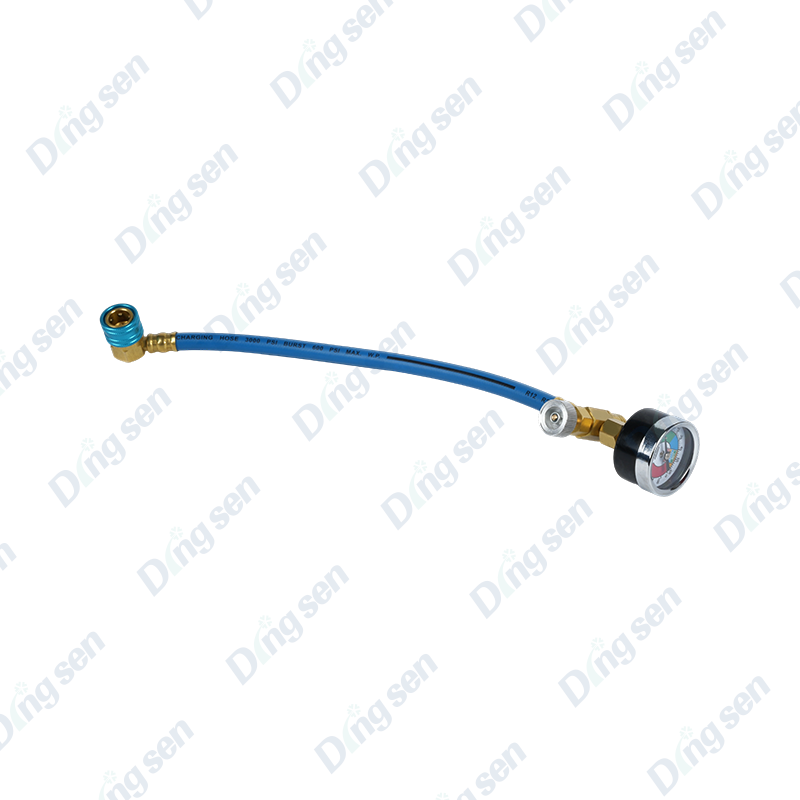
The air conditioning refrigerant filling tool is a professional repair accessory...
-
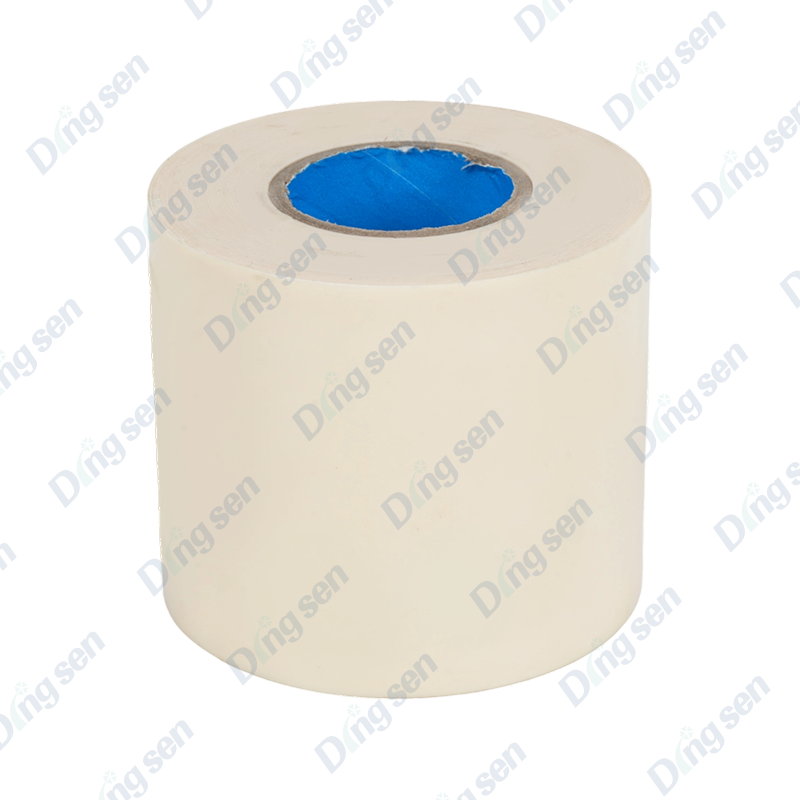
Air conditioning pipe bandage strip is used to secure and protect the pipes conn...
-
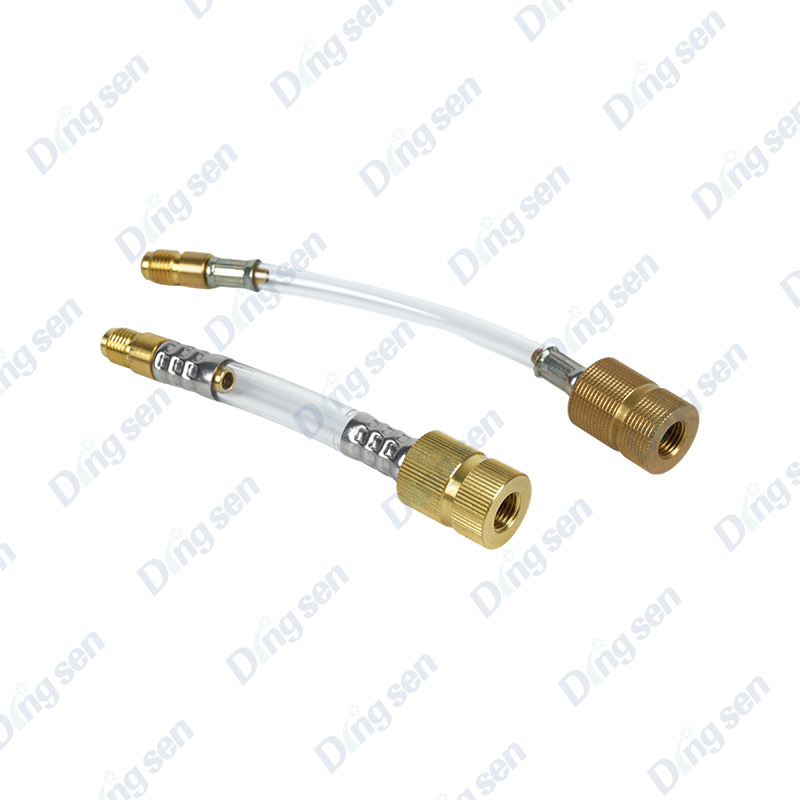
The Refrigerant rapid injection pump automotive air conditioning filling system ...
-
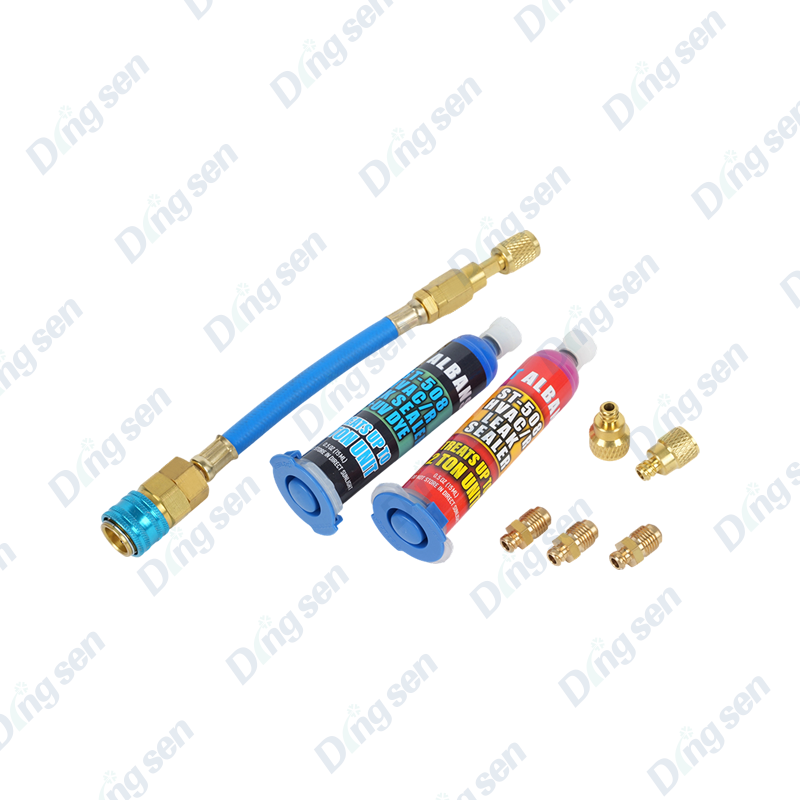
The automotive air conditioning sealant filling system is a one-stop repair tool...
-
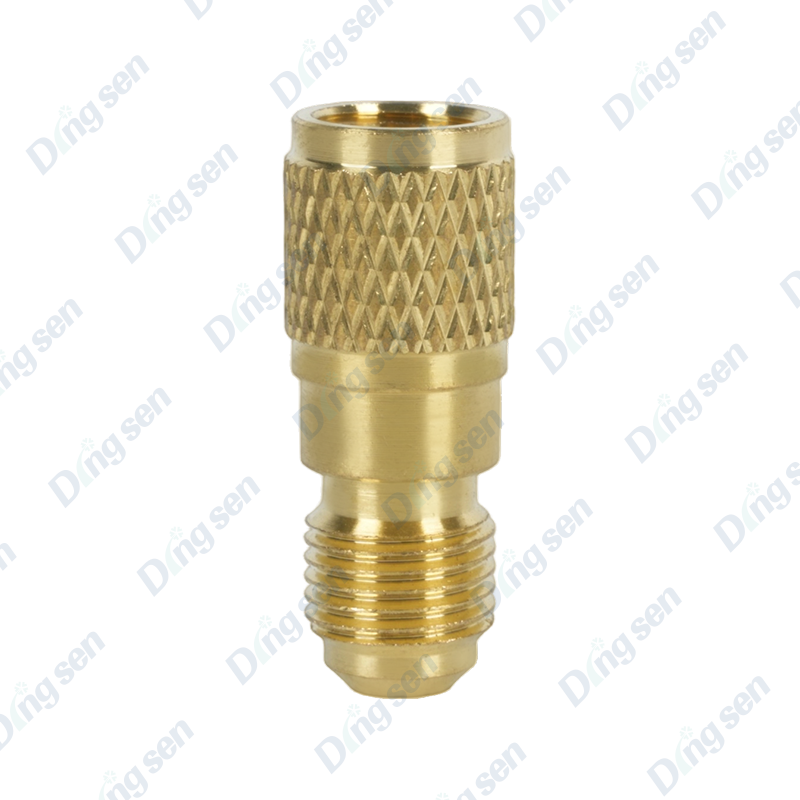
The air conditioning refrigerant charging adapter is an adapter fitting for air ...
-
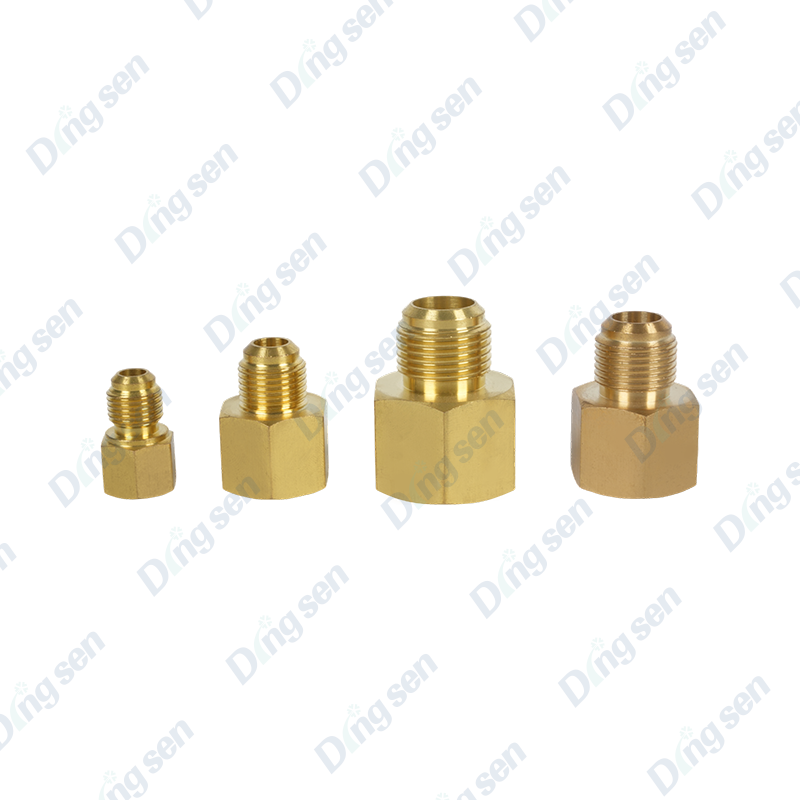
Air conditioning copper pipe female-male connector are core fittings for connect...

Contact Us
-

No. 109 Jiefang Road, Diankou Town, Zhuji City, Shaoxing, Zhejiang Province
-

+86-13867581196
-

Copyright © shaoxing DingSen Refrigeration Technology Co Ltd. All Rights Reserved
OEM Refrigeration Parts Manufacturer Custom Automotive AC Parts Factory