
 en
en  Español
 عربى
عربى
What are the advantages of a Gas Torch?
A gas torch offers five principal advantages over alternative heat application methods: portability without an oxygen cylinder, instant ready-to-use operation, precise flame temperature control, consistent output across a full fuel load, and compatibility with the widest range of brazing, soldering, and heating applications. In practical terms, this means a gas torch can be taken to the work — rather than bringing the work to a fixed station — and can be lit, adjusted, and used effectively within seconds in field, workshop, and production environments alike.
Content
Portability: No Oxygen Cylinder Required
The most significant practical advantage of a modern gas torch — particularly those designed for HVAC maintenance and copper pipe brazing — is operation on a single fuel gas (liquefied petroleum gas or propane) using ambient air for combustion, without requiring a separate oxygen cylinder. This oxygen-free design delivers several concrete benefits:
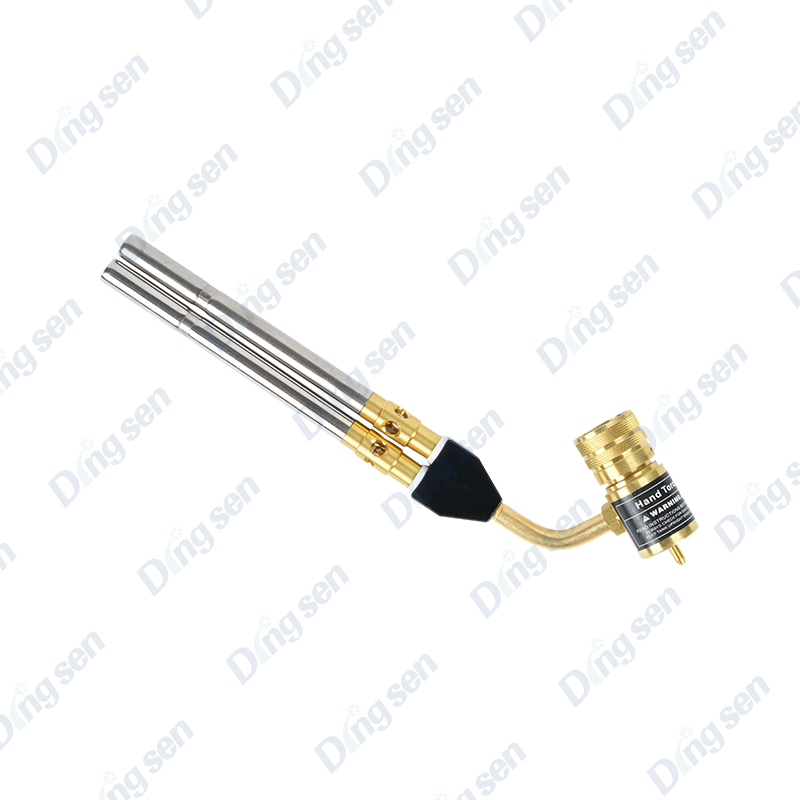
- Reduced equipment load: a technician carries only the torch and a standard LPG or propane cylinder — a fraction of the weight and bulk of oxy-fuel equipment with two cylinders, hoses, and regulators
- Suitable for confined spaces: single-fuel gas torches can be used safely in locations where handling oxygen cylinders is impractical or prohibited — inside equipment cabinets, in ceiling voids, and in vehicle engine bays
- Fuel widely available: LPG and propane are available from hardware stores, gas suppliers, and camping retailers worldwide — unlike acetylene or specialist welding gases that require specialist suppliers
- Lower cost per job: single-fuel torches are significantly cheaper to operate per unit of heat delivered than oxy-fuel equipment once cylinder rental, gas consumption, and equipment maintenance are factored in
Precise Flame Temperature for Brazing Without Overheating
Air-fuel gas torches produce flame temperatures in the range of 1,200°C to 1,900°C depending on fuel type and gas-to-air ratio — significantly lower than oxy-acetylene flames that exceed 3,000°C. For copper pipe brazing (typically using silver-based filler at 600–850°C) and soft soldering (tin-based filler at 180–280°C), this lower maximum temperature is an advantage rather than a limitation:
- Reduced risk of burn-through: the lower heat input of a gas torch requires deliberate sustained heating to reach brazing temperature — giving the operator time to observe and react before the pipe wall is damaged, unlike oxy-fuel which can overheat thin copper in seconds
- Less surface oxidation: lower flame temperature produces less oxide formation on copper surfaces, resulting in cleaner joints that require less flux and have better filler metal flow and adhesion
- Better control for small-diameter pipe: small copper pipes (6–12 mm) used in refrigeration circuits are particularly susceptible to overheating — a gas torch at the correct distance provides the right heat input rate for these pipe sizes without specialist skill
Adjustable Flame for Different Tasks
Quality gas torches include a flame adjustment valve that controls both the volume of gas and the gas-to-air ratio, allowing the operator to select the appropriate flame type for the task:
- Neutral flame: balanced fuel and air combustion — the standard setting for most copper pipe brazing and soldering work
- Carburizing flame: slightly excess fuel — produces a softer, cooler flame suitable for heating without oxidizing the workpiece surface
- High-output setting: maximum gas flow for rapid pre-heating of large components or thick wall pipe sections before brazing
Intermediate and professional gas torch models incorporate a knob-style adjustment that allows fine control of heat output during the brazing operation — enabling the operator to maintain the joint at brazing temperature precisely rather than cycling the torch on and off.
Safety Features That Reduce Operational Risk
Modern gas torches incorporate specific safety features that distinguish professional tools from basic alternatives:
- Anti-backfire device (professional models): a check valve in the gas supply line prevents flame from traveling back through the hose toward the cylinder in the event of a sudden pressure drop — critical for safe operation in confined spaces where a flashback could ignite surrounding materials
- Brass torch head: high-temperature-resistant brass torch head construction withstands the sustained thermal cycling of professional use without warping or cracking — ensuring the gas jet geometry remains consistent throughout the tool's service life
- Non-slip handle grip: textured or rubberized handle surfaces maintain secure grip when hands are covered in cutting oil, flux, or sweat during field work
- Quick ignition system: built-in piezoelectric igniter starts the flame reliably with one hand — eliminating the need for a separate lighter and the associated risk of burn when lighting near the open gas jet
Gas Torch Advantages by Application
| Application | Key Advantage Used | Why Gas Torch Is Preferred |
|---|---|---|
| HVAC copper pipe brazing | Portability, controlled heat | No oxygen cylinder needed, safe in equipment rooms |
| Plumbing solder joints | Precise low-temperature flame | Lower flame temp suits tin-lead or lead-free solder |
| Refrigeration pipe connection | Flame stability on small pipe | Controlled heat input on 6–20mm copper without damage |
| Factory production brazing | Consistent flame, quick ignition | Faster cycle time than oxy-fuel, lower running cost |
-
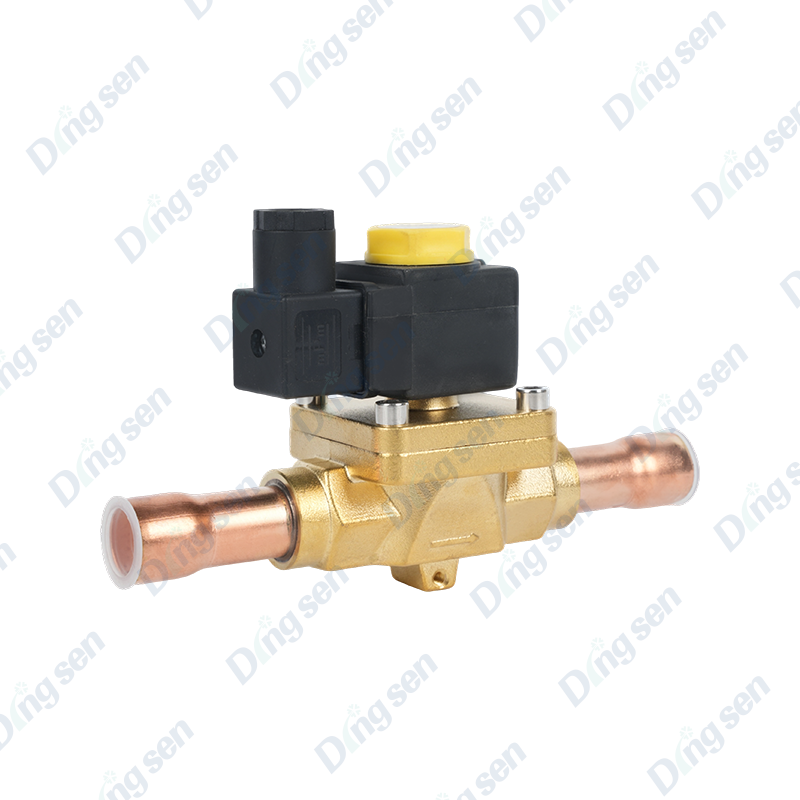
EVR solenoid valves are key components in refrigeration and air conditioning, co...
-
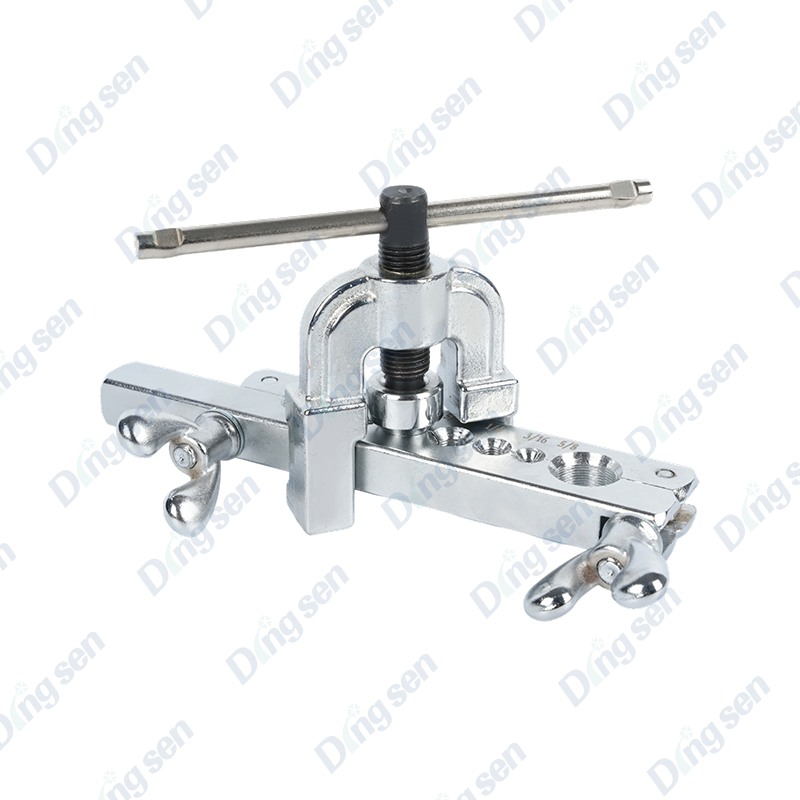
The air conditioning copper tube reamer is a specialized tool for connecting cop...
-
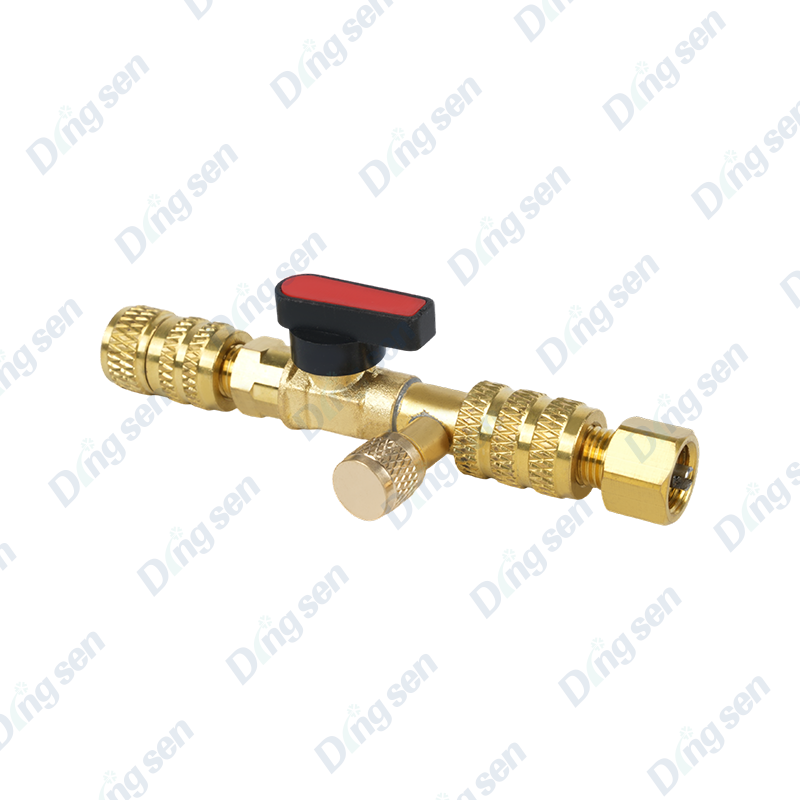
Valve core installation and removal tools are specialized tools for installing a...
-
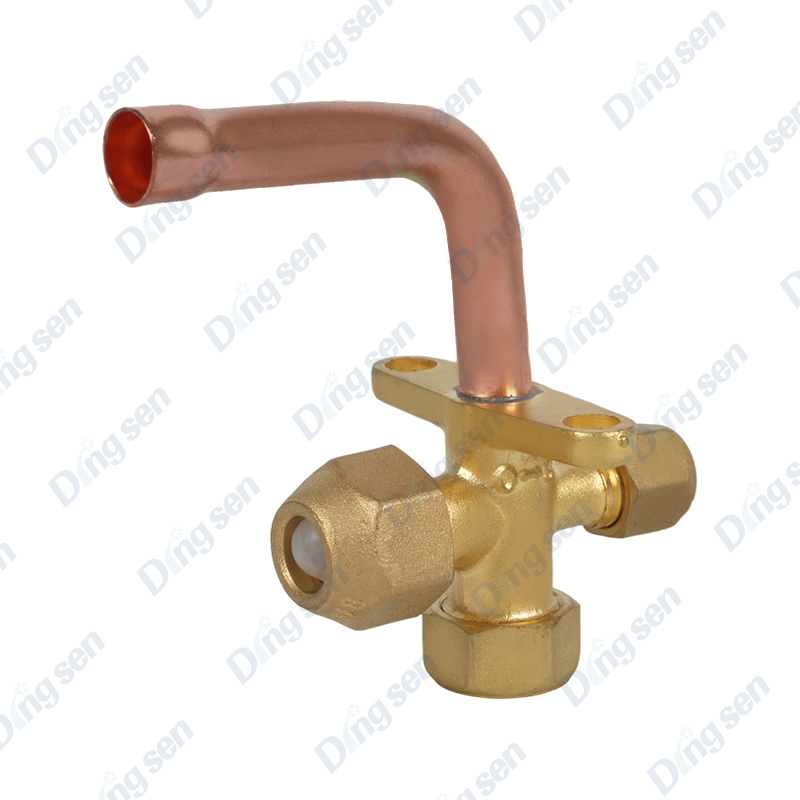
The air conditioning three-way valve is a key component for switching and contro...
-
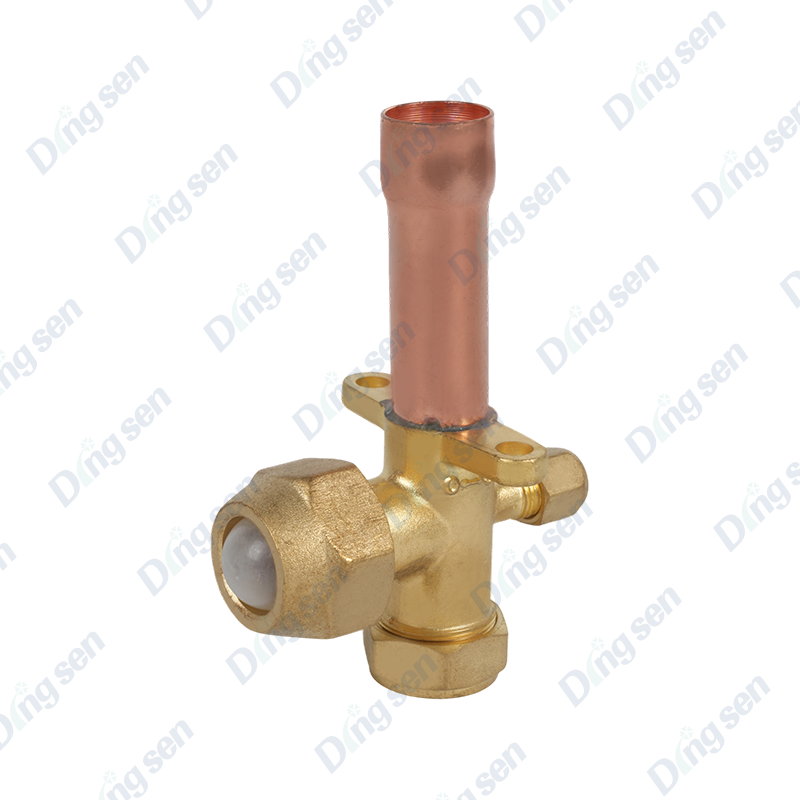
The air conditioning three-way valve is a key component for switching and contro...
-
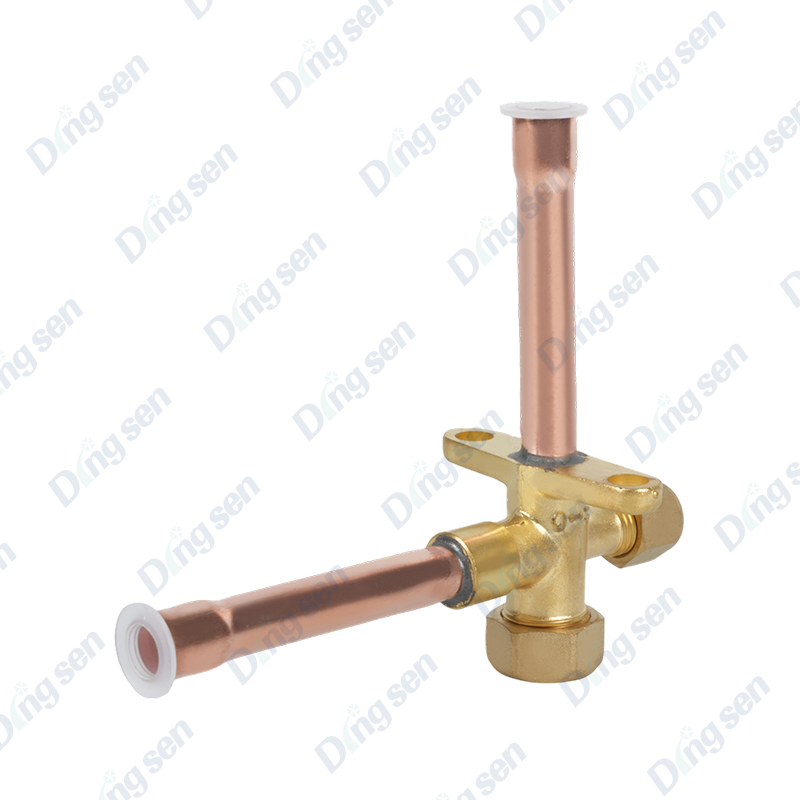
The air conditioning three-way valve is a key component for switching and contro...

Contact Us
-

No. 109 Jiefang Road, Diankou Town, Zhuji City, Shaoxing, Zhejiang Province
-

+86-13867581196
-

Copyright © shaoxing DingSen Refrigeration Technology Co Ltd. All Rights Reserved
OEM Refrigeration Parts Manufacturer Custom Automotive AC Parts Factory