
 en
en  Español
 عربى
عربى
What is a Quick Connector for Car Air Conditioning?
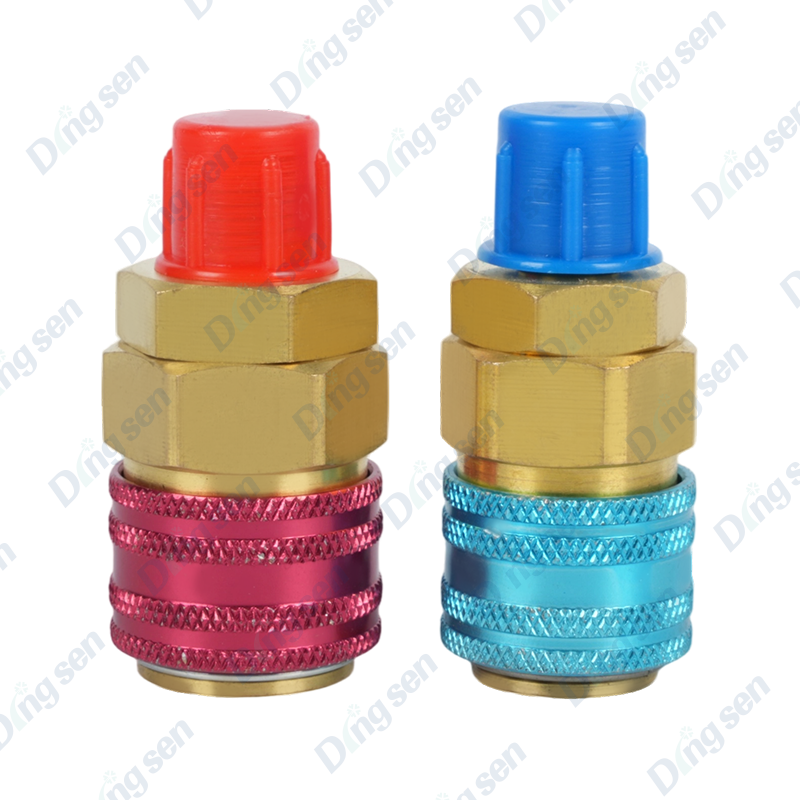
A Quick Connector for Car Air Conditioning is a specialized coupling device designed to rapidly connect and disconnect refrigerant hoses, manifold gauge sets, and service equipment to a vehicle's A/C system — without the need for tools and without losing refrigerant in the process. It replaces traditional threaded fittings that require wrenches and multiple turns to seal, offering technicians a push-and-click mechanism that creates an instant, leak-free connection.
In practical terms, when a technician needs to recharge, evacuate, or diagnose a car's air conditioning system, they attach service hoses to the high-side and low-side service ports on the vehicle. A quick connector makes this process take seconds instead of minutes, while also minimizing refrigerant escape into the atmosphere — a critical requirement under regulations such as the U.S. EPA Section 608 and the EU F-Gas Regulation (No. 517/2014).
Content
- 1 How Does a Quick Connector Work?
- 2 Types of Quick Connectors for Car A/C Systems
- 3 Key Benefits of Using Quick Connectors
- 4 When Do You Need a Quick Connector?
- 5 How to Choose the Right Quick Connector
- 6 Recommended Product
- 7 Common Mistakes to Avoid
- 8 Quick Connector vs. Traditional Threaded Fitting: A Comparison
How Does a Quick Connector Work?
The mechanism inside a quick connector relies on a spring-loaded valve and a locking collar. When the connector is pushed onto the service port:
- The outer collar is pulled back to allow entry onto the port fitting.
- The internal valve depresses the Schrader valve on the vehicle port, opening the refrigerant path.
- The collar snaps forward, locking the connector in place with an audible click.
- To disconnect, the collar is pulled back again, and the internal valve closes before the connector leaves the port — trapping refrigerant inside the system rather than venting it.
This dual-valve design (one on the connector, one on the port) is what distinguishes a quality quick connector from a basic hose fitting. It ensures zero-loss disconnection, which is both environmentally responsible and cost-saving — refrigerant such as R-134a costs approximately $20–$40 per pound (U.S. market, 2024 industry average), and R-1234yf can exceed $100 per pound.
Types of Quick Connectors for Car A/C Systems
Not all quick connectors are interchangeable. Vehicle A/C systems use different refrigerants and port sizes depending on the model year and region. Understanding the types helps avoid costly mismatches.
By Refrigerant Type
| Refrigerant | Common Vehicle Era | Connector Color Code |
|---|---|---|
| R-12 | Pre-1994 vehicles | White / Black |
| R-134a | 1994–2021 vehicles | Blue (low) / Red (high) |
| R-1234yf | 2013–present (EU mandate from 2017) | Light Blue / Orange |
Color coding is standardized across the industry to prevent cross-contamination of refrigerants, which can damage compressors and void warranties.
By Port Size and Thread
- Low-side port (larger fitting): Typically 13 mm for R-134a, designed to physically prevent connection to the high-side to avoid dangerous pressure errors.
- High-side port (smaller fitting): Typically 16 mm for R-134a; higher pressure rating required.
- R-1234yf ports: Use a unique asymmetric design — physically incompatible with R-134a connectors by design (SAE J2888 standard).
By Application
- Manual quick connectors: Operated by hand; suitable for workshop use and occasional servicing.
- Automatic quick connectors: Integrated into recovery/recharge machines; connect and disconnect automatically under machine control — common in high-volume service centers.
- Inline quick connectors: Used within the vehicle's A/C hose assembly for modular repairs; allow hose sections to be replaced without discharging the whole system.
Key Benefits of Using Quick Connectors
Switching from traditional threaded fittings to quick connectors delivers measurable advantages in professional workshop environments and DIY use alike.
- Time savings: Industry data from automotive service studies (SAE International, 2019) indicates that quick-connect service ports reduce connection time by up to 70% compared to conventional fittings — from an average of 3–4 minutes to under 60 seconds per connection.
- Refrigerant retention: The dual-valve mechanism prevents refrigerant venting. This is critical as the global A/C refrigerant market generates significant waste — the EPA estimates that leaks and improper handling release hundreds of thousands of metric tons of HFCs annually in the U.S. alone.
- Reduced risk of system contamination: A sealed connector prevents moisture and air from entering the system during service — two of the most common causes of A/C compressor failure.
- Ergonomic operation: No torque wrench or precise thread engagement required, reducing technician fatigue and the risk of cross-threading damage to service port valves.
- Compatibility signaling: The physical keying and color coding prevent connecting the wrong refrigerant type — protecting both the vehicle system and the technician.
When Do You Need a Quick Connector?
A quick connector is needed in the following A/C service scenarios:
- Refrigerant recharging: When the system has lost charge and needs a top-up or full refill — the most common A/C service task.
- System evacuation: Before adding refrigerant, the system must be evacuated with a vacuum pump to remove air and moisture; quick connectors attach the pump hose to the service ports.
- Pressure diagnostics: Attaching manifold gauge sets to read high-side and low-side pressures and diagnose faults such as overcharging, undercharging, or compressor failure.
- Refrigerant recovery: Before any major A/C component repair (compressor, condenser, evaporator replacement), refrigerant must be recovered — quick connectors connect the recovery machine to the system.
- Leak detection: Some dye injection or UV tracer systems are also introduced via the service ports using quick connectors.
How to Choose the Right Quick Connector
Selecting the wrong connector can damage the vehicle's A/C system or create safety hazards. Evaluate the following factors before purchasing:
Refrigerant Compatibility
Always confirm the refrigerant type in the vehicle before selecting a connector. The refrigerant type is usually printed on a sticker under the hood near the A/C service ports, or listed in the vehicle owner's manual. Never use R-134a connectors on an R-1234yf system — the port sizes differ precisely to prevent this mistake.
Pressure Rating
High-side ports in automotive A/C systems operate at pressures between 150–350 psi (10–24 bar) under normal conditions, with potential spikes above 400 psi in high-load or high-ambient-temperature scenarios. Ensure the connector is rated beyond these values — look for connectors rated to at least 500 psi (34 bar) for professional use.
Material and Sealing Quality
- Body material: Brass or aluminum alloy bodies offer superior corrosion resistance over plastic alternatives, especially when exposed to refrigerant oils and moisture.
- O-ring seals: Look for HNBR (Hydrogenated Nitrile Butadiene Rubber) O-rings — these are compatible with both PAG and POE compressor oils used in modern A/C systems and resist swelling better than standard NBR at refrigerant temperatures.
Connector Locking Mechanism
A reliable connector should engage with an audible and tactile click and require intentional force to release. Connectors that feel loose or require minimal force to disconnect risk accidental release under hose tension — a safety concern at high-side pressures.
Intended Use Volume
For professional workshops servicing multiple vehicles daily, choose connectors designed for high cycle life — some professional-grade connectors are rated for 10,000+ connect/disconnect cycles. For DIY use or low-frequency servicing, standard connectors are sufficient.
Recommended Product
For workshops and technicians seeking a reliable, professional-grade solution, the Quick Connector for Car Air Conditioning from our Professional Air Conditioner Repair Tool Series is engineered for both R-134a and R-1234yf systems. It features a high-pressure brass body, HNBR O-ring seals, and a double-locking collar — delivering leak-free connections that meet the demands of high-volume professional service environments. Designed as part of a complete A/C repair tool series, it integrates seamlessly with manifold gauge sets, recovery machines, and vacuum pump hoses used in modern automotive workshops.
Common Mistakes to Avoid
- Using R-134a connectors on R-1234yf ports: Even if forced to fit with adapters, cross-contamination will occur — R-1234yf systems require specialized lubricants and are damaged by R-134a PAG oil.
- Ignoring O-ring wear: O-rings degrade over time. A connector with a worn or cracked O-ring will leak refrigerant even when fully engaged. Inspect O-rings before each use and replace when any cracking or flattening is visible.
- Connecting to a running system without checking pressure: Always check that system pressure is within the safe service range before connecting. Attaching to a severely overcharged system without a pressure-rated connector can cause fitting failure.
- Forcing a connector that does not engage smoothly: A properly matched connector should slide onto the port without excessive force. Forcing an incompatible connector risks damaging the Schrader valve inside the service port — a repair that requires full system discharge.
Quick Connector vs. Traditional Threaded Fitting: A Comparison
| Feature | Quick Connector | Traditional Threaded Fitting |
|---|---|---|
| Connection Time | Under 10 seconds | 2–5 minutes |
| Tools Required | None | Wrench required |
| Refrigerant Loss on Disconnect | Near-zero (dual-valve design) | Moderate loss possible |
| Risk of Cross-Thread Damage | None | Present |
| Moisture Ingress Risk | Very low | Higher (slow connection time) |
| Initial Cost | Higher | Lower |
| Long-term Cost Efficiency | Higher (refrigerant savings, speed) | Lower |
-
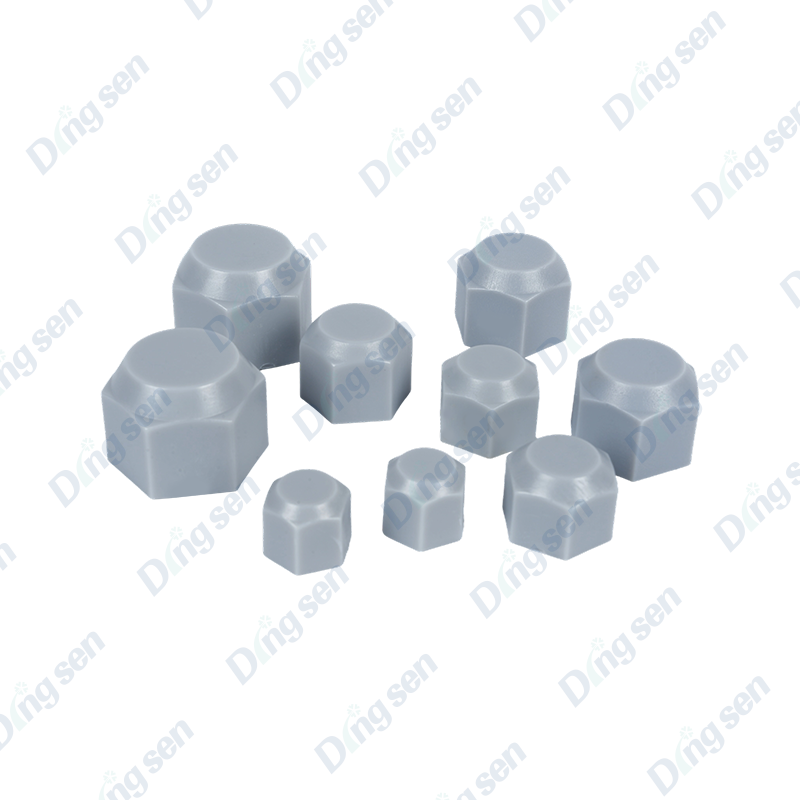
Air conditioning plastic nuts are lightweight seals for connecting copper pipes ...
-
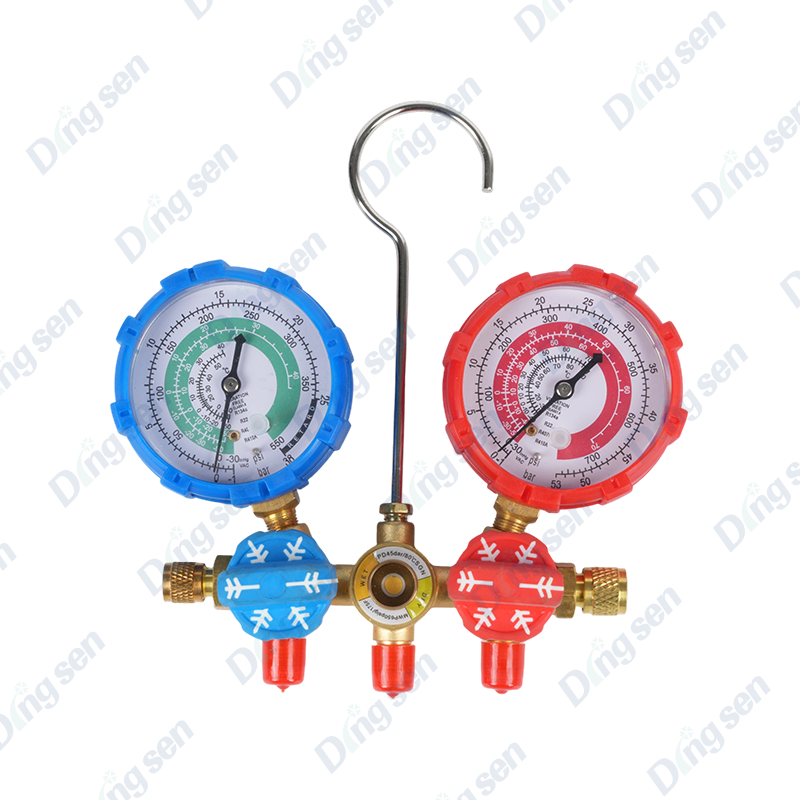
The car air conditioning fluorine charging guage is a dedicated instrument for r...
-
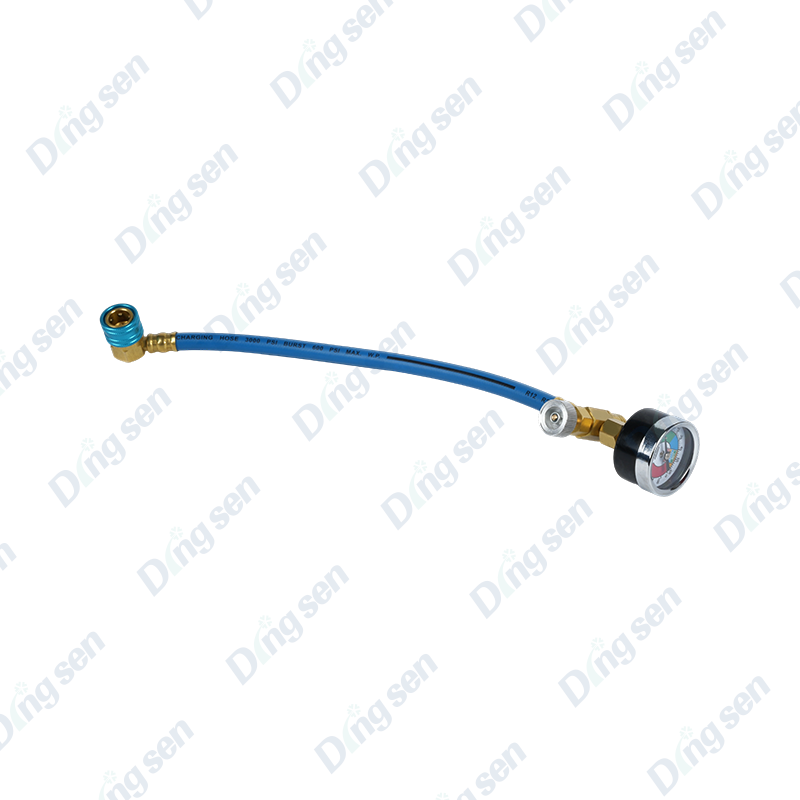
The air conditioning refrigerant filling tool is a professional repair accessory...
-
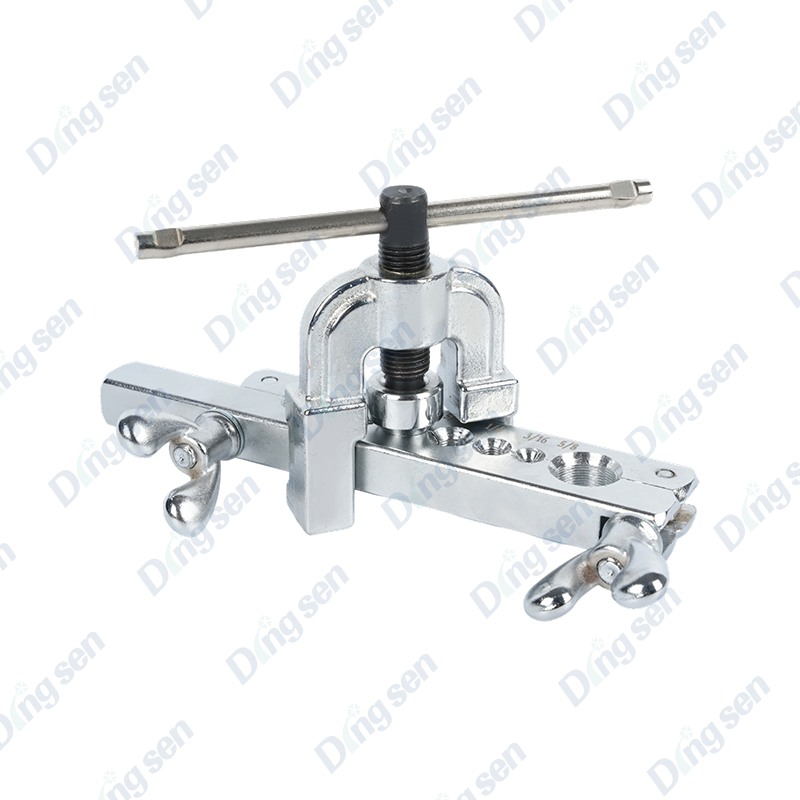
The air conditioning copper tube reamer is a specialized tool for connecting cop...
-
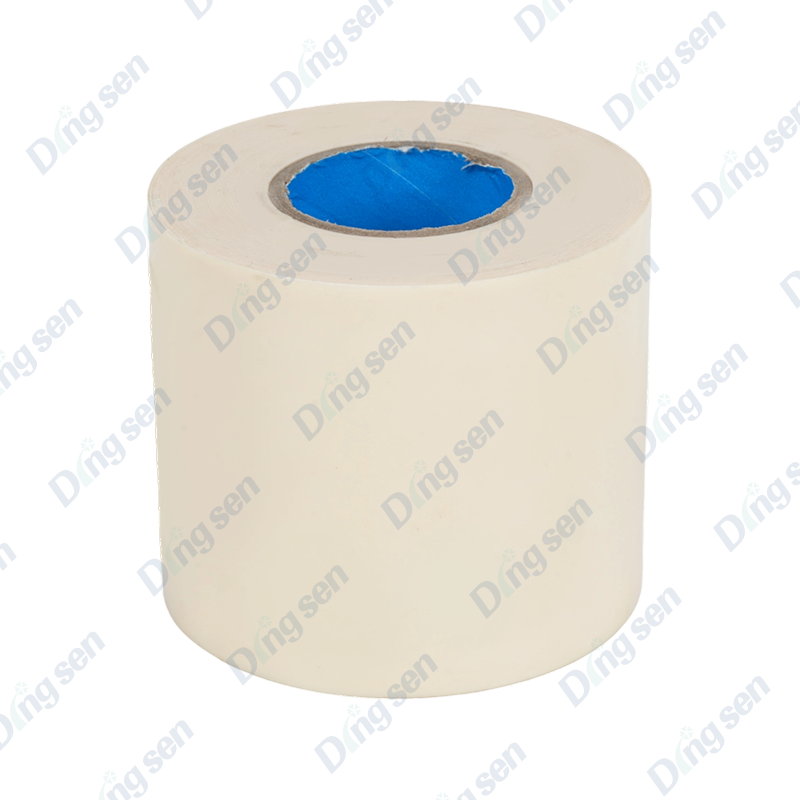
Air conditioning pipe bandage strip is used to secure and protect the pipes conn...
-
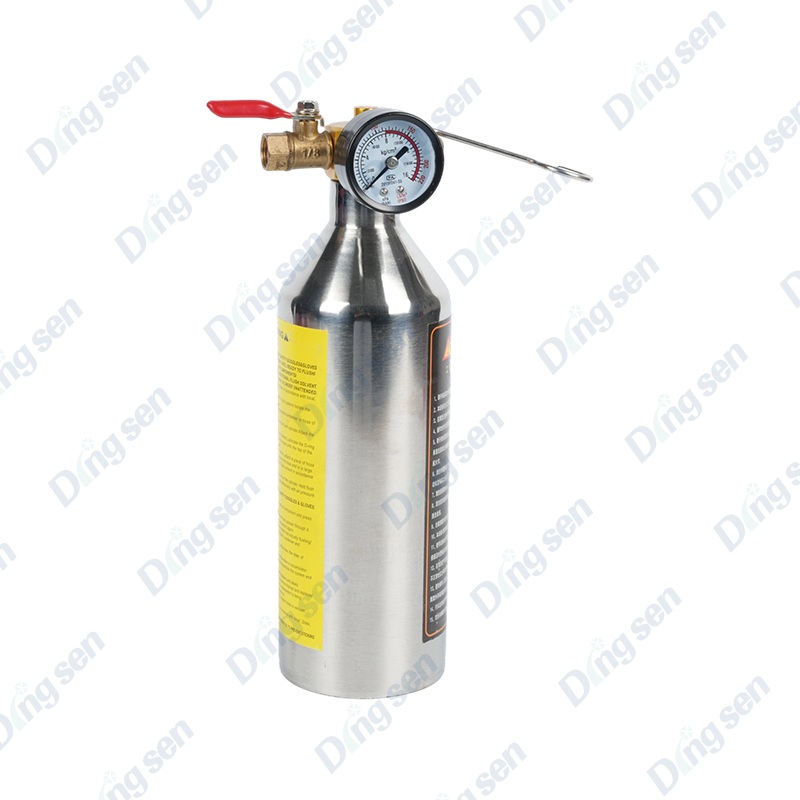
The stainless steel car air conditioning pipe cleaning bottle has a capacity of ...

Contact Us
-

No. 109 Jiefang Road, Diankou Town, Zhuji City, Shaoxing, Zhejiang Province
-

+86-13867581196
-

Copyright © shaoxing DingSen Refrigeration Technology Co Ltd. All Rights Reserved
OEM Refrigeration Parts Manufacturer Custom Automotive AC Parts Factory