
 en
en  Español
 عربى
عربى
What is the average lifespan of a Quick Connector for Car Air Conditioning?
The average lifespan of a Quick Connector for Car Air Conditioning depends on its construction material, usage frequency, and maintenance quality. Under normal professional workshop conditions, a high-quality metal quick connector typically lasts 3 to 7 years or 5,000 to 10,000 connection cycles, whichever comes first. Entry-level plastic-body connectors may degrade within 1 to 2 years under heavy daily use.
That said, lifespan is not a fixed number. Field experience across automotive repair workshops consistently shows that connectors exposed to refrigerant contamination, improper handling, or incompatible system pressures fail significantly earlier than those used correctly with matched equipment. Understanding what drives longevity is more useful than a single average figure.
Content
- 1 What Is a Quick Connector for Car Air Conditioning?
- 2 Key Factors That Determine Connector Lifespan
- 3 Typical Lifespan by Usage Environment
- 4 Warning Signs That a Quick Connector Needs Replacement
- 5 How to Extend the Service Life of Your Quick Connector
- 6 R-134a vs. R-1234yf Connector Lifespan: Are There Differences?
- 7 Professional-Grade Quick Connectors: What to Look For When Buying
- 8 When Should You Replace vs. Repair a Quick Connector?
- 9 Total Cost of Ownership: Investing in Quality Pays Off
What Is a Quick Connector for Car Air Conditioning?
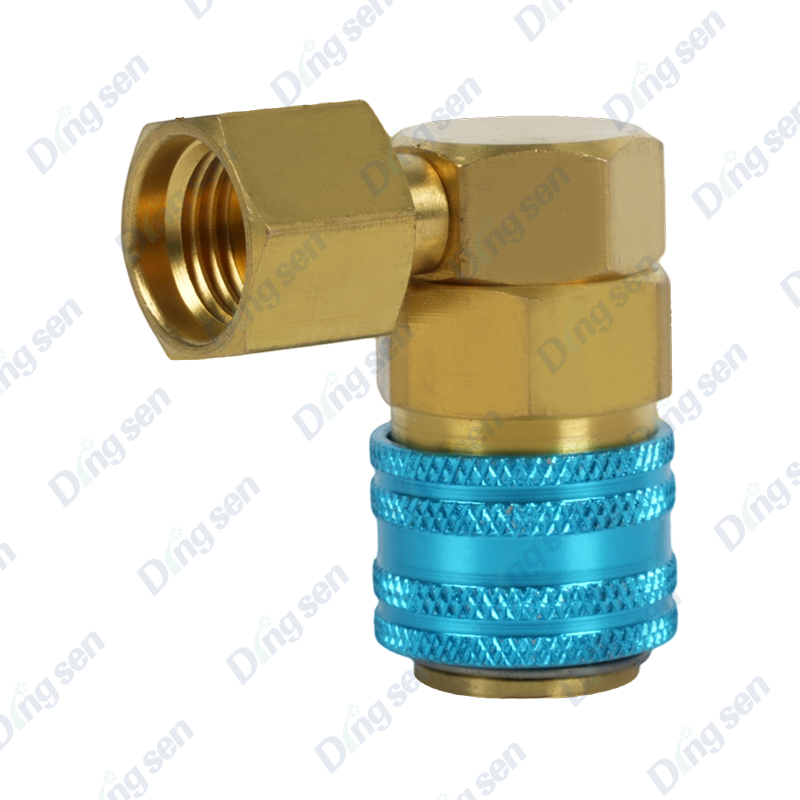
A quick connector for car air conditioning is a coupling device used to connect refrigerant service hoses to the high-side and low-side service ports of a vehicle's AC system during charging, recovery, or diagnostic procedures. It allows technicians to attach and detach service equipment rapidly without refrigerant loss or air ingestion into the system.
These connectors must seal reliably against refrigerant pressures that typically range from 0.2 MPa on the low side to over 2.5 MPa on the high side during operation, and must maintain that seal across repeated connect-disconnect cycles and through the temperature extremes common in automotive engine bays.
Modern connectors are engineered to work with the refrigerants currently in use across vehicle fleets, including R-134a (still common in pre-2017 vehicles) and R-1234yf (mandatory in new EU vehicles since 2017 under EU MAC Directive 2006/40/EC). The material compatibility and sealing design differ significantly between these two refrigerant types, which directly affects lifespan expectations.
Key Factors That Determine Connector Lifespan
Several measurable variables directly control how long a quick connector performs reliably. Understanding each one allows technicians and procurement managers to make informed decisions.
Material Quality of the Connector Body
The connector body material is the single most influential factor in service life. Options in the market range from engineering-grade aluminum alloy and forged brass to reinforced nylon and ABS plastic composites.
- Brass and aluminum alloy connectors withstand repeated thermal cycling, resist refrigerant chemical attack, and maintain dimensional tolerance across thousands of cycles. These grades are standard in professional service equipment.
- Reinforced polymer connectors are lighter and lower in cost but are more susceptible to UV degradation, solvent exposure, and dimensional creep under sustained pressure loading.
- Chrome-plated or nickel-plated steel connectors offer corrosion resistance and high burst pressure ratings, commonly specified for R-1234yf systems where additional chemical inertness is required.
O-Ring and Seal Material Compatibility
The internal O-rings are the most wear-prone components in any quick connector. They experience compression, chemical exposure, and thermal cycling every time the connector is used. Seal material must be matched to the refrigerant type:
- HNBR (Hydrogenated Nitrile Butadiene Rubber) is the industry standard for R-134a systems. It resists mineral and PAG oils effectively and maintains elasticity from -40 degrees C to +150 degrees C.
- EPDM (Ethylene Propylene Diene Monomer) seals are required for R-1234yf systems. R-1234yf is mildly flammable (A2L classification per ASHRAE 34) and chemically distinct from R-134a; HNBR seals swell excessively in R-1234yf environments. According to SAE International Standard J2888, all service equipment for R-1234yf must use EPDM or equivalent compatible seals.
- PTFE-backed seals are used in premium connectors for maximum chemical resistance and minimal friction wear on high-cycle applications.
A connector with the wrong seal material will fail within weeks to months of deployment, regardless of the body material quality. This is one of the most common causes of premature connector failure in workshops transitioning from R-134a to R-1234yf service.
Operating Pressure and Temperature Conditions
Quick connectors for automotive AC service are rated for specific maximum working pressures. The SAE J639 standard specifies design requirements for refrigerant service equipment used in automotive applications. A connector rated for 3.5 MPa burst pressure with a working pressure limit of 2.0 MPa will outlast one rated for lower pressures when both are used on vehicles with high-side pressures approaching 2.0 MPa on hot days.
Ambient temperature during use also matters. Under-hood temperatures in engine bays can reach 120 degrees C near heat sources. Connector materials and seals must retain their mechanical properties at these temperatures to avoid micro-cracking and seal extrusion that lead to refrigerant leaks and connector body damage.
Connection Cycle Frequency
In a busy automotive workshop performing 8 to 12 AC service jobs per day, a quick connector may experience 16 to 24 full connect-disconnect cycles daily. Over a 250-day working year, this equates to 4,000 to 6,000 cycles annually. A connector rated for 10,000 cycles would theoretically last 1.5 to 2.5 years at this usage rate before O-ring fatigue becomes detectable.
Conversely, in a dealership workshop with lower AC service volume (3 to 5 jobs per day), the same connector might last 4 to 6 years before requiring seal replacement or full connector replacement.
Maintenance and Inspection Practices
Connectors that are inspected regularly, lubricated with compatible refrigerant oil, and stored properly (capped when not in use) consistently outlast those left exposed to workshop contaminants. Dirt ingress into the connector body is one of the leading causes of accelerated O-ring wear and valve seat damage.
Typical Lifespan by Usage Environment
The table below summarizes expected connector service life across different workshop environments, based on typical usage patterns and industry field reports from automotive AC service equipment suppliers and SAE technical papers.
| Usage Environment | Daily Cycles | Annual Cycles | Expected Lifespan (Metal Connector) | Expected Lifespan (Polymer Connector) |
| High-volume AC specialist workshop | 20-24 | 5,000-6,000 | 1.5-2.5 years | 6-12 months |
| General automotive repair shop | 8-14 | 2,000-3,500 | 3-5 years | 1-2 years |
| Vehicle dealership service center | 6-10 | 1,500-2,500 | 4-7 years | 2-3 years |
| Mobile/occasional use technician | 2-6 | 400-1,200 | 7-10+ years | 4-6 years |
Warning Signs That a Quick Connector Needs Replacement
Rather than relying solely on age or cycle count, technicians should monitor for specific performance indicators that signal connector degradation. Replacing a failing connector before it causes refrigerant loss or system contamination is far less costly than dealing with the downstream consequences.
Visible Physical Indicators
- O-ring extrusion or flatness: Remove and inspect the O-ring. A healthy O-ring has a round cross-section. Flattened, extruded, or cracked O-rings have lost their sealing ability and must be replaced immediately.
- Body corrosion or pitting: Surface corrosion on aluminum or steel connector bodies indicates material degradation that may have compromised wall thickness and pressure integrity.
- Valve seat damage: Visible scoring or deformation on the Schrader valve depressor indicates excessive wear that will cause incomplete valve actuation or refrigerant back-leak during disconnection.
- Locking mechanism stiffness or looseness: A locking collar that requires excessive force to engage or disengages too easily indicates worn engagement grooves that can result in accidental disconnection under pressure.
Performance-Based Indicators
- Refrigerant odor during connection or disconnection: Any detectable refrigerant smell around the connector indicates seal failure or valve seat damage. Even a small leak represents both an environmental violation (under EU Regulation 517/2014 for fluorinated gases) and a safety concern for R-1234yf systems.
- Pressure gauge fluctuation at rest: If manifold gauge readings show unstable pressure when the connector is seated but the system is static, the connector seal is not forming a reliable closure against the service port valve.
- Difficulty in connector engagement: A connector that requires abnormal force to click onto a service port, or that wobbles after engagement, has worn mechanical tolerances and should not be used under pressure.
How to Extend the Service Life of Your Quick Connector
Proper handling and maintenance practices can significantly extend connector lifespan beyond baseline expectations. The following steps are based on manufacturer recommendations and standard automotive HVAC service protocols:
- Cap connectors when not in use. Dust and debris in the connector body abrade O-rings during the next connection cycle. Protective caps cost almost nothing and prevent the most common source of premature seal wear.
- Lubricate O-rings periodically. Apply a small amount of compatible refrigerant oil (PAG oil for R-134a systems; POE oil for R-1234yf systems) to the O-ring seating surface every 3 to 6 months of regular use. This reduces friction wear on every cycle.
- Inspect before each use. A 10-second visual check of the O-ring, valve depressor, and locking mechanism before connecting to a vehicle's AC system costs nothing and prevents the far greater cost of a mid-service refrigerant release.
- Replace O-rings proactively. For high-volume users, establish a scheduled O-ring replacement interval (for example, every 2,000 cycles or annually) rather than waiting for seal failure. O-ring replacement kits are inexpensive and readily available for most connector models.
- Store connectors in a clean, temperature-stable environment. Avoid storing connectors near solvents, brake fluid, or other chemicals that can attack seal materials. Excessive heat or cold during storage (outside the range of -20 degrees C to +60 degrees C) causes polymer and rubber components to age prematurely.
- Do not exceed rated working pressure. Using a connector rated for R-134a pressures on R-1234yf high-side service without verifying pressure compatibility is a common source of catastrophic connector failure. Always verify the connector's maximum working pressure against the expected system pressures.
- Verify refrigerant compatibility before purchase. If your workshop services both R-134a and R-1234yf vehicles, use dedicated connectors for each refrigerant type. Cross-contamination of refrigerants — facilitated by using the same connector across both systems — causes expensive damage to AC systems and is a regulatory violation in most jurisdictions.
R-134a vs. R-1234yf Connector Lifespan: Are There Differences?
The refrigerant type being serviced has a measurable impact on connector longevity, and this distinction is increasingly relevant as the automotive fleet transitions toward R-1234yf.
| Factor | R-134a Connectors | R-1234yf Connectors |
| Compatible seal material | HNBR | EPDM (SAE J2888 requirement) |
| Typical working pressure (high side) | Up to 1.8 MPa | Up to 2.0 MPa |
| Connector port size | Standard (larger) | Smaller (SAE J2888 unique fittings to prevent cross-contamination) |
| Chemical aggressiveness on seals | Low-moderate | Moderate (more aggressive toward HNBR seals) |
| Expected O-ring replacement interval | Every 2,000-3,000 cycles | Every 1,500-2,500 cycles (EPDM softer than HNBR under equivalent loads) |
| Overall connector body lifespan | 3-7 years (professional use) | 3-6 years (professional use, with regular seal maintenance) |
The key takeaway is that R-1234yf connectors require more frequent O-ring inspection and replacement due to the higher chemical interaction between R-1234yf and EPDM seal material under repeated thermal cycling. However, the connector body itself lasts comparably to R-134a connectors when made from appropriate materials (aluminum or brass with compatible surface treatments).
Professional-Grade Quick Connectors: What to Look For When Buying
Given the direct relationship between connector quality and service life, selecting the right product from the outset is the most cost-effective strategy. The following criteria distinguish professional-grade connectors from budget alternatives:
- Forged or machined metal body: Forged aluminum or brass construction (not cast or injection-molded metal) provides consistent material density and eliminates porosity that can cause micro-leaks under sustained pressure.
- Clearly stated O-ring material and refrigerant compatibility: A reputable manufacturer specifies the seal material and compatible refrigerants explicitly. Avoid connectors that claim universal compatibility without specifying seal composition.
- Stated working pressure and burst pressure rating: Professional connectors publish both working pressure (the maximum sustained operating pressure) and burst pressure (the pressure at which the connector will fail). A minimum burst-to-working-pressure ratio of 4:1 is standard for safety-critical refrigerant service equipment.
- Compliance marking: Look for reference to SAE J639 (general refrigerant safety), SAE J2888 (R-1234yf equipment), or CE marking (EU market). These indicate the product has been designed to meet recognized safety standards.
- Replaceable O-ring design: Connectors with a serviceable design (where the O-ring can be accessed and replaced without special tools) have a far lower total cost of ownership than sealed units that must be discarded when the seal fails.
- Smooth, positive locking action: Test the locking mechanism engagement before purchasing or accepting delivery. It should click positively into position with moderate force and not exhibit play or wobble in the locked state.
Our Quick Connector for Car Air Conditioning is engineered to meet these professional standards, with a metal connector body, clearly specified seal material, and a serviceable design that allows O-ring replacement to extend connector service life rather than requiring full unit replacement at each seal service interval. It is part of our Professional Air Conditioner Repair Tool Series, developed specifically for automotive technicians who require reliable, long-service-life tools for high-frequency workshop use.
When Should You Replace vs. Repair a Quick Connector?
Not every connector issue warrants full replacement. The decision framework below helps technicians and workshop managers determine the most cost-effective course of action:
Replace the O-Ring Only (Repair)
O-ring replacement is appropriate when:
- The connector body shows no corrosion, deformation, or visible damage
- The locking mechanism engages and releases cleanly with appropriate force
- The valve depressor is undamaged and seats correctly
- The only symptom is a minor refrigerant seep at the connection point that disappears after O-ring replacement
O-ring replacement kits for most professional connectors cost a fraction of a full connector, and a single replacement typically restores the connector to full service life for another 1,500 to 3,000 cycles depending on usage rate.
Replace the Entire Connector
Full connector replacement is warranted when:
- The connector body shows corrosion, pitting, or mechanical deformation
- The locking mechanism is worn, sticky, or fails to hold securely
- The valve depressor is scored, bent, or no longer correctly actuates the Schrader valve
- The connector has been dropped onto a hard surface from height (internal damage may not be visible)
- Refrigerant leakage continues after O-ring replacement, indicating a body seal or valve seat defect
- The connector exceeds 7 years of age regardless of apparent condition, as polymer aging of internal seals and soft components progresses even without use
Total Cost of Ownership: Investing in Quality Pays Off
When evaluating quick connector options, the purchase price is only one component of the true cost. Consider the following comparison over a 5-year horizon for a workshop performing 10 AC service jobs per day:
| Cost Factor | Budget Polymer Connector | Professional Metal Connector |
| Expected replacement interval | 12-18 months | 4-5 years (O-ring replacement only) |
| Units needed over 5 years (pair: high + low side) | 3-4 pairs | 1 pair + O-ring kits |
| Risk of mid-service refrigerant release | Higher (seal degradation unpredictable) | Lower (metal body + scheduled seal maintenance) |
| Regulatory risk (EU F-gas, SAE) | Higher (non-compliant equipment risk) | Lower (standards-referenced design) |
| Downtime from connector failure | Higher frequency | Lower frequency |
The analysis consistently favors professional-grade metal connectors when the full picture is considered. The upfront investment in a quality Quick Connector for Car Air Conditioning reduces total replacement spend, minimizes refrigerant release incidents, and supports compliance with refrigerant handling regulations that carry significant penalties in both the EU and North American markets.
-
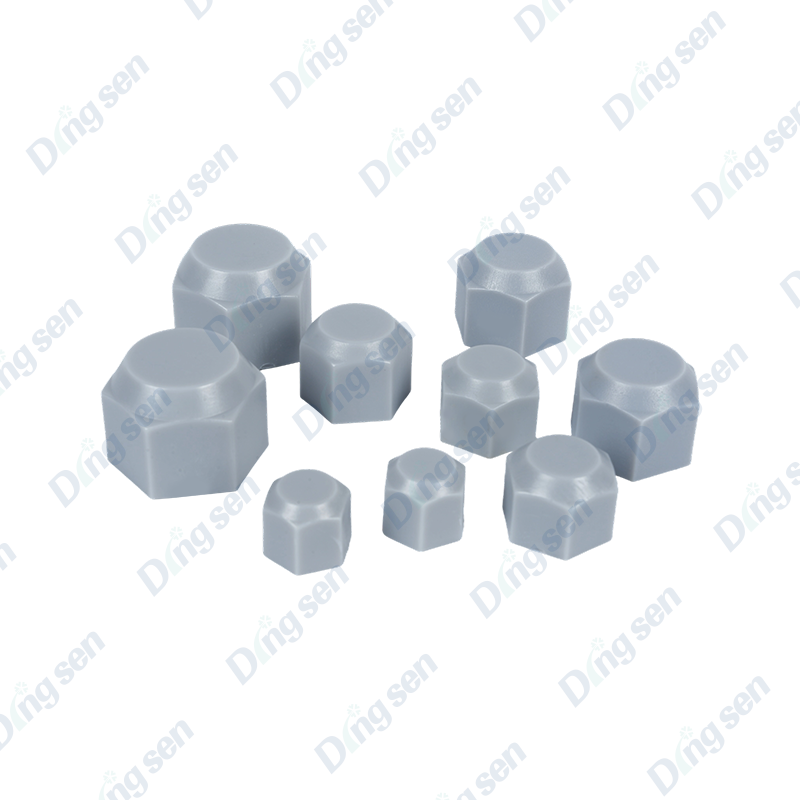
Air conditioning plastic nuts are lightweight seals for connecting copper pipes ...
-
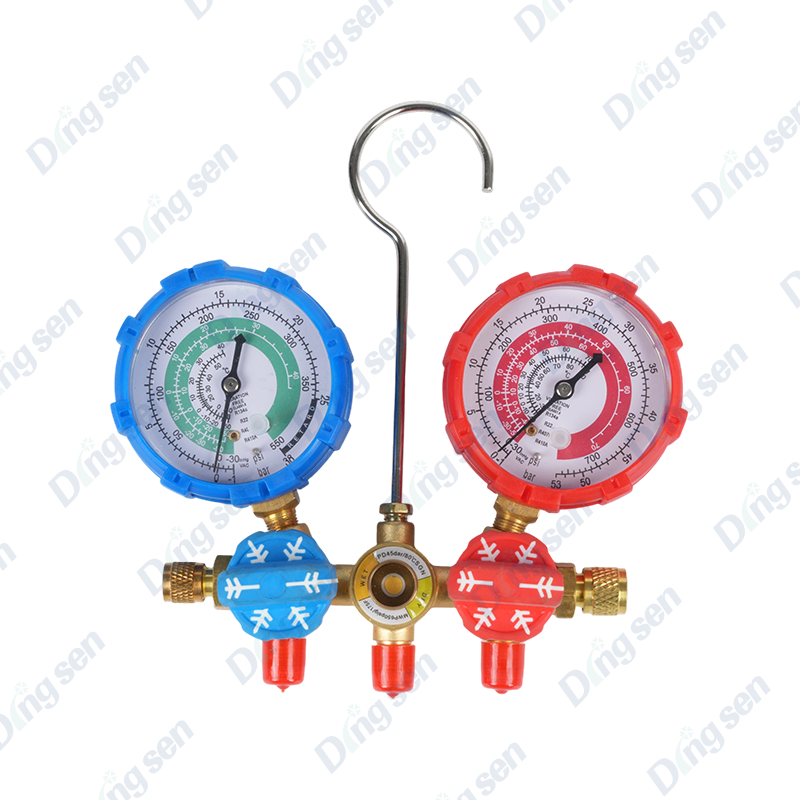
The car air conditioning fluorine charging guage is a dedicated instrument for r...
-
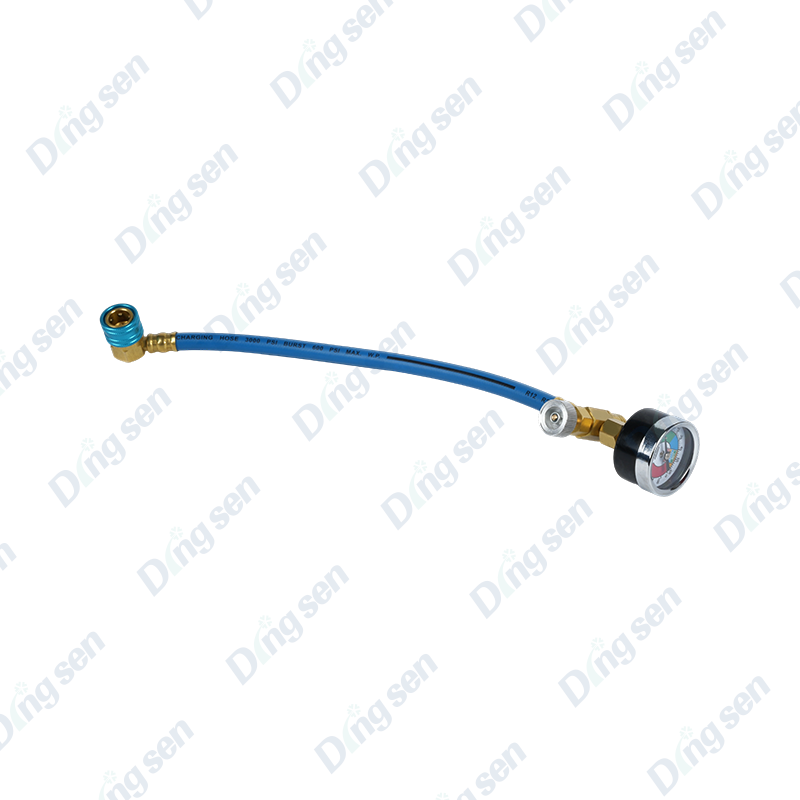
The air conditioning refrigerant filling tool is a professional repair accessory...
-
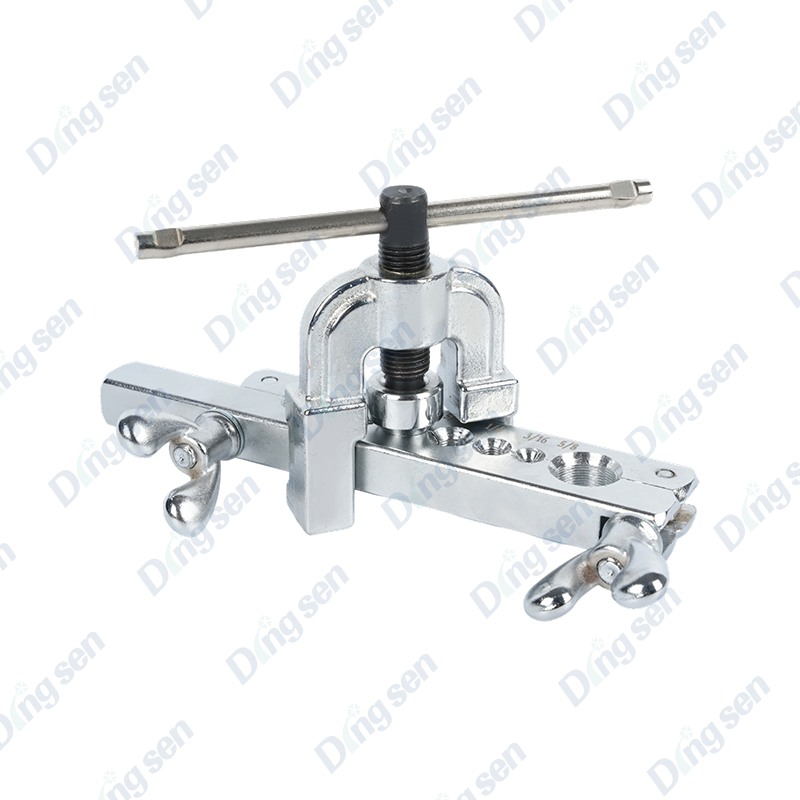
The air conditioning copper tube reamer is a specialized tool for connecting cop...
-
Air conditioning pipe bandage strip is used to secure and protect the pipes conn...
-
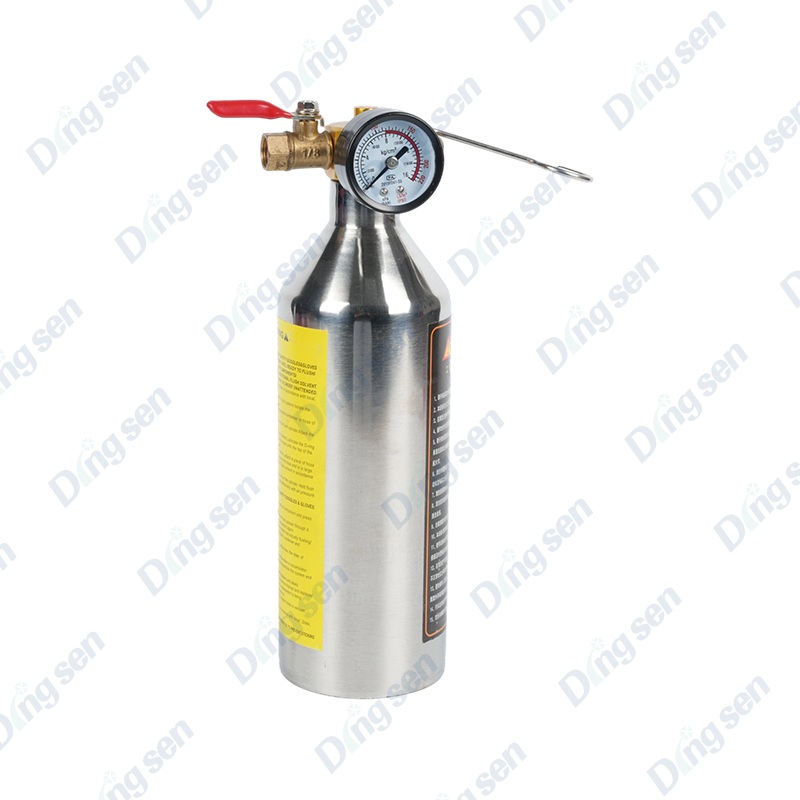
The stainless steel car air conditioning pipe cleaning bottle has a capacity of ...

Contact Us
-

No. 109 Jiefang Road, Diankou Town, Zhuji City, Shaoxing, Zhejiang Province
-

+86-13867581196
-

Copyright © shaoxing DingSen Refrigeration Technology Co Ltd. All Rights Reserved
OEM Refrigeration Parts Manufacturer Custom Automotive AC Parts Factory