
 en
en  Español
 عربى
عربى
What is a Quick Connector for Car Air Conditioning?
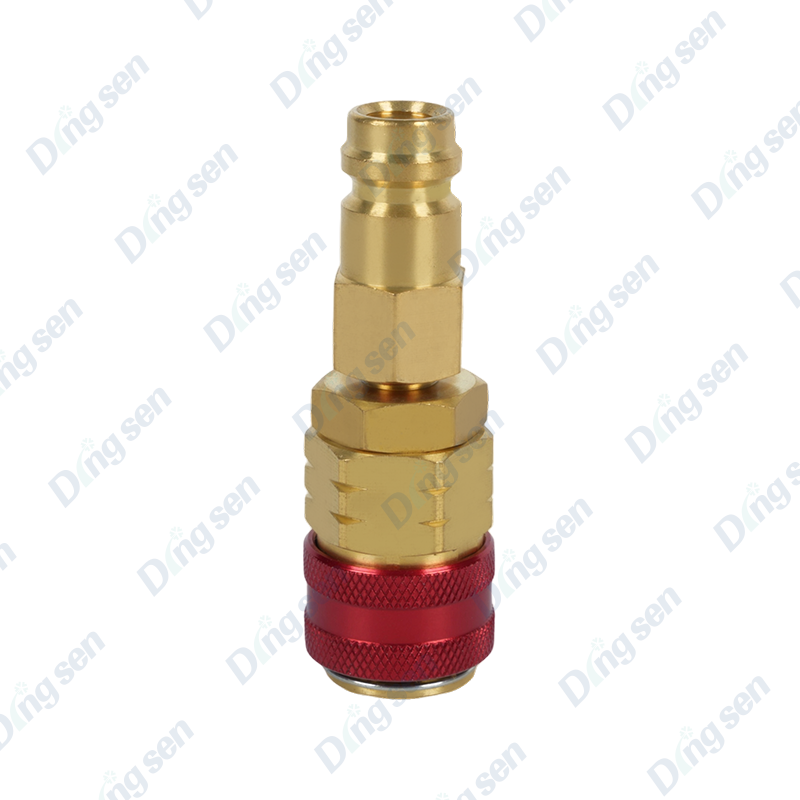
A quick connector for car air conditioning is a specialized coupling device that enables fast, tool-free, and leak-free connection between a vehicle's air conditioning refrigerant lines and external service equipment such as manifold gauge sets, refrigerant recovery machines, vacuum pumps, and charging stations. Rather than using threaded fittings that require wrenches and multiple turns to secure, a quick connector latches onto the service port with a single push-and-click action, sealing instantly and releasing just as quickly when the lever or collar is actuated. These connectors are an essential component in any professional automotive A/C service toolkit, enabling efficient refrigerant filling, system pressure testing, leak detection, and refrigerant recovery without risk of refrigerant escape or moisture contamination.
Content
- 1 Why Quick Connectors Are Used in Car A/C Systems
- 2 How a Car A/C Quick Connector Works
- 3 Types of Car A/C Quick Connectors
- 4 Key Specifications to Understand
- 5 Materials and Construction: What Makes a Quality Connector
- 6 Common Applications in Automotive A/C Service
- 7 Compatibility: Matching the Connector to the Vehicle
- 8 Proper Use, Maintenance, and Storage
- 9 Signs That a Quick Connector Needs Replacement
- 10 About Shaoxing DingSen Refrigeration Technology Co., Ltd.
Why Quick Connectors Are Used in Car A/C Systems
Automotive air conditioning systems operate as sealed, pressurized circuits. Any connection or disconnection of service equipment introduces a risk of refrigerant loss, air ingress, and moisture contamination — all of which reduce system performance or cause compressor damage. Quick connectors address this challenge directly by incorporating internal valve mechanisms that keep both sides of the connection sealed until the coupling is fully engaged.
The practical benefits over older threaded service couplings are substantial:
- Speed: Connection and disconnection takes seconds rather than minutes, reducing service bay time per vehicle.
- Minimal refrigerant loss: The self-sealing valve design prevents refrigerant from escaping during connect and disconnect operations.
- No tools required: Eliminates the need for wrenches or spanners at the service port, reducing the risk of port damage.
- Operator safety: Sealed connections protect technicians from direct contact with refrigerant, which can cause frostbite and eye injury.
- Regulatory compliance: Many environmental regulations now require refrigerant recovery during service; quick connectors make recovery equipment easier and faster to attach, supporting compliance.
How a Car A/C Quick Connector Works
The operating principle of a quick connector is based on a push-to-connect, pull/lever-to-release mechanism combined with dual internal check valves. Understanding this mechanism helps technicians use the connectors correctly and avoid common mistakes.
Connection Sequence
- Identify the correct service port: The low-pressure (suction) side port and the high-pressure (discharge) side port are different sizes to prevent cross-connection. Low-side ports are larger in diameter than high-side ports.
- Align the connector: Slide the quick connector over the service port fitting, ensuring it is oriented straight to avoid cross-threading or cocking.
- Push to engage: Push the connector body forward firmly until an audible click is heard or felt. This click signals that the locking ring or collet has snapped into the groove on the service port.
- Valve opening: As the connector seats fully, the internal pin or actuator pushes open the Schrader valve (service port valve) and simultaneously opens the connector's own internal valve, allowing refrigerant to flow through.
- Verify seating: A gentle tug on the connector body confirms it is locked. A properly seated connector will not pull free without actuating the release mechanism.
Disconnection Sequence
- Close the service valve on the manifold gauge or charging station to isolate the hose from the system before disconnecting.
- Actuate the release: Press the release button, slide the release collar, or squeeze the lever (depending on connector design) to retract the locking collet.
- Pull back: As the connector is withdrawn, the internal valves on both the connector and the service port close simultaneously, trapping refrigerant in the system and preventing it from escaping into the atmosphere.
- Inspect and cap: Replace the dust cap on the service port immediately after disconnection to protect against contamination.
Types of Car A/C Quick Connectors
Quick connectors for automotive A/C service are manufactured in several configurations to match different system designs, refrigerant types, and service equipment interfaces. Selecting the correct type is essential for compatibility and safety.
By Refrigerant Type and Port Size
The refrigerant used in the vehicle determines the port size and connector specification. Using the wrong connector type is physically prevented by the size difference in most cases, but knowing the system type before service is essential:
- R-134a systems: The vast majority of vehicles built between the early 1990s and the mid-2010s use R-134a refrigerant. Low-side service ports use a 1/4-inch SAE quick connect fitting; high-side ports use a 16mm (or 3/8-inch SAE) quick connect.
- R-1234yf systems: Newer vehicles (typically 2017 onward in many markets) use R-1234yf, a low-GWP refrigerant. Service ports use a proprietary quick connect design that is not compatible with R-134a connectors, ensuring refrigerant types cannot be cross-contaminated.
- R-12 legacy systems: Older vehicles using R-12 (phased out under the Montreal Protocol) have different, larger threaded ports. Retrofit adapters are available to allow modern quick connectors to service these systems after conversion.
- CO2 (R-744) systems: Emerging in electric and hybrid vehicles, CO2 A/C systems operate at pressures up to 130 bar (1,885 psi) — far higher than conventional systems — and require purpose-built high-pressure quick connectors rated for these extreme conditions.
By Release Mechanism
- Push-button release: A side-mounted button depresses a retaining pin, allowing the connector to be pulled free. Simple and fast, common on standard service hose ends.
- Sliding collar release: A sleeve around the connector body is slid back toward the hose to disengage the locking collet. Provides a secure grip and is resistant to accidental release.
- Lever-actuated release: A handle or lever on the side of the connector simultaneously closes the internal valve and releases the lock, making disconnection a single-hand operation. Preferred for high-frequency production-line use.
- Coupler-style (two-piece): A male and female half that snap together. The female half may be permanently mounted on the service hose; the male half connects to an adapter on the vehicle port. Common in refrigerant recovery station configurations.
By Service Application
- Low-side (suction) connectors: Connect to the low-pressure service port, typically used for vacuum testing, refrigerant charging, and low-side pressure monitoring.
- High-side (discharge) connectors: Connect to the high-pressure port for high-side pressure reading and refrigerant recovery. Must be rated for pressures typically up to 500 psi (34 bar) for conventional refrigerants.
- Dual-port connector sets: Sold as matched pairs for low- and high-side connections, color-coded blue (low side) and red (high side) to prevent cross-connection.
Key Specifications to Understand
When selecting or evaluating a quick connector for automotive A/C service, the following technical parameters define suitability and safety:
| Specification | Typical Value / Range | Why It Matters |
|---|---|---|
| Working Pressure (Low Side) | Up to 250 psi (17 bar) | Must exceed maximum low-side system pressure |
| Working Pressure (High Side) | Up to 500 psi (34 bar) | High-side can spike significantly under load |
| Compatible Refrigerants | R-134a, R-1234yf, R-12 (with adapter) | Incorrect match causes cross-contamination |
| Seal Material | NBR, HNBR, EPDM, or PTFE | Determines refrigerant and oil compatibility |
| Body Material | Brass, aluminum alloy, stainless steel | Affects corrosion resistance and service life |
| Operating Temperature Range | -40°C to +120°C (-40°F to +248°F) | Must withstand engine bay thermal cycling |
| Leak Rate | < 0.5 g/year (high-quality units) | Determines long-term refrigerant retention |
| Connection Cycles (Service Life) | 500 – 5,000+ cycles | Determines value for professional vs. DIY use |
Materials and Construction: What Makes a Quality Connector
The reliability of a quick connector under the harsh conditions of automotive A/C service — high pressures, extreme temperatures, chemical exposure, and frequent use — depends entirely on material selection and precision manufacturing.
Body and Housing Materials
Quality quick connectors use brass or forged aluminum alloy bodies that are precision-machined to tight tolerances. Brass offers excellent corrosion resistance to refrigerant oils and moisture; aluminum is preferred where weight reduction is important. Stainless steel is used for applications requiring the highest corrosion resistance or for CO2 (R-744) high-pressure systems. Chrome or nickel plating is often applied to improve surface durability and prevent galvanic corrosion when the connector contacts dissimilar metals on the vehicle service port.
Seal and O-Ring Materials
The internal seals are the most critical components in determining long-term leak performance. Different refrigerants and compressor oils require different seal materials:
- NBR (Nitrile Butadiene Rubber): The traditional seal material for R-12 and older mineral-oil systems. Not recommended for PAG oil compatibility.
- HNBR (Hydrogenated NBR): The most widely used seal material in modern automotive A/C connectors. Excellent compatibility with R-134a and PAG compressor oils, with an operating range of -40°C to +150°C.
- EPDM: Used for R-1234yf systems and some water-based or CO2 systems. Chemically resistant to a broader range of refrigerants but not compatible with mineral oil.
- PTFE (Polytetrafluoroethylene): Used for backup rings and valve seats in high-end connectors. Virtually chemically inert and provides a very low-friction sealing surface.
Precision Machining and Airtightness Testing
Professional-grade quick connectors undergo precision CNC machining to ensure that mating surfaces, locking grooves, and valve seats are dimensionally accurate within tolerances of ±0.01 mm to ±0.05 mm. After assembly, each connector is subjected to airtightness testing — typically helium leak detection or nitrogen pressure hold testing — to verify that the assembled unit meets the specified leak rate before leaving the factory. This quality step is what distinguishes a connector that will seal reliably after thousands of service cycles from one that begins to leak prematurely.
Common Applications in Automotive A/C Service
Quick connectors are used across the full range of car air conditioning maintenance and repair tasks. Understanding which operations require which connector type helps technicians equip themselves correctly.
Refrigerant Charging and Top-Up
When an A/C system has lost refrigerant due to a slow leak or routine maintenance, the system must be recharged to the manufacturer's specified weight (typically 400 g to 900 g of refrigerant depending on vehicle size). A quick connector on the low-side service port connects the charging hose from a refrigerant cylinder or charging station to the system. The self-sealing valve ensures that no air enters the system and no refrigerant escapes during connection and disconnection.
System Pressure Testing and Leak Detection
Both high-side and low-side quick connectors are attached simultaneously to connect the manifold gauge set. The gauges display real-time system pressures that allow the technician to diagnose issues such as overcharging, undercharging, compressor failure, or blockages in the system. For leak testing, nitrogen is sometimes introduced through the service ports at pressures of 150 to 200 psi (10 to 14 bar) to locate leaks before recharging with refrigerant.
Vacuum Evacuation
Before any refrigerant charge is introduced into a system that has been opened for repair, the system must be evacuated with a vacuum pump to remove all air and moisture. Quick connectors on both service ports connect the vacuum pump to the system. The evacuation process typically draws the system down to 500 microns (0.5 Torr) or below, a level at which residual moisture boils off at ambient temperature.
Refrigerant Recovery
Environmental regulations in most countries require that refrigerant be recovered before any A/C system repair that involves opening the refrigerant circuit. Recovery machines connect via quick connectors on both service ports and extract the refrigerant into a certified recovery cylinder. Quick connectors minimize the refrigerant lost to the atmosphere during the connect and disconnect operations, supporting environmental compliance.
Compressor Oil Injection
After major repairs such as compressor replacement or system flush, the correct quantity of compressor lubricating oil (typically PAG oil for R-134a systems or POE oil for R-1234yf systems) must be reintroduced. Specialized quick connector adapters allow oil injectors to connect to the service ports without opening the system to atmosphere.
Compatibility: Matching the Connector to the Vehicle
One of the most important practical aspects of working with car A/C quick connectors is ensuring compatibility between the connector and the vehicle's service port design. While standardization has improved over the decades, there are still meaningful differences across vehicle makes, model years, and refrigerant systems.
| Vehicle Era | Refrigerant | Low-Side Port | High-Side Port | Connector Type |
|---|---|---|---|---|
| Pre-1993 | R-12 | 7/16-20 threaded | 3/8-24 threaded | Threaded or retrofit adapter |
| 1993–2016 | R-134a | 1/4-inch SAE quick connect | 16 mm quick connect | R-134a quick connector set |
| 2017 onward | R-1234yf | Proprietary quick connect | Proprietary quick connect | R-1234yf dedicated connector set |
| EV / Hybrid (emerging) | R-744 (CO2) | High-pressure quick connect | High-pressure quick connect | CO2-rated high-pressure connector |
Proper Use, Maintenance, and Storage
Even the highest-quality quick connector will fail prematurely if it is used incorrectly or not maintained. Following these best practices extends service life and ensures consistent sealing performance.
During Use
- Always verify refrigerant type before connecting. Connecting an R-134a connector to an R-1234yf port is physically prevented by port size differences, but using incorrect adapters to force a connection can cross-contaminate the refrigerant.
- Do not exceed the rated working pressure. Attempting to use a low-side connector on the high-pressure side can cause catastrophic failure of the locking mechanism.
- Never disconnect under pressure without first closing the manifold valve and relieving line pressure through the proper recovery procedure. Forced disconnection under high pressure risks injury and refrigerant release.
- Inspect the O-rings before each use. A cracked, deformed, or flattened O-ring should be replaced immediately. Replacement O-ring kits for most standard connectors are widely available.
Cleaning and Storage
- After each use, wipe the connector body and port contact surfaces with a clean, dry cloth to remove oil residue and dirt.
- Apply a small amount of refrigerant oil to the O-rings periodically to keep them pliable and prevent them from drying out and cracking.
- Store connectors with dust caps in place over the port-contact end to prevent contamination of the valve and sealing surfaces.
- Store in a dry, moderate-temperature environment. Prolonged storage at temperatures above 60°C can degrade O-ring elastomers.
- Replace any connector that has been dropped from height or shows signs of impact damage to the locking mechanism, even if no visible damage is apparent.
Signs That a Quick Connector Needs Replacement
Recognizing early signs of connector wear or damage prevents refrigerant loss, contamination, and potential safety incidents during service work:
- Difficulty engaging or releasing: A connector that is hard to push on or release may have a worn locking collet, bent retaining pins, or a deformed body.
- Visible refrigerant oil residue around the joint: Oil tracking is one of the first signs of a weeping seal, even before a measurable pressure loss occurs.
- Failure to hold a vacuum: If the manifold gauge shows the vacuum decaying faster than expected during evacuation, the connector seals may be allowing air ingress.
- Cracked or extruded O-rings: Visible during pre-use inspection, these must be replaced before the connector is put back into service.
- Corrosion or pitting on the body: Surface corrosion can indicate internal corrosion of valve components, compromising both sealing and structural integrity.
About Shaoxing DingSen Refrigeration Technology Co., Ltd.
Shaoxing DingSen Refrigeration Technology Co., Ltd., founded in 2008, is a China wholesale quick connector for car air conditioning supplier and OEM quick connector for car air conditioning factory. The company mainly produces refrigeration accessories and auto air-conditioning accessories, and has over 15 years of manufacturing experience in this specialized field.
Since its establishment, DingSen has taken "Honesty and Innovation" as its core goal, guided by the business philosophy of "Superb Manufacture, Good Virtue, Serious Attitude, and High Quality." Guided by high-tech development, the company adheres to a sustainable growth path focused on quality and operational benefit.
Through continuous innovation and practice, DingSen has built a solid quality foundation and a trusted reputation within the refrigeration accessories manufacturing industry. With efficient, high-quality service and a commitment to mutual benefit, the company actively cooperates with businesses across all fields, constantly explores new markets, and strives to deliver reliable automotive A/C quick connector solutions to customers worldwide.
-
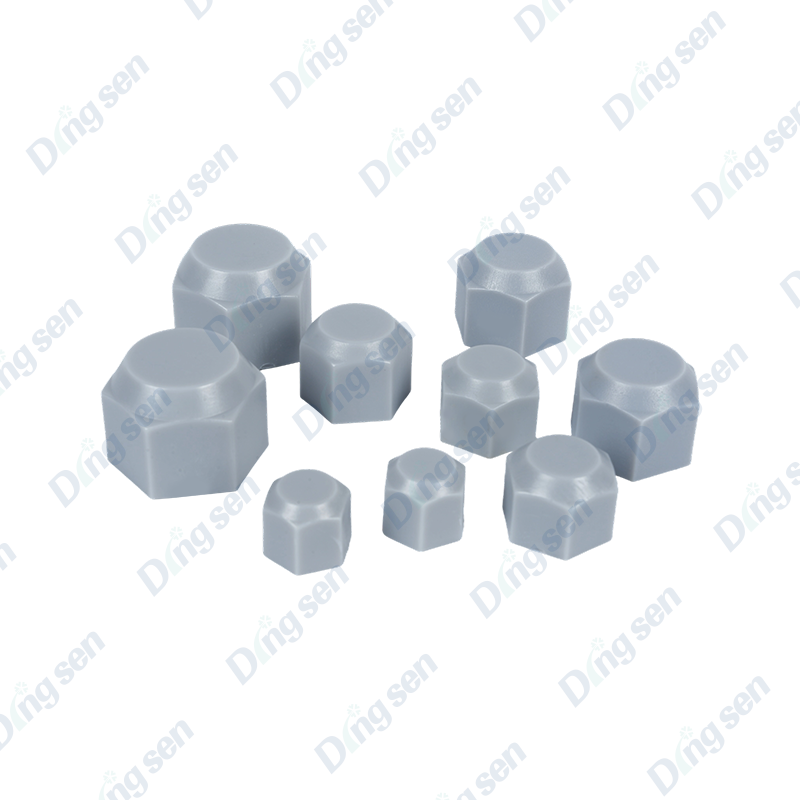
Air conditioning plastic nuts are lightweight seals for connecting copper pipes ...
-
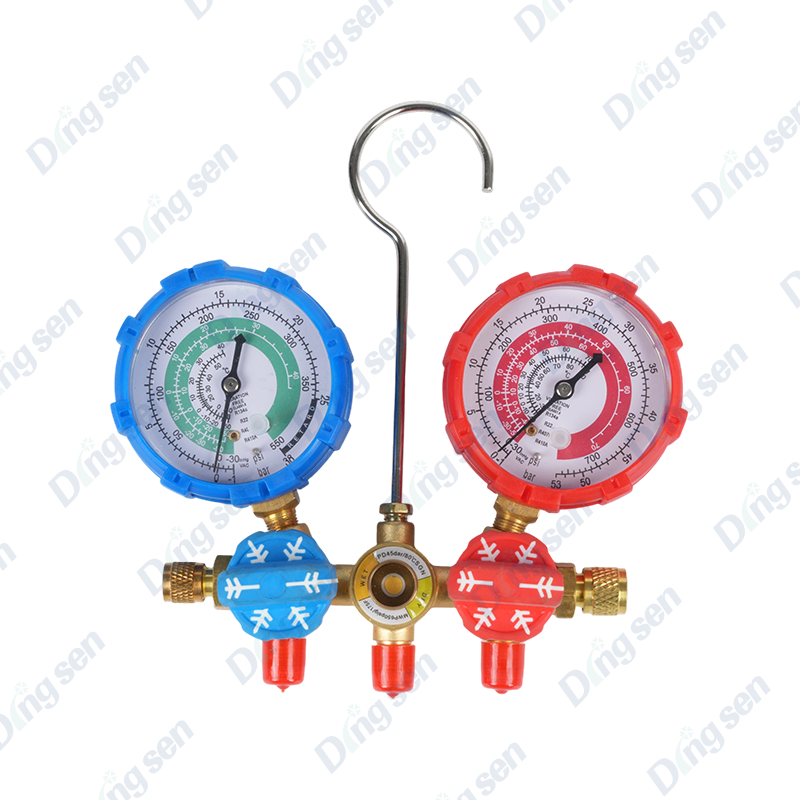
The car air conditioning fluorine charging guage is a dedicated instrument for r...
-
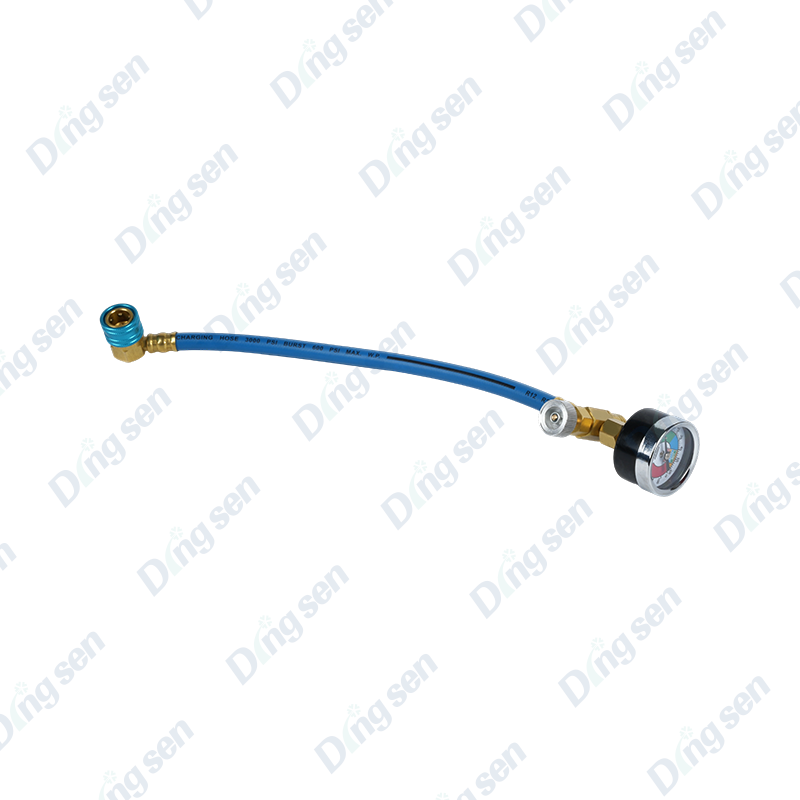
The air conditioning refrigerant filling tool is a professional repair accessory...
-
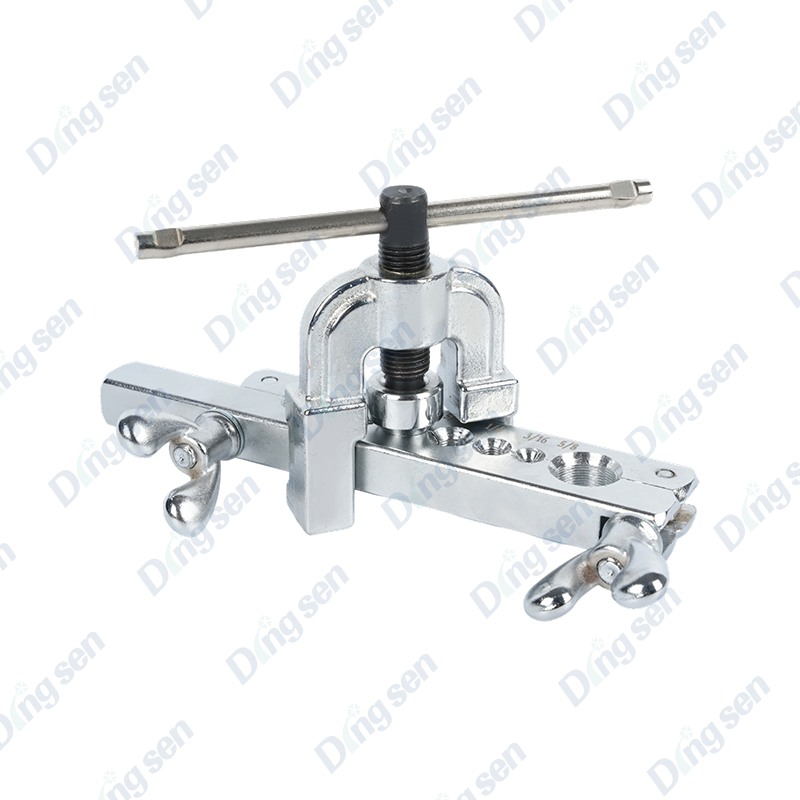
The air conditioning copper tube reamer is a specialized tool for connecting cop...
-
Air conditioning pipe bandage strip is used to secure and protect the pipes conn...
-
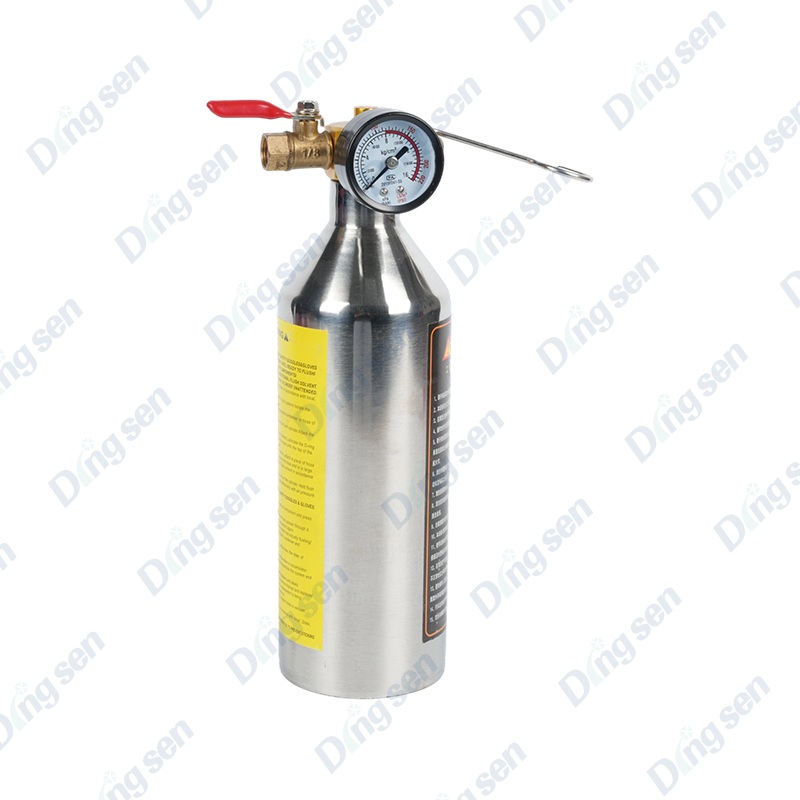
The stainless steel car air conditioning pipe cleaning bottle has a capacity of ...

Contact Us
-

No. 109 Jiefang Road, Diankou Town, Zhuji City, Shaoxing, Zhejiang Province
-

+86-13867581196
-

Copyright © shaoxing DingSen Refrigeration Technology Co Ltd. All Rights Reserved
OEM Refrigeration Parts Manufacturer Custom Automotive AC Parts Factory