
 en
en  Español
 عربى
عربى
2-Way vs 3-Way Valve Selection: Ports, Flow Control, and Application Guide
An HVAC technician opens a control panel and has to decide whether to replace a failed 2-way valve with the same type or switch to a 3-way valve. The cost difference is small, but the system behavior can change significantly. This situation appears every day in refrigeration, hydronic heating, and air conditioning maintenance.
The short answer: use a 2-way valve for straightforward on/off or modulating flow control, and choose a 3-way valve when you need to mix, divert, or maintain constant flow in the loop.
Content
What Are 2-Way and 3-Way Valves?
A 2-way valve has two ports: an inlet and an outlet. It either starts or stops flow, and with a modulating actuator it can throttle the flow. A 3-way valve has three ports and works in two common patterns: mixing (two inlets, one outlet) or diverting (one inlet, two outlets).
| Characteristic | 2-Way Valve | 3-Way Valve |
|---|---|---|
| Number of ports | 2 | 3 |
| Primary functions | On/off, throttling | Mixing, diverting, bypass |
| Typical actuator | On/off or modulating | On/off or modulating |
| Common applications | Coil control, isolation | Constant volume systems, temperature mixing |
| Relative cost | Lower | Higher |
This table is a quick reference. Real selection requires a closer look at system layout and operating requirements.
Key Differences at a Glance
If you are in a hurry, here is the key message: choose a 2-way valve for variable flow systems, and choose a 3-way valve when the system needs mixing, diverting, or constant volume operation. The radar chart below compares both options across five practical dimensions.
The radar chart shows the overall strengths of each valve type. The 2-way valve scores higher in cost efficiency, compactness, and energy efficiency. The 3-way valve earns a better flexibility score because it can handle mixing and diverting without additional piping. Flow control accuracy is nearly equal when both valves are properly sized. Neither valve is universally better, so selection must be based on system requirements rather than habit.
When to Choose a 2-Way Valve
A 2-way valve fits most variable flow hydronic and refrigeration systems. It opens fully when the load requires heating or cooling and closes completely when the load is satisfied. This makes it ideal for chilled water coils, hot water coils, and direct expansion evaporators where the pump or compressor speed varies with demand.
In field troubleshooting, we often see a 2-way valve solve a short cycling problem. Because the valve stops flow when closed, the pump avoids dead-head pressure, and the system balances itself more effectively. You also save energy because the pump does not push fluid through a permanently open bypass.
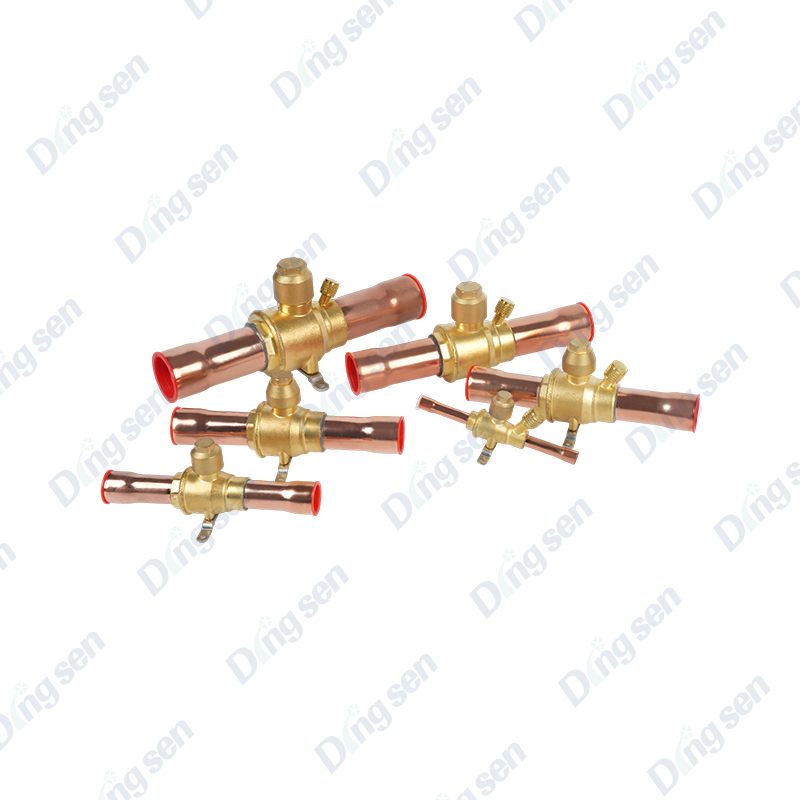 GBC Ball Valve for Refrigeration Manual Shut-OffA solid brass, manually operated ball valve designed for bidirectional flow in refrigeration piping. It suits liquid, suction, and hot gas lines, providing reliable full-open or full-closed service without throttling.View Product →
If you need a simple shut-off valve for manual service, a ball valve is the most cost effective option. The GBC ball valve from Dingsen is machined from solid brass and tested for repeated operation. It is designed for full open or full closed service, not throttling.
The horizontal bar chart below compares typical scores for 2-way and 3-way valves on factors that matter during installation and operation.
The bar chart puts the practical differences into perspective. The 2-way valve takes up less space, which is a real advantage in crowded mechanical rooms. Its initial cost is lower because the body is simpler and contains fewer ports. Maintenance tends to be easier because the internals are accessible without removing complex bypass piping. Energy efficiency is better in variable flow systems because leakage is limited. The 3-way valve only pulls ahead in flow flexibility, which is covered in the next section.
When to Choose a 3-Way Valve
Switch to a 3-way valve when the system must keep water moving through the primary loop at all times. Many older chilled water plants and boiler systems are designed for constant flow because the pumps were sized for the worst case load. In those systems, closing a 2-way valve can cause the differential pressure to rise and damage the pump impeller over time. A 3-way valve maintains a steady flow path while diverting water through the heat exchanger only when needed.
Three-way valves also simplify mixing and diverting. They combine two streams into one in mixing mode, or split one stream into two in diverting mode. This is common in radiant floor heating, domestic hot water control, and process temperature control. To understand the internal structure, read our technical explainer on what is an air conditioning three-way valve.
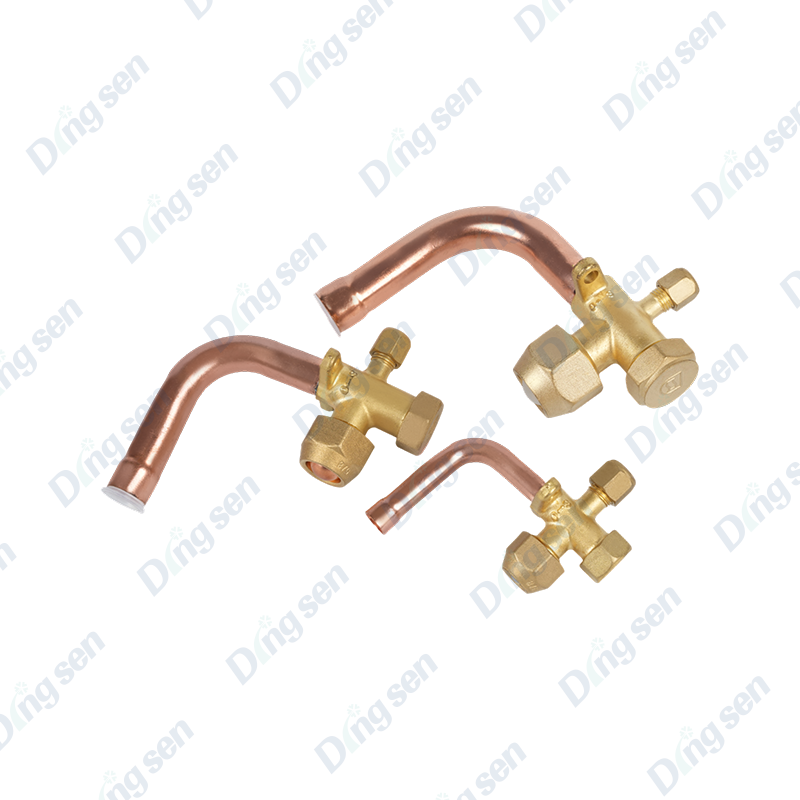 Air Conditioning Three-Way Valve for Flow SwitchingA brass or stainless steel three-way valve with a precision ceramic or copper alloy core, enabling reliable port switching for cooling and heating modes. Supports manual handle or actuator operation and various pipe sizes.View Product →
The air conditioning three way valve range from Dingsen is designed for this service. These valves provide reliable port switching and can be fitted with a manual handle or an actuator depending on the application.
The column chart below compares the suitability of 2-way and 3-way valves in five common applications.
The column chart shows that a 3-way valve dominates when mixing fluids or diverting flows. It also has an advantage in constant volume systems where pump protection matters. A 2-way valve remains the better choice for pure on/off isolation because it is cheaper and simpler. For modulating control, both types perform well, but the 2-way version often delivers better energy savings in variable flow systems. These patterns appear again and again in real refrigeration and HVAC service calls.
Flow Characteristics and Pressure Drop
Flow characteristic describes how the flow rate responds to valve stroke or opening angle. A linear 2-way valve changes flow proportionally to spindle travel, while many 3-way valves have a modified equal percentage characteristic. This difference matters when a controller expects a certain relationship between the control signal and actual heat transfer.
Pressure drop is another major distinction. A 2-way valve in a variable flow system is generally selected for a relatively high pressure drop to achieve good rangeability. A 3-way valve often has a lower pressure drop because it is designed to pass a large volume of fluid continuously, especially in bypass mode.
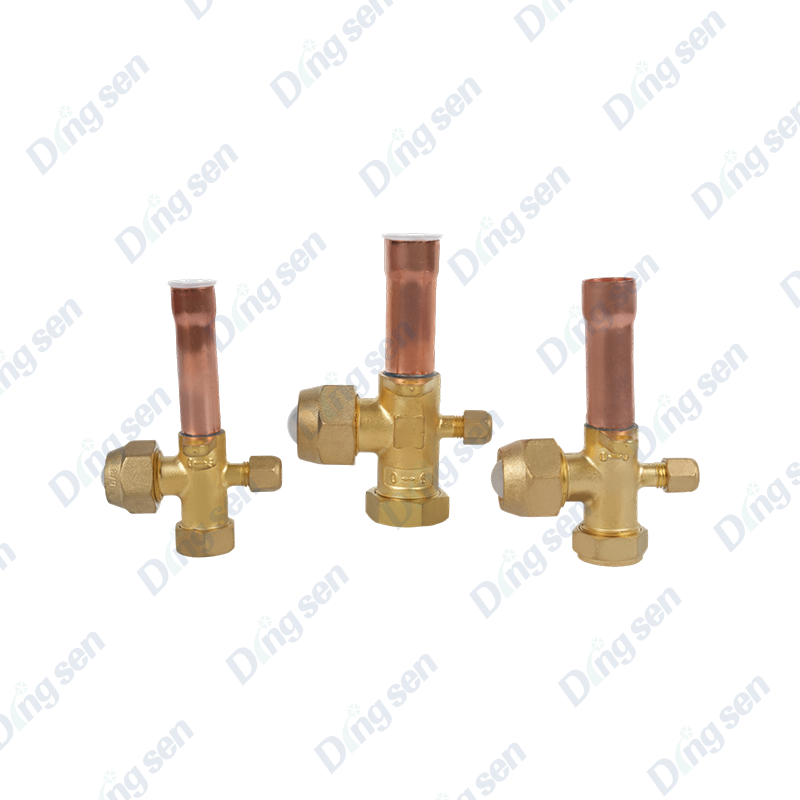 Air Conditioner Flow Control Three-Way ValveA three-way valve engineered for precise, repeatable flow regulation in variable-flow air conditioning systems. Features a streamlined body and dual sealing structure, accommodating multiple connection methods and temperature ranges.View Product →
For applications that need precise flow control, Dingsen offers an air conditioner flow control three way valve with carefully machined internal profiles for a repeatable characteristic.
The line chart below illustrates a typical difference in installed flow characteristics.
The line chart compares flow percentage versus valve opening for a representative 2-way linear valve and a 3-way equal percentage valve. At 20 percent opening, the 2-way valve passes about 20 percent of full flow, while the 3-way passes only 5 percent. At 50 percent opening, the 2-way reaches roughly 50 percent, while the 3-way sits near 30 percent. The curvature of the 3-way valve gives finer control near the closed position, which is useful for temperature mixing. The 2-way valve is more predictable for simple throttling service. These characteristics should be matched with the controller action to avoid hunting or sluggish response.
Final Selection Checklist
Here is a practical checklist to use on the next job:
- Use a 2-way valve for on/off isolation, capacity throttling, and variable flow systems.
- Use a 3-way valve for mixing, diverting, bypass, or constant volume system protection.
- Check the required flow coefficient (Cv) and pressure drop before choosing a nominal size.
- Match the valve characteristic to the controller and actuator.
- Consider the total installed cost, including pipe fittings, labour, and maintenance access.
- Ask for technical documentation if you are retrofitting an old valve.
If you still have questions, you can contact our team with your system details. We work with refrigeration, air conditioning, and automotive HVAC components every day, and we can recommend a practical valve arrangement based on your actual operating conditions.
-
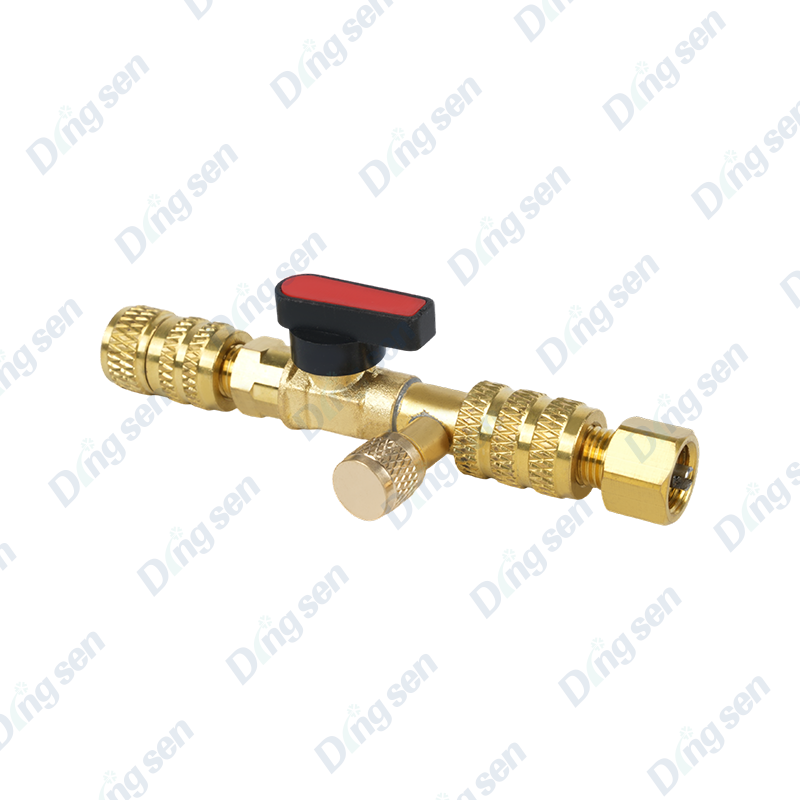
Valve core installation and removal tools are specialized tools for installing a...
-
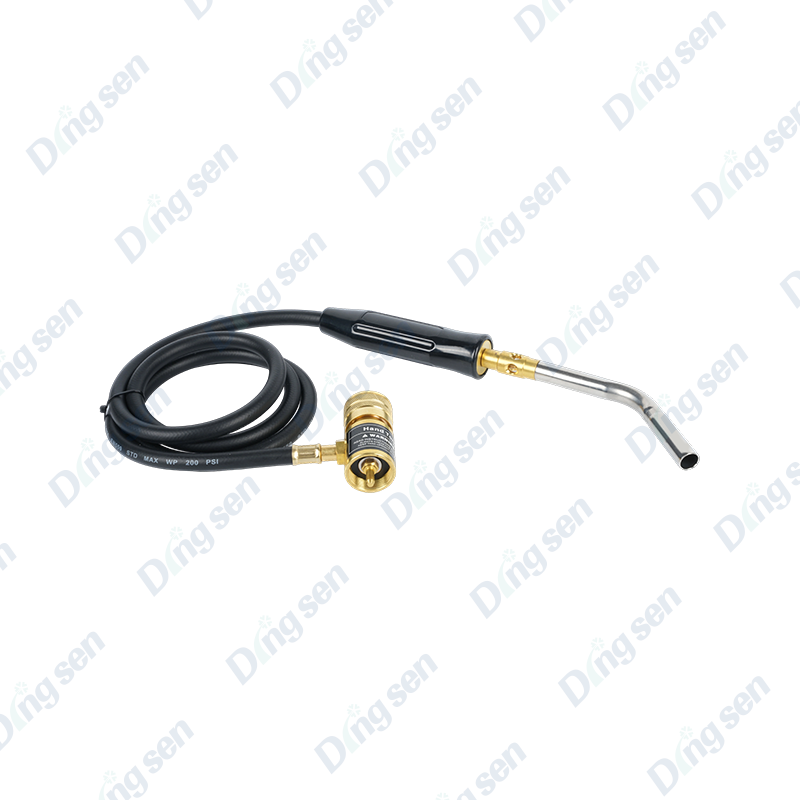
GB-2SV welding gun focuses on air conditioning refrigeration maintenance, small ...
-
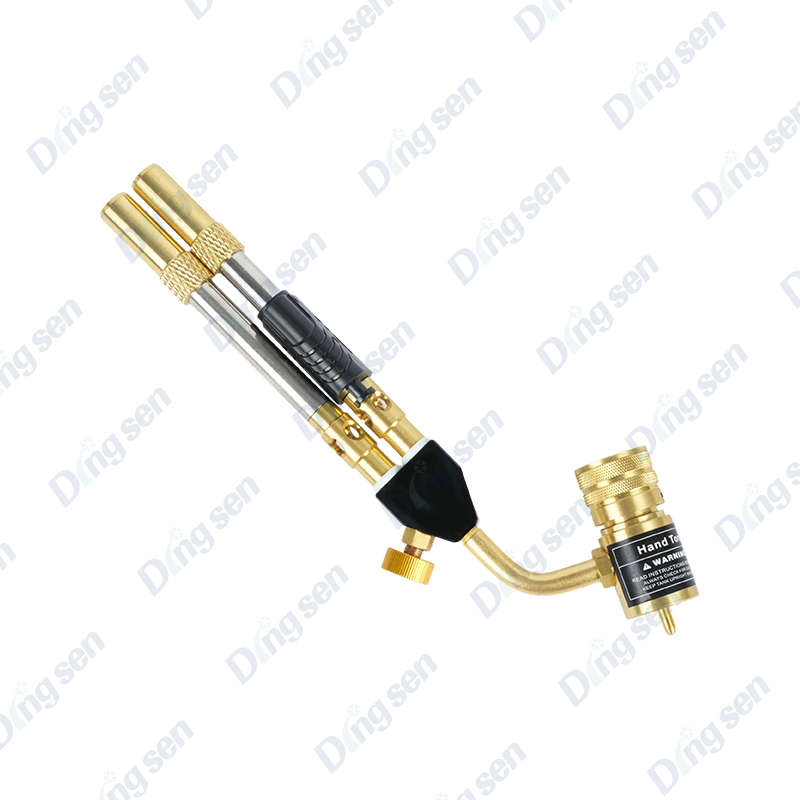
The GB-3T dual nozzle small welding gun is designed for precision operations suc...
-
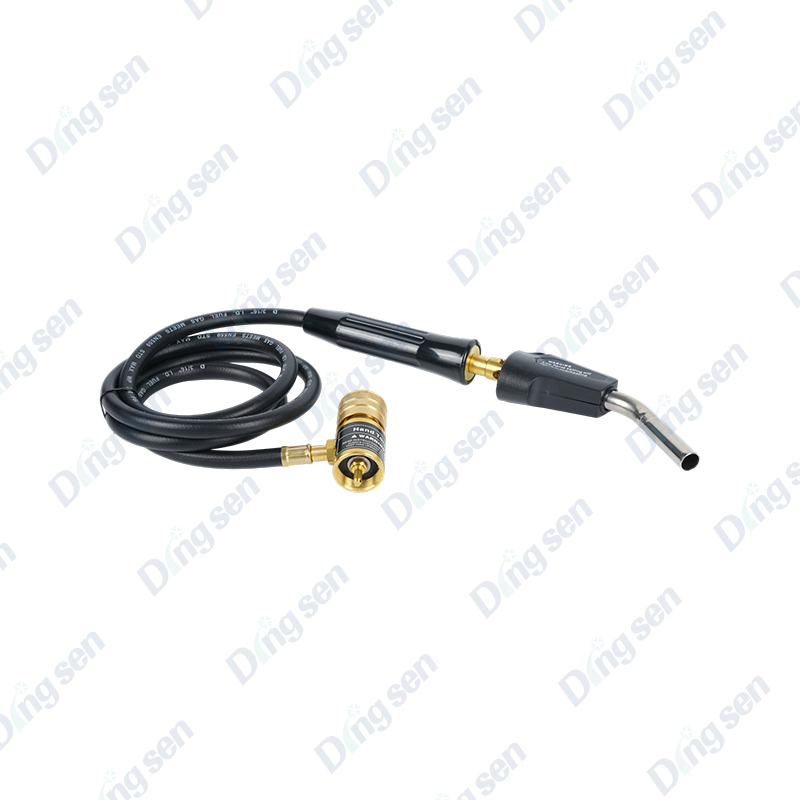
GB-2ASV welding gun is mainly used for air conditioning refrigeration maintenanc...
-
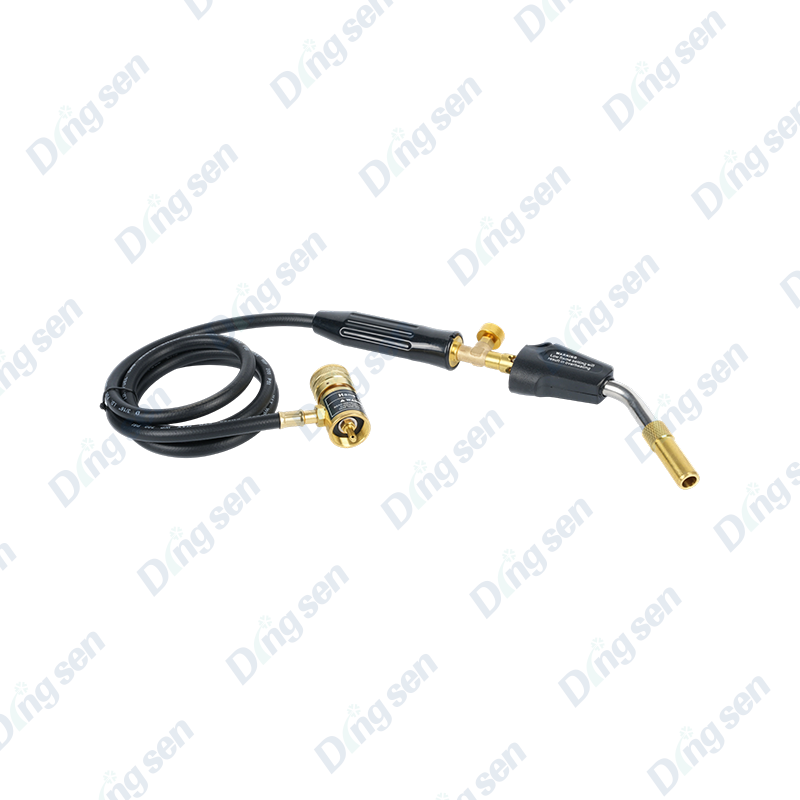
GB-2ASTV welding gun is specially designed for air conditioning refrigeration sy...
-
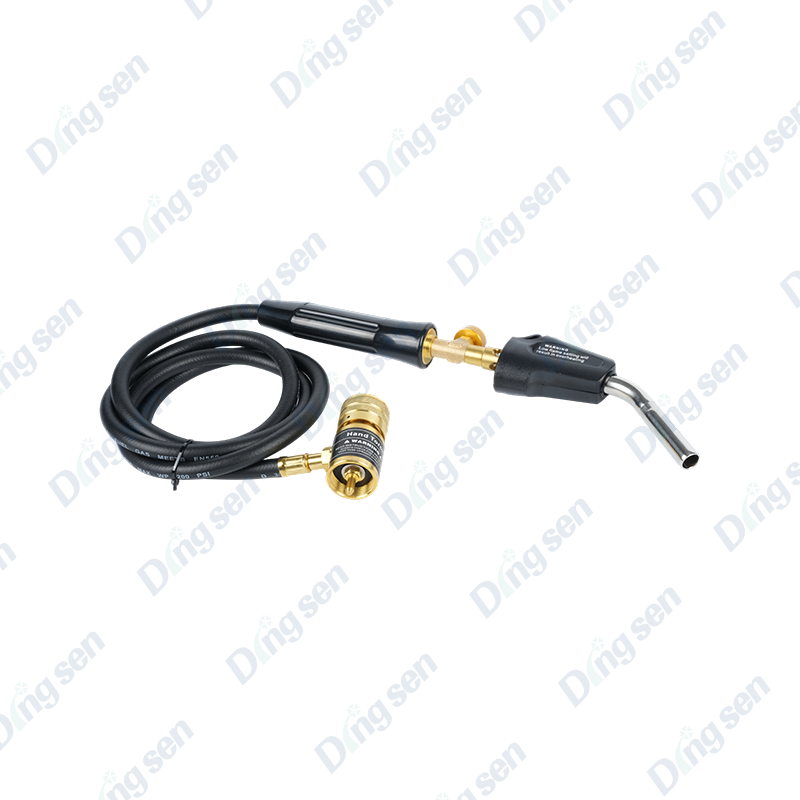
GB-2AS welding gun focuses on medium and lightweight welding scenarios such as a...

Contact Us
-

No. 109 Jiefang Road, Diankou Town, Zhuji City, Shaoxing, Zhejiang Province
-

+86-13867581196
-

Copyright © shaoxing DingSen Refrigeration Technology Co Ltd. All Rights Reserved
OEM Refrigeration Parts Manufacturer Custom Automotive AC Parts Factory