
 en
en  Español
 عربى
عربى
How to Charge Air Conditioner Refrigerant with a Fluorine filling hose?
Charging air conditioner refrigerant using a Fluorine filling hose involves four core steps: First, connect the Fluorine filling hose to the pressure gauge manifold and the refrigerant cylinder; second, purge the air from the hose (evacuate the system); next, tightly connect the other end of the Fluorine filling hose to the low-pressure service valve on the outdoor unit of the air conditioner; finally, slowly open the valve to charge the refrigerant by observing the pressure gauge. Proper connection and purging are crucial to ensuring the refrigeration system is not contaminated by air and moisture.
Content
Understanding the Core Function of an Air Conditioner Fluorine filling hose
During air conditioner repair and maintenance, the Fluorine filling hose (also known as a refrigerant Fluorine filling hose) serves as the bridge connecting the refrigerant cylinder, the manifold pressure gauge set, and the air conditioning system. High-quality Fluorine filling hoses are typically made of synthetic rubber with an inner braided lining to withstand high pressure, and their joints are equipped with leak-proof gaskets to ensure that refrigerant does not leak during the charging process.
Preparation: Selecting the Matching Refrigerant Charging Cable
Before starting the charging process, ensure your charging cable specifications match the refrigerant type:
- R22 Refrigerant: Typically uses a 1/4-inch SAE connector charging cable.
- R410A/R32 Refrigerant: Due to higher operating pressures, usually requires a dedicated high-pressure charging cable, and the connector is typically 5/16 inches.

Detailed Operating Steps: How to Correctly Use a Refrigerant Charging Cable
1. Connecting the Manifold Gauge
Connect the blue tubing to the low-pressure end (left side) of the gauge, the red tubing to the high-pressure end (right side, usually only used for pressure testing), and the yellow tubing to the refrigerant cylinder.
2. Evacuating the Line
This is a step often overlooked by beginners. After connecting the charging cable to the cylinder, slightly open the cylinder valve to allow a small amount of refrigerant to spray out from the connector near the gauge. Use the refrigerant pressure to expel air from the charging cable. Air entering the system can lead to poor heat dissipation and even damage to the compressor.
3. Connect the outdoor unit of the air conditioner
Tighten the end of the blue refrigerant Fluorine filling hose to the service port on the thicker pipe (low-pressure pipe) of the outdoor unit of the air conditioner. At this time, the pressure gauge will display the current operating pressure of the system.
4. Start charging
Start the air conditioner and switch to cooling mode. Slowly open the pressure gauge valve to allow refrigerant to enter the system through the Fluorine filling hose. Carefully observe the ammeter and pressure gauge, and do not overcharge at once.
Maintenance and Care: Extending the Service Life of the Fluorine filling hose
To ensure the accuracy and safety of each charging, daily maintenance of the Fluorine filling hose is essential:
- Check the sealing gasket: The rubber gasket inside the Fluorine filling hose connector is a vulnerable part. If hardening or cracks are found, replace it immediately to prevent refrigerant leakage.
- Avoid excessive folding: When storing the Fluorine filling hose, it should be naturally curled to avoid sharp-angle folding that could cause the inner layer to break.
- Clean the connector: Prevent dust from entering the inside of the Fluorine filling hose; otherwise, impurities will enter the compressor with the refrigerant, causing system blockage.
Mastering the correct use of the Fluorine filling hose is a fundamental skill for every appliance repair enthusiast and professional technician. By following standardized operating procedures, not only can the cooling efficiency of air conditioners be improved, but the service life of the equipment can also be effectively extended.
-
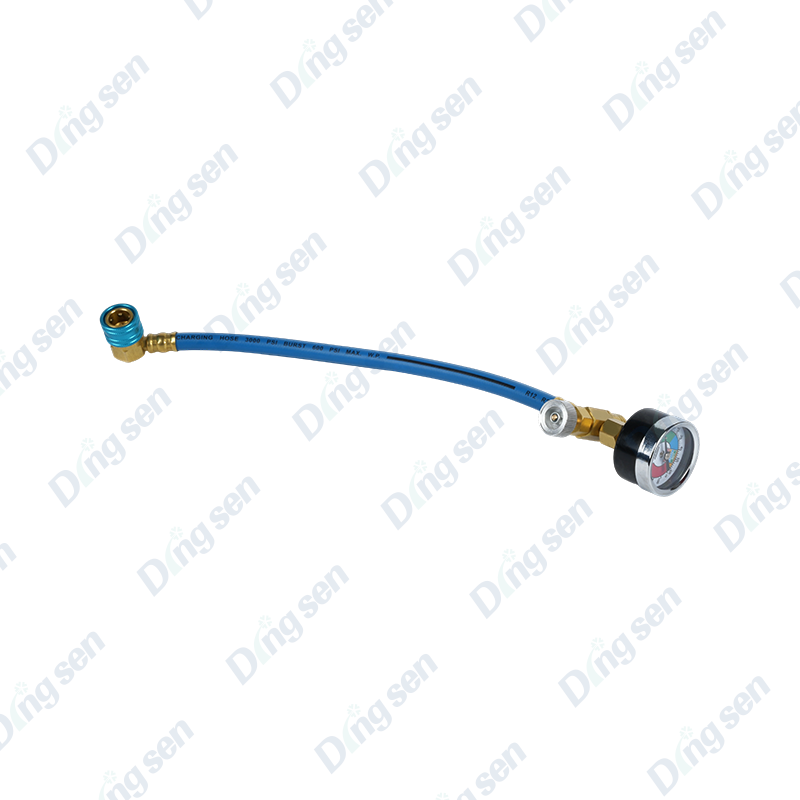
The air conditioning refrigerant filling tool is a professional repair accessory...
-
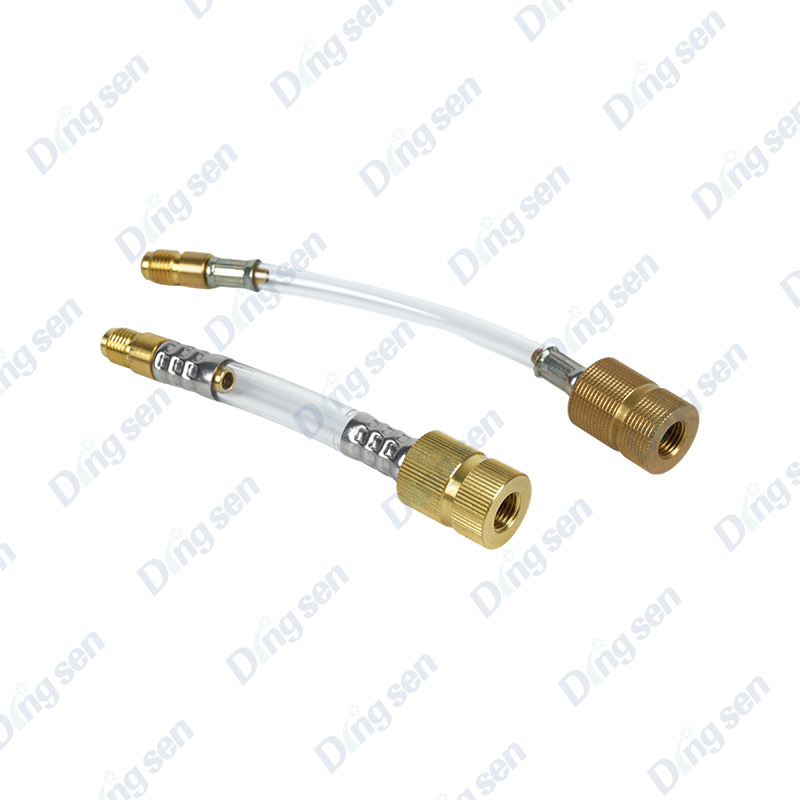
The Refrigerant rapid injection pump automotive air conditioning filling system ...
-
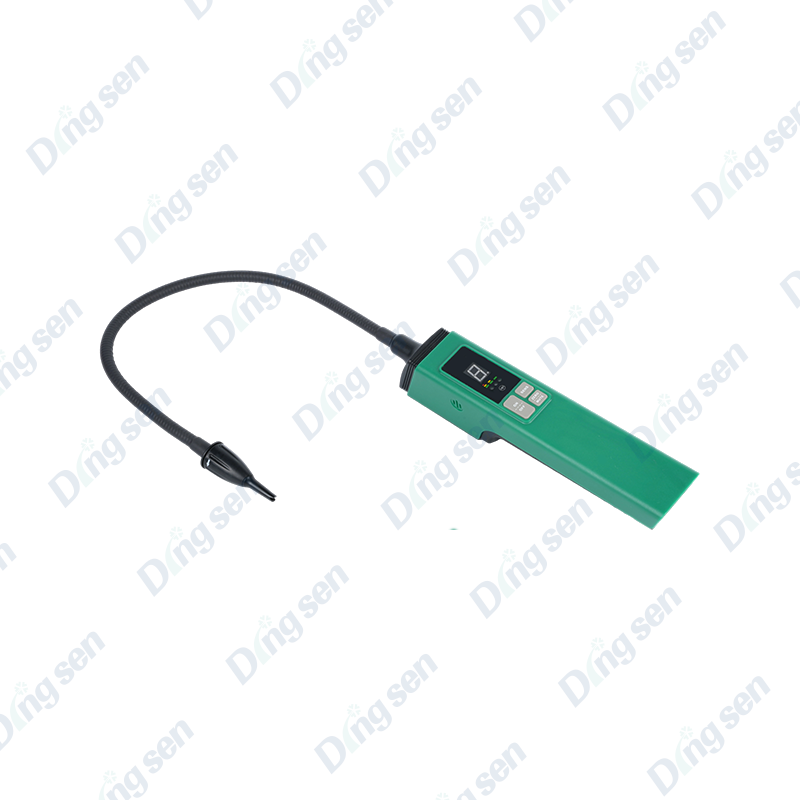
The refrigerant leak detector is a specialized device for detecting leaks in ref...
-
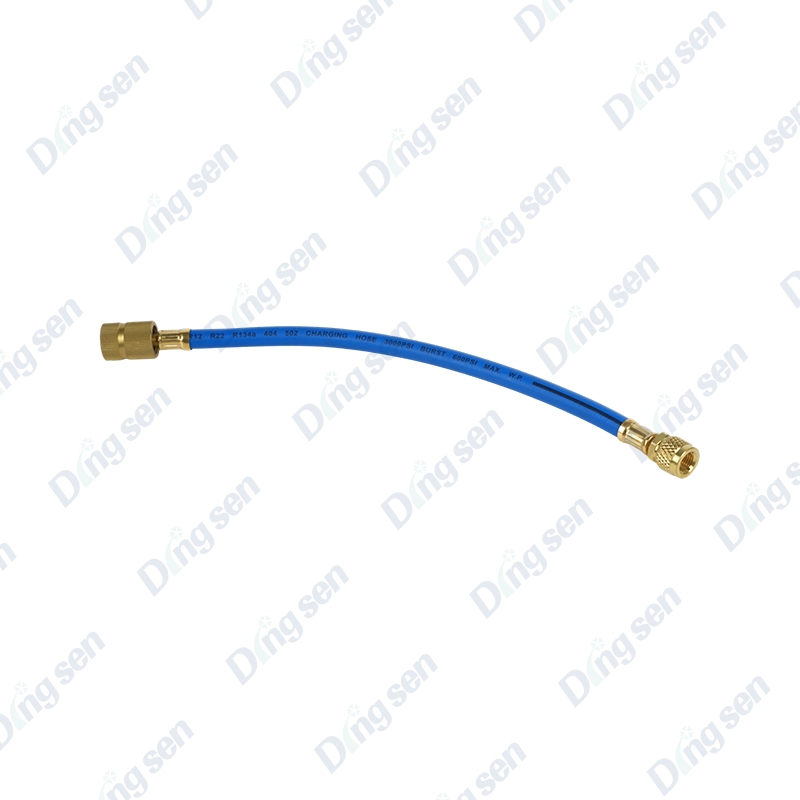
The Inflatable hose automotive air conditioning filling system is a flexible con...
-
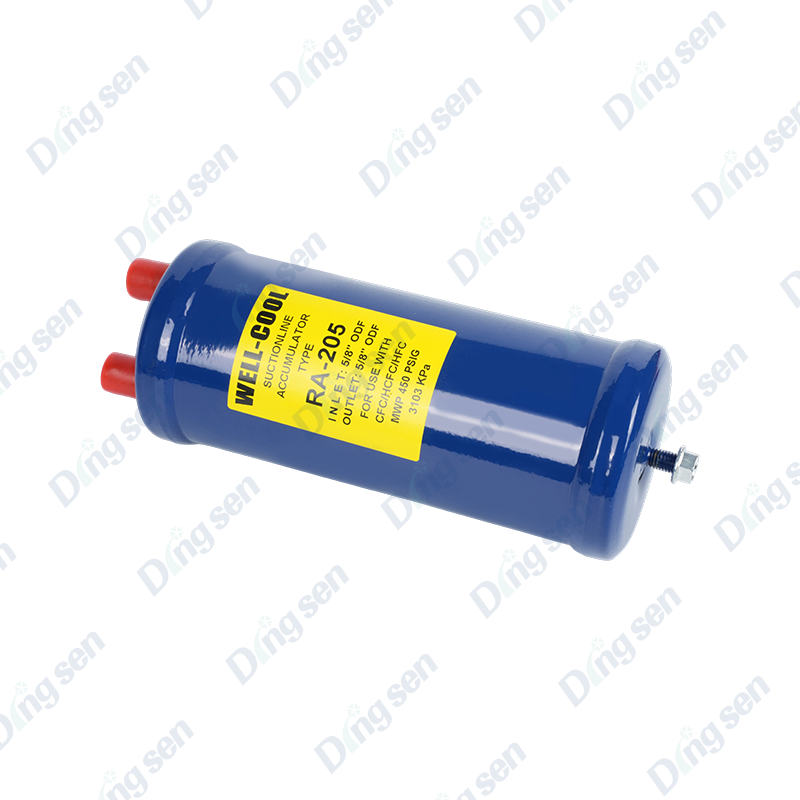
The refrigerant gas-liquid separator is a core separation component in refrigera...
-
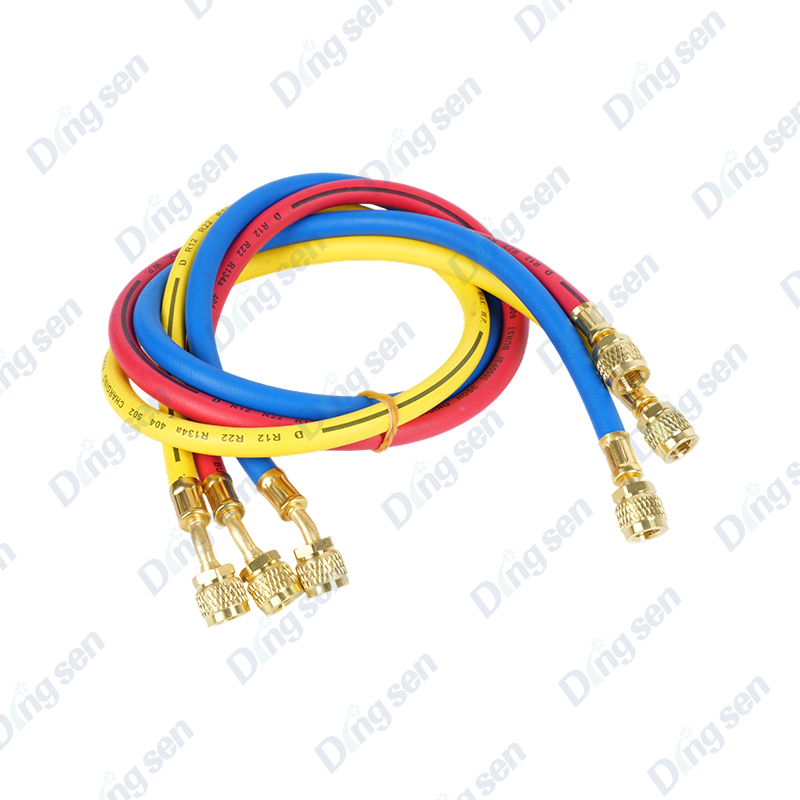
Fluorine filling hoses are specialized refrigerant transfer lines used to refrig...

Contact Us
-

No. 109 Jiefang Road, Diankou Town, Zhuji City, Shaoxing, Zhejiang Province
-

+86-13867581196
-

Copyright © shaoxing DingSen Refrigeration Technology Co Ltd. All Rights Reserved
OEM Refrigeration Parts Manufacturer Custom Automotive AC Parts Factory