
 en
en  Español
 عربى
عربى
High Temperature Pressure Transducers: Selection, Applications, and Reliability
When a CO2 refrigeration rack starts tripping on high discharge pressure, the first suspect is often the pressure transducer. A standard unit rated to 85°C may drift or fail completely once the compressor discharge line climbs past 120°C. That single failure can shut down an entire cold storage room, leaving product at risk. A high temperature pressure transducer is built to survive those conditions, but not all designs are equal. The right choice depends on the actual media temperature, the mounting location, and how the signal is used by the control system.
This article explains what separates a high temperature pressure transducer from a standard one, which specifications matter most, and how to avoid common installation mistakes in refrigeration and automotive air conditioning work.
Content
What Defines a High Temperature Pressure Transducer
Most industrial pressure transducers use a piezoresistive silicon sensor mounted on a stainless steel diaphragm. In standard versions, the internal electronics and sealing materials are limited to about 85°C to 105°C. A high temperature pressure transducer uses several design changes to push that limit to 150°C, 200°C, or even higher.
Key differences include:
- Temperature compensation: The sensor output is electronically compensated across a wider range, so accuracy holds at elevated temperatures.
- Materials: High temperature O-rings, welded housings, and ceramic or thin-film sensors replace elastomers that would degrade.
- Thermal isolation: Some designs include a capillary or cooling extension that keeps the electronics away from the hot media.
- Signal conditioning: Internal amplifiers are rated for higher ambient temperatures, often with a remote electronics option.
The result is a device that can be mounted directly on a hot compressor discharge line or in a high temperature test stand without a pigtail siphon or cooling coil, although those accessories are still used when temperatures exceed the transducer rating.
Key Specifications to Compare
When you evaluate high temperature pressure transducers, do not look only at the maximum temperature. The table below compares four common sensing technologies across the specifications that most often cause field failures.
| Technology | Typical max temperature | Accuracy | Best for |
|---|---|---|---|
| Piezoresistive silicon | 150°C | 0.25% to 0.5% full scale | General refrigeration and HVAC |
| Thin-film strain gauge | 200°C | 0.1% to 0.25% full scale | Industrial refrigeration and CO2 systems |
| Piezoelectric | 700°C | 1% to 2% full scale | Engine test stands and gas turbines |
| Capacitive ceramic | 125°C | 0.5% full scale | Automotive AC and low-cost OEM |
Beyond temperature, check the pressure range, burst pressure, media compatibility, and output signal. A 0-100 bar transducer with a 4-20 mA output is common for refrigeration racks, while 0-10 V or ratiometric outputs are typical for automotive AC. Also verify the process connection: a 1/4 NPT or 7/16-20 UNF port with a high temperature seal is easier to source than a specialty thread.
Applications in Refrigeration and Automotive AC
High temperature pressure transducers show up in three main places within refrigeration and automotive air conditioning systems.
Compressor discharge monitoring
The discharge line is the hottest point in any refrigeration circuit. In a transcritical CO2 system, discharge temperatures can exceed 120°C during high ambient conditions. A high temperature transducer mounted here gives the controller real-time pressure data to protect the compressor and optimize the gas cooler. Standard transducers often fail within months because the internal electronics or seal materials cannot handle the heat.
Hot gas defrost and bypass lines
During hot gas defrost, refrigerant at 80°C to 110°C flows through lines that may also carry pressure sensors. A high temperature unit ensures the defrost cycle completes without nuisance trips.
Automotive AC compressor testing
In automotive AC assembly and end-of-line testing, compressors are run at elevated discharge temperatures. A high temperature pressure transducer installed in the test stand provides accurate readings without frequent calibration or replacement.
If your system uses solenoid valves to control these hot gas flows, long-term stability of those valves matters as much as the transducer itself. A practical guide on achieving long-term stable operation of EVR solenoid valves covers several maintenance points that apply to high temperature circuits as well.
Supporting Components for High Temperature Circuits
In addition to the transducer, the surrounding components must handle the same temperatures. A pressure controller that switches the compressor or condenser fan needs to maintain setpoint accuracy when the ambient inside the control panel rises. Similarly, a pressure gauge used for verification should not lose calibration after repeated thermal cycling.
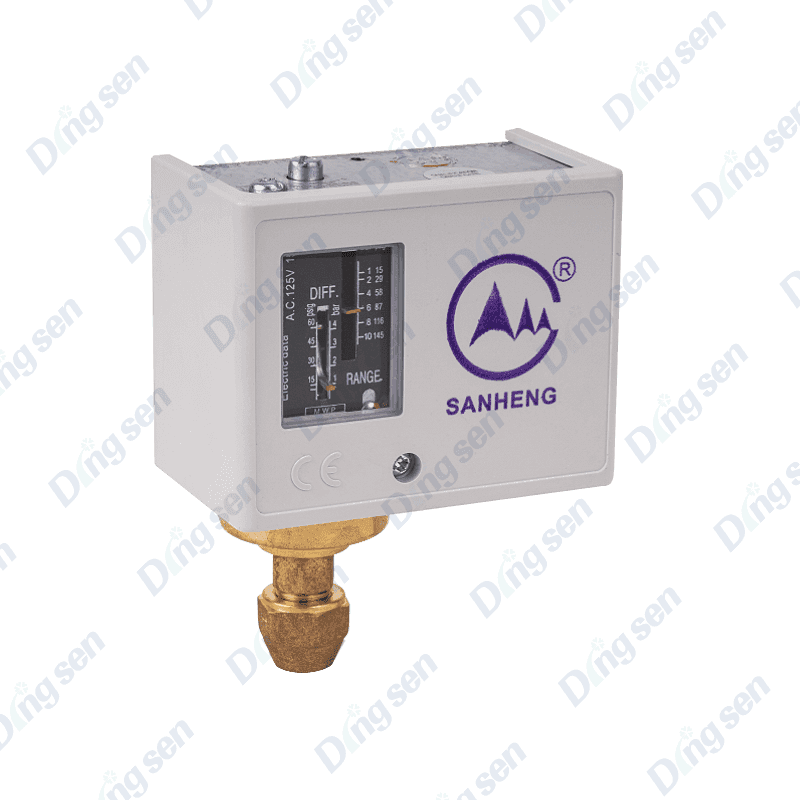 Refrigeration Pressure Controller with Mechanical Pointer Display and Auto ResetThis controller senses high-side and low-side refrigeration pressures, switches compressor or fan circuits, and provides mechanical pointer readings with automatic reset for reliable system protection.View Product →
Dingsen manufactures a refrigeration pressure controller designed for high-side and low-side switching in commercial systems. For field verification, their oil-filled pressure gauge resists vibration and temperature swings better than a dry gauge.
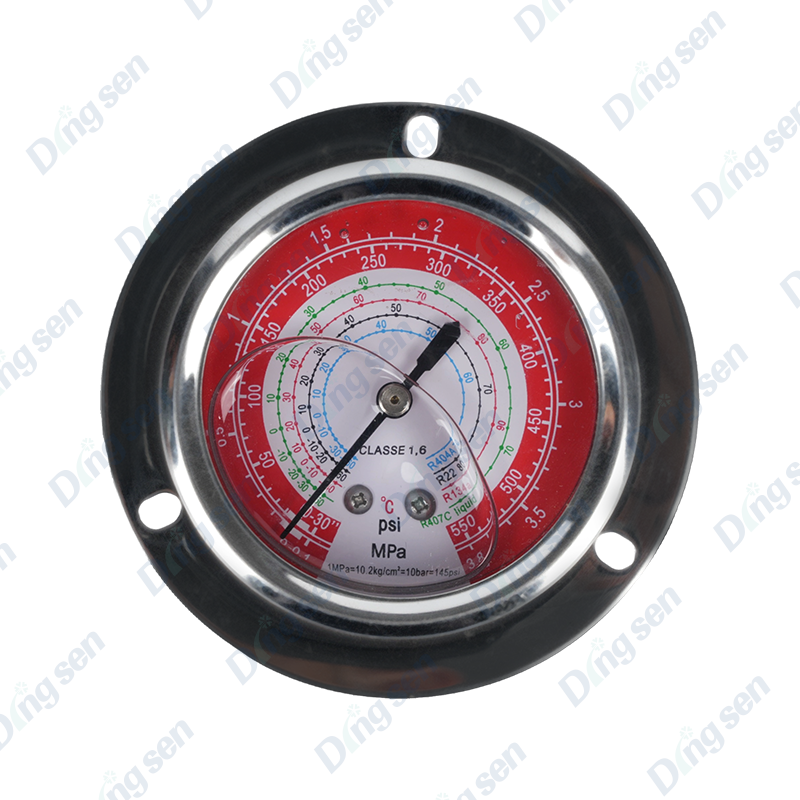 Oil-Filled Pressure Gauge for Refrigeration and Hydraulic MonitoringBuilt with damping oil and a shock-resistant housing, this gauge stabilizes pointer readings under vibration and suits refrigeration or hydraulic pressure monitoring and field verification.View Product →
These components do not replace a high temperature pressure transducer, but they complete the measurement and control loop. Using rated parts throughout the circuit reduces the chance that a single weak link causes a shutdown.
Installation and Maintenance Best Practices
Even the best high temperature pressure transducer can fail early if installed incorrectly. Follow these guidelines to get the rated life.
- Use a thermal siphon or pigtail when the media temperature exceeds the transducer rating. The siphon creates a water trap that condenses hot gas before it reaches the sensor.
- Mount the transducer above the pressure tap so condensable gases drain back into the line.
- Torque the process connection to the manufacturer's specification. Over-tightening can crack the diaphragm or damage the seal.
- Keep the cable away from hot surfaces. High temperature cable insulation is available, but routing it along a cool path is cheaper and more reliable.
- Verify the output signal at the controller after installation. A 4-20 mA loop that reads 3.8 mA at zero pressure indicates a wiring or grounding problem, not a sensor failure.
For systems that also use solenoid valves, the same thermal discipline applies. Diaphragm valves, for example, have elastomer components that degrade faster at elevated temperatures. If you need help selecting a transducer or a compatible pressure controller for your specific temperature range, contact our engineering team.
Selection Checklist for Buyers
Use this checklist when specifying a high temperature pressure transducer for a refrigeration or automotive AC project.
- Confirm the maximum continuous media temperature, not just the ambient temperature.
- Check the pressure range against the normal operating pressure and the expected peak.
- Verify the burst pressure is at least 2x the maximum working pressure.
- Match the output signal to your controller: 4-20 mA, 0-10 V, or ratiometric.
- Select a process connection that matches your port and can accept a high temperature seal.
- Ask for a calibration certificate if the application requires traceability.
- Consider a remote electronics version if the mounting point exceeds 150°C.
For custom requirements, such as a specific thread or a calibrated range, work with a supplier that can modify the sensor without sacrificing the temperature rating.
High temperature pressure transducers are not a commodity item. The difference between a 100°C unit and a 200°C unit is not just a number on a datasheet. It is the difference between a system that runs reliably for years and one that suffers repeated shutdowns. By focusing on the actual media temperature, the sensing technology, and the installation details, you can choose a transducer that protects your compressor and keeps your process running.
-
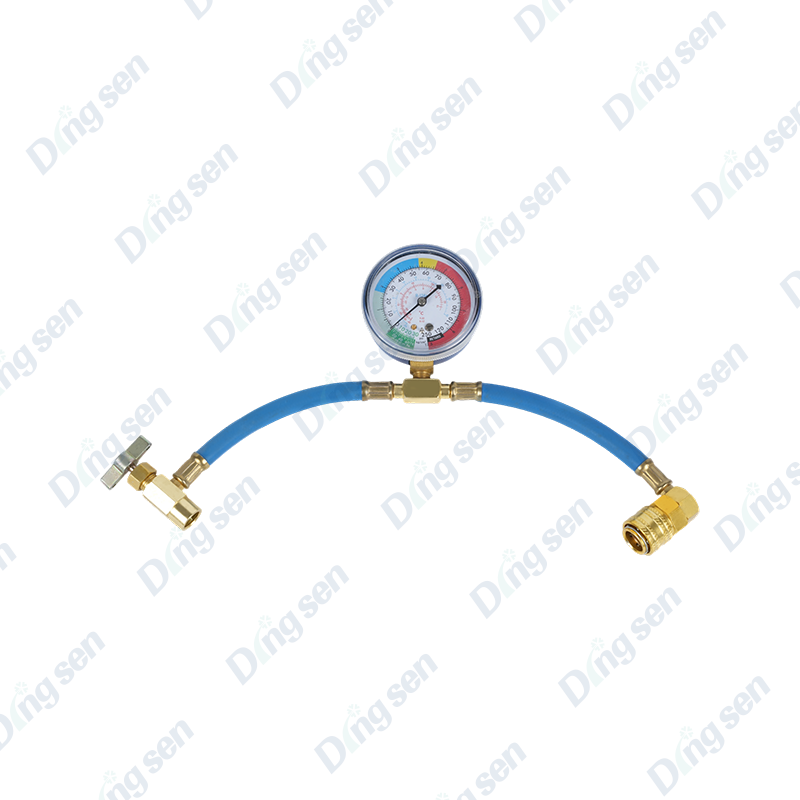
Pressure gauge automotive air conditioning filling system are designed specifica...
-
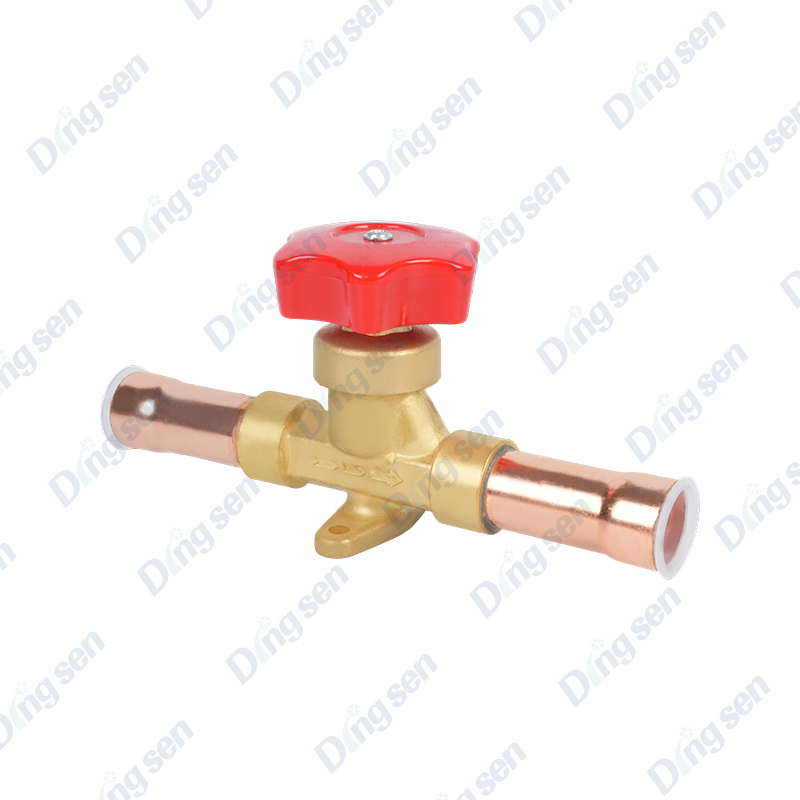
Diaphragm-type hand valves are manual flow control components for refrigeration ...
-
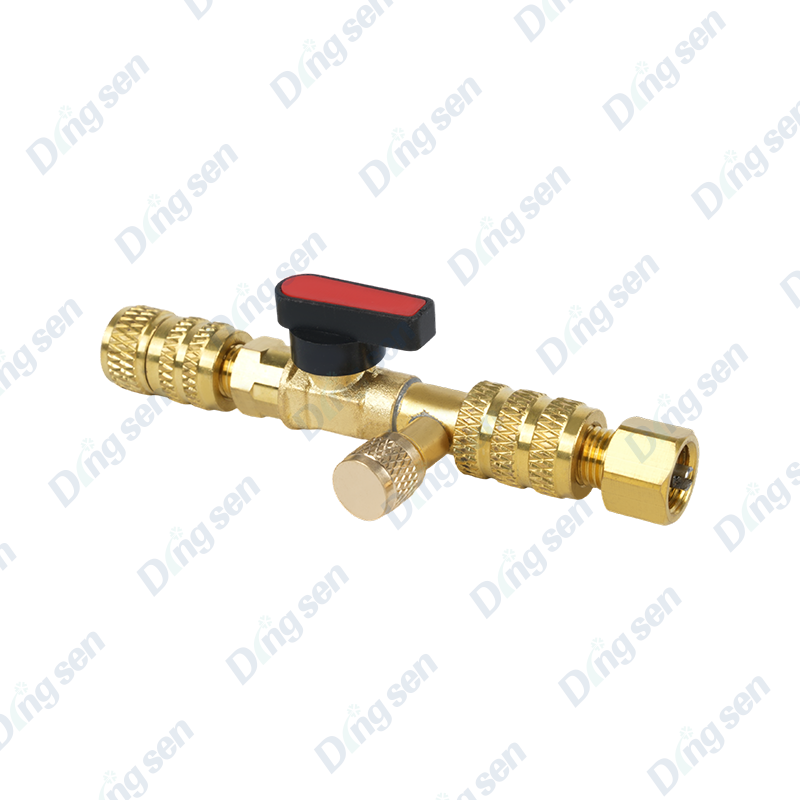
Valve core installation and removal tools are specialized tools for installing a...
-
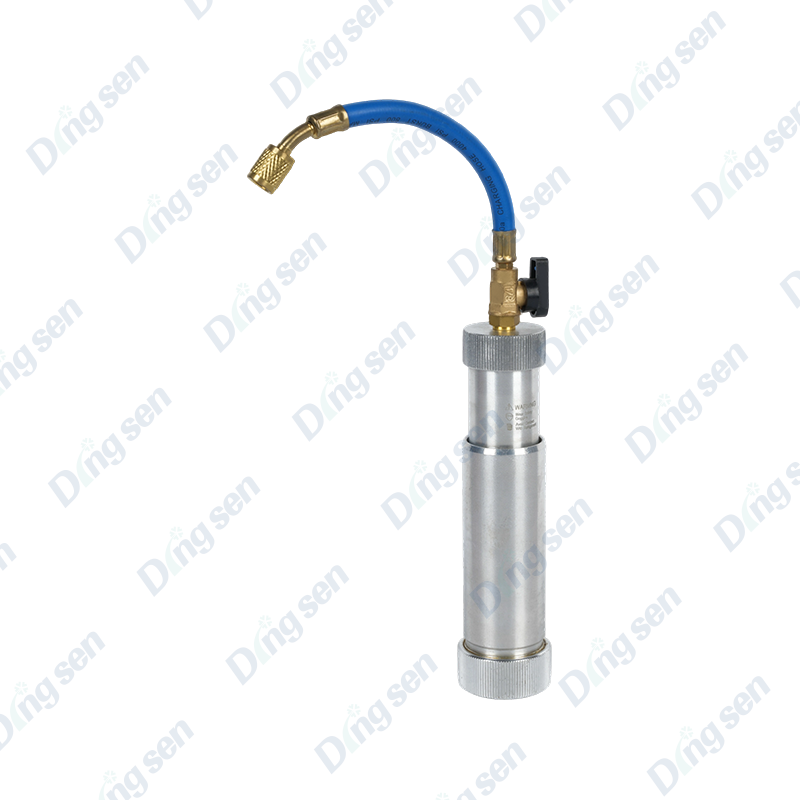
Refrigerant and refrigeration oil filler is a special device for replenishing me...
-
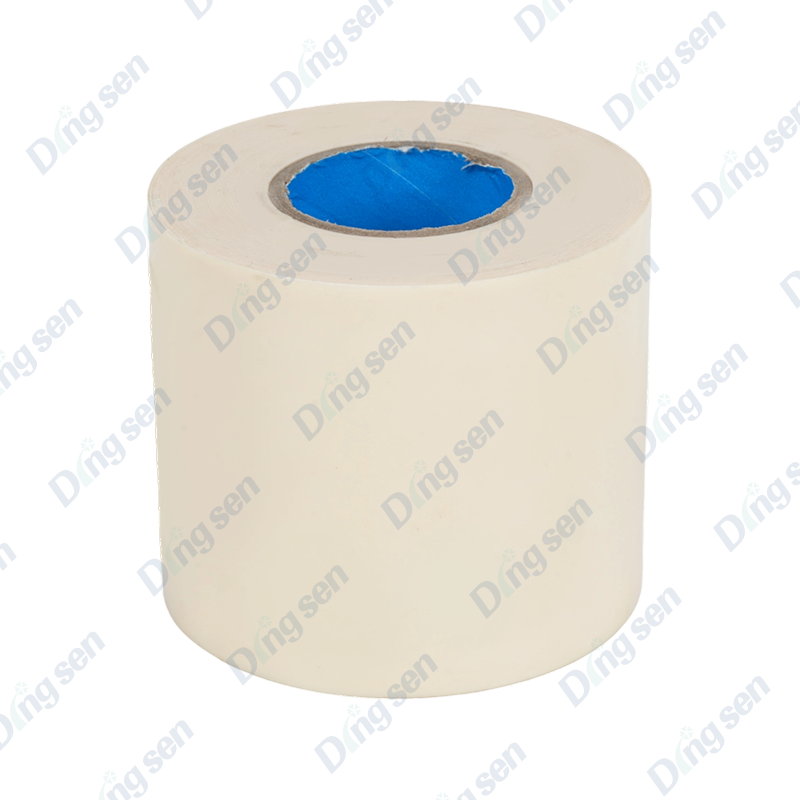
Air conditioning pipe bandage strip is used to secure and protect the pipes conn...
-
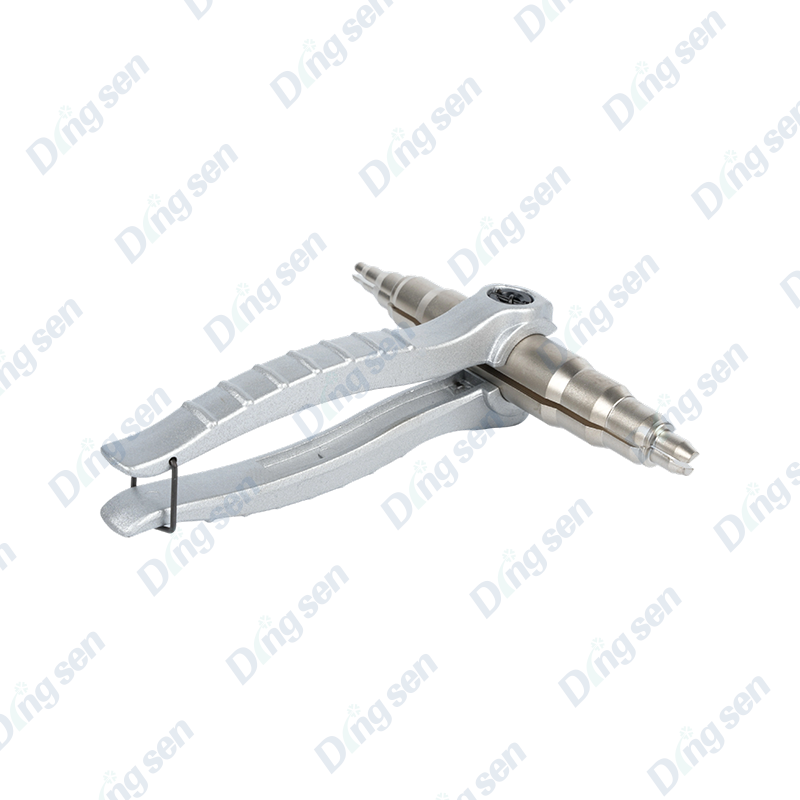
The copper tube expander is a specialized tool for copper tube connection. It ex...

Contact Us
-

No. 109 Jiefang Road, Diankou Town, Zhuji City, Shaoxing, Zhejiang Province
-

+86-13867581196
-

Copyright © shaoxing DingSen Refrigeration Technology Co Ltd. All Rights Reserved
OEM Refrigeration Parts Manufacturer Custom Automotive AC Parts Factory