
 en
en  Español
 عربى
عربى
A plant operator calls because a zone is blowing cold air on a morning when the boiler has been running for two hours. The coil is clean, the pump is running, and the three way valve feeding that coil has not moved since it was installed. That one component decides whether the coil sees hot water, ...
READ MORERecommended Products
Brochure
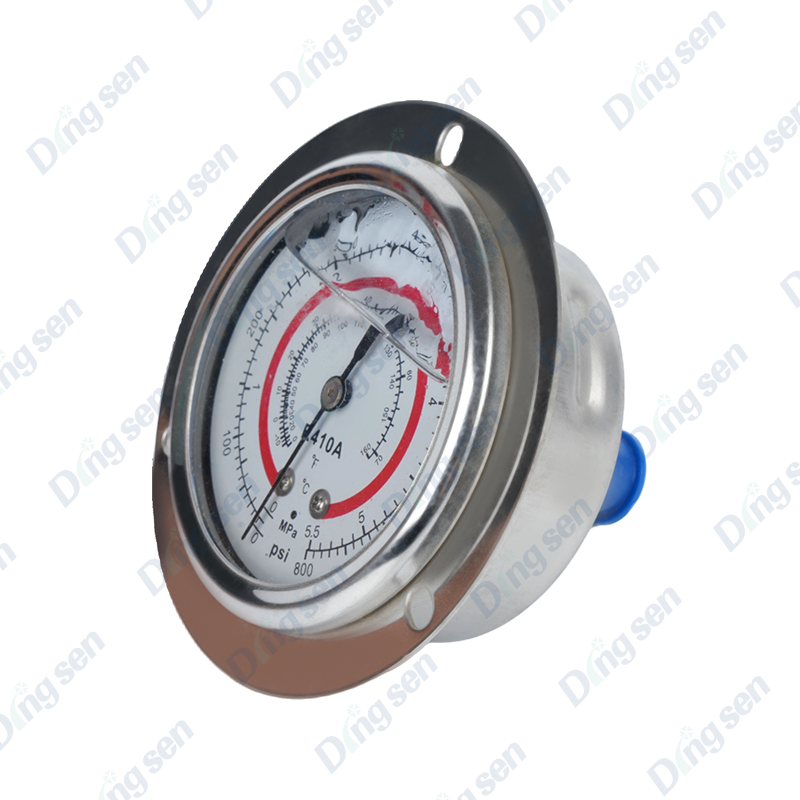
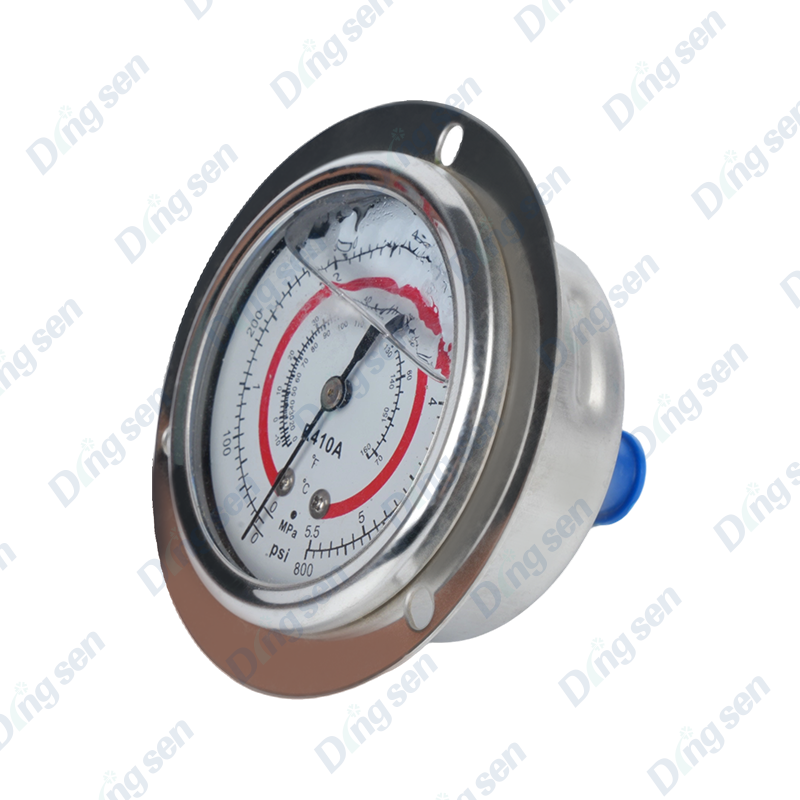
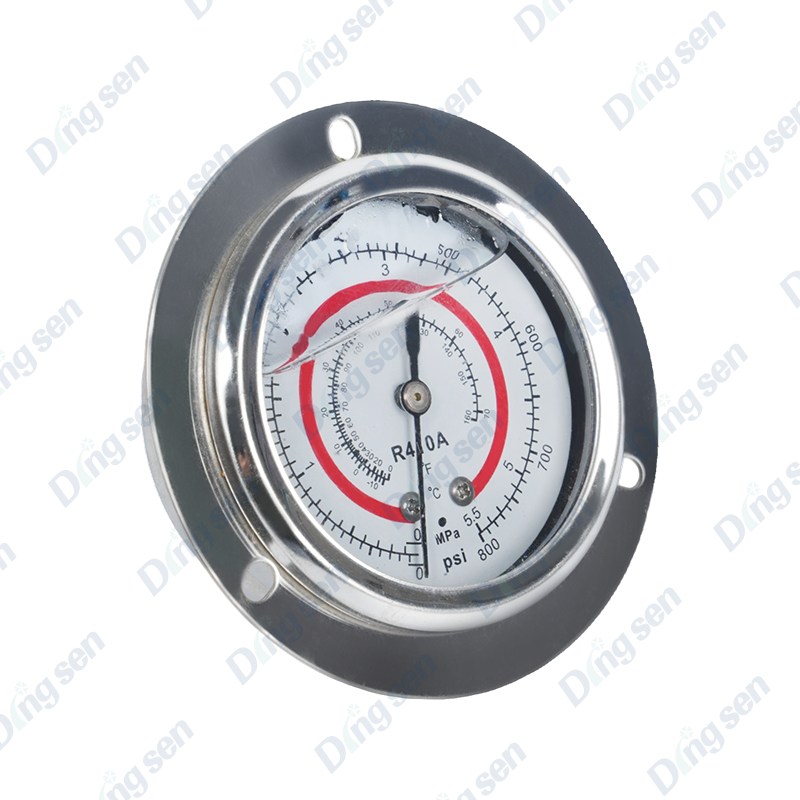
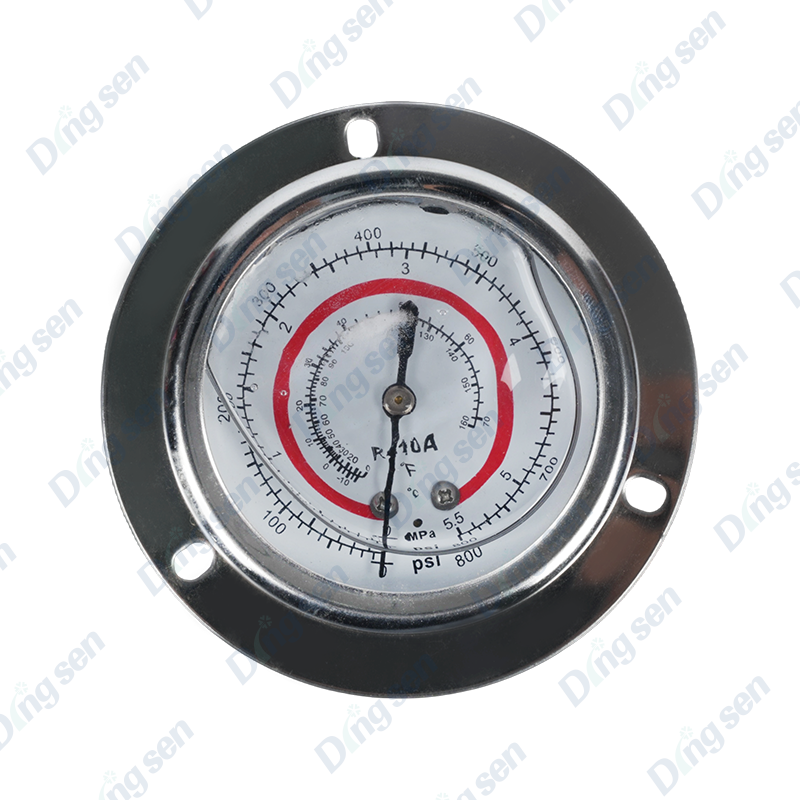
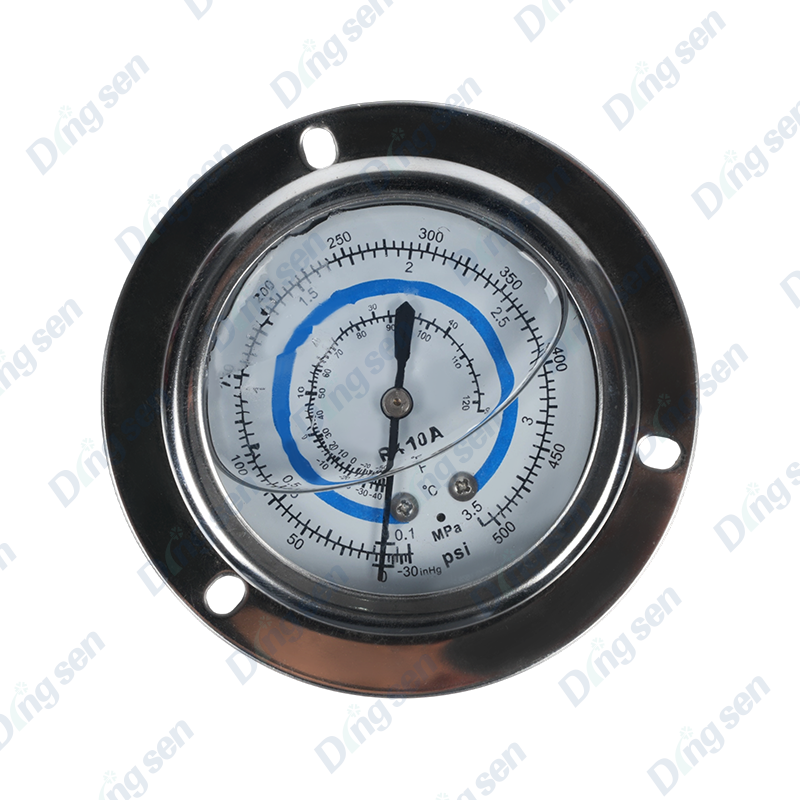
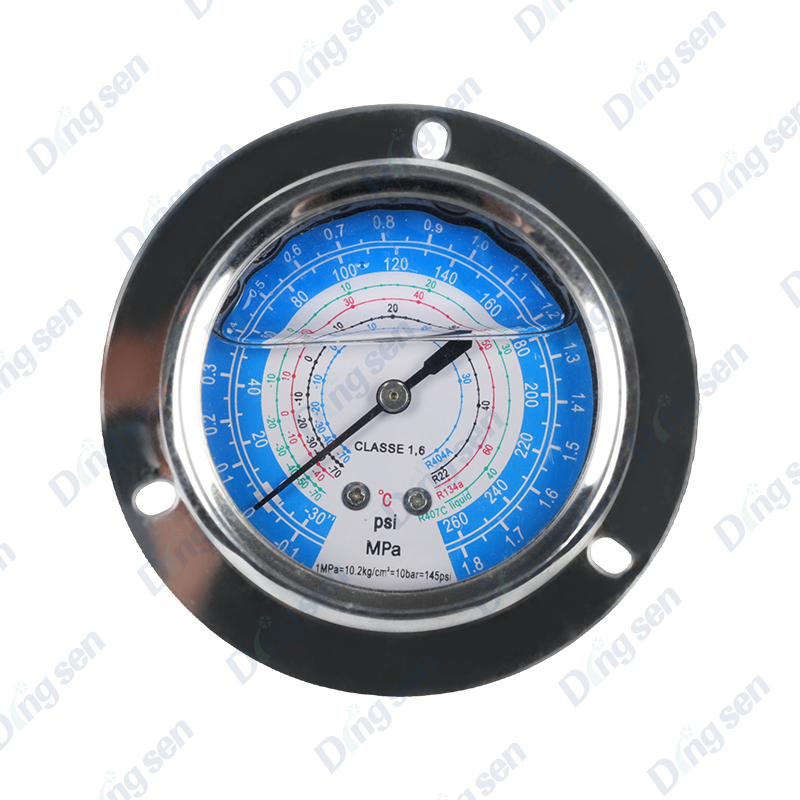
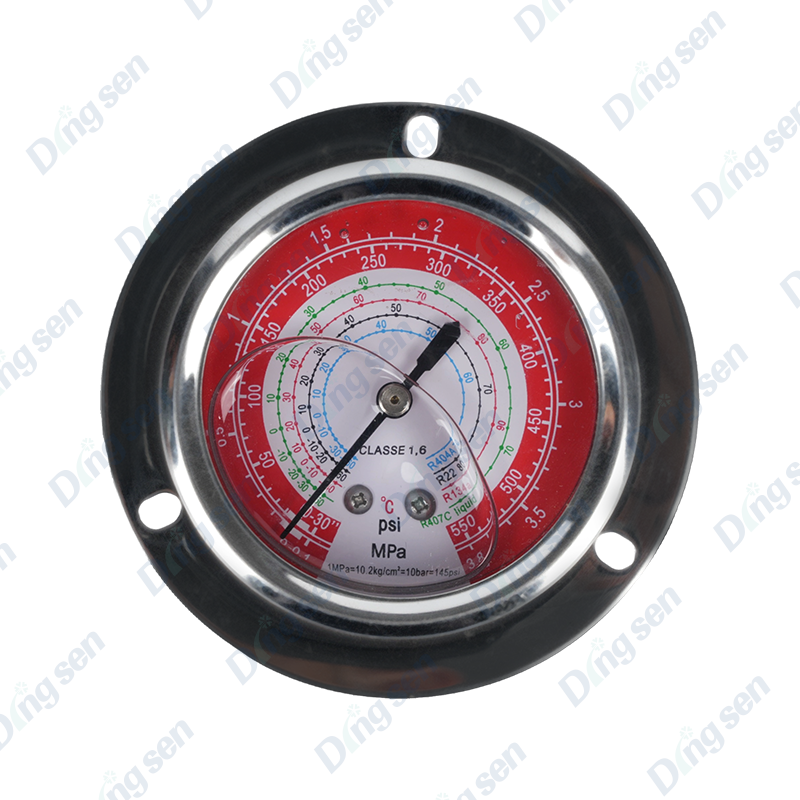
Oil-filled pressure gauge
Oil-filled pressure gauges are specialized pressure monitoring instruments. Built-in damping oil suppresses pointer jitter, ensuring accurate readings. They are suitable for pressure monitoring in refrigeration, hydraulic, and other systems, ensuring safe equipment operation.
They are suitable for pressure monitoring pipelines in air conditioners, refrigeration units, and hydraulic equipment, meeting measurement needs in various scenarios.
They are manufactured with a shock-resistant housing and high-precision movement, and undergo pressure calibration and vibration testing to ensure reliable performance.
Service includes pre-sales selection and after-sales calibration guidance. Advantages include accurate readings, strong shock resistance, a wide range of compatibility, and a long service life.
Oil-filled pressure gauges are high-precision pressure monitoring instruments specifically designed for industrial and refrigeration applications. Their core advantage lies in their built-in high-quality damping oil, which effectively suppresses pointer jitter caused by system pressure fluctuations and equipment vibration. This ensures stable and accurate readings under dynamic conditions, avoiding the reading errors caused by pointer jitter associated with traditional pressure gauges and providing reliable data support for system pressure monitoring. The gauge features a shock-resistant and pressure-resistant housing made of stainless steel or brass, withstanding operating temperatures ranging from -40°C to 80°C and high pressure environments (with a range of 0 to 60 MPa), making it suitable for use with corrosive media. Its built-in high-precision copper alloy movement, subjected to multiple rounds of pressure calibration and fatigue testing, boasts a service life 1.5 times that of conventional pressure gauges. Its dial features an anti-glare glass panel and clear graduations, with an optional luminous pointer for easy reading in dimly lit environments. It supports radial and axial mounting options to accommodate diverse piping layouts. Its wide range of applications includes pressure monitoring in refrigeration systems (air conditioners, refrigeration units, industrial refrigeration equipment), hydraulic systems (hydraulic machine tools, construction machinery), pneumatic systems, and pressure tanks. Whether testing refrigerant pressure in refrigeration systems, monitoring the operating pressure of hydraulic equipment, or maintaining pressure in industrial pipelines, it consistently performs, providing accurate pressure data for safe equipment operation and fault prediction, helping to reduce operational costs and safety risks.
-
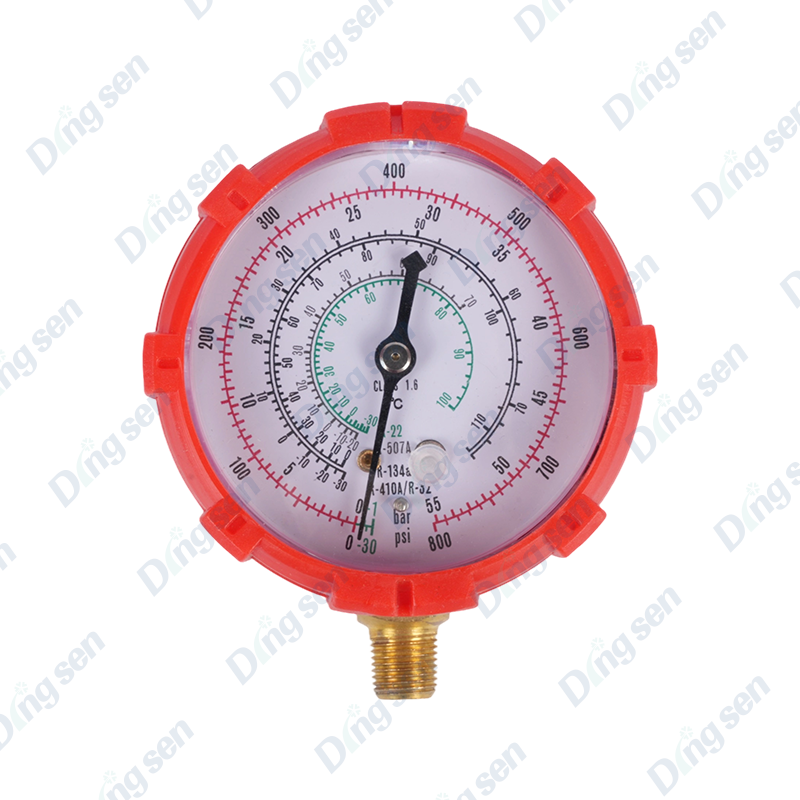
The Air Conditioner Fluorine Filling Pressure Gauge is a dedicated instrument fo...
-
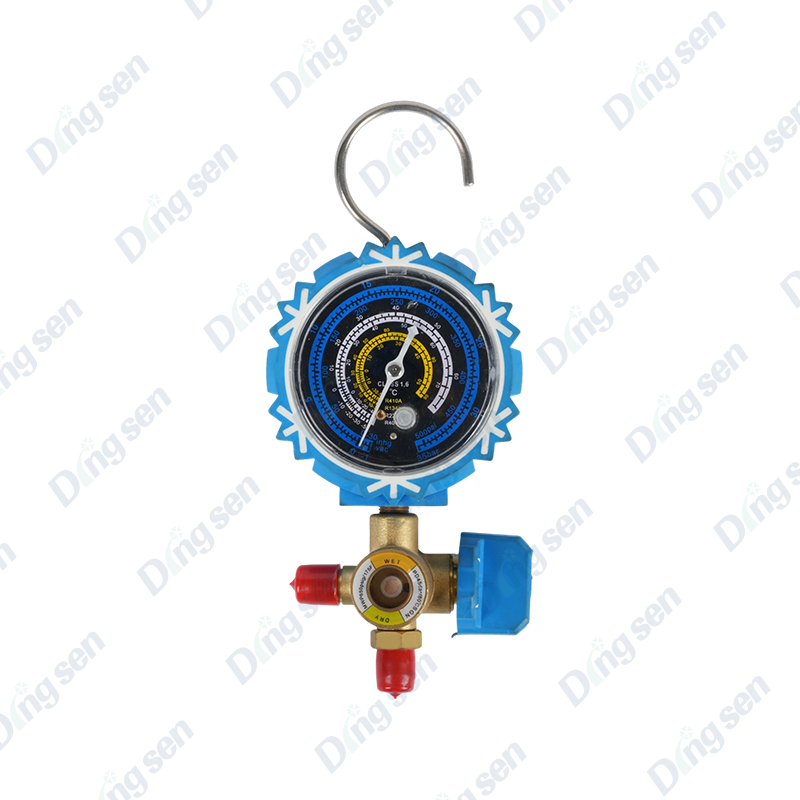
The refrigerant single gauge is a specialized instrument for refrigerant system ...
-
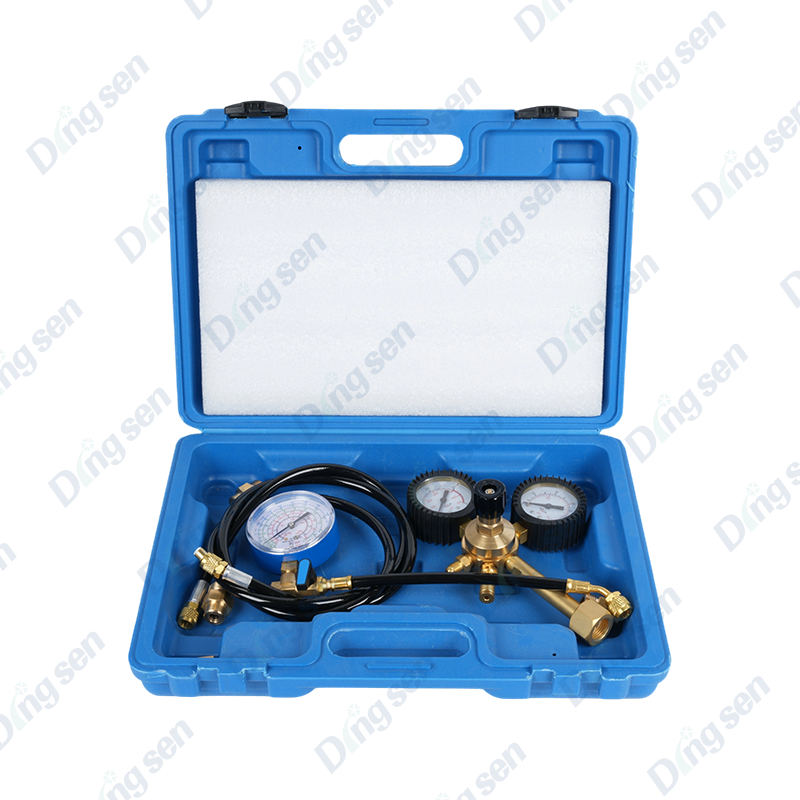
The Nitrogen Pressure Retention Kit is a pipeline leak testing tool set that inc...
-
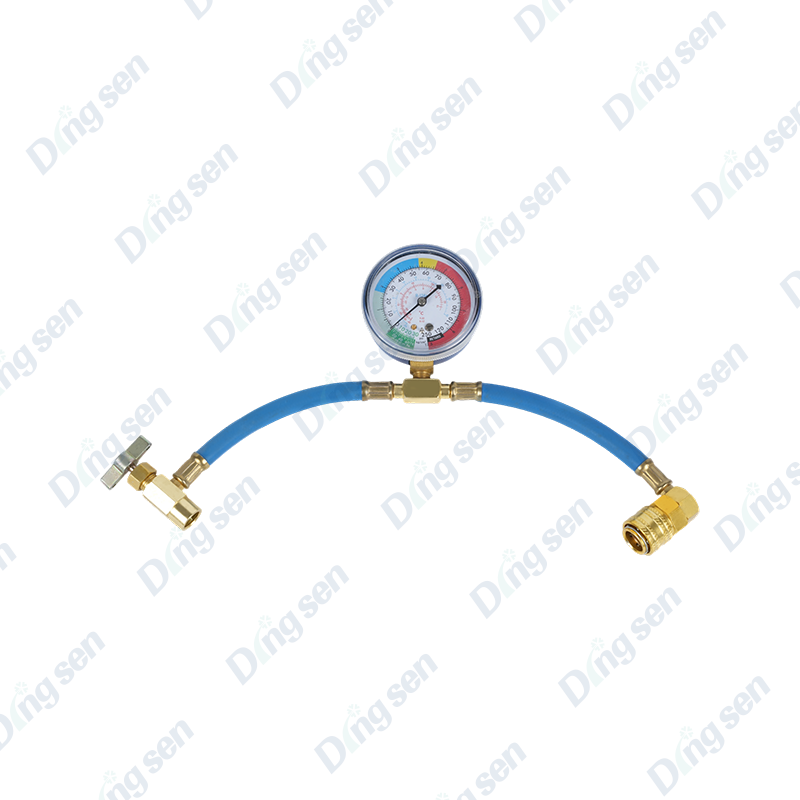
Pressure gauge automotive air conditioning filling system are designed specifica...
-
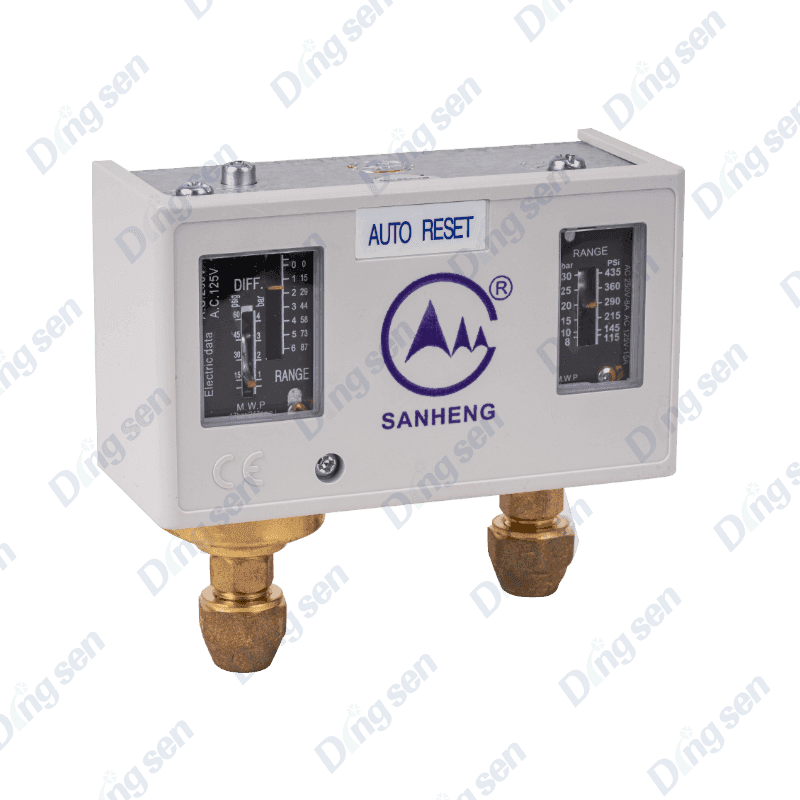
The refrigeration pressure controller features a rectangular box with a white, c...
-
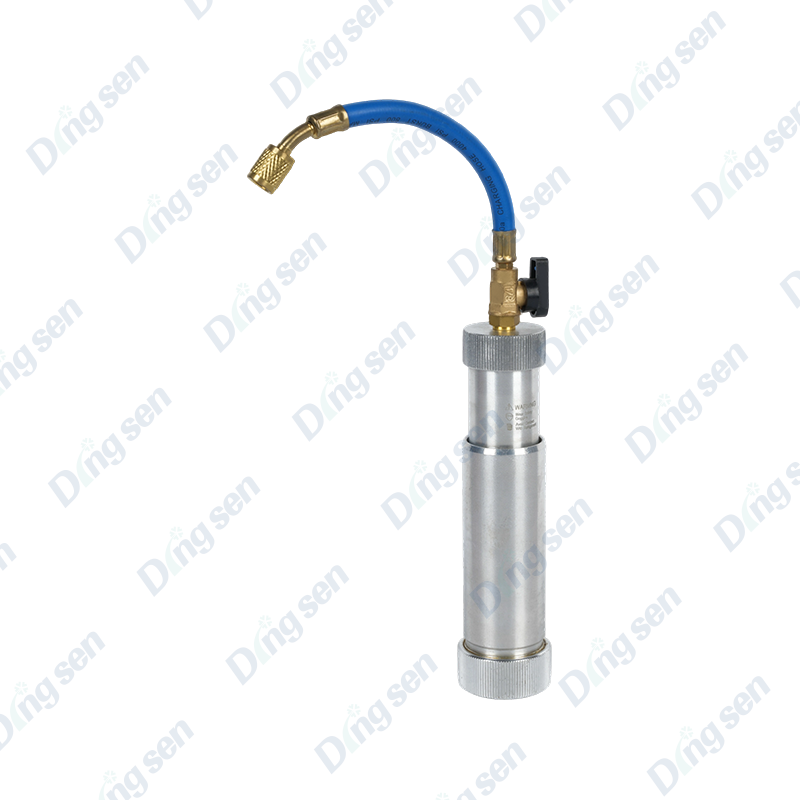
Refrigerant and refrigeration oil filler is a special device for replenishing me...
About DingSen
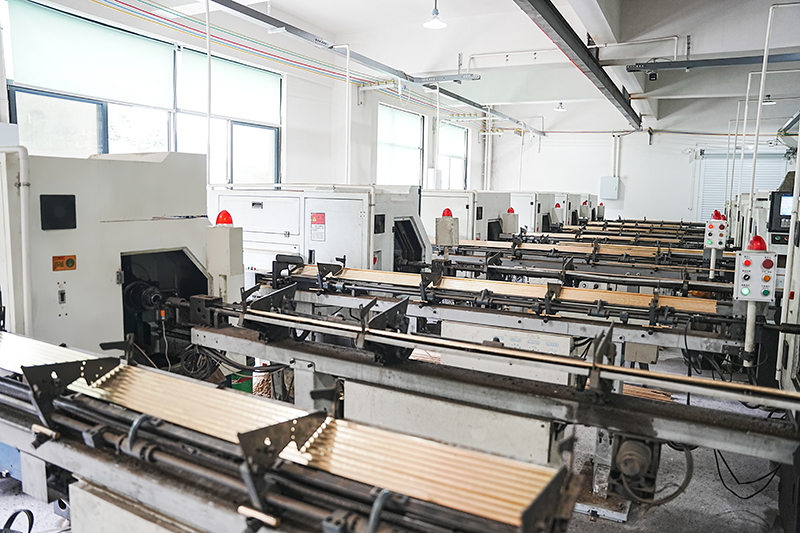
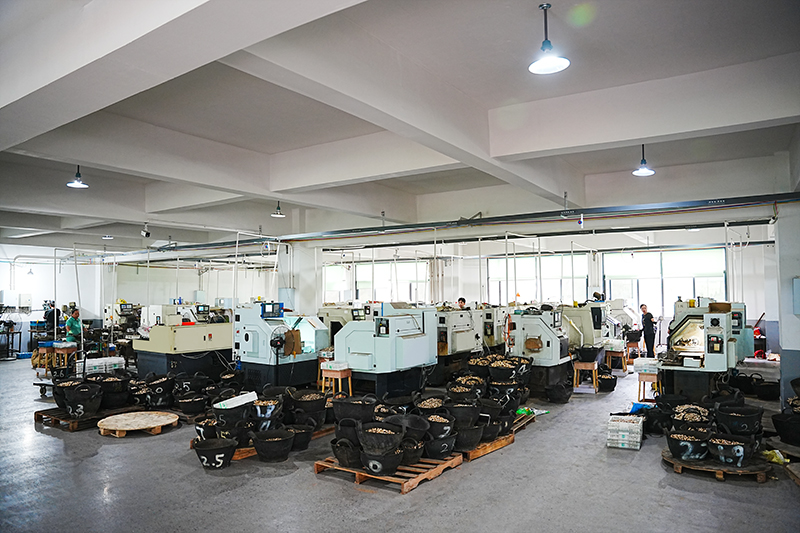
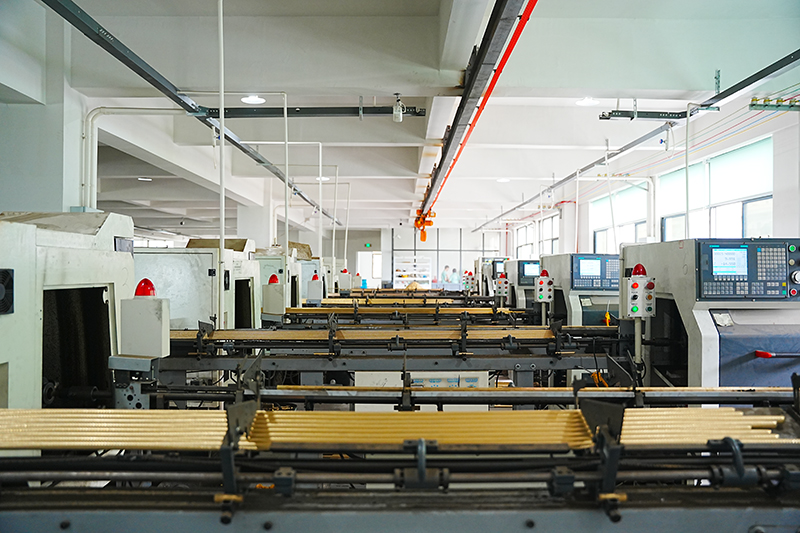
Shaoxing DingSen Refrigeration Technology Co., Ltd. founded in 2008, is a China Oil-filled pressure gauge Manufacturers and Oil-filled pressure gauge Factory, mainly producing refrigeration accessories and auto air-conditioning accessories. Having been established for more than 10 years, the company has since taken "Honesty and Innovation" as its goal, and "Superb Manufacture, Good Virtue, Serious Attitude, and High Quality" as its business philosophy. Guided by high-tech development, it adheres to a sustainable path of growth focused on quality and benefit.
Through continuous innovation and practice, the company has built a solid quality foundation and a guaranteed reputation in the manufacturing industry. Meanwhile, with efficient and high-quality service and a belief in mutual benefit, the company actively cooperates with businesses from all fields, constantly explores the market, and strives to create a better tomorrow.
- Dingsen: Refrigeration & auto AC parts since 2008.
- Decades of precision manufacturing.
- Durable evaporators, condensers, connectors.
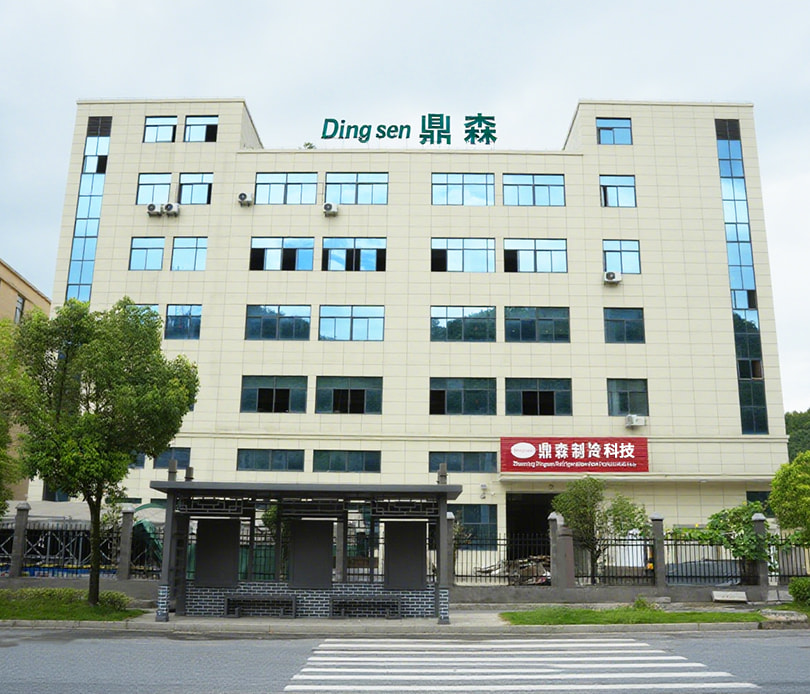
shaoxing DingSen Refrigeration Technology Co Ltd.
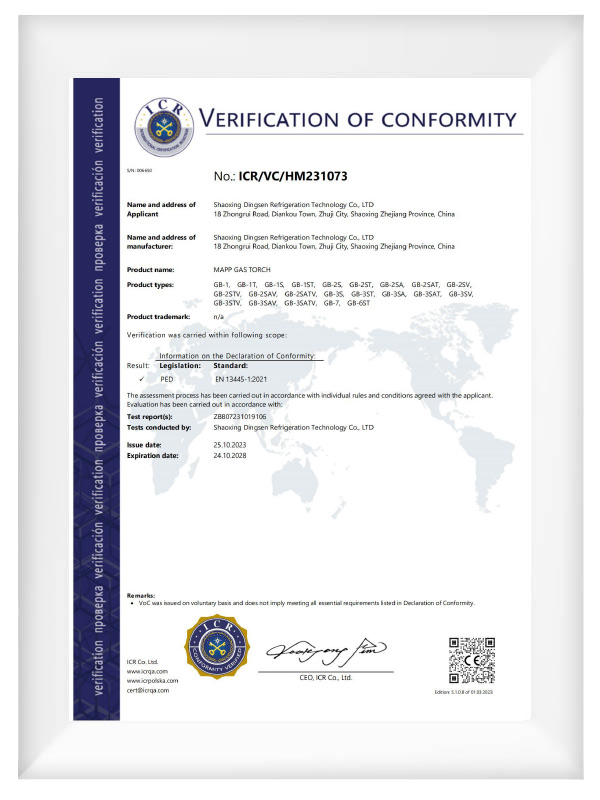
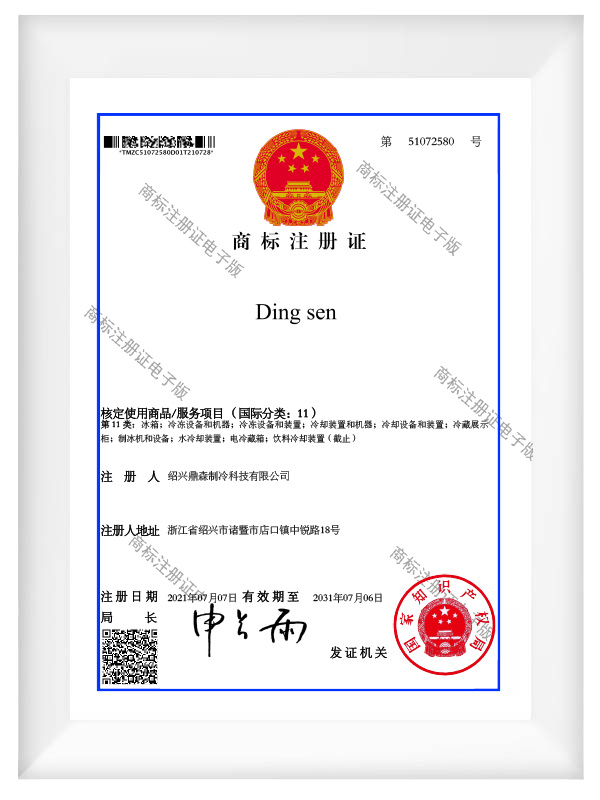
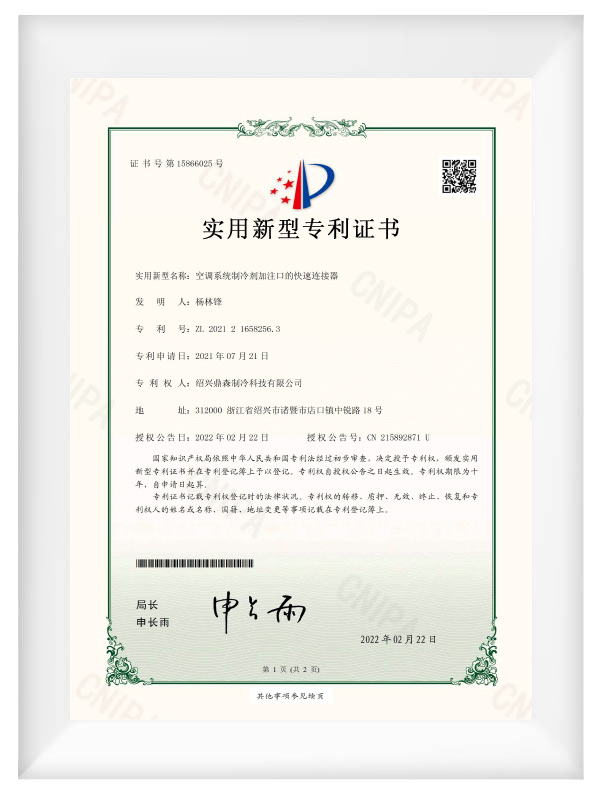
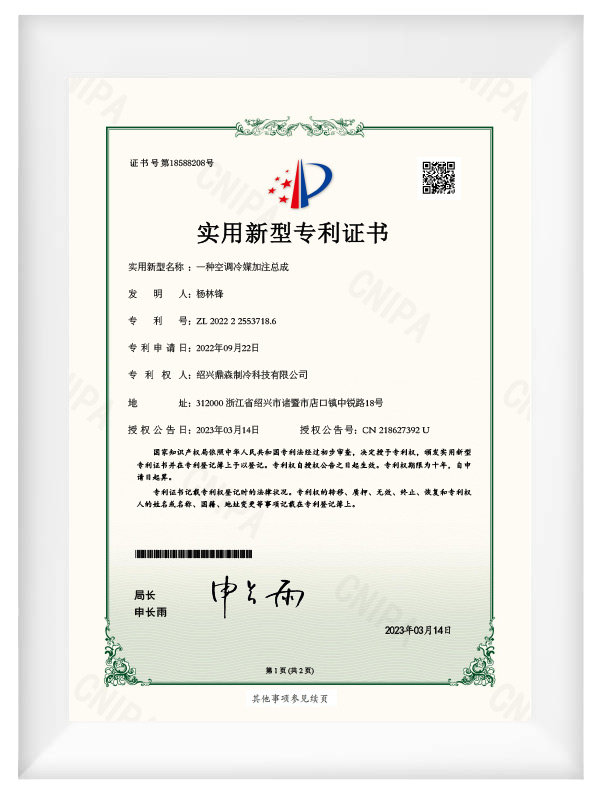
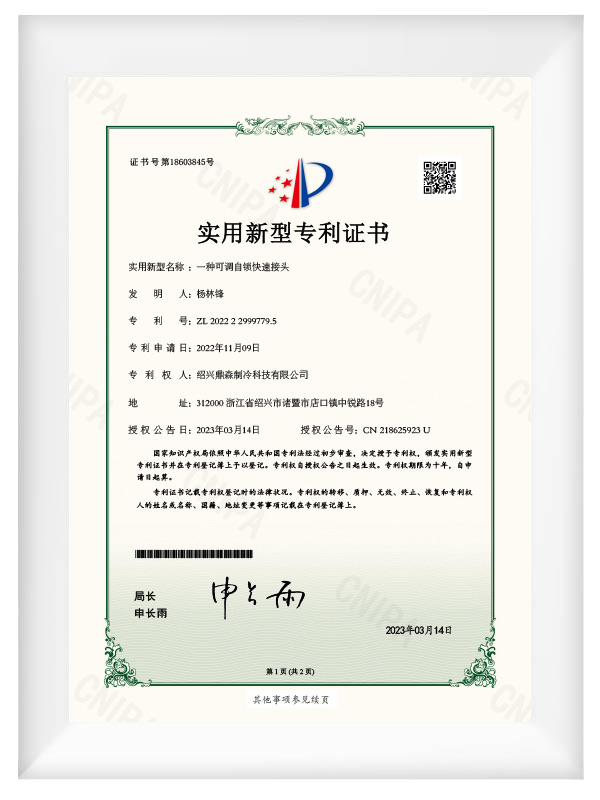
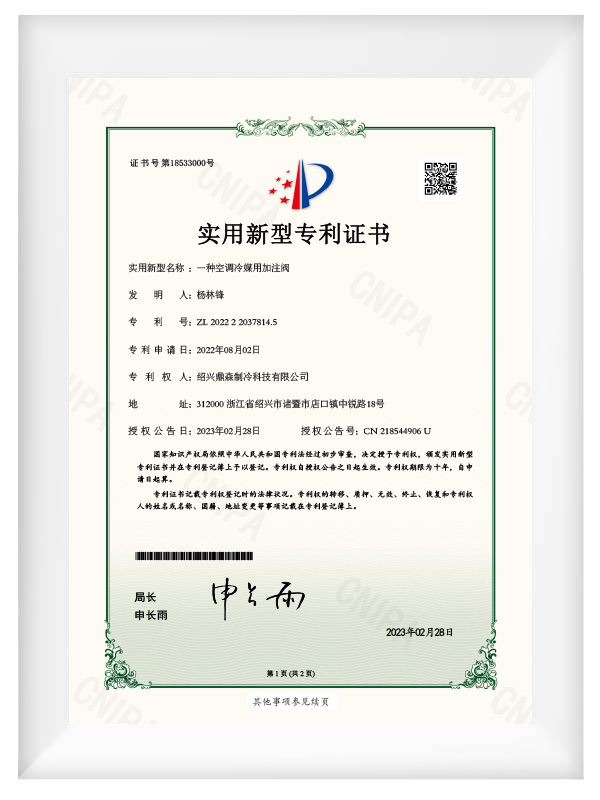
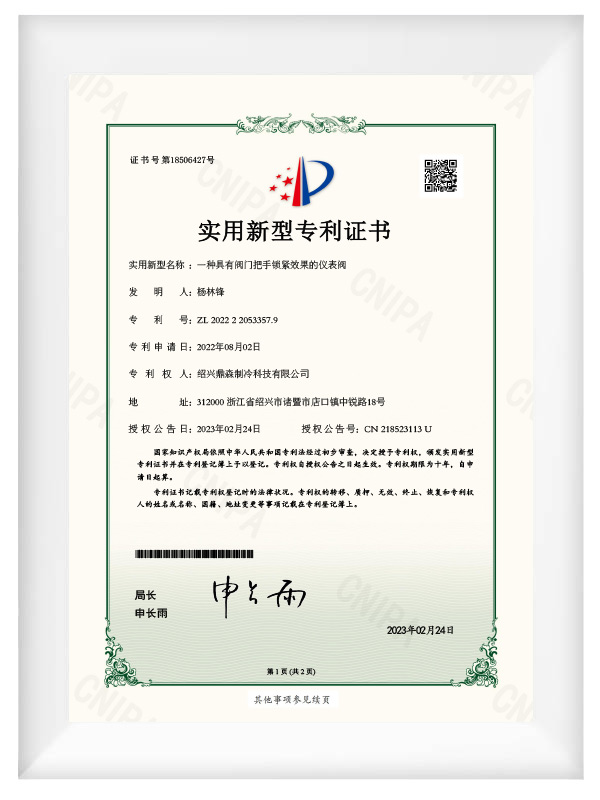
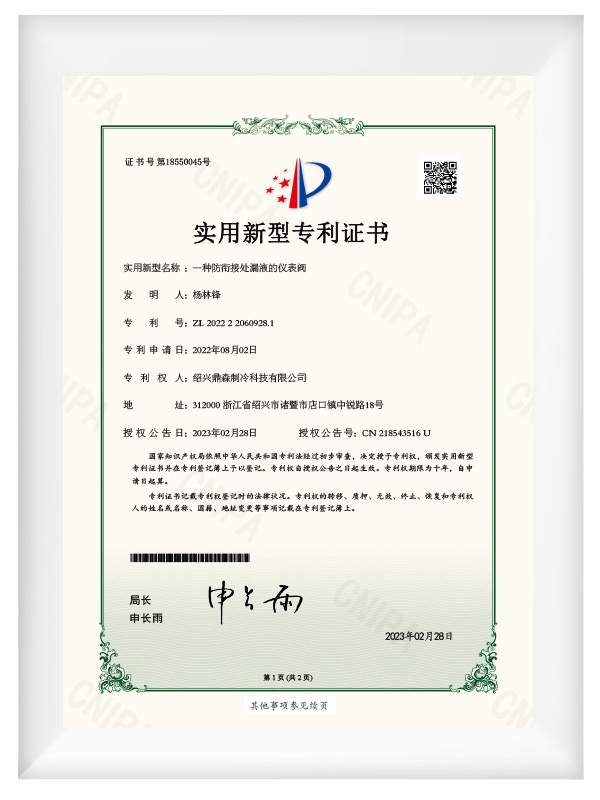
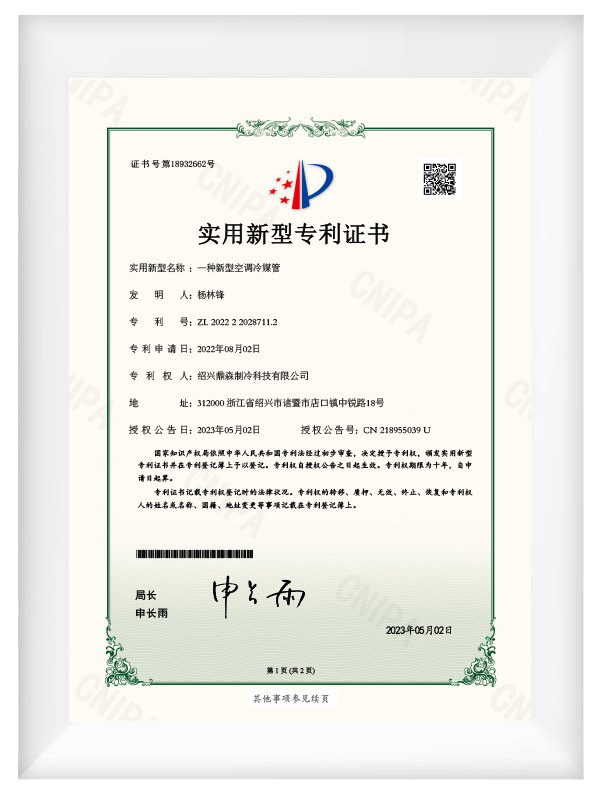
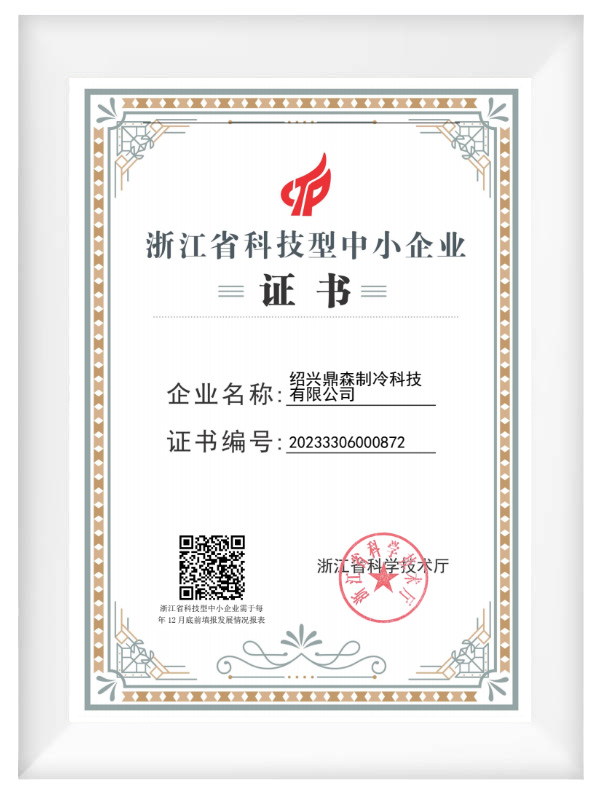
Certificate Of Honor
latest News
-
-
Most solenoid valve callbacks start with a symptom rather than a theory. A walk in cooler runs all night and never reaches its set point. A heat pump reverses at the wrong moment. An ice machine floods the evaporator after shutdown. A technician then pulls the coil off, presses the plunger with a s...
READ MORE -
Hangzhou, China – October 22–24, 2026 Shaoxing DingSen Refrigeration Technology Co., Ltd., a China OEM refrigeration parts manufacturer and automotive AC parts factory, is pleased to announce its participation in the 2026 International Air Conditioning, Heating, Ventilation, Refrigeration and Cold...
READ MORE
CONTACT US
KEEP IN TOUCH
We are very glad that you come to DingSen to purchase or customize, and we
are confident to provide you with high-quality products and services.

Contact Us
-

No. 109 Jiefang Road, Diankou Town, Zhuji City, Shaoxing, Zhejiang Province
-

+86-13867581196
-

Copyright © shaoxing DingSen Refrigeration Technology Co Ltd. All Rights Reserved Oil-filled pressure gauge Manufacturers Oil-filled pressure gauge Factory
