
 en
en  Español
 عربى
عربى
hvac 3 way valve: Applications, Selection Criteria, and Practical Guidance
A plant operator calls because a zone is blowing cold air on a morning when the boiler has been running for two hours. The coil is clean, the pump is running, and the three way valve feeding that coil has not moved since it was installed. That one component decides whether the coil sees hot water, chilled water, or a blend of the two, and when it sticks, is piped backwards, or is wired to the wrong signal, the whole zone follows it.
In an HVAC system, a 3 way valve is a flow routing device with three ports: one common port and two branch ports. It does one of two jobs. It either mixes two streams into one, or diverts one stream into two. Which job it performs, how the internal ports are arranged, and how the actuator is controlled matter far more than the pipe size stamped on the body. Get those three points right and the valve becomes a quiet, reliable part of the loop. Get them wrong and no amount of balancing will fix the zone.
Content
- 1 What a Three Way Valve Does in an HVAC Loop
- 2 Mixing or Diverting: A Decision You Cannot Reverse on Site
- 3 Sizing a Three Way Valve: Flow Coefficient Beats Pipe Size
- 4 Actuators and Control Signals
- 5 Three Way Valves on Air Conditioning and Refrigeration Equipment
- 6 Installation and Commissioning Checks That Prevent Callbacks
- 7 Common Problems and What the Symptoms Tell You
What a Three Way Valve Does in an HVAC Loop
The short answer is that a three way valve changes the path the water takes, not the amount of water in the system. In a mixing valve, two inlet flows enter the branch ports and leave through the common port as one blended stream, and the position of the plug, ball, or disc sets the ratio between the two inlets. In a diverting valve, flow enters the common port and leaves through one branch port or the other, with intermediate positions splitting the flow between them.
That difference decides where each style is used. Mixing bodies suit coil control, where a warm primary stream and a cooler return stream are blended to the supply temperature the coil needs. Diverting bodies suit bypass duty, where flow has to be sent around a coil, and changeover duty, where a chiller and a boiler share the same terminal unit.
| Function | Port behavior | Typical HVAC use | Selection note |
|---|---|---|---|
| Mixing | Two inlets, one outlet, blend ratio set by the moving element | Coil supply temperature control, radiant floor blending, hot water tempering | Confirm the common port sits on the outlet side before piping |
| Diverting | One inlet, two outlets, flow sent to one port or split between them | Coil bypass, chiller and boiler changeover, branch isolation | Confirm which port is closed in the de energized position |
Mixing or Diverting: A Decision You Cannot Reverse on Site
The bodies are not interchangeable. On a mixing valve the common port is the outlet. On a diverting valve the common port is the inlet. Pipe a diverting body as a mixer and water can cross straight from one branch port to the other, so the coil runs at the wrong temperature no matter what the actuator does. This is one of the most common field errors, and it shows up as a coil that never reaches setpoint while the valve looks like it is stroking correctly.
Ball style three way valves add another layer. An L port ball connects the common port to one branch at a time and can shut off the third port. A T port ball can connect the common port to both branches at once, so full flow is possible through either path or as a split between them, but the common port cannot be isolated from both branches at the same time.
Four lines on the data sheet are worth copying into the submittal before any order is placed:
- Which port is the common port, and whether it is the inlet or the outlet.
- Which ports are open, closed, or partly open at each end of the stroke.
- The flow coefficient at the design travel position, not only the port size.
- The fail position, meaning where the valve goes when power or signal is lost.
Sizing a Three Way Valve: Flow Coefficient Beats Pipe Size
Size the valve by the flow it must pass at design conditions, not by the diameter of the pipe it sits in. A valve matched to the line size is usually oversized. When a body is too large, the plug does most of its work in the first 20 percent of travel, small signal changes produce large flow changes, and the zone hunts around setpoint all afternoon.
The working number is the flow coefficient. In US units, Cv is the flow in gallons per minute that passes through a fully open valve at a pressure drop of 1 psi. In metric units the same idea appears as Kvs, using cubic meters per hour at a 1 bar drop. The relationship is simple: Cv equals the design flow in gallons per minute divided by the square root of the pressure drop in psi.
Hydronic practice usually targets a pressure drop across the control valve of 25 to 50 percent of the total drop in that branch, which in many coil circuits lands between 3 and 5 psi. That gives the valve enough authority to control the coil without wasting pump energy. A quotation that lists only port size, connection type, and body material leaves the most important number unverified.
Actuators and Control Signals
Match the actuator to the controller before the order goes out, because body and actuator are often separate line items. Three signal types cover most HVAC work:
- Two position, on or off, for changeover and bypass duty where the valve only needs to sit at one end of the stroke.
- Floating or three wire, where the controller drives the valve open and closed and the actuator holds position when power is removed.
- Modulating, usually 0 to 10 V or 4 to 20 mA, where the valve must hold an intermediate position to blend supply temperature.
Two details then decide whether the valve actually works. Torque and close off rating come first: a valve that cannot close against the differential pressure of the pump will leak through the seat even when the actuator reports a closed position, which appears as a zone that never fully shuts down. Fail position comes second. Spring return actuators drive the valve to a known port on power loss, and the right choice depends on whether a failed coil should be left in heating, cooling, or bypass. Check the voltage as well, since 24 V and line voltage actuators are not interchangeable at the terminal strip.
Three Way Valves on Air Conditioning and Refrigeration Equipment
Not every three way valve sits in a hydronic loop. Split air conditioning and refrigeration systems use three port service valves at the outdoor unit. One port connects to the system, one connects to the line set, and the third, often called the gauge or service port, gives the technician a place to connect a manifold for evacuation, charging, and pressure checks. These bodies are normally brass, with copper sweat connections or flare fittings, and the service port cap stays sealed during normal operation. A separate article explains what an air conditioning three way valve does during evacuation and charging.
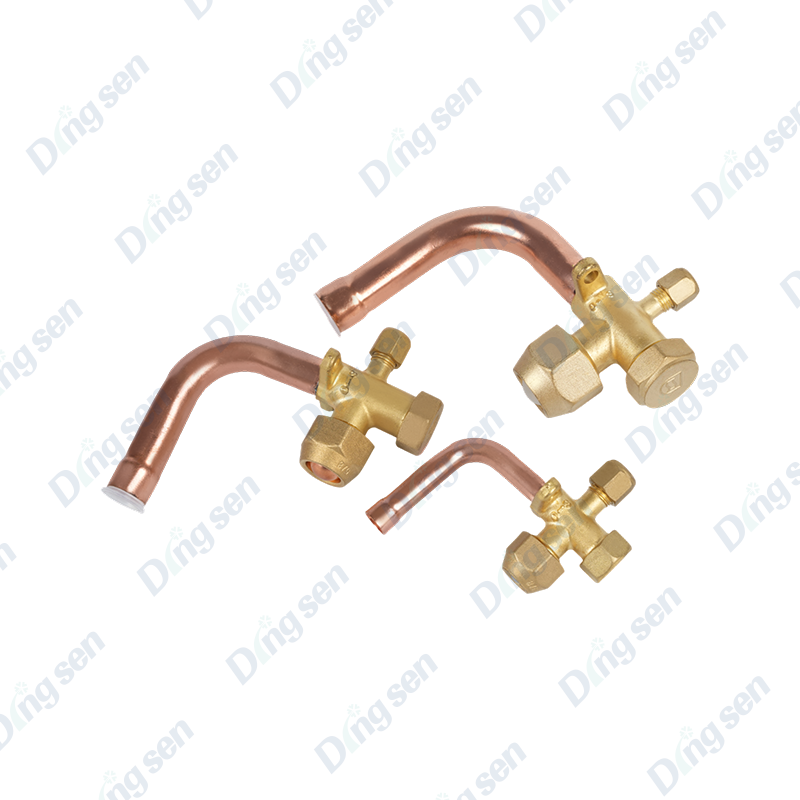 Air Conditioning Three Way Valve for Refrigerant Flow ControlThis brass or stainless valve switches refrigerant direction and stages flow for cooling or heating, with DN6-DN20 connections and an optional service port.View Product →
Flow control three way valves take a different role in packaged equipment. They split or redirect refrigerant between circuits so capacity can be staged without stopping the compressor, and they are selected on the same flow coefficient logic used for hydronic bodies, adjusted for refrigerant properties and operating pressures.
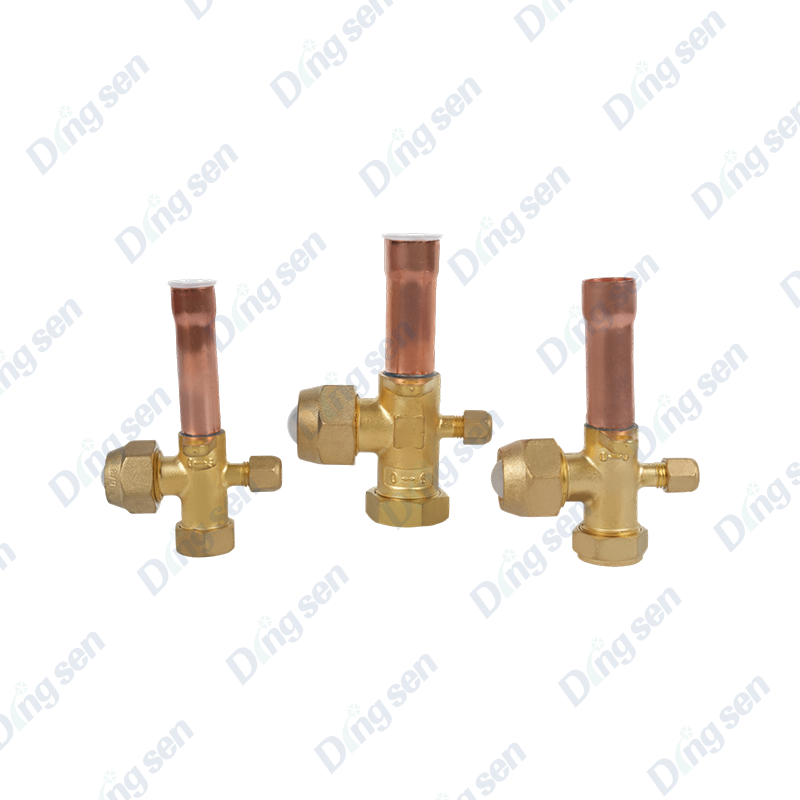 Air Conditioner Flow Control Three Way ValveThis valve switches refrigerant direction and adjusts stepped flow for cooling or heating, with DN6-DN20 connections and an optional maintenance port.View Product →
Split type valves sit at the boundary between the indoor and outdoor sections, where a technician needs both a permanent connection and a service access point in one compact brass body. Connection type, thread standard, and charge port size are the details worth confirming against the drawing before ordering.
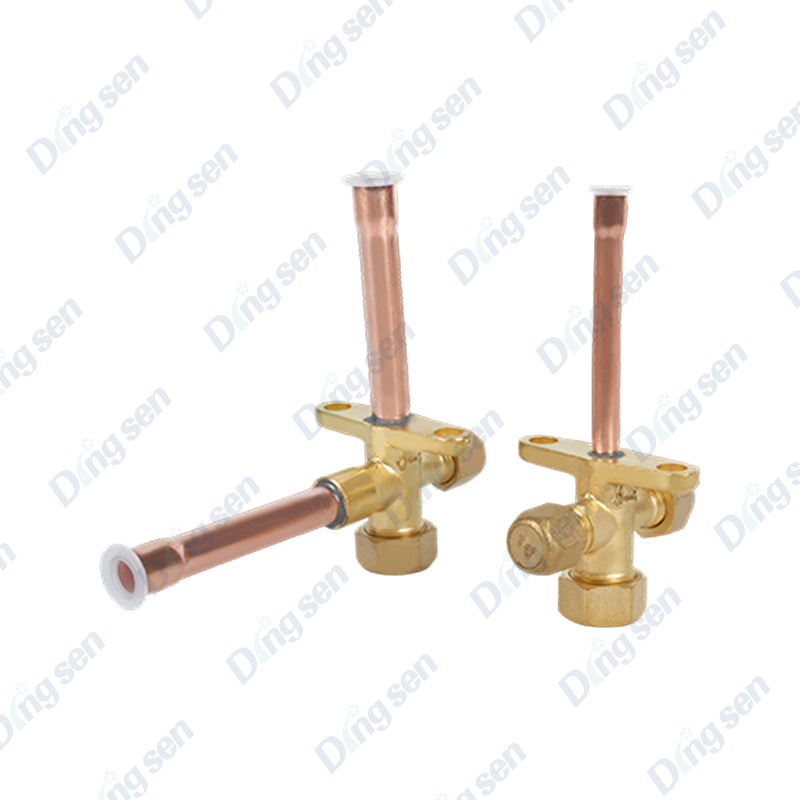 Split Type Air Conditioner Three Way ValveThis split-system valve switches refrigerant direction for cooling or heating and may include a service port for pressure testing or replenishment.View Product →
Installation and Commissioning Checks That Prevent Callbacks
Most three way valve problems reported in the first month are installation issues rather than product defects. A short commissioning routine catches nearly all of them:
- Flush the line before the valve goes in, since solder, pipe scale, and thread chips are the main cause of a scored seat.
- Remove the actuator before brazing or soldering, and protect the body from heat so stem seals are not damaged.
- Follow the flow arrow on the body, which marks the common port orientation and is the single most common piping error.
- Support larger bodies with a bracket so the weight of the pipe does not load the valve body.
- Stroke the valve through its full range with the controller before balancing the loop, and watch the stem travel.
- Record supply and return temperatures across the coil after a full load cycle, not five minutes after start.
If the coil is not responding, measure the actuator signal at the valve terminals rather than at the panel. A signal that reads correctly at the controller can arrive at the actuator as a much lower voltage through a long, undersized wire run, and the valve will sit still with no fault shown anywhere.
Common Problems and What the Symptoms Tell You
Diagnosis gets faster when you treat the symptom as a clue about which part has failed. Debris and scale usually cause position errors and noise, while actuator faults usually cause no movement at all.
| Symptom | Likely cause | First check |
|---|---|---|
| Coil never reaches setpoint although the valve strokes | Diverting body piped as a mixer, or oversized body | Confirm common port orientation and compare Cv with design flow |
| Actuator hums but nothing moves | Stripped linkage, seized stem, or insufficient torque | Remove the actuator and turn the stem by hand |
| Zone never fully shuts off | Seat leakage, wrong port closed, or low close off rating | Check differential pressure against the actuator rating |
| Water crosses between both branches | Wrong internal port arrangement for the job | Verify L port or T port behavior against the piping drawing |
| Leak at the stem or body joint | Heat damage during brazing, or worn packing | Inspect the seal area and review installation practice |
Three rules cover most of the risk with an HVAC three way valve. Confirm whether the job needs mixing or diverting before anything is ordered or piped. Size the body by flow coefficient at design flow rather than by pipe diameter. Match the actuator signal, torque, and fail position to the controller and the loop. Everything else, from material choice to maintenance intervals, follows from those three decisions.
In hydronic loops the valve is a control device and should be treated as one. In split air conditioning and refrigeration work it is also a service access point, so port layout and cap condition matter every time a system is evacuated or charged. Keeping spare actuators and a small stock of the most used body sizes on hand shortens downtime, because a failed actuator is usually the fastest part to replace.
If you are specifying three way valves for a refrigeration or air conditioning product line and need bodies that match an existing drawing, our team can work from your sample or specification. Send the port layout, flow requirement, and connection type and we will reply with the matching configuration.
-
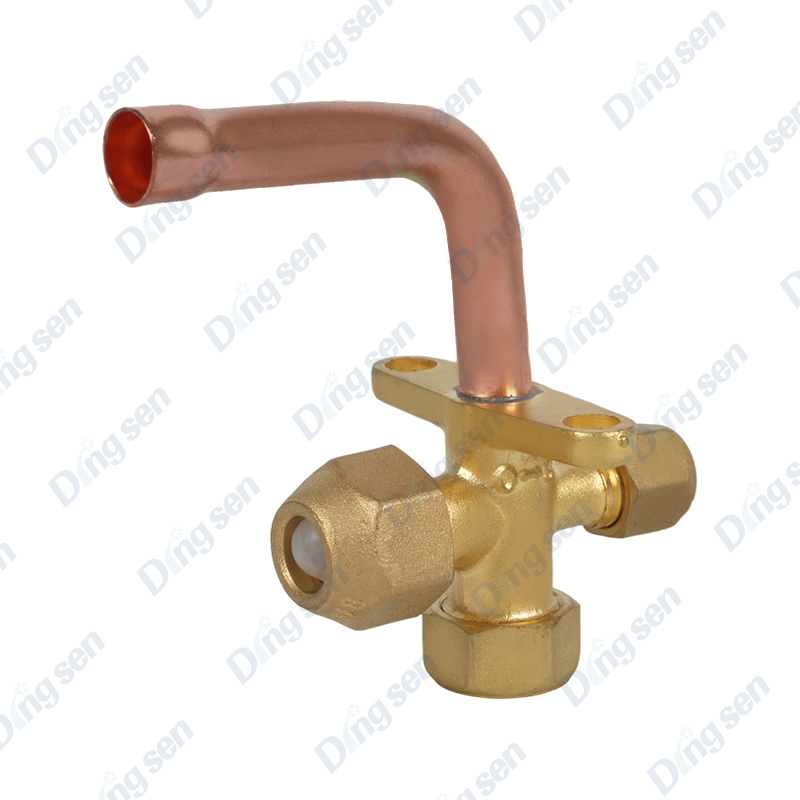
The air conditioning three-way valve is a key component for switching and contro...
-
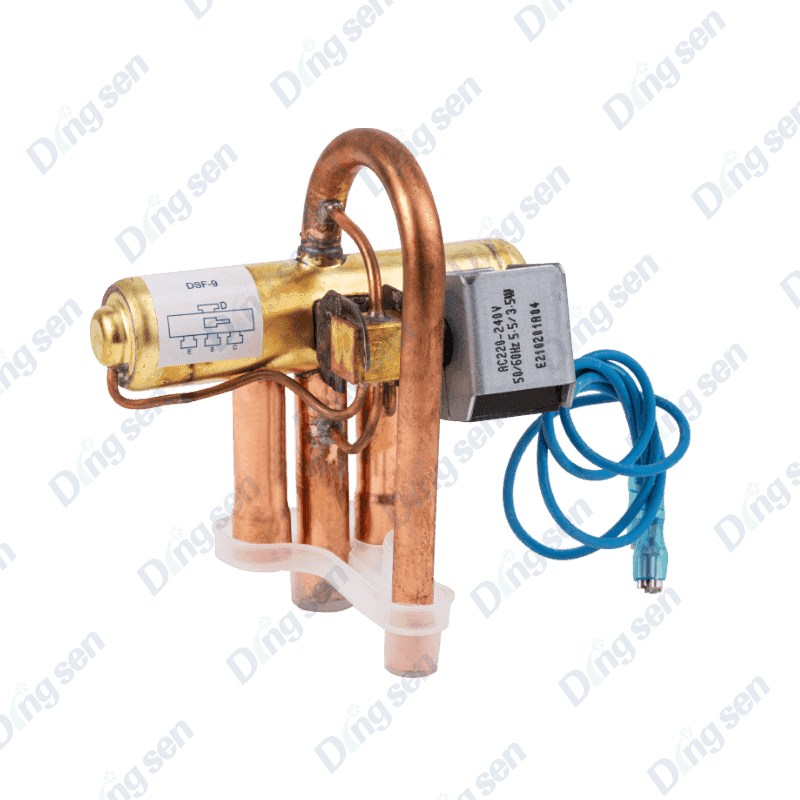
A four-way reversing valve is a key component for switching the flow of fluids (...
-
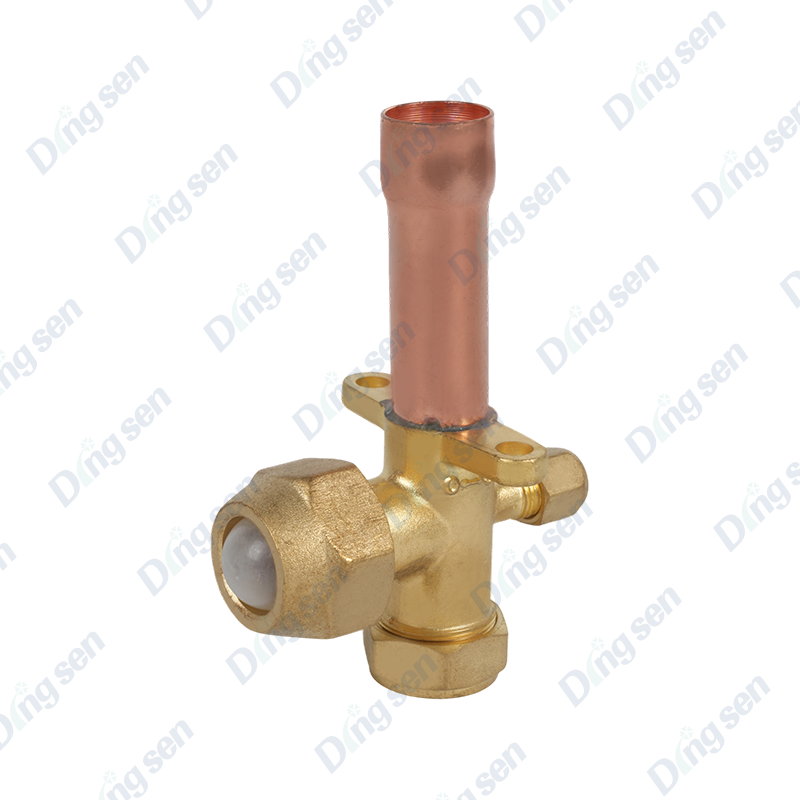
The air conditioning three-way valve is a key component for switching and contro...
-
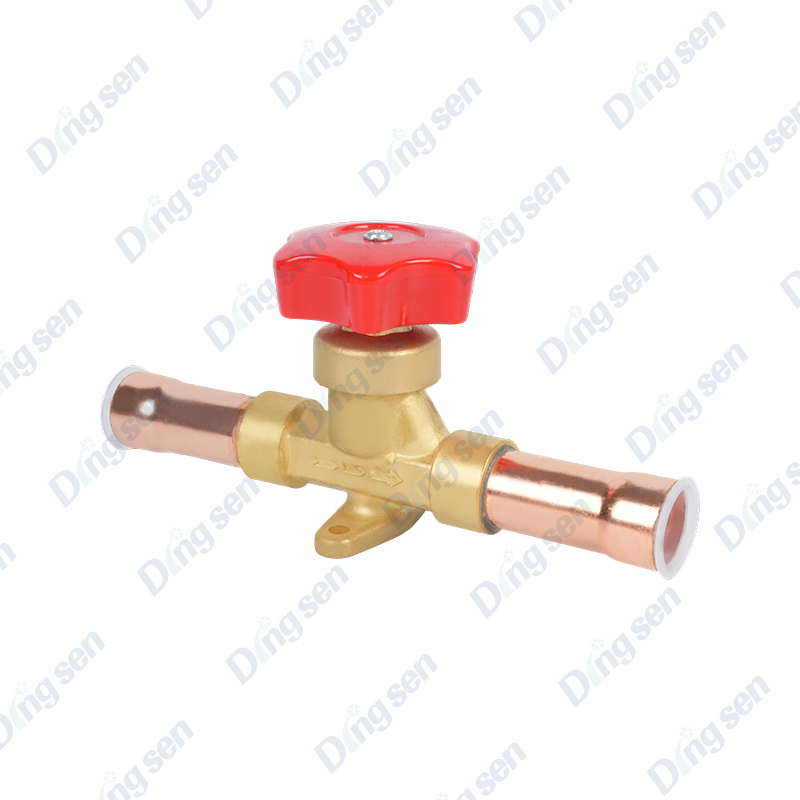
Diaphragm-type hand valves are manual flow control components for refrigeration ...
-
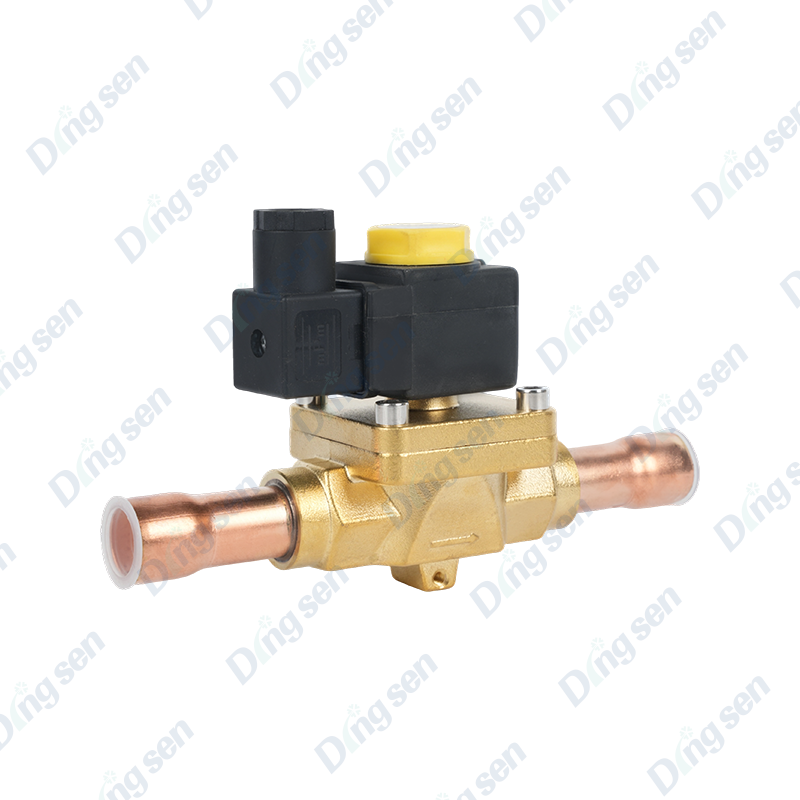
EVR solenoid valves are key components in refrigeration and air conditioning, co...
-
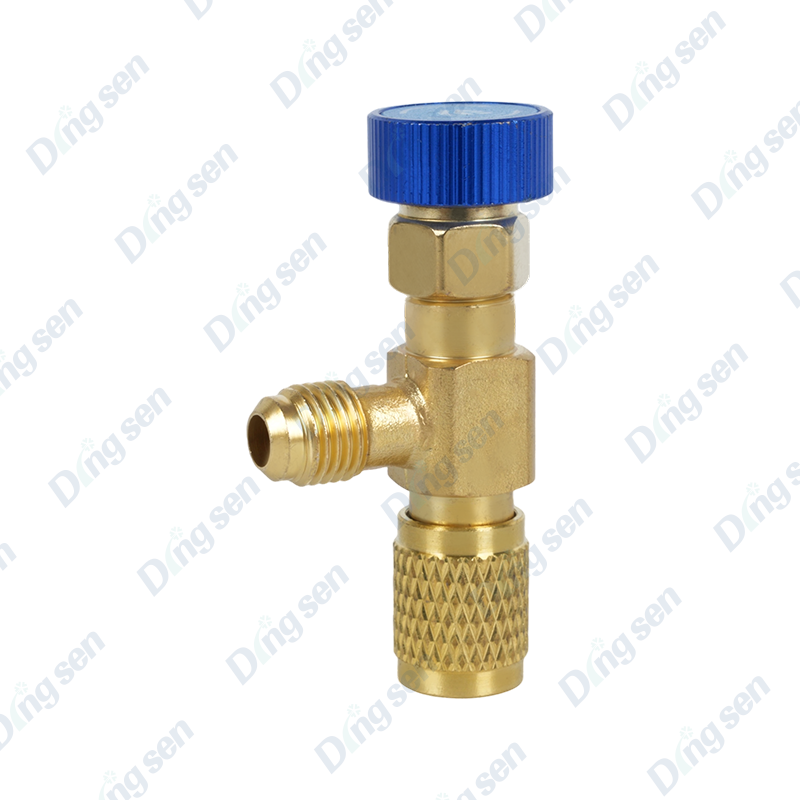
The Safety filling valve series is a safety control component during media filli...

Contact Us
-

No. 109 Jiefang Road, Diankou Town, Zhuji City, Shaoxing, Zhejiang Province
-

+86-13867581196
-

Copyright © shaoxing DingSen Refrigeration Technology Co Ltd. All Rights Reserved
OEM Refrigeration Parts Manufacturer Custom Automotive AC Parts Factory