
 en
en  Español
 عربى
عربى
HVAC Air Balancing Explained: Root Causes, Fixes, and Component Checks
Two bedrooms sit on the same floor, share one thermostat, and one of them runs four to six degrees warmer all summer. The condenser is clean, the filter is new, and the hallway stays perfectly cool. Nothing is broken. The air simply is not distributed the way the house needs it, and no thermostat setting will correct that.
HVAC air balancing is the measured adjustment of a forced air system so each room receives the airflow it was designed to get, while total system pressure stays inside the equipment limits. It is a data exercise, not a guessing game. Closing the nearest register to push more air upstairs usually fixes one room and starves another, because every damper move changes pressure across the entire duct system.
What follows is what technicians actually measure, what commonly causes imbalance, what can be corrected in the field, and which mechanical parts decide whether the result holds after the service van leaves.
Content
- 1 What Air Balancing Actually Measures
- 2 Why Airflow Becomes Unbalanced
- 3 Signs That Point to an Air Balancing Problem
- 4 The Air Side and the Refrigerant Side Are Connected
- 5 How a Professional Balancing Procedure Runs
- 6 What a Building Owner Can Check Without Instruments
- 7 Parts That Decide Whether a Balance Holds
- 8 Sourcing Components With Predictable Tolerances
What Air Balancing Actually Measures
Balancing begins with readings taken at steady state, meaning the system has run at least fifteen to twenty minutes and the building is close to design conditions. A handful of measurements carry most of the diagnosis.
| Measurement | Typical target | What a deviation suggests |
|---|---|---|
| Room supply airflow (cubic feet per minute) | Within 10 percent of design for each room | Long duct runs, undersized branches, or closed dampers starving distant rooms |
| Supply to return temperature split | 16 to 22 degrees F after stabilization | A low split points to excess airflow or low refrigerant charge; a high split points to restricted airflow |
| Total external static pressure | Inside the nameplate range, often 0.5 to 0.8 inches of water column | High readings mean undersized ducts, a loaded filter, or an aggressive blower speed setting |
| Room to room temperature spread | 2 to 3 degrees F after balancing | A wider spread usually means the duct layout, not the equipment, is the limiting factor |
Note the order of the work: airflow first, temperatures second. A temperature reading alone cannot tell you whether a room is uncomfortable because of low airflow or because of a capacity problem, and those two conditions require completely different fixes.
Why Airflow Becomes Unbalanced
Duct systems drift out of balance for ordinary reasons, and most of them have nothing to do with the thermostat.
- Duct design: a long trunk line feeding far rooms while short branches near the plenum grab more than their share of air.
- Damper drift: branch dampers set years ago and never re-verified after a coil replacement or a filter upgrade.
- Filter loading: moving from a basic filter to a high-MERV filter adds resistance and reduces airflow everywhere.
- Blocked openings: furniture over return grilles, closed registers in unused rooms, rugs covering floor outlets.
- Flexible duct damage: a kinked or crushed run behind a joist can cut airflow to one room by half.
- Blower speed: left at the factory default after equipment replacement, so the fan no longer matches the ductwork.
- Oversized equipment: more capacity than the ducts can carry raises static pressure and pushes the fan toward the flat end of its curve.
- Layout changes: a garage conversion or a finished basement adds load to a duct system that was never sized for it.
Signs That Point to an Air Balancing Problem
These symptoms tend to arrive in groups. When two or more appear together, distribution is usually a better explanation than raw capacity.
- Rooms that never reach the thermostat setpoint while adjacent rooms overshoot it.
- Registers that whistle or rattle, especially the ones closest to the air handler.
- Indoor humidity that stays high in summer even though the unit runs long cycles.
- A temperature split sitting outside the 16 to 22 degree F window.
- Short cycling in mild weather, followed by long unsatisfied runs during peak heat.
- Energy use creeping upward with no change in habits, occupancy, or weather.
None of these proves imbalance on its own. Together, they justify an hour of measurement before anyone starts turning screws.
The Air Side and the Refrigerant Side Are Connected
An airflow correction cannot rescue a system that is not delivering rated capacity. If the charge is ten percent low, the coil runs warmer than intended, the temperature split drops, and no damper setting will make the far bedroom comfortable. That is why a competent balancing visit starts with a capacity check rather than a screwdriver.
Verification is quick when the right tools are on the van. A manifold gauge set provides suction and liquid pressures, which convert into superheat and subcooling, the two numbers that describe whether the refrigerant circuit is doing its job. A sight glass on the liquid line shows bubbles or flash gas within seconds and confirms whether a restriction or a low charge is the real problem.
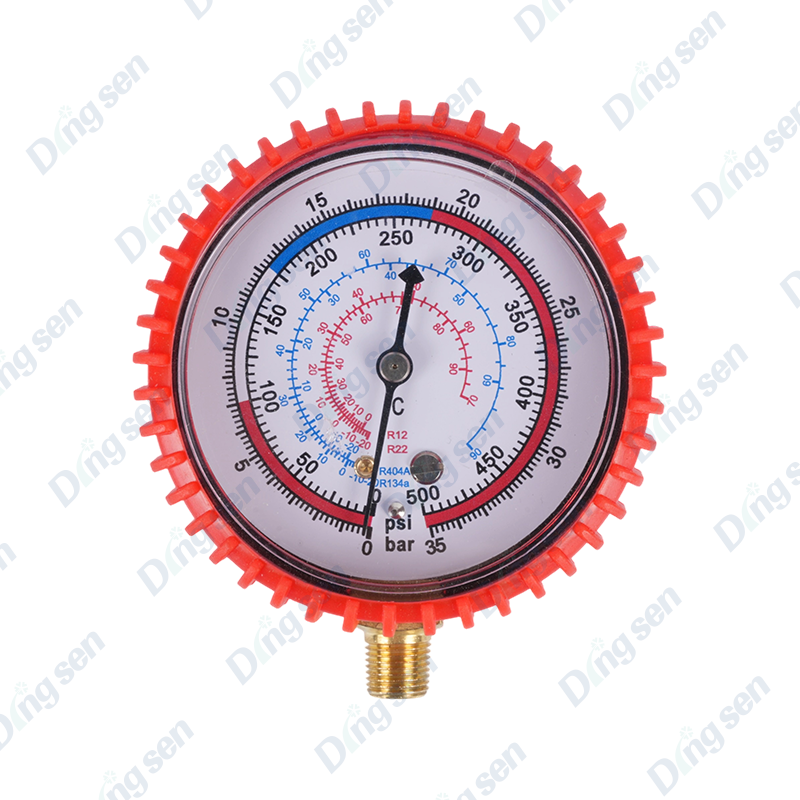 Air Conditioner Fluorine Charging Pressure GaugeDedicated gauge for monitoring high and low pressures during charging, useful when verifying refrigerant circuits before investigating multi-evaporator distribution issues.View Product →
  SG Sight Glass for Refrigeration and Air Conditioning SystemsVisual monitoring component that indicates refrigerant flow, moisture, or oil level in liquid lines, aiding system checks before diagnosing circuit or airflow problems.View Product →
On systems with more than one evaporator circuit, refrigerant distribution between circuits matters as much as duct distribution between rooms. Before condemning the ductwork, it is worth reviewing how an air conditioning three-way valve divides refrigerant flow across parallel circuits, because a circuit that is starved of liquid refrigerant produces room to room differences that look exactly like an airflow fault.
How a Professional Balancing Procedure Runs
The sequence matters more than the tools. Working out of order usually means repeating every step.
- Collect the design data. Room by room airflow targets from the original load calculation or drawings, plus the blower performance table for the equipment actually installed.
- Verify the equipment. New filter, clean coil, correct blower speed, confirmed refrigerant charge, and every supply and return opening unobstructed.
- Record a baseline. Total external static pressure, room by room airflow with a flow hood or anemometer, temperature split, and room temperatures.
- Adjust in the correct order. Blower speed first, then trunk dampers, then branch dampers, and register dampers last as fine trim only.
- Re-measure after every significant change. Airflow is a shared resource; opening one branch takes air from another.
- Stabilize and confirm. Let the system run thirty minutes and repeat the measurements at design conditions rather than in mild weather.
- Document the result. Final airflow per room, static pressure, temperature split, and the position of every damper, marked with paint or tape so the next technician does not undo the work.
A realistic goal is every room within 10 percent of design airflow, total external static pressure inside the nameplate range, and a 2 to 3 degree F room to room spread. Perfect equality is not achievable in most existing buildings. Predictable, repeatable comfort is.
What a Building Owner Can Check Without Instruments
Practical steps that cost nothing
- Replace the filter on schedule and write the date on the frame.
- Open every register for a week, then test the rooms again; a closed register quietly raises pressure elsewhere.
- Clear obstructions from return grilles, including rugs, curtains, and furniture.
- Keep interior doors open, or fit transfer grilles and door undercuts in rooms that have no return path.
- Wash the outdoor coil and inspect the indoor coil for dust matting.
- Write down which rooms miss the setpoint, by how much, and at what time of day.
When to bring in a professional
If the spread stays above 4 degrees F after those steps, the next move is a balancing visit, not another round of register adjustments. Random register tuning typically transfers the problem to a different room and pushes static pressure higher, which reduces total airflow and makes the whole system less efficient than it was before.
Parts That Decide Whether a Balance Holds
Once dampers are set, mechanical quality determines how long the numbers last. Leak-free joints keep capacity stable, valve seats that hold prevent refrigerant migration, and metering devices matched to coil capacity prevent the temperature split from swinging as outdoor conditions change.
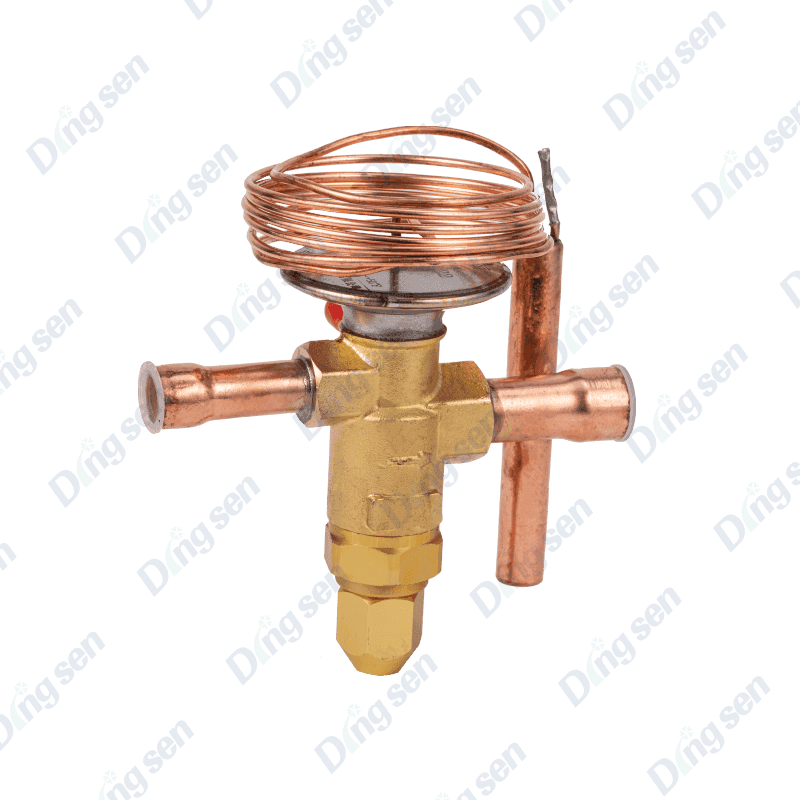 Thermal Expansion Valve for Refrigeration and Air ConditioningMetering device that regulates refrigerant flow and superheat, helping prevent temperature swings and maintain capacity in commercial and cooling systems.View Product →
An oversized or hunting expansion valve produces room temperature swings that look like an airflow fault but are actually a capacity control problem. Clean, dry internals matter just as much: a filter drier left in service too long creates pressure drop on the liquid line, and that drop shows up as reduced capacity in exactly the rooms furthest from the air handler.
On the copper side, joint geometry decides long term reliability. A poorly formed connector that needs heavy filler metal is more likely to leak later, and a leak found six months down the road is usually reported as an airflow complaint. Copper pipe connectors, reducers, and branch fittings with consistent wall thickness and clean mating surfaces keep brazed joints tight and repeatable, especially in high vibration installations.
Sourcing Components With Predictable Tolerances
For contractors and distributors, the air balancing conversation usually ends at the parts counter. When comparing suppliers, the useful questions are concrete: what accuracy class is the gauge, which seal material is used in the sight glass and is it compatible with both the refrigerant and the oil, what alloy and seat design is inside the valve body, and is the wall thickness of the copper fitting consistent from batch to batch.
Buyers working on custom programs should also ask for drawings, material certificates, and test reports, because a component that measures correctly in one shipment and drifts in the next will quietly undo a balanced system. Shaoxing DingSen Refrigeration Technology has manufactured refrigeration and automotive air conditioning parts since 2008, develops products from customer drawings or samples, operates an in-house test laboratory, and exports mainly to Europe, the Americas, and Japan.
If you need fittings, valves, sight glasses, or charging tools built to a fixed tolerance rather than an approximate one, send the drawing or a sample and discuss the batch requirements directly.
Air balancing starts as a measurement exercise and finishes as a hardware exercise. Get the airflow numbers right, confirm the refrigerant side, and then install parts that will keep those numbers where you left them.
-

Air conditioning pipe bandage strip is used to secure and protect the pipes conn...
-
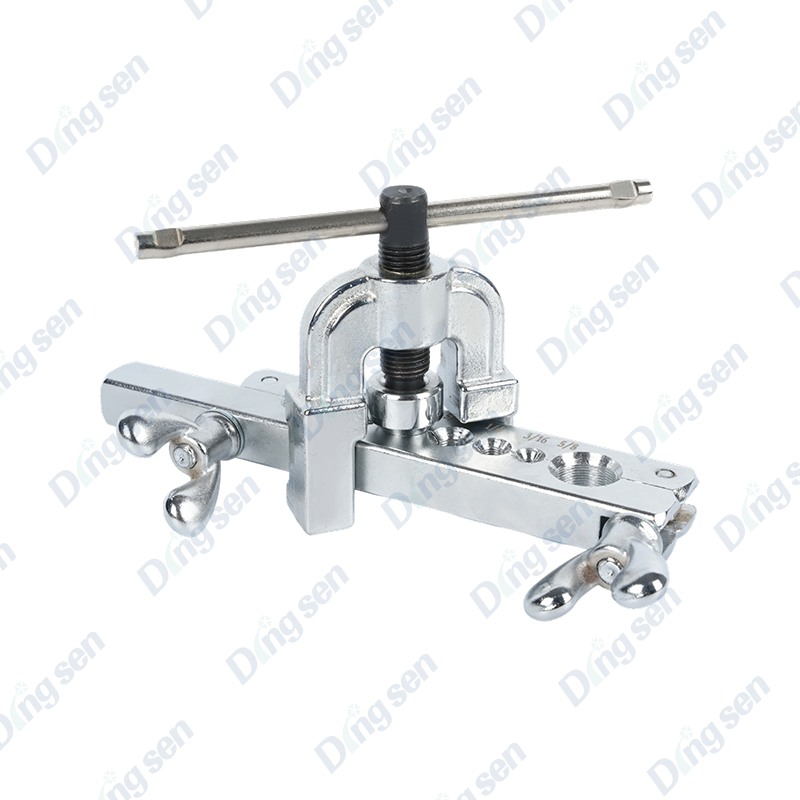
The air conditioning copper tube reamer is a specialized tool for connecting cop...
-

Air conditioning plastic nuts are lightweight seals for connecting copper pipes ...
-
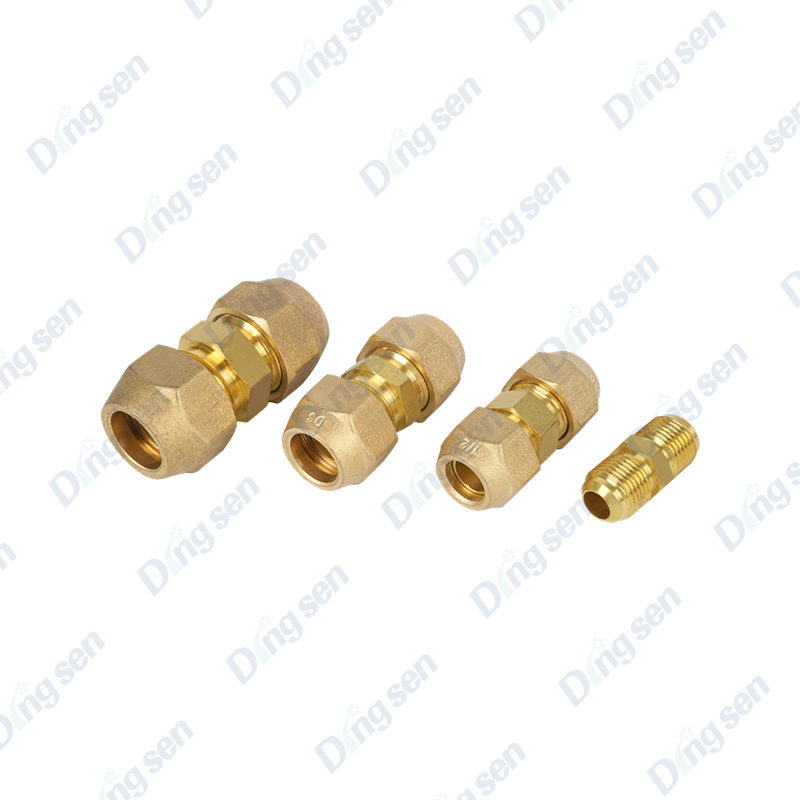
Air conditioning copper pipe duoble connector are core fittings for connecting t...
-
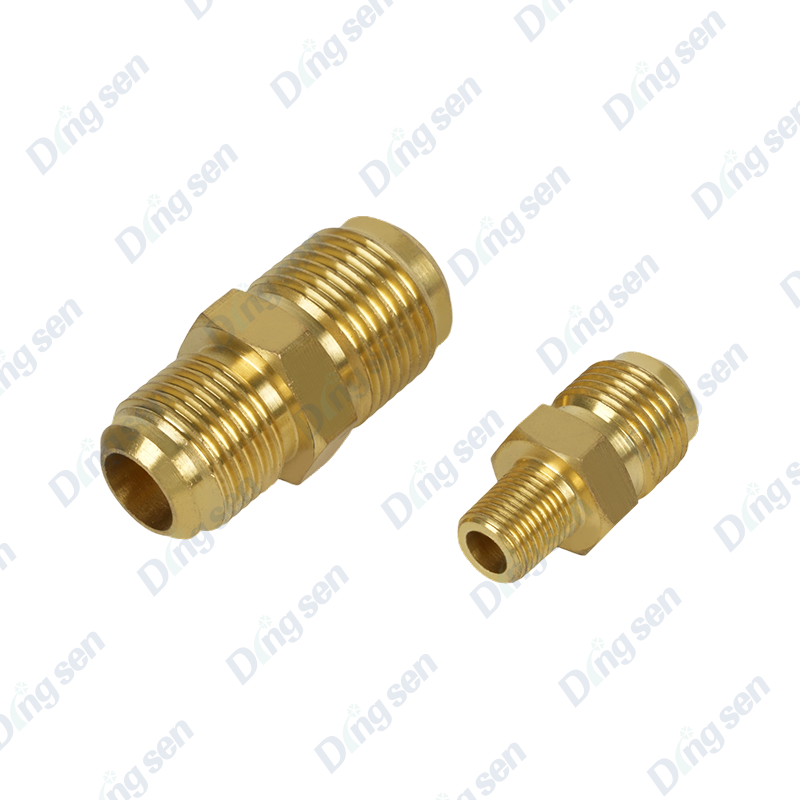
Air conditioning copper pipe reducing double joints are core fittings for connec...
-
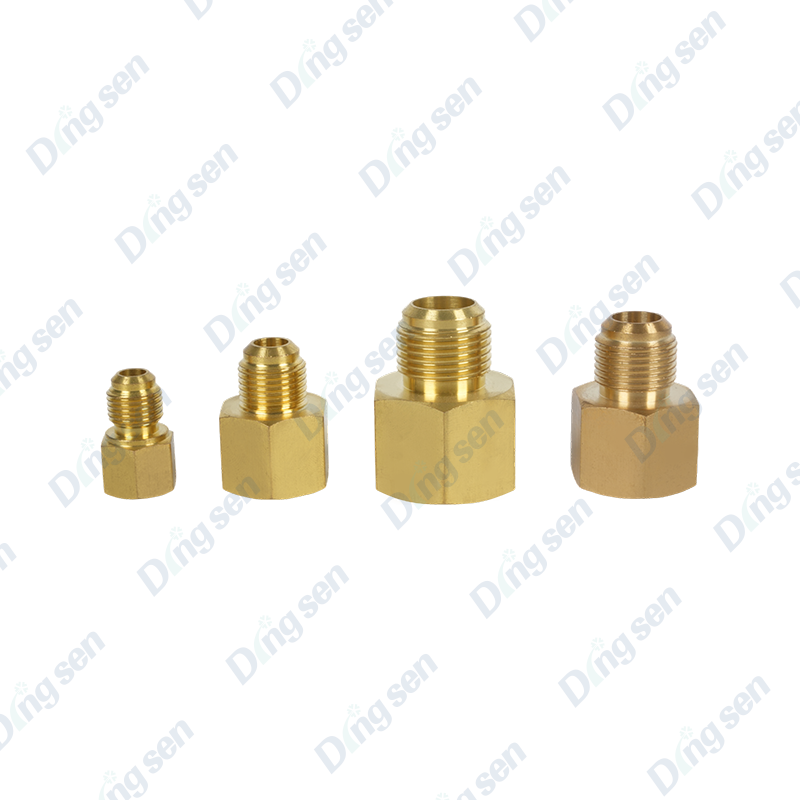
Air conditioning copper pipe female-male connector are core fittings for connect...

Contact Us
-

No. 109 Jiefang Road, Diankou Town, Zhuji City, Shaoxing, Zhejiang Province
-

+86-13867581196
-

Copyright © shaoxing DingSen Refrigeration Technology Co Ltd. All Rights Reserved
OEM Refrigeration Parts Manufacturer Custom Automotive AC Parts Factory