
 en
en  Español
 عربى
عربى
A plant operator calls because a zone is blowing cold air on a morning when the boiler has been running for two hours. The coil is clean, the pump is running, and the three way valve feeding that coil has not moved since it was installed. That one component decides whether the coil sees hot water, ...
READ MORERecommended Products
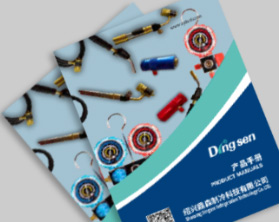
Brochure
Thermal expansion valve
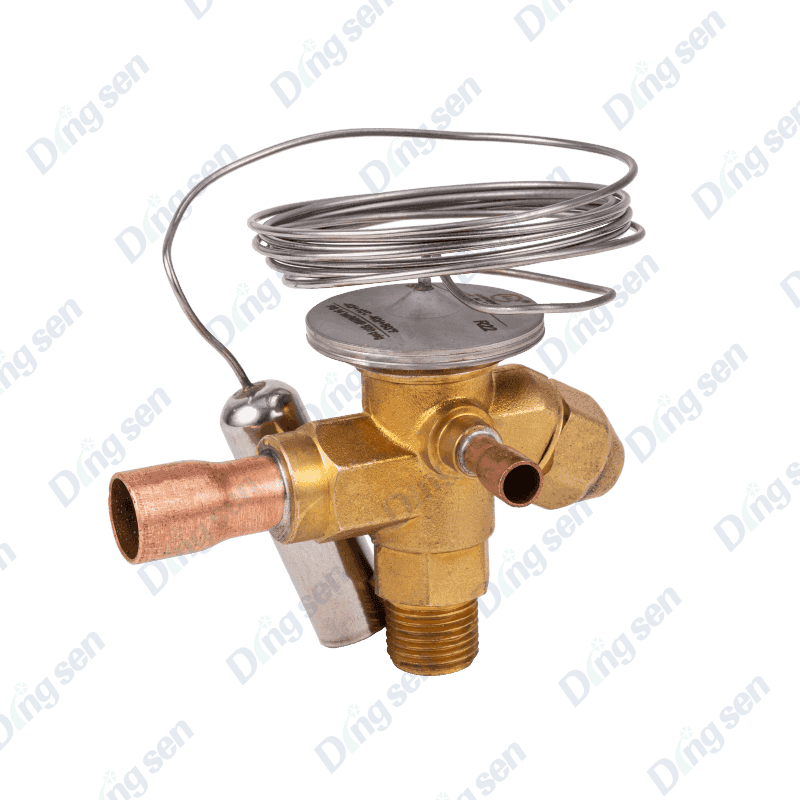
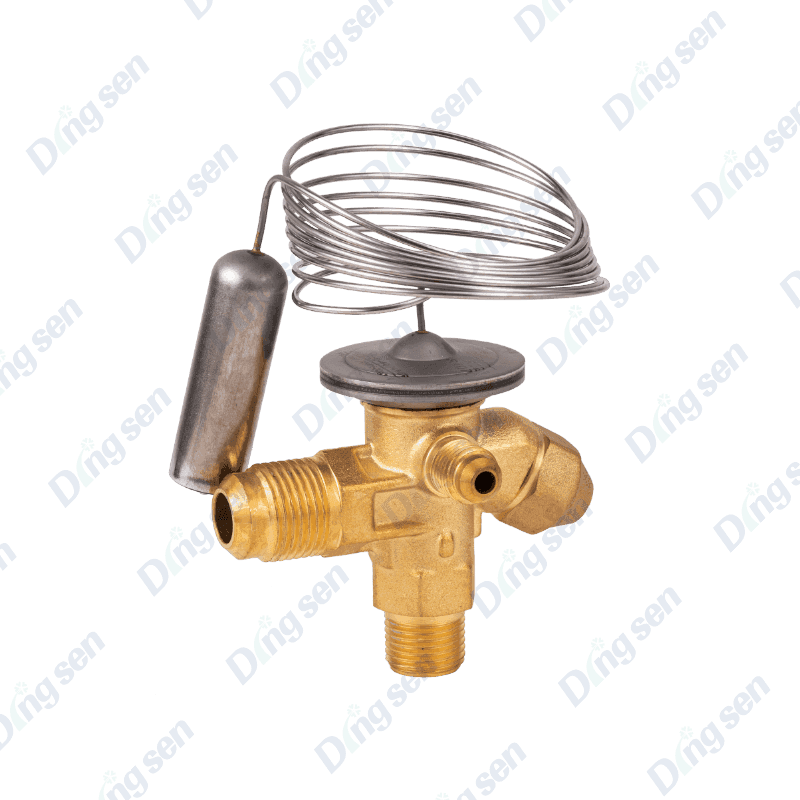
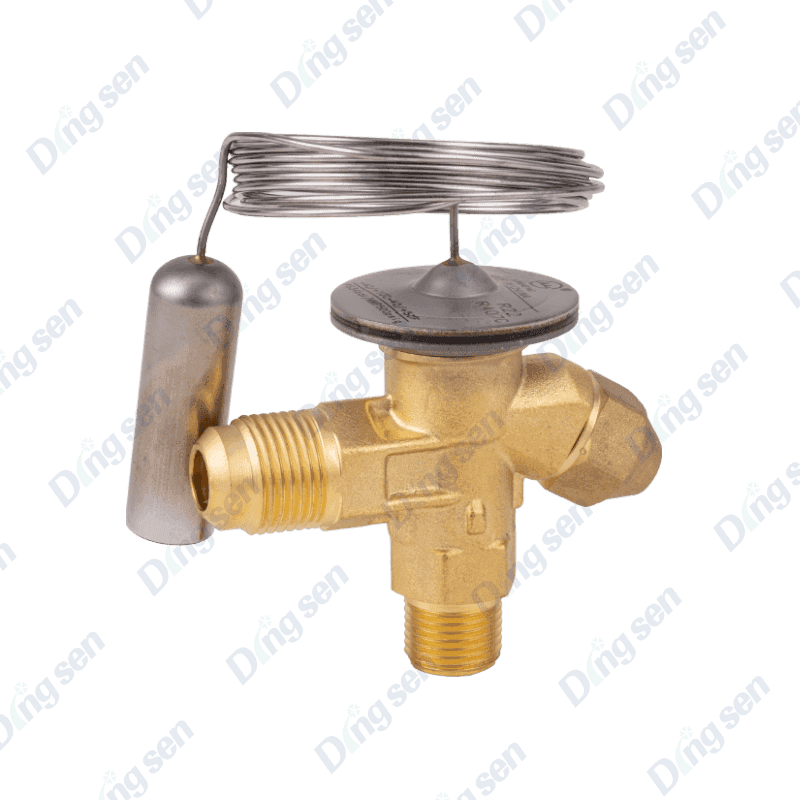
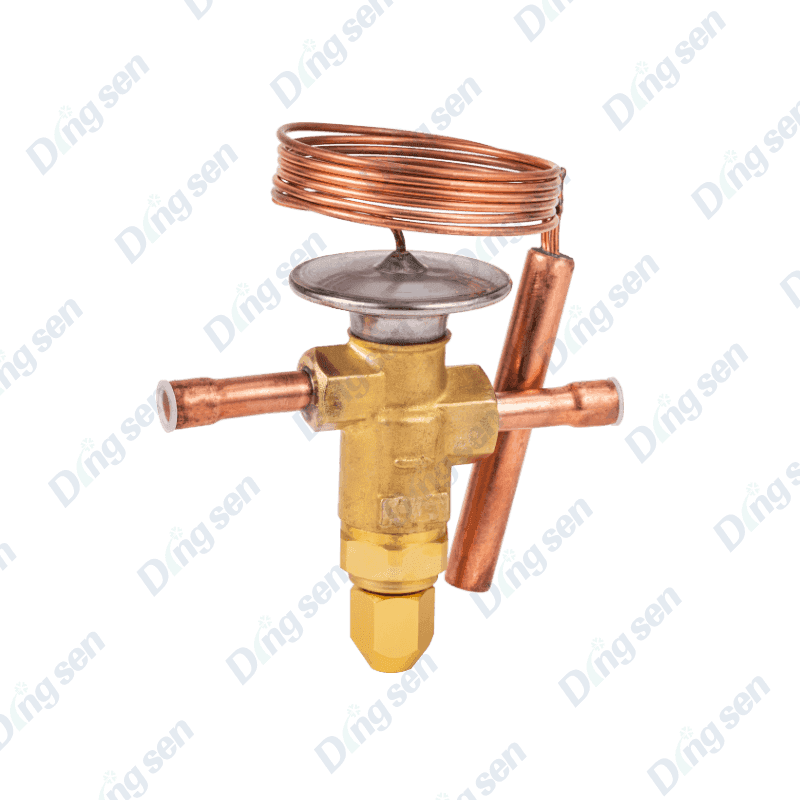
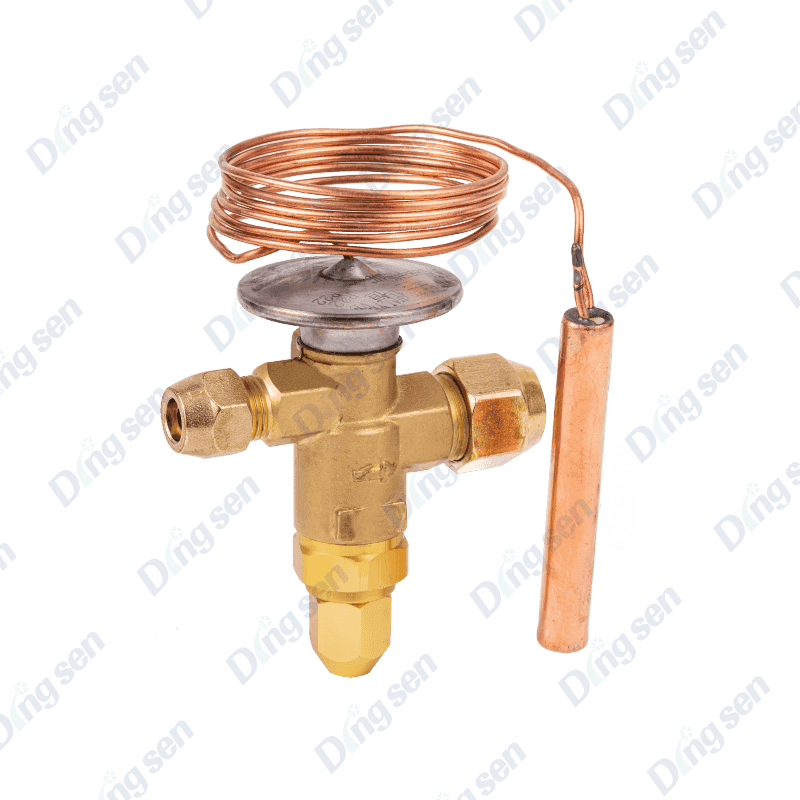
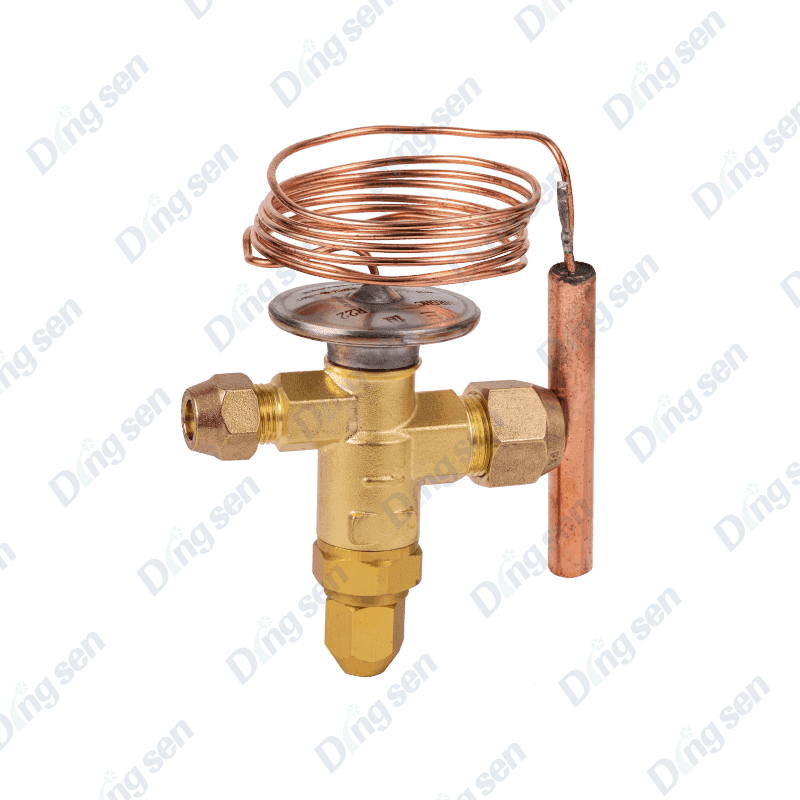
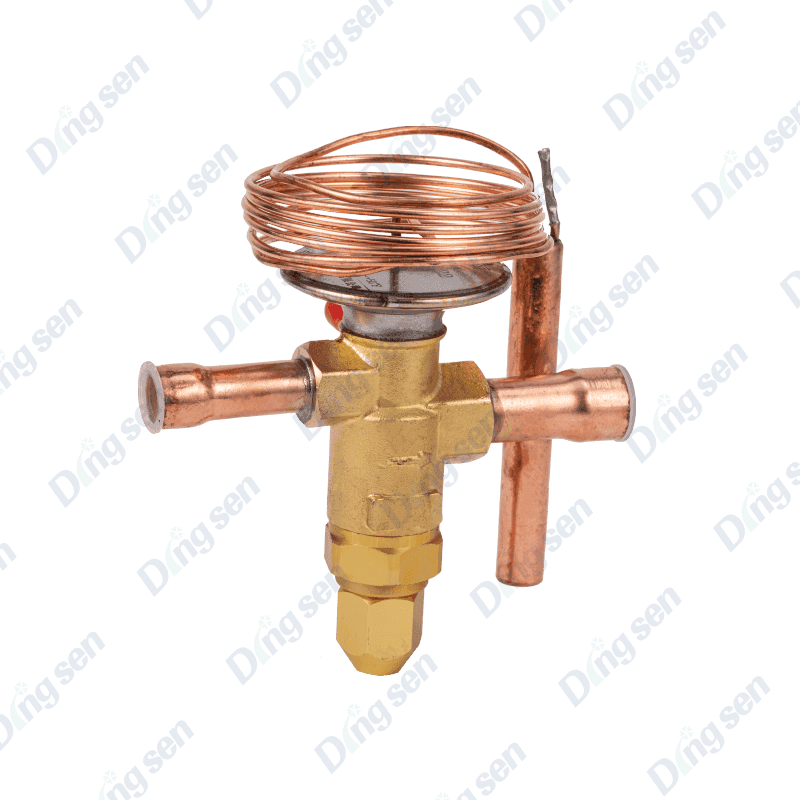
The thermal expansion valve features a compact body constructed of brass or stainless steel with a polished finish and multiple ports. A thermal bulb senses the superheat of the refrigerant gas at the evaporator outlet, converting this temperature change into internal pressure, which then balances with the spring force and evaporation pressure.
1.The internal balance of the three forces—the temperature sensor, the spring, and the evaporation pressure—enables linear adjustment of the valve opening with load changes, maintaining the system at the optimal operating point.
2.The externally balanced H-type valve body eliminates external components such as the thermal bulb and capillary tube, resulting in a more compact design and improved vibration resistance.
3.Adjusting the spring preload allows for static superheat adjustment from 0–8°C, adapting to different system requirements.
The thermal expansion valve is a key component in refrigeration systems for automatic flow control and maintaining optimal superheat. Its compact design, compatibility with a variety of refrigerants, adjustable superheat, and reliable sealing performance make it a promising option for widespread application in commercial air conditioning, cold storage, industrial cooling, and automotive air conditioning. Correct selection, standardized installation and commissioning, and regular maintenance can maximize the control efficiency of the valve body and improve the energy efficiency and reliability of the overall refrigeration system.
-
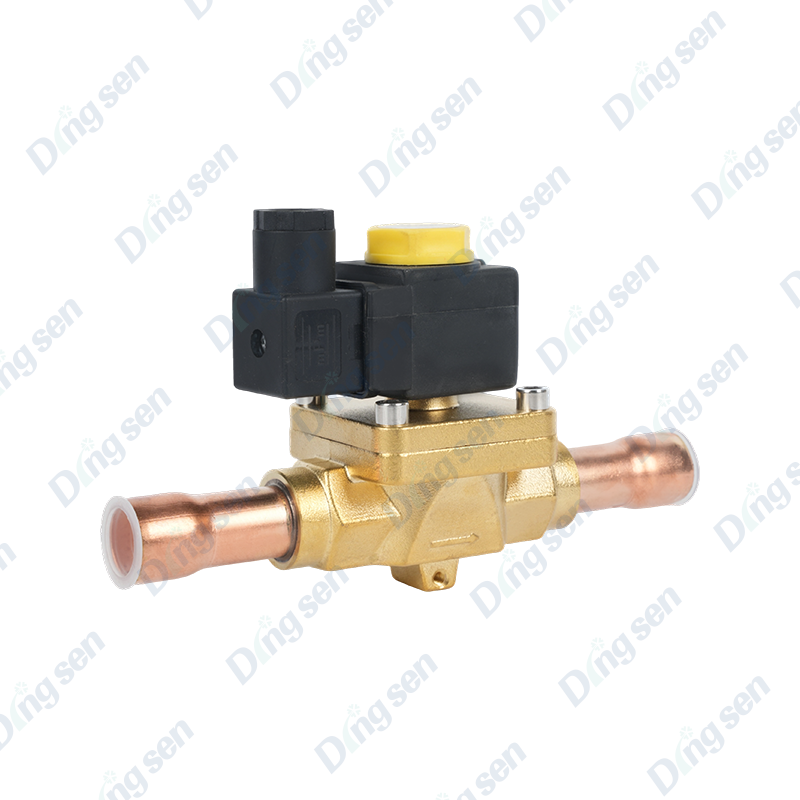
EVR solenoid valves are key components in refrigeration and air conditioning, co...
-
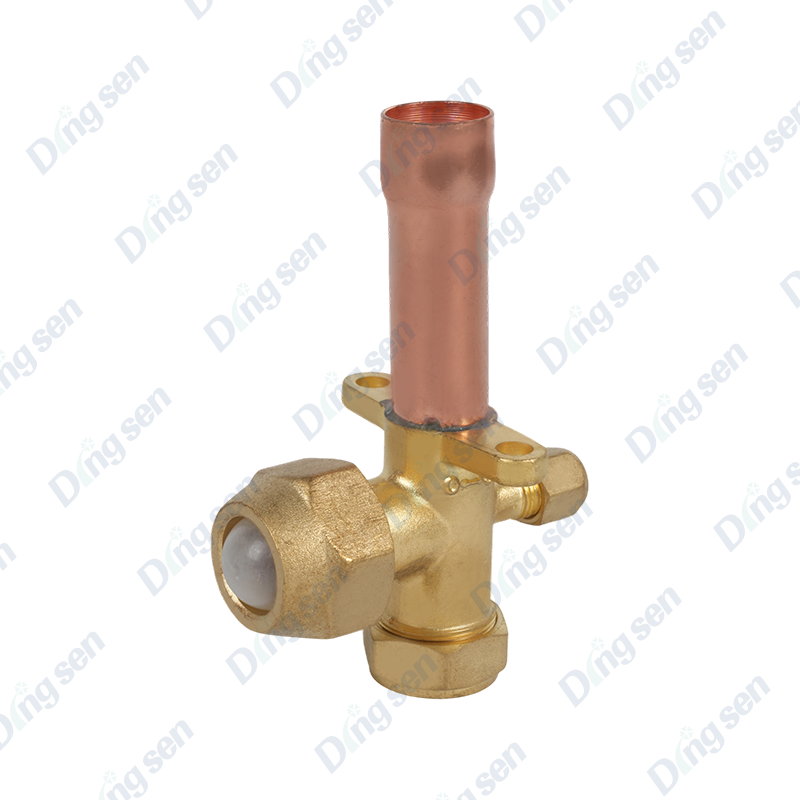
The air conditioning three-way valve is a key component for switching and contro...
-
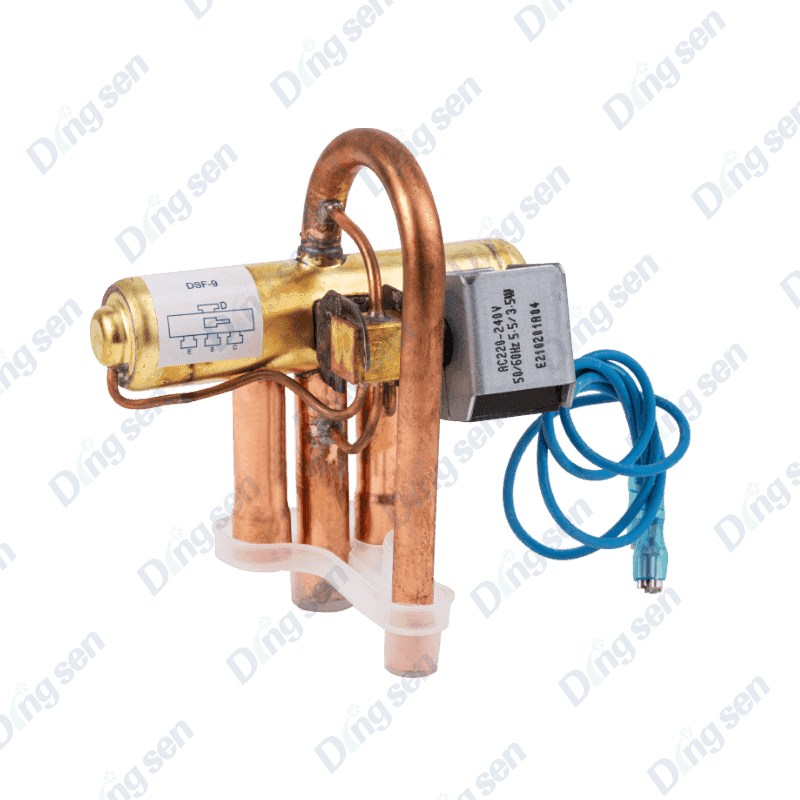
A four-way reversing valve is a key component for switching the flow of fluids (...
-
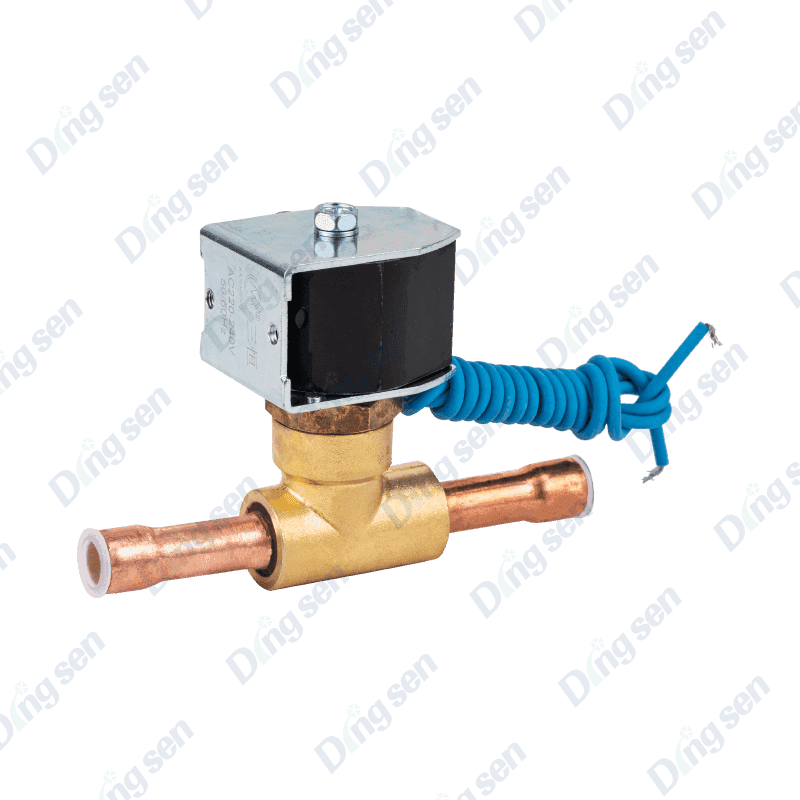
The FDF type solenoid valve is a highly reliable valve designed specifically for...
-
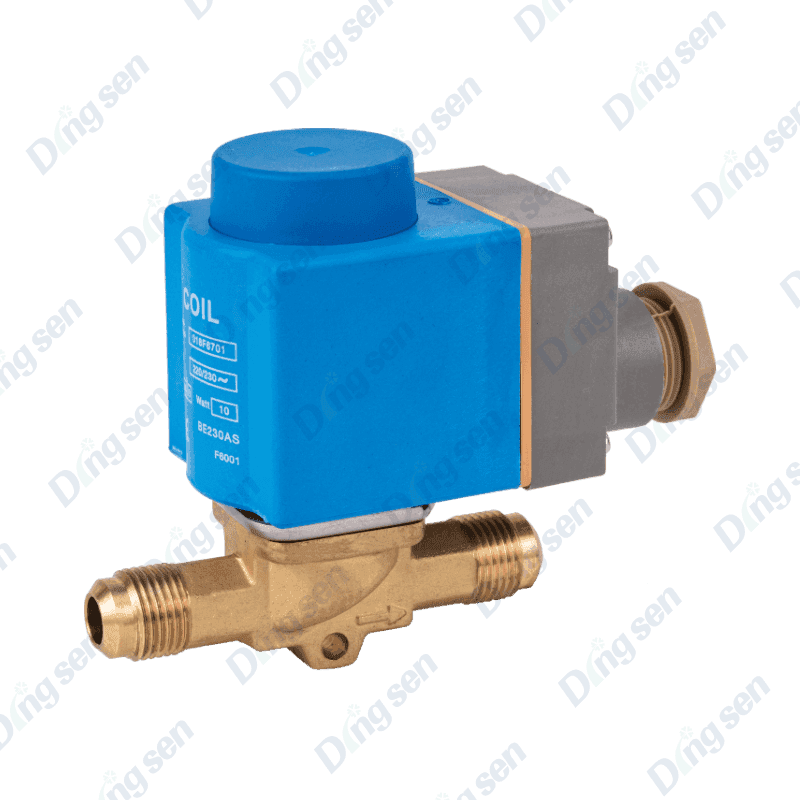
The EVR type solenoid valve features a split upper and lower structure, with a b...
-
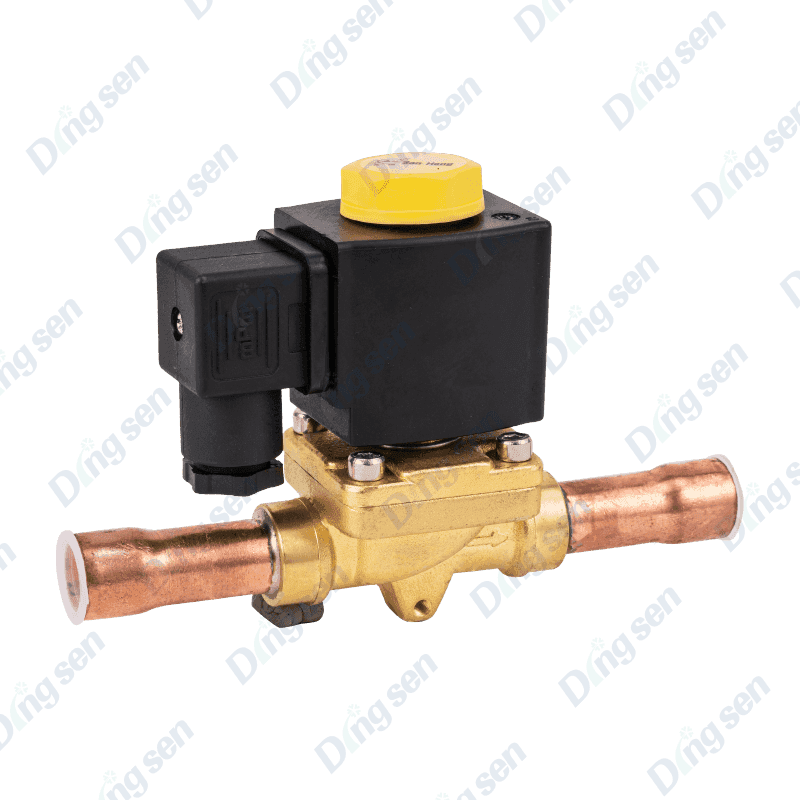
The DSF refrigeration solenoid valve is an automated actuator designed specifica...
About DingSen
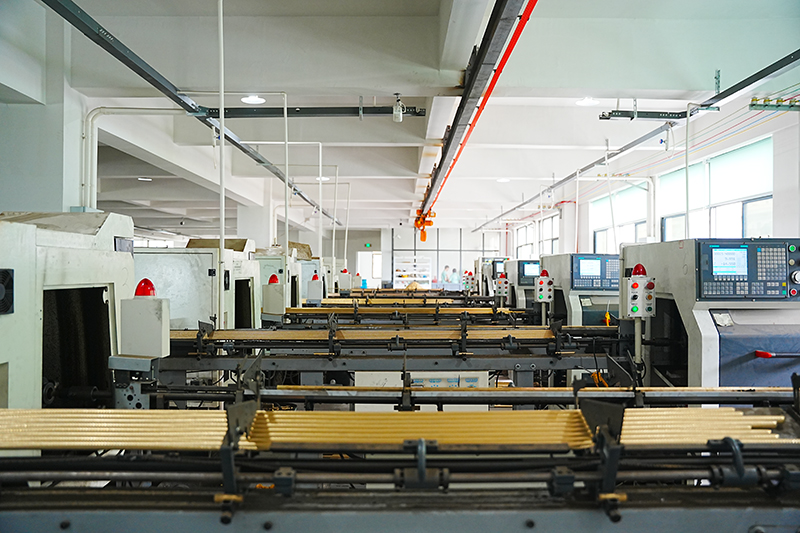
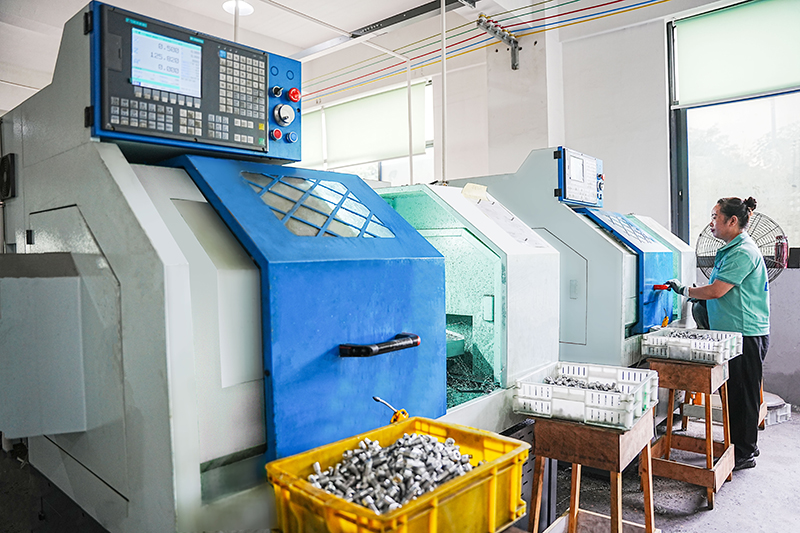
Shaoxing DingSen Refrigeration Technology Co., Ltd. founded in 2008, is a China Thermal expansion valve Manufacturers and Thermal expansion valve Factory, mainly producing refrigeration accessories and auto air-conditioning accessories. Having been established for more than 10 years, the company has since taken "Honesty and Innovation" as its goal, and "Superb Manufacture, Good Virtue, Serious Attitude, and High Quality" as its business philosophy. Guided by high-tech development, it adheres to a sustainable path of growth focused on quality and benefit.
Through continuous innovation and practice, the company has built a solid quality foundation and a guaranteed reputation in the manufacturing industry. Meanwhile, with efficient and high-quality service and a belief in mutual benefit, the company actively cooperates with businesses from all fields, constantly explores the market, and strives to create a better tomorrow.
- Dingsen: Refrigeration & auto AC parts since 2008.
- Decades of precision manufacturing.
- Durable evaporators, condensers, connectors.
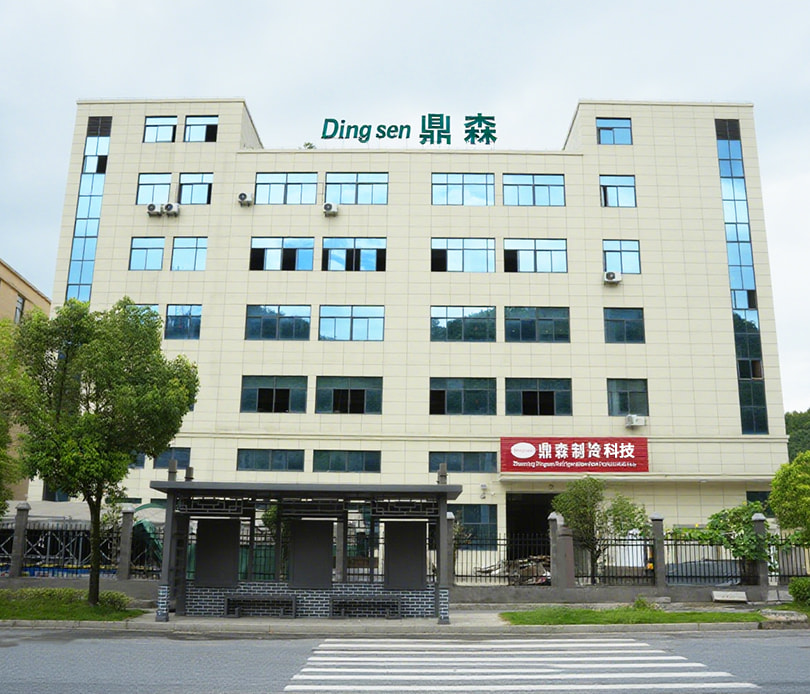
shaoxing DingSen Refrigeration Technology Co Ltd.
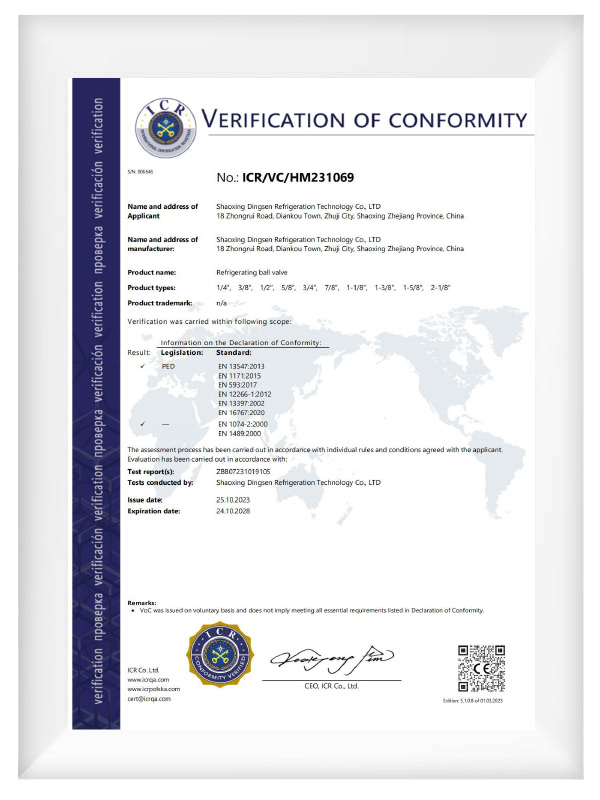
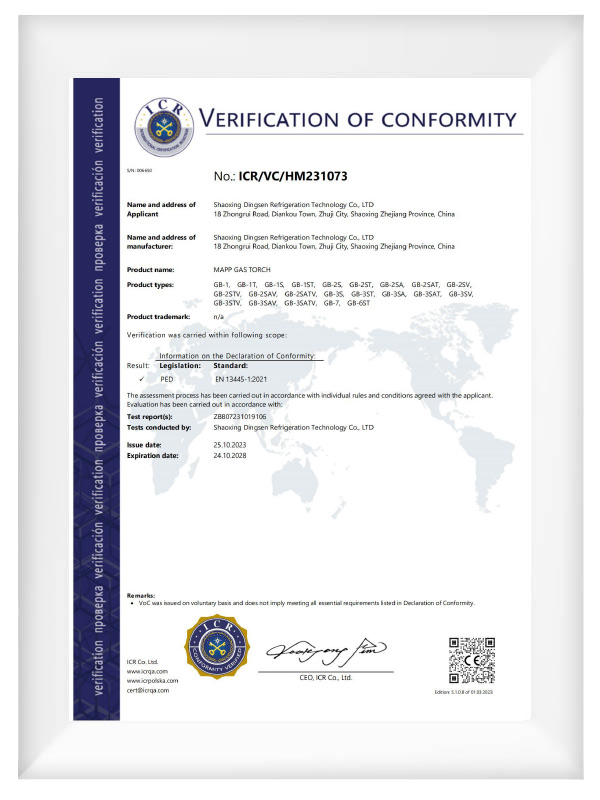
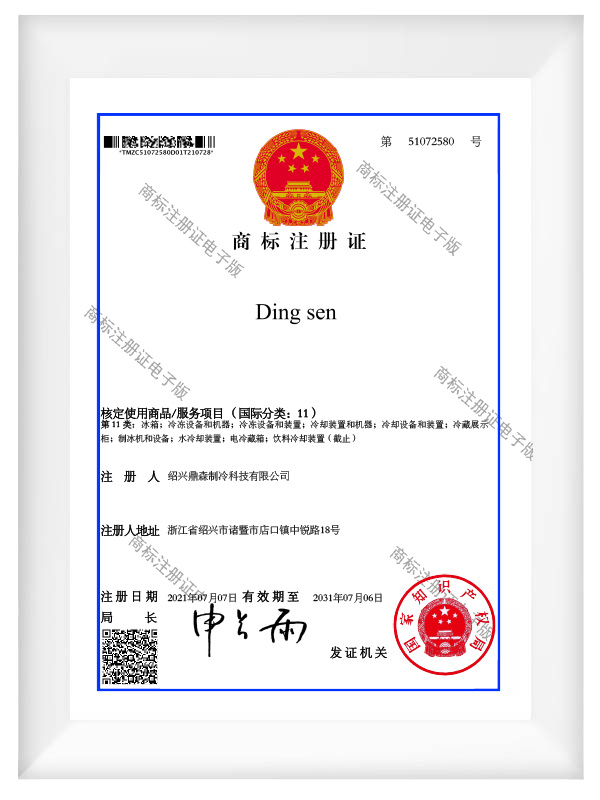
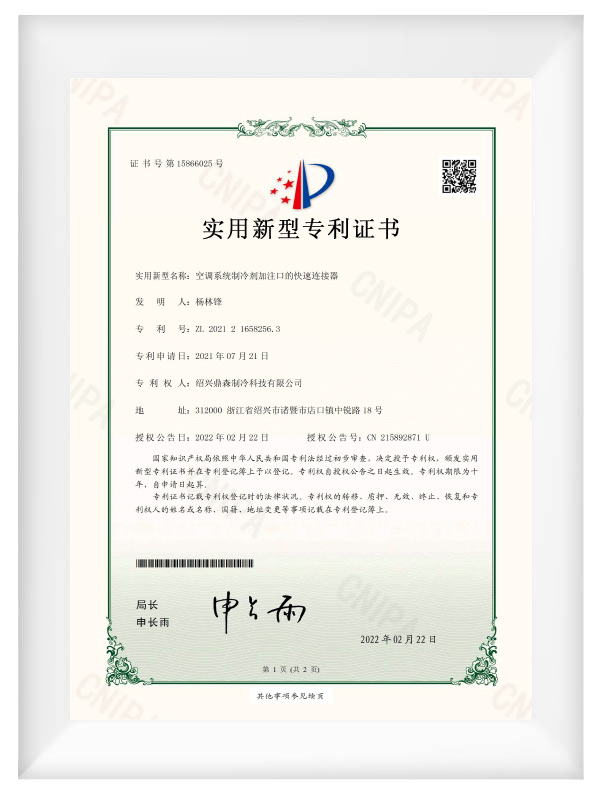
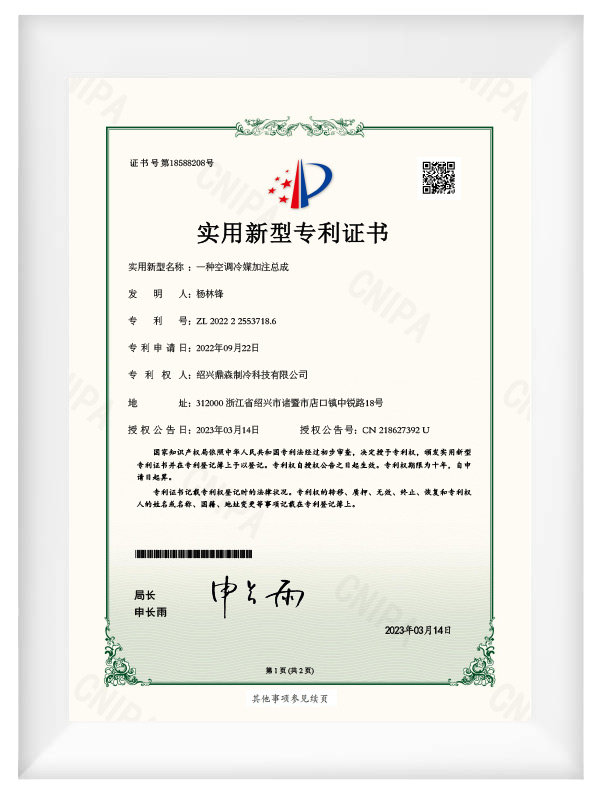
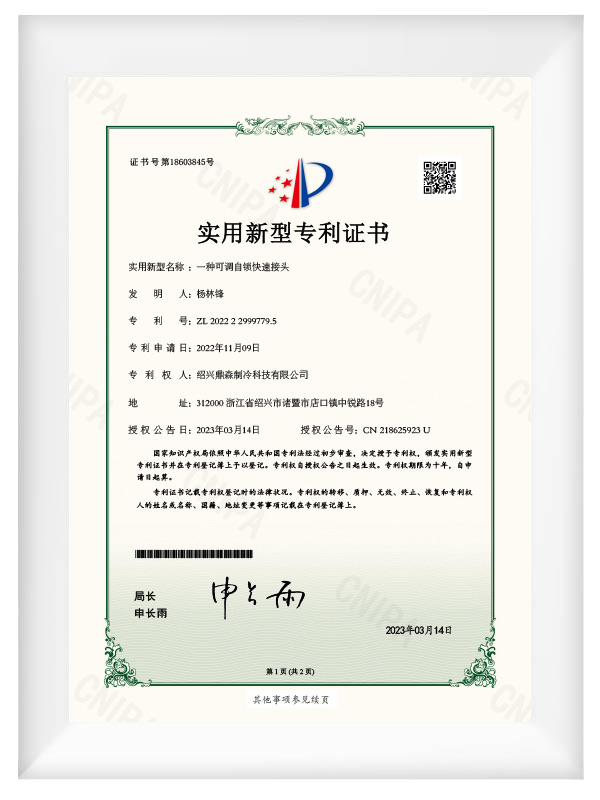
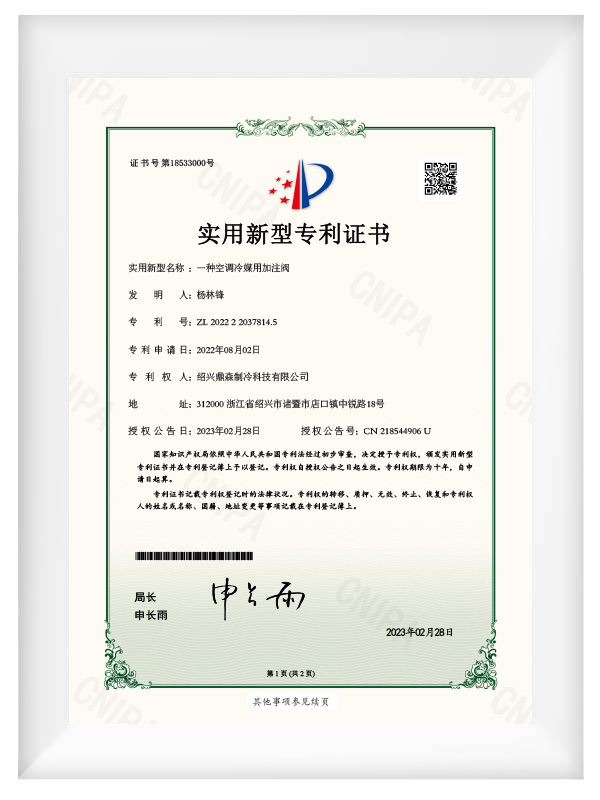
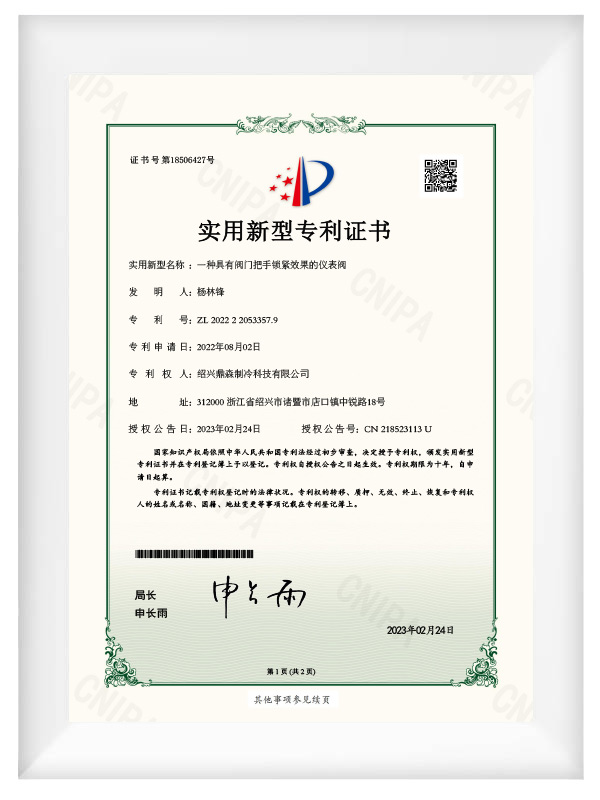
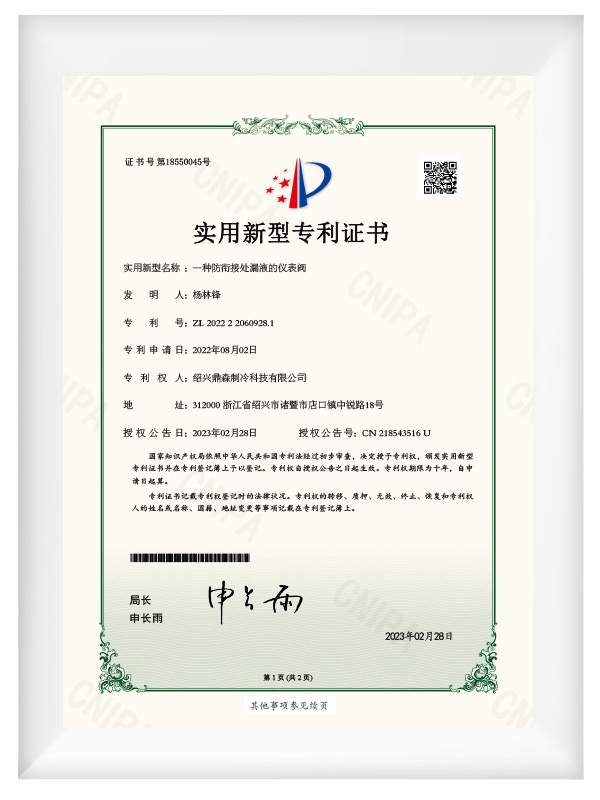
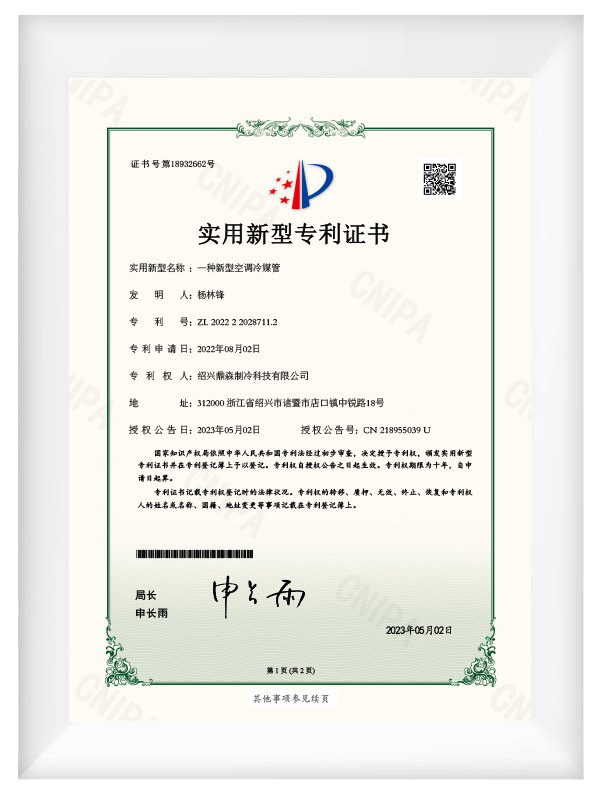
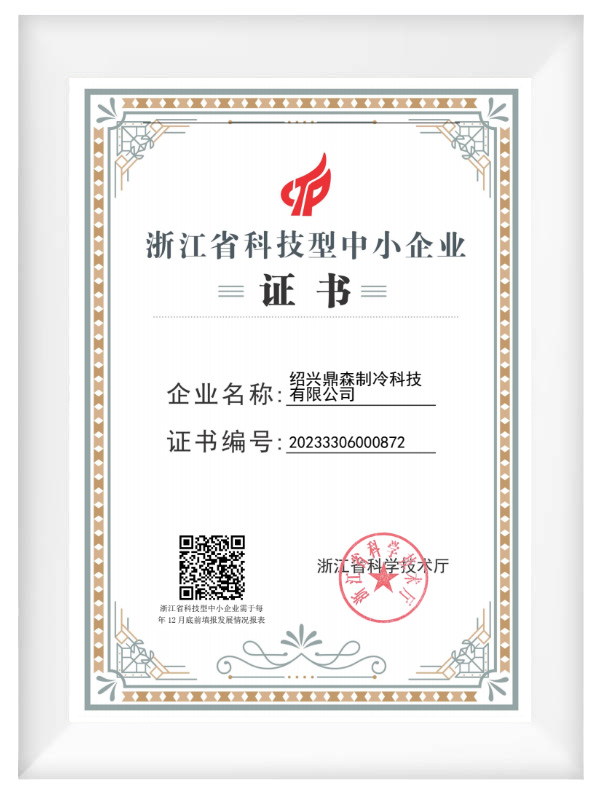
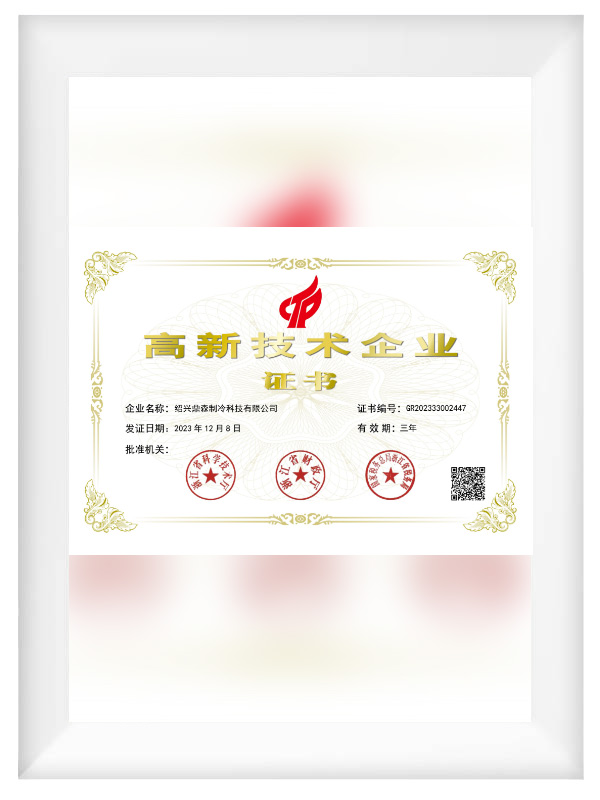
Certificate Of Honor
latest News
-
-
Most solenoid valve callbacks start with a symptom rather than a theory. A walk in cooler runs all night and never reaches its set point. A heat pump reverses at the wrong moment. An ice machine floods the evaporator after shutdown. A technician then pulls the coil off, presses the plunger with a s...
READ MORE -
Hangzhou, China – October 22–24, 2026 Shaoxing DingSen Refrigeration Technology Co., Ltd., a China OEM refrigeration parts manufacturer and automotive AC parts factory, is pleased to announce its participation in the 2026 International Air Conditioning, Heating, Ventilation, Refrigeration and Cold...
READ MORE
CONTACT US
KEEP IN TOUCH
We are very glad that you come to DingSen to purchase or customize, and we
are confident to provide you with high-quality products and services.

Contact Us
-

No. 109 Jiefang Road, Diankou Town, Zhuji City, Shaoxing, Zhejiang Province
-

+86-13867581196
-

Copyright © shaoxing DingSen Refrigeration Technology Co Ltd. All Rights Reserved Thermal expansion valve Manufacturers Thermal expansion valve Factory
