
 en
en  Español
 عربى
عربى
Most solenoid valve callbacks start with a symptom rather than a theory. A walk in cooler runs all night and never reaches its set point. A heat pump reverses at the wrong moment. An ice machine floods the evaporator after shutdown. A technician then pulls the coil off, presses the plunger with a s...
READ MORERecommended Products
Brochure
DFS filter
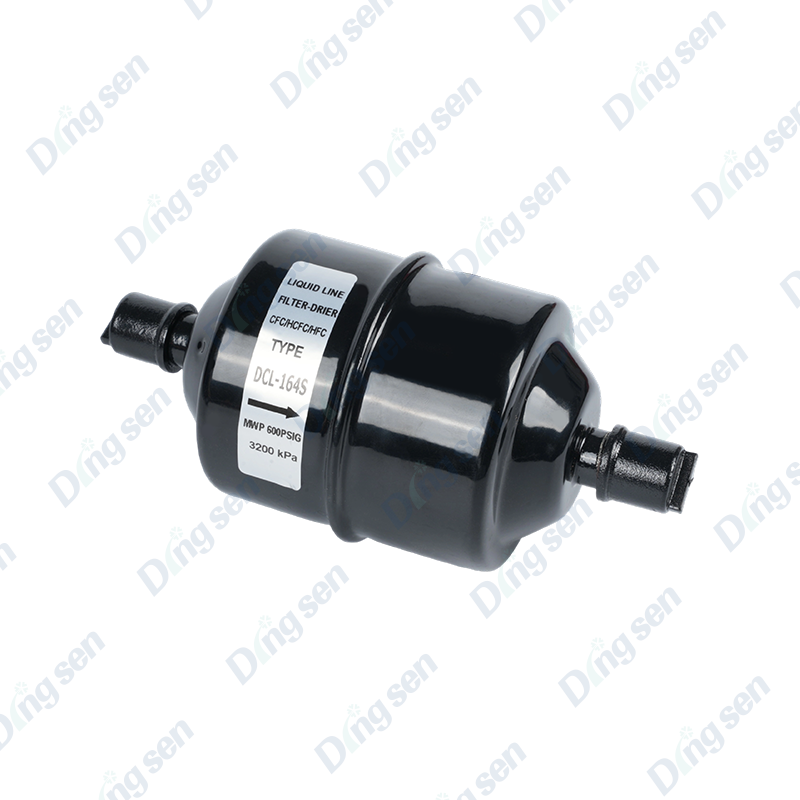
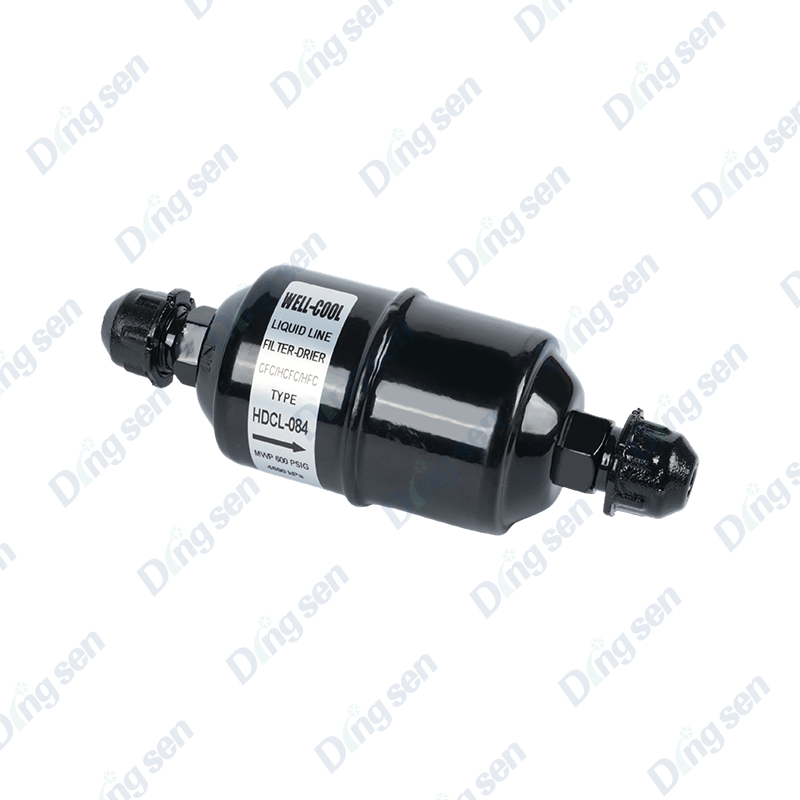
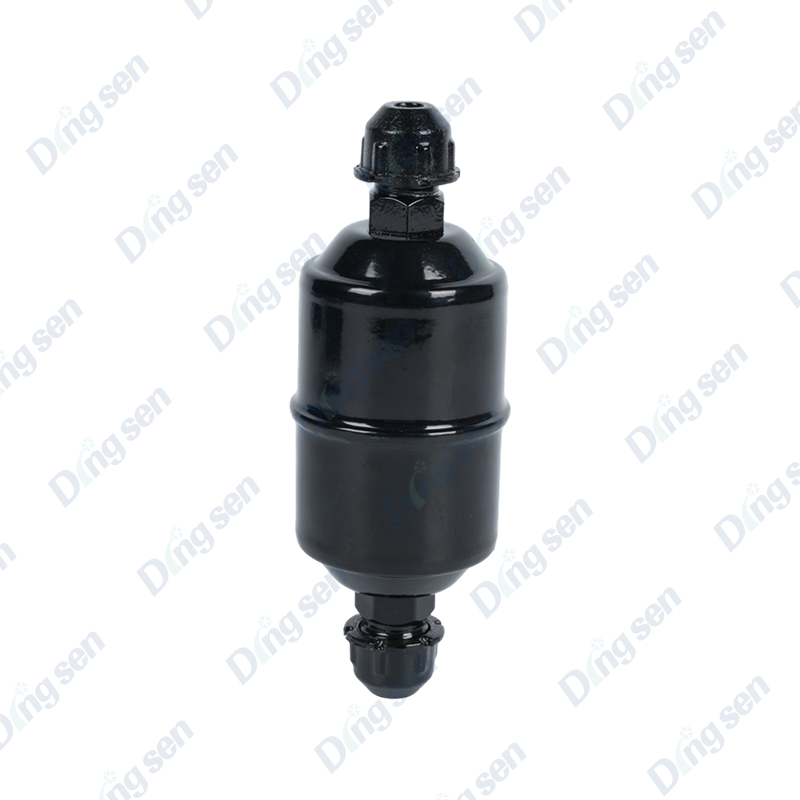
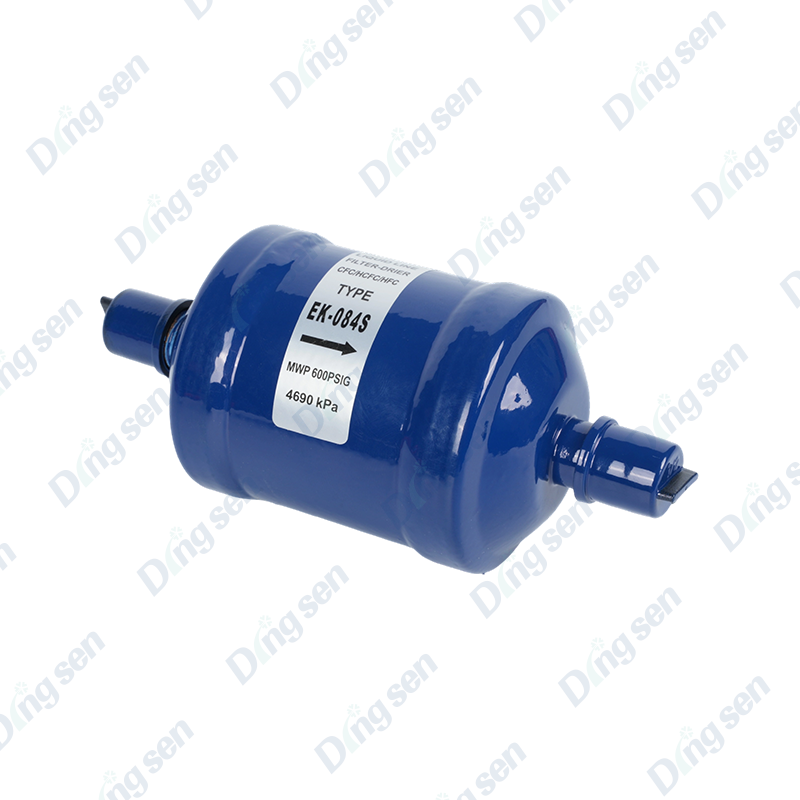
DFS filters are core components for media purification in refrigeration systems. Their high-efficiency filter elements intercept impurities and absorb moisture, protecting critical components like the compressor from wear and tear.
They are suitable for liquid and air intake lines in refrigeration, air conditioning, and refrigeration units.
They are manufactured with corrosion-resistant housings and high-contamination filter elements, tested for pressure resistance and filtration efficiency.
Pre-sales selection and after-sales filter element replacement guidance are provided. Advantages include precise filtration, corrosion resistance, wide compatibility, and easy maintenance.
The DFS filter is a key component for media purification in refrigeration systems. Its core advantages are significant: It utilizes a composite high-efficiency filter element that combines both impurity interception and moisture adsorption. It precisely captures solid impurities such as metal debris and welding slag in the refrigerant, while efficiently adsorbing residual moisture in the pipeline to prevent acidic corrosion caused by the reaction of moisture and refrigerant. Its high filtration accuracy and strong dirt-holding capacity make it non-clogging even after long-term use. It effectively protects core components such as the compressor and solenoid valve from wear and damage, extending the overall service life of the equipment. The housing is constructed of corrosion-resistant materials that withstand long-term attack from refrigerants and refrigeration oil, adapting to complex high and low temperature operating conditions. Its specially designed sealing structure prevents secondary contamination of the filtered media. The filter element is easily replaceable without disassembling the entire valve, reducing maintenance time and costs. Compatible with mainstream refrigerants such as R22, R410A, and R32, it eliminates the need to select a specific filter type based on the refrigerant, reducing inventory pressure. It accommodates a variety of piping connections, allowing for flexible installation without space constraints. It has a wide range of application scenarios, from the liquid pipelines of household central air conditioners and commercial refrigerated display cabinets to the suction pipelines of industrial cold storage and large refrigeration units. It can stably play a purification role, ensuring the efficient and safe operation of refrigeration systems of different sizes, helping users reduce the frequency of equipment failures and reduce long-term operation and maintenance costs.
-
-
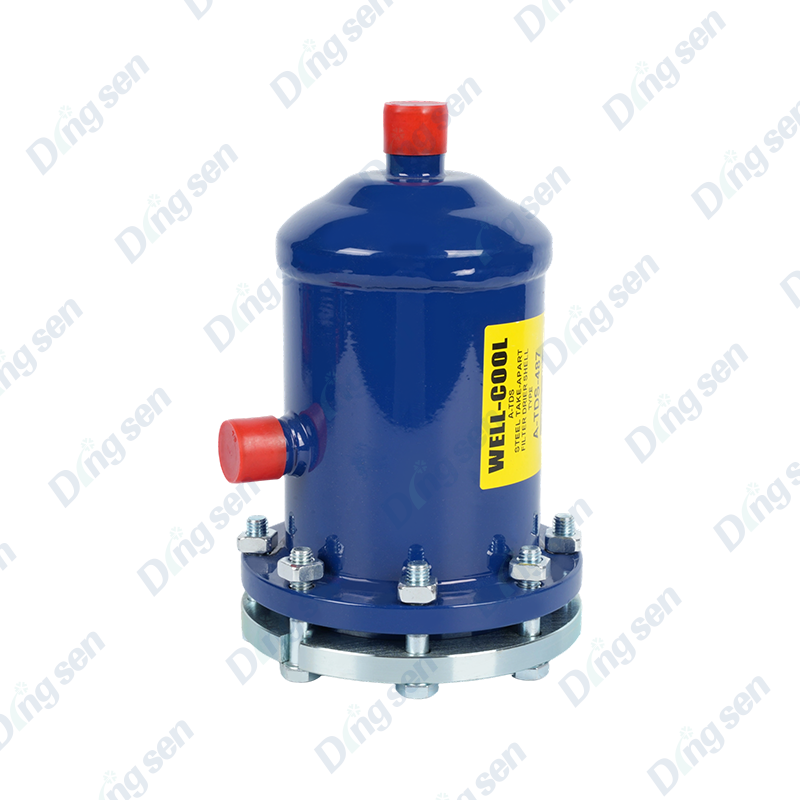
Refrigeration drying filter cylinder are drying and purification components in r...
-
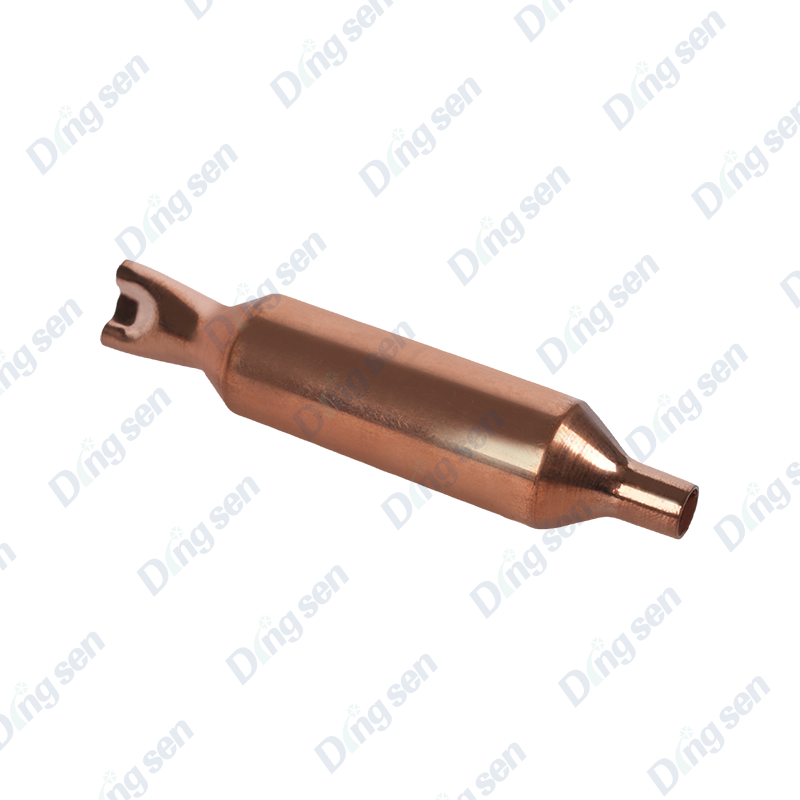
The copper drying filter is a specialized purification component for refrigerati...
About DingSen
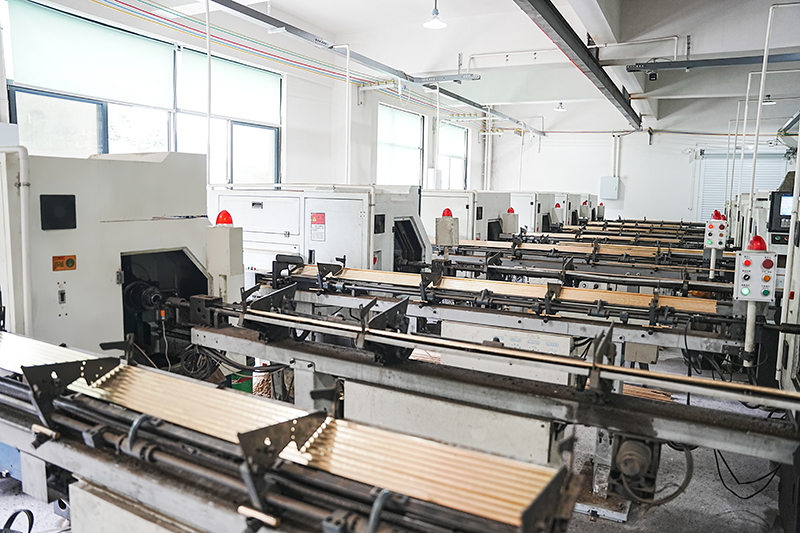
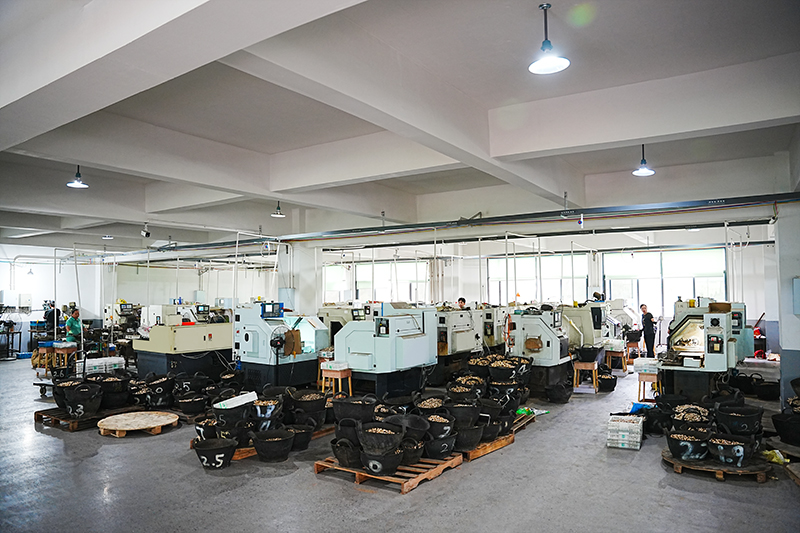
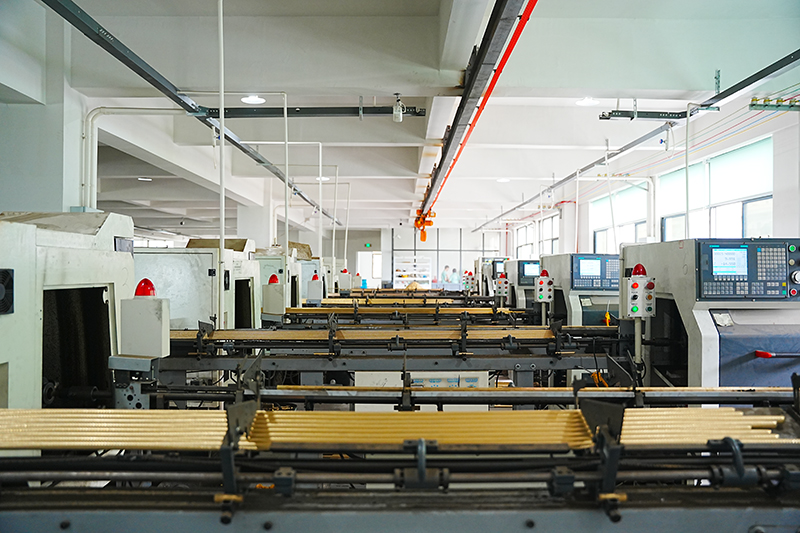
Shaoxing DingSen Refrigeration Technology Co., Ltd. founded in 2008, is a China DFS filter Manufacturers and DFS filter Factory, mainly producing refrigeration accessories and auto air-conditioning accessories. Having been established for more than 10 years, the company has since taken "Honesty and Innovation" as its goal, and "Superb Manufacture, Good Virtue, Serious Attitude, and High Quality" as its business philosophy. Guided by high-tech development, it adheres to a sustainable path of growth focused on quality and benefit.
Through continuous innovation and practice, the company has built a solid quality foundation and a guaranteed reputation in the manufacturing industry. Meanwhile, with efficient and high-quality service and a belief in mutual benefit, the company actively cooperates with businesses from all fields, constantly explores the market, and strives to create a better tomorrow.
- Dingsen: Refrigeration & auto AC parts since 2008.
- Decades of precision manufacturing.
- Durable evaporators, condensers, connectors.
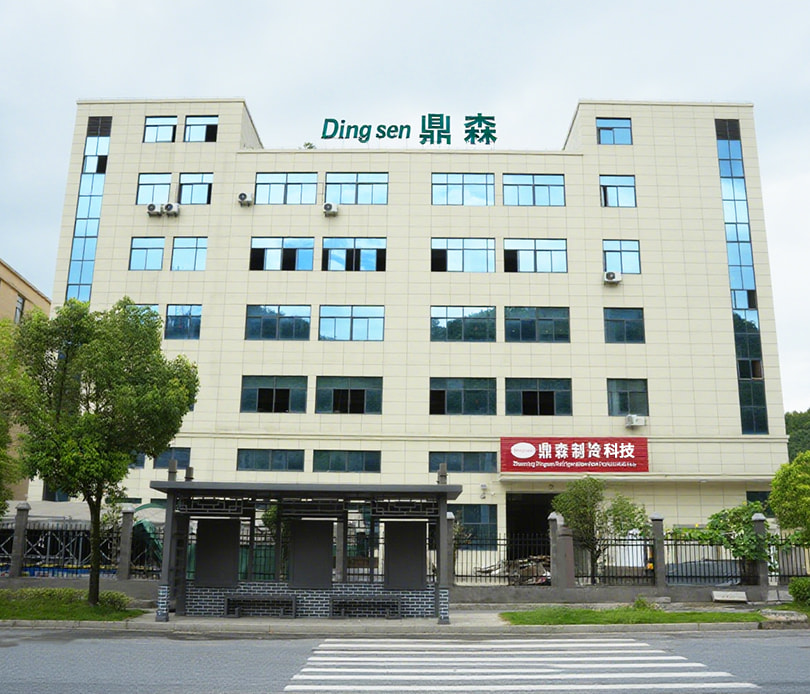
shaoxing DingSen Refrigeration Technology Co Ltd.
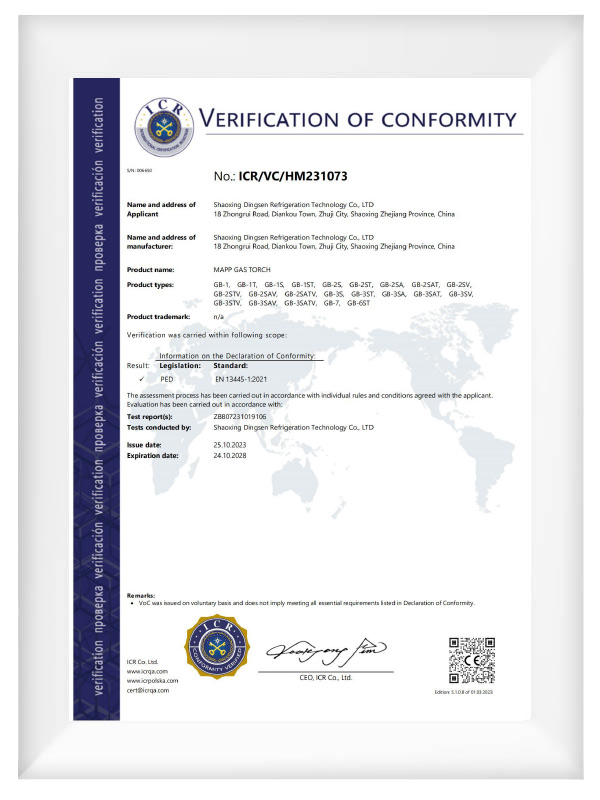
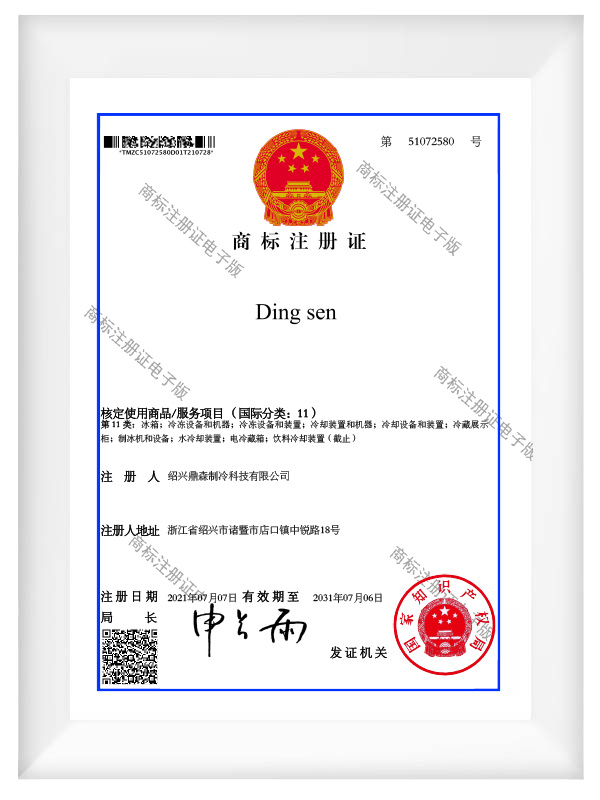
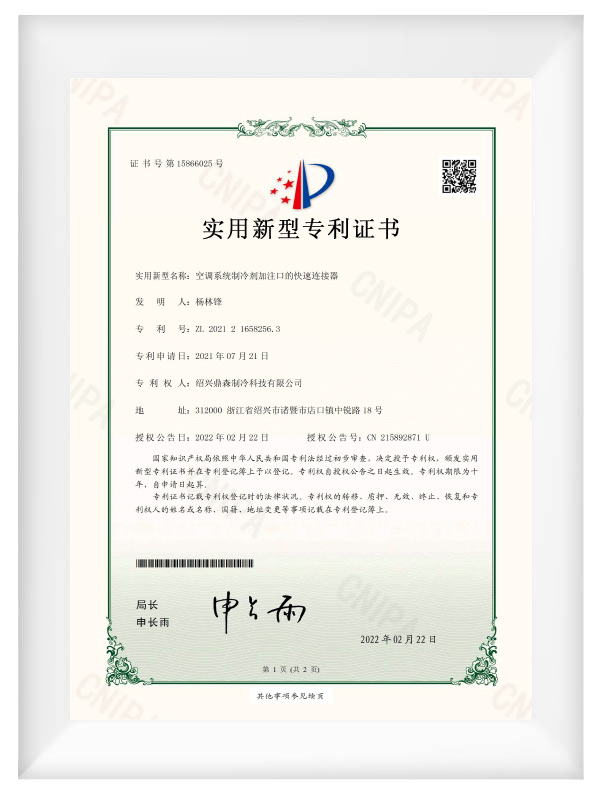
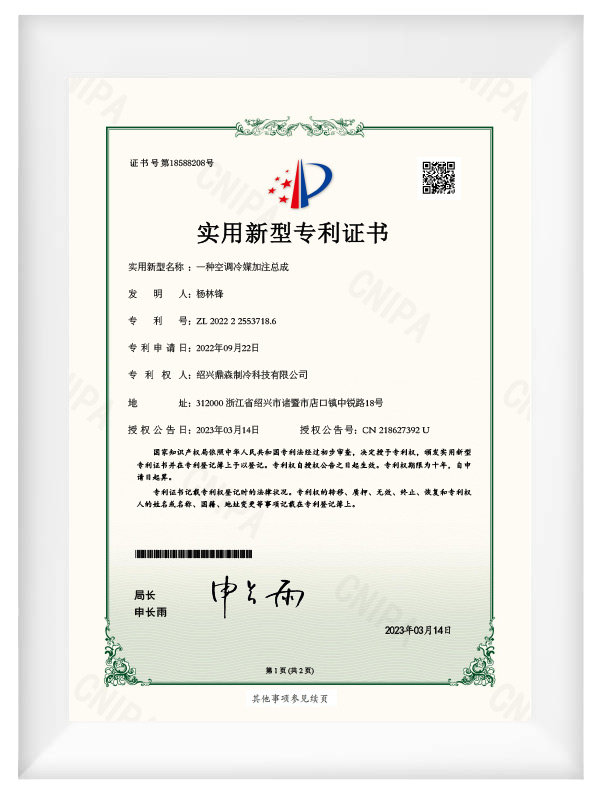
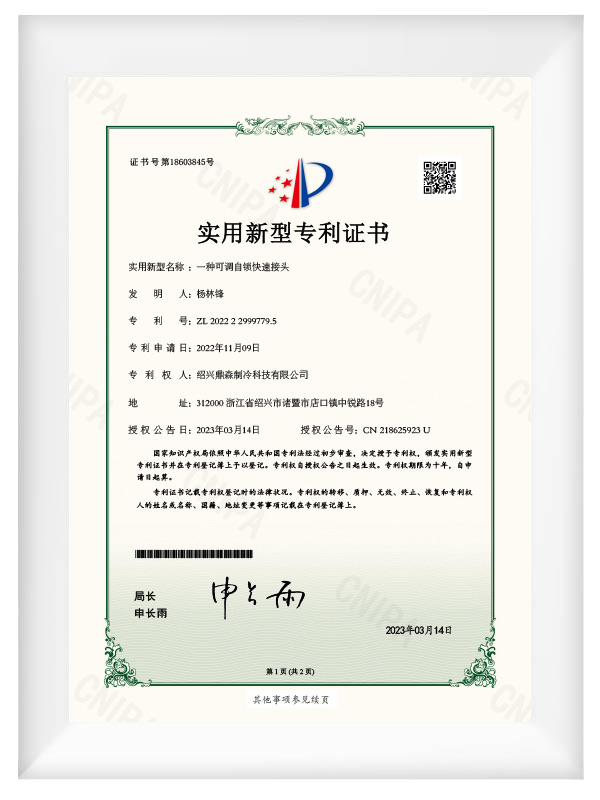
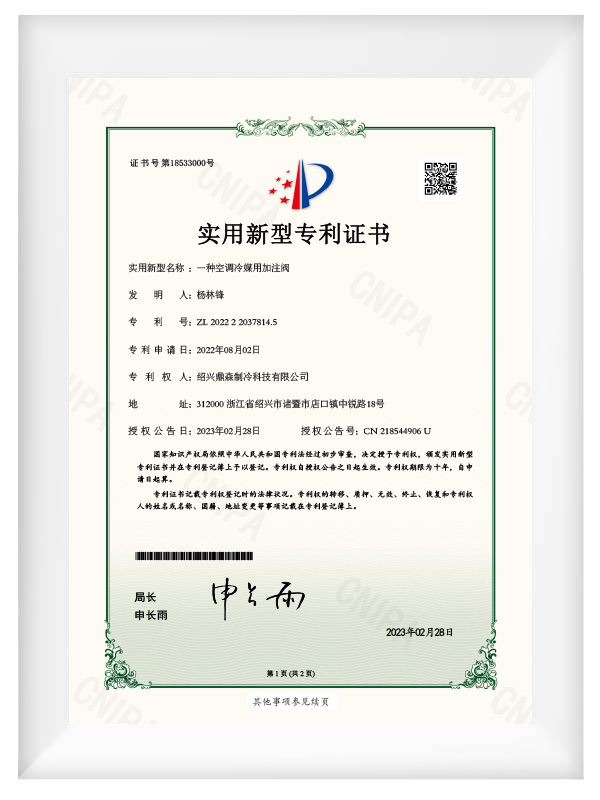
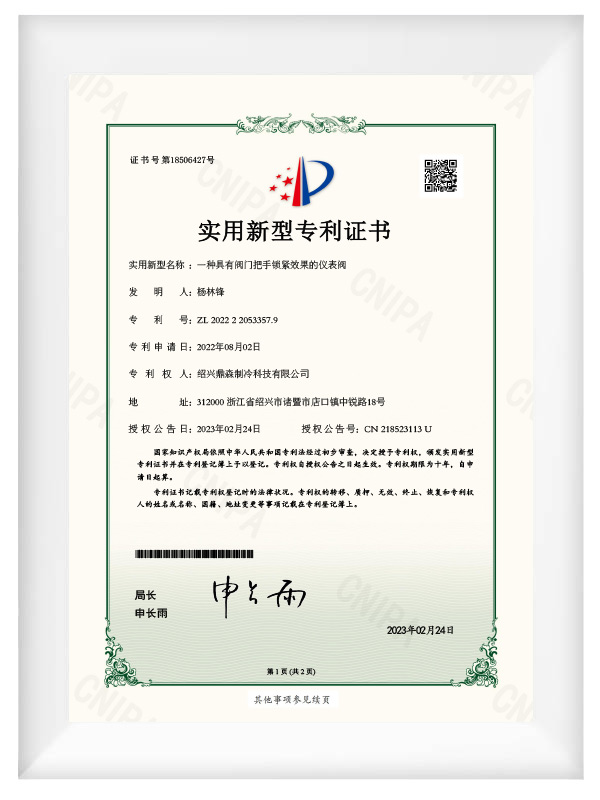
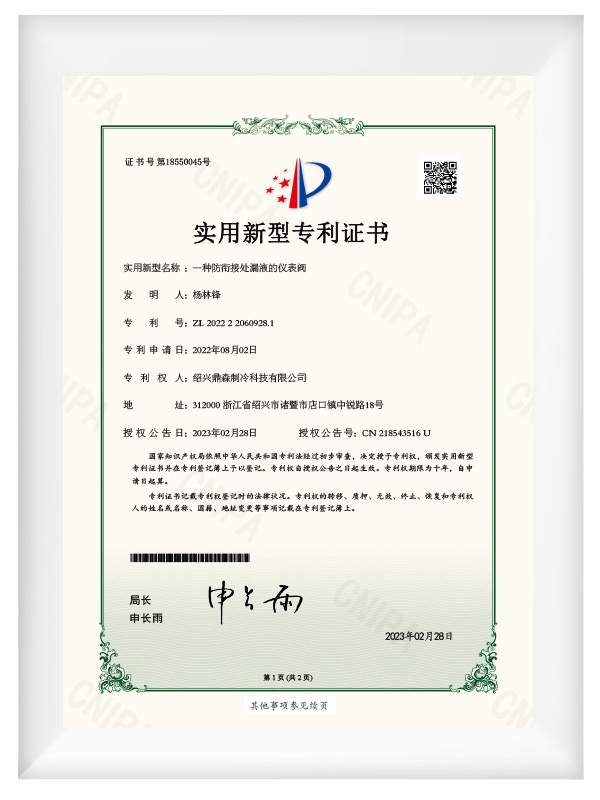
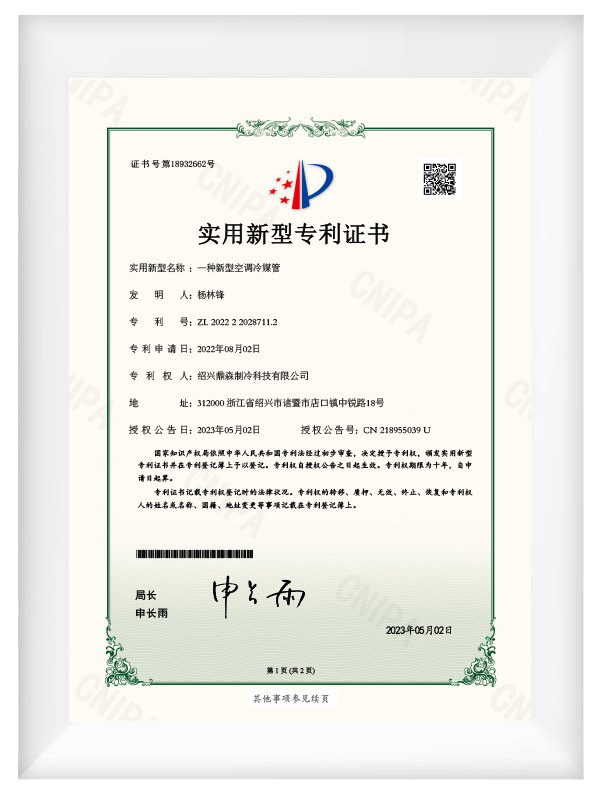
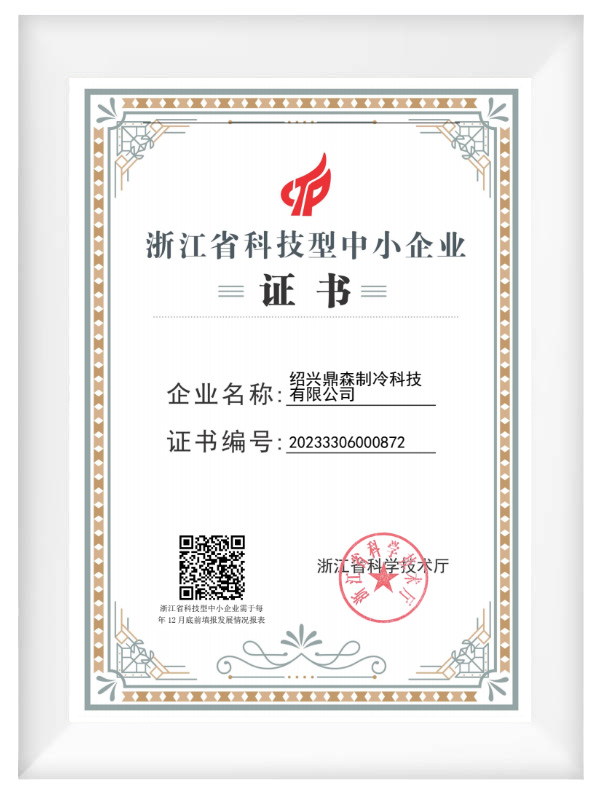
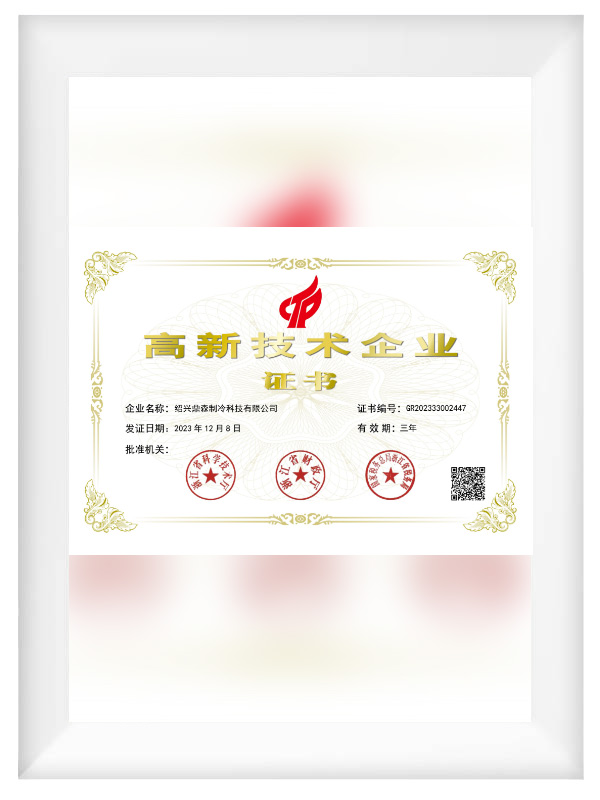
Certificate Of Honor
latest News
-
-
Hangzhou, China – October 22–24, 2026 Shaoxing DingSen Refrigeration Technology Co., Ltd., a China OEM refrigeration parts manufacturer and automotive AC parts factory, is pleased to announce its participation in the 2026 International Air Conditioning, Heating, Ventilation, Refrigeration and Cold...
READ MORE -
If a cold room drifts 2 K above its setpoint, then 3 K below it, and repeats that cycle every few minutes, the controller gets blamed before the sensor, the valve, or the door traffic does. Most of the time the hardware is fine and the loop settings are not. The short answer to how a PID controller...
READ MORE
CONTACT US
KEEP IN TOUCH
We are very glad that you come to DingSen to purchase or customize, and we
are confident to provide you with high-quality products and services.

Contact Us
-

No. 109 Jiefang Road, Diankou Town, Zhuji City, Shaoxing, Zhejiang Province
-

+86-13867581196
-

Copyright © shaoxing DingSen Refrigeration Technology Co Ltd. All Rights Reserved DFS filter Manufacturers DFS filter Factory
